انتقل إلى المحتوى
Flalingo

تدريبات على الإنجليزية

الجمل الشرطية بالإنجليزية للأطفال عبر الرياضة (المستوى A2، من 10 إلى 12 سنة): النوع الأول والنوع الثاني

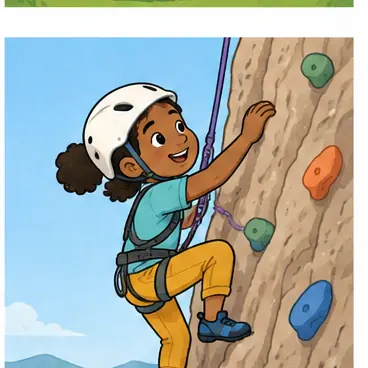
An original youth profile shows a child climbing indoors in a harness while another child plans easier routes for a younger group.

ساعد طفلك على الحديث عن الرياضة بالإنجليزية ووضع الخطط بـ if، مثل “If it rains, I will train indoors.” للخطط الحقيقية، و“If I tried caving, I would go with a guide.” للمواقف المتخيَّلة (المستوى A2، 10–12 سنة).

في الإنجليزية نوعان شائعان من جمل if. لشيء يمكن أن يحدث فعلًا نستخدم المضارع بعد if وwill في الجزء الآخر: “If it rains, I will train indoors.” ولشيء يتخيله طفلك فقط نستخدم الماضي بعد if وwould في الجزء الآخر: “If I tried caving, I would go with a guide.” يتدرب الأطفال على النوعين برياضات المغامرة ويستخدمونهما في نشرة رياضية قصيرة. هذا الموضوع من المستوى A2 يناسب الأطفال من نحو 10 إلى 12 سنة الذين يتحدثون عن خططهم بـ will وgoing to.

لمن هذا المقال؟

  • أهل الأطفال الذين يتحدثون عن خططهم: يقول طفلك “I’m going to play football on Saturday.” و“I’ll help you.”
  • الأطفال الذين يحبون الرياضة والرحلات وأفلام المغامرات: الاختيار بين خطة آمنة وفكرة جامحة يمنحهم سببًا حقيقيًا لاستخدام if.
  • الأهل الذين يريدون التدرب في البيت: تكفي نشرة الطقس أو نشرة مسبح قريب، وفي البطاقات والمقابلة أدناه تسجيل لكل جملة.
  • مبكر جدًا: إذا كان طفلك ما زال يخلط بين will وgoing to، فابدأ بمقال المستوى A2 عن خطط المستقبل، والرابط أدناه.
  • سهل جدًا: إذا كان يستخدم نوعي جمل if بشكل صحيح، فانتقل إلى مقال المستوى A2 عن رسالة مهرجان مع since وfor، والرابط أدناه.

افتح الصفحات النموذجية

افتح الصفحات النموذجية

بطاقات الكلمات

ice skatingice skating
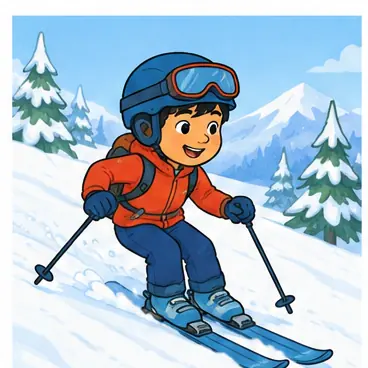
skiingskiing
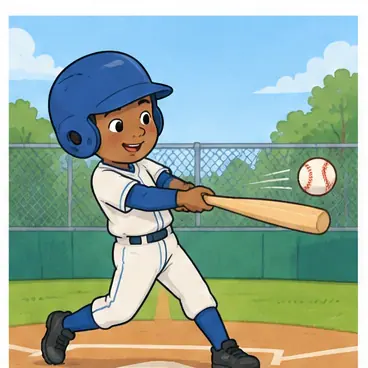
baseballbaseball
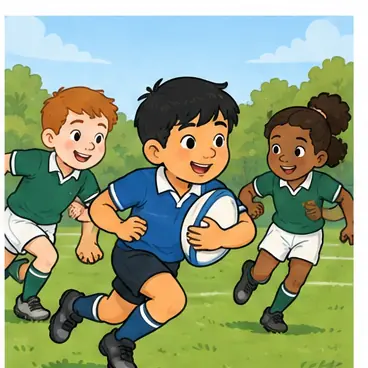
rugbyrugby
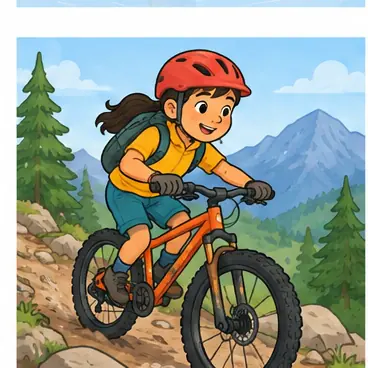
mountain bikingmountain biking
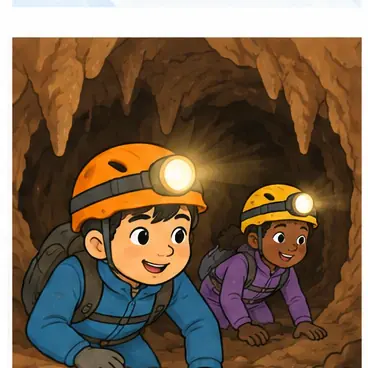
cavingcaving
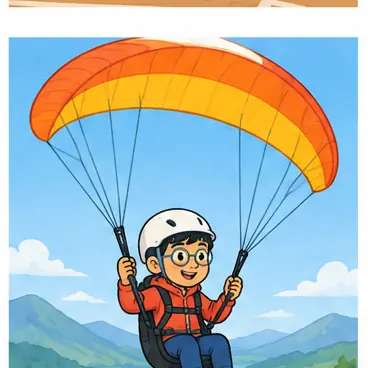
paraglidingparagliding
rock climbingrock climbing
What will you do if the weather changes?

If it rains, I will train indoors.

If I tried caving, I would go with a guide.
Would you try paragliding?
If the path is dry, we will ride.

المحادثة

Nia Today’s sports profile is about Dani, a young adventure athlete. Which sport is her main focus?

Leo Dani says that she trains for rock climbing competitions.

Nia How experienced is she?

Leo She has climbed for four years and completed her first outdoor route last spring.

Nia How often does she train?

Leo She trains indoors three evenings a week, and she goes mountain biking on Sundays.

تركيب الجملة

What will you do if the weather changes?

If it rains, I will train indoors.

  • If I tried caving, I would go with a guide.
  • Would you try paragliding?
  • If the path is dry, we will ride.

تدريبات إضافية

Talk with the grammar

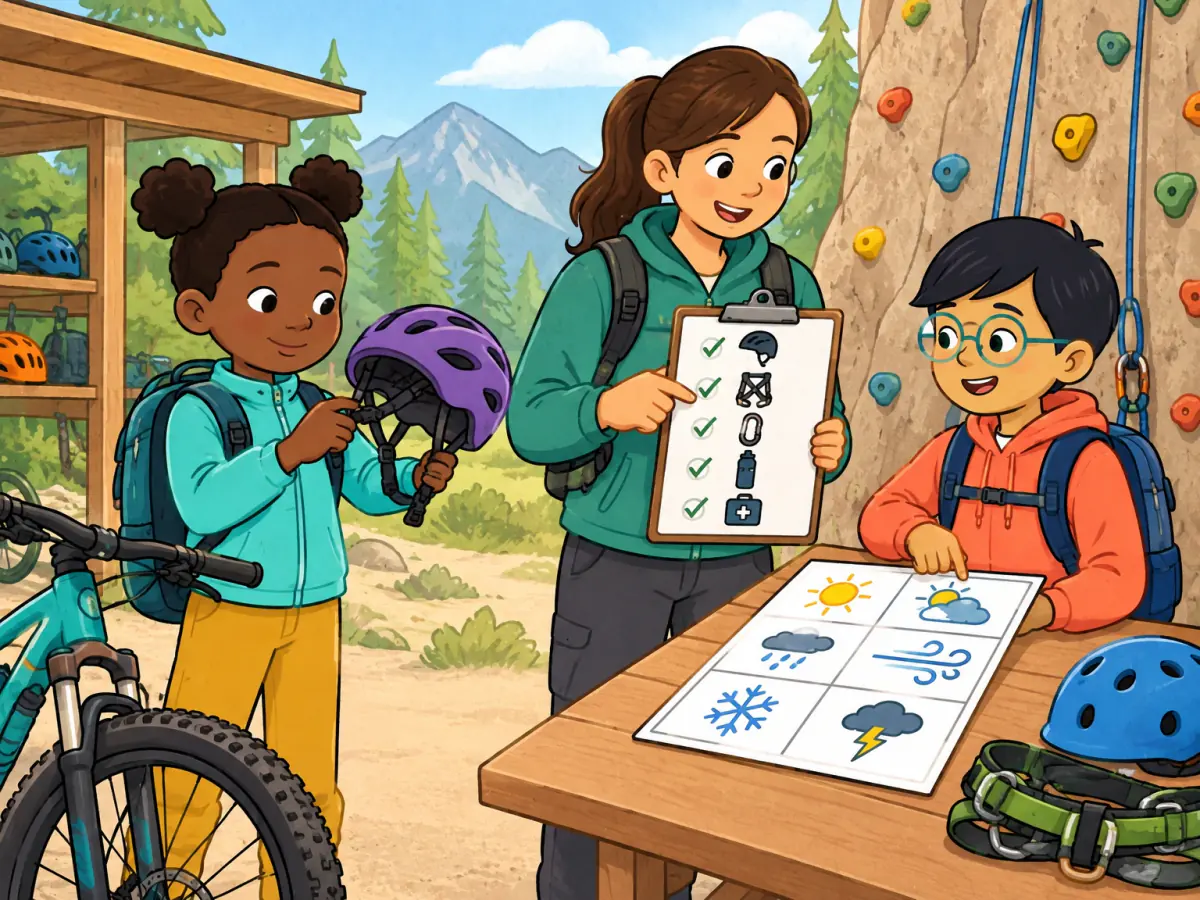
Nia checks a helmet before mountain biking while Leo studies weather symbols beside a climbing wall; an instructor holds the safety list.

Leo What will you do if the weather changes?

Nia If it rains, I will train indoors.

Nia Would you try paragliding?

Leo I would try it with an experienced instructor.

Leo What if the path is dry?

Nia We will go mountain biking.

What will you do if the weather changes?

If it rains, I will train indoors.

  • If I tried caving, I would go with a guide.
  • Would you try paragliding?
  • If the path is dry, we will ride.

A route for everyone

An original youth profile shows Nia climbing indoors in a harness while Leo plans easier routes for a younger group.

A ROUTE FOR EVERYONE

Nia trains on an indoor climbing wall twice a week. She studies each route before she moves and uses a harness checked by her coach. Her friend Leo designs lower starts for younger climbers. If a hold is too far away, he tests another safe route. Nia says that courage is not ignoring danger. It is making an honest plan, listening to advice and trying again.

Writer's studio

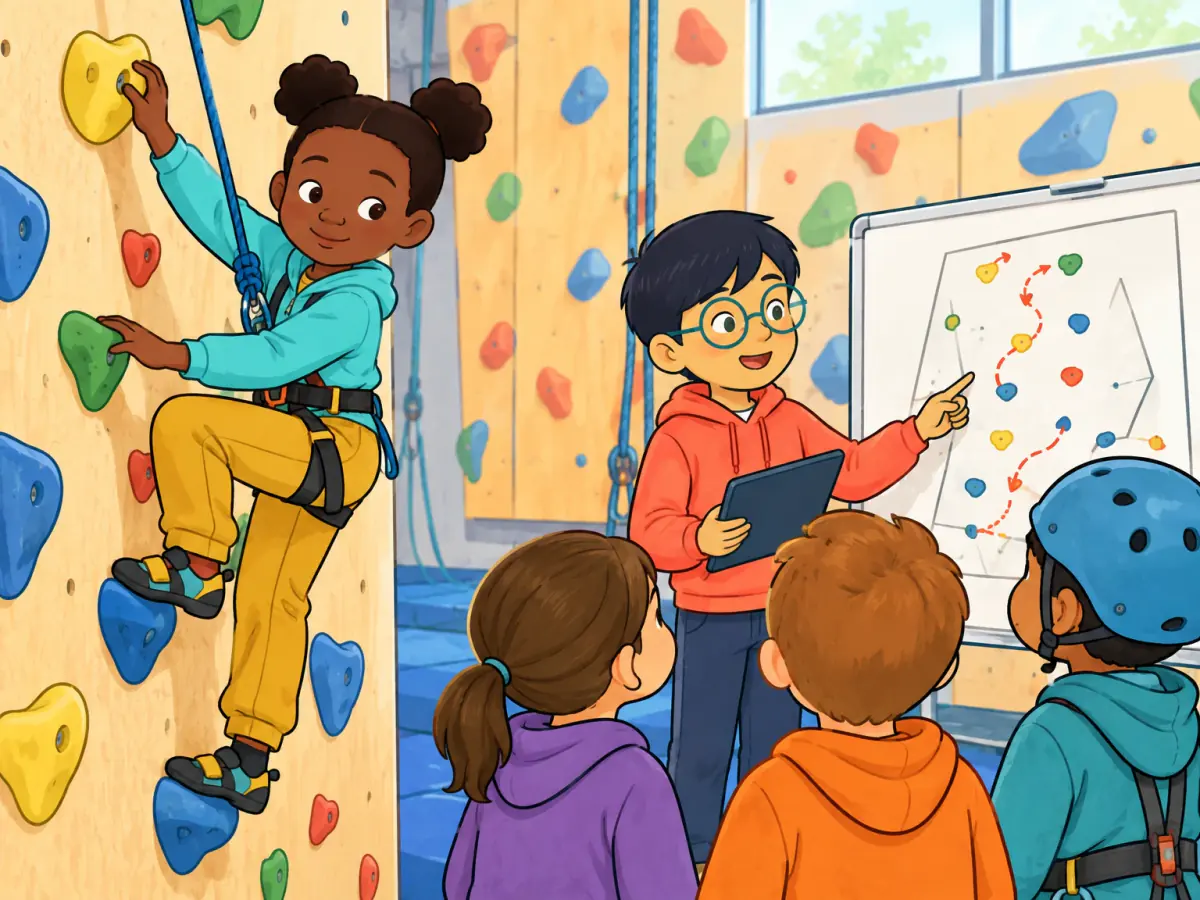
An original youth profile shows Nia climbing indoors in a harness while Leo plans easier routes for a younger group.

Nia Who will read your text?

Leo Visitors to the Ridge Centre will read it.

What should visitors know?

TRY THE RIDGE CENTRE Choose climbing, biking or skating. If you are new, an experienced coach will help you. Bring comfortable clothes and follow every safety rule. Ask a coach to help you choose your activity and equipment.

  • If I tried caving, I would go with a guide.
  • Would you try paragliding?
  • If the path is dry, we will ride.
تعلّم هذه الوحدة
كيف تريد أن تتعلّم؟

ثماني رياضات والفعل الذي يرافق كلًّا منها

يعرف معظم الأطفال بعض هذه الرياضات، والجديد هو الفعل الذي يسبقها. كلمة caving تعني استكشاف الكهوف تحت الأرض، وparagliding تعني الطيران الشراعي بالمظلة. في العربية نقول “يلعب” مع ألعاب الكرة كما تقول الإنجليزية play، أما مع التزلج والتسلق والكهوف فتستخدم الإنجليزية go. اطلب من طفلك أن يقسم الرياضات الثماني إلى مجموعتين:

  • play مع ألعاب الكرة والألعاب الجماعية، مثل “play baseball”، “play rugby”
  • go مع الأنشطة المنتهية بـ -ing، مثل “go skiing”، “go ice skating”، “go mountain biking”، “go caving”، “go paragliding”، “go rock climbing”

How long وhow often: وصف رياضية شابة

يحتاج الملف الرياضي إلى ثلاثة أزمنة. العادة تأتي بالمضارع البسيط: “She trains three evenings a week.” وما بدأ في الماضي وما زال مستمرًا يأتي بالمضارع التام مع for، مثل “She has climbed for four years.” في العربية نقول “تتسلق منذ أربع سنوات” بالمضارع، لذلك يسهل أن يقول الطفل “She climbs since four years.” أما الوقت المنتهي مثل “last spring” فيأتي بالماضي البسيط. في هذه المقابلة عن متسلقة شابة، اسأل طفلك عن زمن كل إجابة.

Nia How experienced is she?

Leo She has climbed for four years and completed her first outdoor route last spring.

Nia How often does she train?

Leo She trains indoors three evenings a week, and she goes mountain biking on Sundays.

الخطط الحقيقية: if مع المضارع، ثم will

هذا النمط لما يمكن أن يحدث فعلًا. يأتي الجزء الذي فيه if بالمضارع حتى لو كان الكلام عن المستقبل: “What will you do if the weather changes?” “If it rains, I will train indoors.” انتبه: في العربية نقول “إذا أمطرت” بصيغة الماضي ونقصد المستقبل، أما الإنجليزية فتستخدم المضارع بعد if ولا تضع will في هذا الجزء. يمكن تبديل الجزأين: “I will train indoors if it rains.” وتوضع الفاصلة فقط حين تأتي if أولًا.

  • “If the path is dry, we will ride.”

الاختيارات المتخيَّلة: if مع الماضي، ثم would

للموقف المتخيَّل نستخدم الماضي بعد if وwould في الجزء الآخر: “If I tried caving, I would go with a guide.” وكلمة tried هنا لا تعني أمس؛ فصيغة الماضي علامة على أن الأمر خيال. يشبه هذا استخدام “لو” في العربية: “لو جرّبتُ استكشاف الكهوف لذهبتُ مع مرشد.” قارن “If we go skiing this winter, I will take lessons.” (رحلة ممكنة) بـ“If I went skiing, I would take lessons first.” (مجرد خيال). ناقشا هذه الأسئلة واطلب سببًا في كل مرة.

  • Would you try paragliding? Why or why not?
  • If you went caving, what would you take?

الأضداد بـ dis- وin-

كثير من الأضداد في الإنجليزية تُصنع ببادئة، ولا توجد قاعدة بسيطة تحدد أيّها، لذا تعلّم كل زوج معًا: “An inexperienced climber should go with an experienced coach.” ولا يقال “unhonest” ولا “uncorrect”.

  • honest – dishonest (صادق – غير صادق)
  • like – dislike (يحب – لا يحب)
  • obey – disobey (يطيع القاعدة – يخالفها عمدًا)
  • correct – incorrect (صحيح – خاطئ)
  • experienced – inexperienced (ذو خبرة – قليل الخبرة)
  • sensitive – insensitive (يراعي مشاعر الآخرين – لا يراعيها)
تعلّم هذه الوحدة بطريقتك

من خريطة المفاهيم إلى نشرة للزوار

في خريطة المفاهيم نكتب المكان في الوسط ونرسم حوله ثلاثة فروع: ماذا يمكن للزوار أن يفعلوا، ومن يساعدهم، وماذا يجب أن يحضروا. يصبح كل فرع جملة أو جملتين، وغالبًا تكون تعليمات مثل “Choose…” أو “Bring…”. تأكد من أنه لم يضِع أي فرع؛ ففرع المساعدة يُنسى بسهولة. مثال لحديقة متخيَّلة:

  • “TRY THE RIVERSIDE BIKE PARK”
  • “Choose the easy track or the hill track.”
  • “If you are new, a coach will help you.”
  • “Bring a helmet, gloves and water.”
  • “If it rains, the hill track will close.”

لعبة في البيت: الخطة أ والخطة ب

انظرا معًا إلى نشرة طقس الغد. يضع طفلك خطتين حقيقيتين: “If it is sunny, we will ride to the park.” و“If it rains, we will play table tennis.” ثم اذكر رياضة واسأل “Would you try it?”، فيجيب طفلك بـ would ومعها سبب. وفي يوم آخر ارسما خريطة مفاهيم لمسبح أو حديقة تعرفانها، واكتبا معًا نشرة من أربع جمل.

أخطاء شائعة وطرق سهلة لتصحيحها

أعِد الجملة بشكلها الصحيح وتابعا الحديث.

  • “If it will rain…”: لا تأتي will بعد if، والصواب “If it rains, I will stay inside.”
  • “If I would try caving…”: تأتي would في جزء واحد فقط: “If I tried caving, I would…”
  • “She climbs since four years.”: الأمر ما زال مستمرًا، ومع المدة نستخدم for، والصواب “She has climbed for four years.”
  • “She has finished the route last spring.”: الوقت المنتهي يحتاج الماضي البسيط: “She finished the route last spring.”
  • “play skiing” و“play caving”: الصواب “go skiing” و“go caving”.

الخطوة التالية

بعد ذلك تأتي الخبرات مع have وhas، ومعها since وfor وjust وalready، مثل “We have been here since six.” ولاحقًا تُستخدم would للنصيحة أيضًا: “If I were you, I would wear a helmet.”

الأسئلة الشائعة

ما الفرق بين الجملة الشرطية من النوع الأول والنوع الثاني؟

النوع الأول، مع will، للاحتمالات الحقيقية: “If it rains, I will train indoors.” والنوع الثاني، مع would، للمواقف المتخيَّلة: “If I tried caving, I would go with a guide.”

لماذا نقول “if it rains” وليس “if it will rain”؟

في جمل if عن المستقبل يأتي الجزء الذي فيه if بالمضارع، وتذهب will إلى جزء النتيجة: “If it rains, we will stay indoors.”

هل نقول “play skiing” أم “go skiing”؟

نقول “go skiing”. تُستخدم play مع ألعاب الكرة والألعاب الجماعية، وgo مع معظم الأنشطة المنتهية بـ -ing، مثل “go caving”.

تعلّم هذه الوحدة
كيف تريد أن تتعلّم؟

ما الخطوة التالية؟

التعلّم مع معلم مباشر

في دروس Flalingo للأطفال، يتدرّب طفلك على وحدات مثل هذه في درس فردي مع معلم مباشر، من خلال ألعاب على الشاشة نفسها.

احجز درسًا تجريبيًا مجانيًا