

İçeriğe geç
Flalingo

İngilizce pratiği

İngilizcede will ile tahmin, teklif ve söz nasıl ifade edilir? B1 orta altı seviye: probably, won’t ve kısa bir tahmin notu

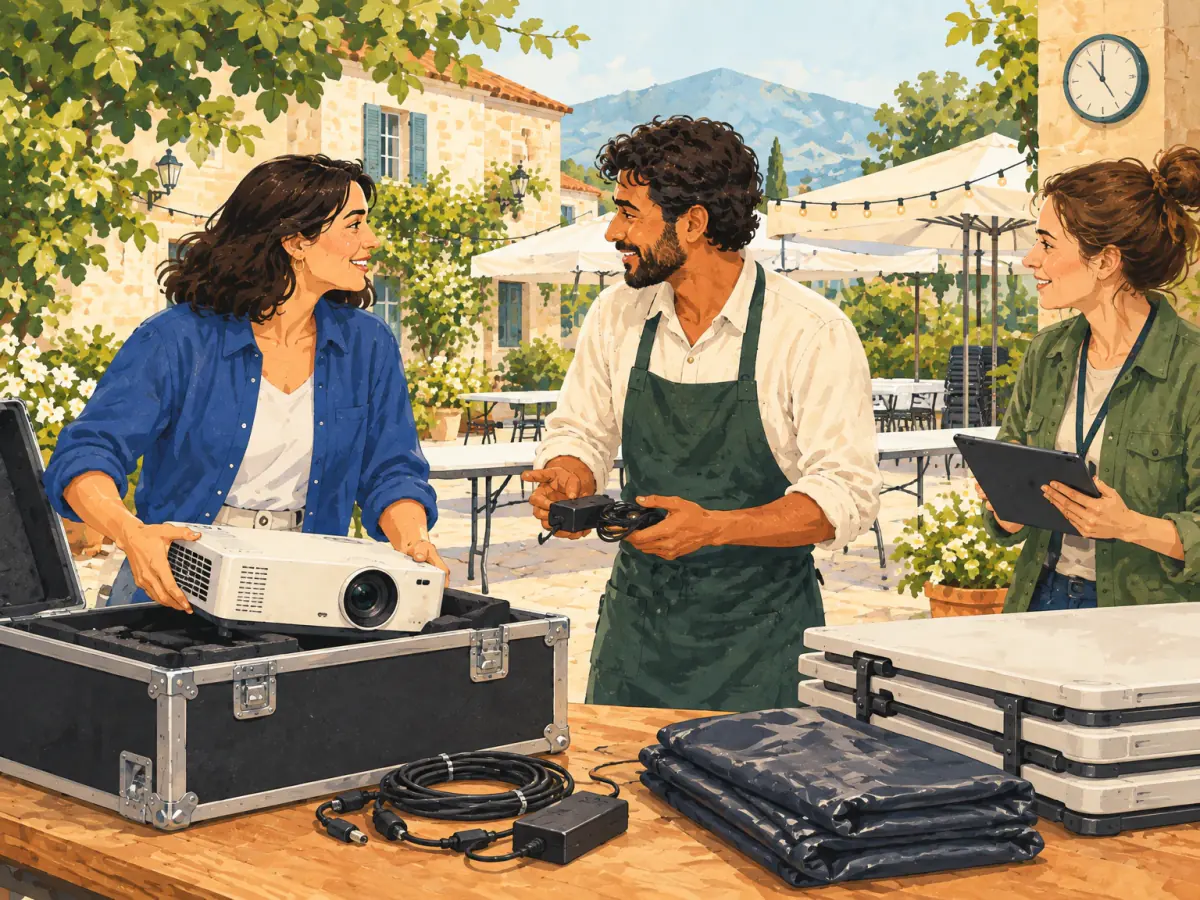
Adults arranging equipment returns and revising an event plan.

İngilizcede will için B1 (orta altı, A2–B1) rehberi: probably ve definitely ile tahmin, I don’t think … will, I’ll ile teklif ve söz, Shall we…? ile öneri ve bilgiyi yapılacak işlere bağlayan 130–160 kelimelik bir tahmin notu.

Tahmin için will + yalın fiil kullanın ve ne kadar emin olduğunuzu gösterin: “It’ll probably rain until two.” “The café definitely won’t open on Friday.” Aynı I’ll yardım teklif eder (“I’ll carry one.”), söz verir (“I promise I’ll call by five.”) ve o anda verilen bir kararı bildirir (“The van is unavailable, so I’ll book a taxi.”). İyi bir tahmin notu ikisini birleştirir: ne bekliyorsunuz, ne kadar eminsiniz ve ne yapacaksınız. Bu rehber B1 (orta altı, A2–B1) seviyesindeki yetişkinler içindir; günde 10 dakika yeterli.

Bu yazı kimin için?

  • Gelecekle ilgili her şeyi will ile söyleyen ama bilerek daha az kesin ya da daha yardımsever konuşmak isteyen orta altı seviyedeki yetişkinler.
  • Etkinlik, seyahat ya da proje planlayıp başkalarına İngilizce olarak muhtemelen ne olacağını ve kimin ne yapacağını anlatması gerekenler.
  • Yardım teklif ederken “I’ll” ile “Shall I…?” arasında kalanlar ya da “I hope so” yeterliyken uzun bir cümleyle cevap verenler.
  • Henüz erken: gelecekten hâlâ çoğunlukla tarih ve şimdiki zamanla söz ediyorsanız önce A2 seviyesindeki, bir arkadaşı müzik etkinliğine davet edip buluşma saati öneren yazıyla başlayın.
  • Fazla kolay: bildiğinizle beklediğinizi düşünmeden ayırabiliyorsanız B1 seviyesindeki, gerçeklerle görüşü ayıran dengeli film eleştirisi yazısına geçin.

Örnek sayfaları açın

Örnek sayfaları açın

Kelime kartları

prediction

a belief about what will happen

The wind will probably become stronger after three.

offer or suggestion

voluntary help or a proposal made in the conversation

I’ll collect the covers. Shall we move the sound desk?

promise or instant decision

a commitment, or a choice made now after new information

I promise I’ll call by five. The van is unavailable, so I’ll book a taxi.

Konuşma

maya The forecast has changed. It’ll probably rain until two, and the wind will become stronger after four.

owen Then the paper displays won’t be safe in the west courtyard. Shall we move them inside the hall?

maya Yes. I’ll ask the exhibitors to arrive through the north door.

owen I’ll collect the waterproof covers from Marco at one. I promise I’ll return them clean on Monday.

maya Thanks. Who’s bringing the folding tables?

owen The volunteer driver was going to, but he has just cancelled. All right—I’ll book a cargo taxi for one forty-five.

maya I’ll meet it by the north gate. Will the tables fit through that entrance?

owen Yes, they will. The double doors are wider than the west gate. I’ll send the taxi driver your number in the next five minutes.

maya Good. If the wind arrives earlier, we’ll cancel the outdoor signs as well.

Cümle yapısı

What makes a forecast note useful?

It states the event and evidence, separates probable and less certain outcomes, and attaches preparation, offers, or promises to the risks.

A reader can see both how confident the writer is and what the team will do.

  • Current evidence
  • will probably
  • definitely won’t
  • In heavy rain
  • Shall we…?
  • I’ll…

Diğer alıştırmalar

The forecast diary

Adults using evidence to forecast repairs and an opening night.

THE FORECAST DIARY

For six weeks, community organiser Salma Iqbal wrote down every prediction she made about the Saturday repair café. Before each event, she recorded expected visitor numbers, likely problems, and one action she would take. On Sunday, she checked what actually happened.

At first, Salma’s predictions were incredibly confident. “Forty people will come. We won’t run out of tools. The bicycle table will be the busiest.” In week one, 67 people arrived, the team ran out of screwdrivers, and only four bicycles needed work. Most visitors brought lamps and small kitchen equipment.

Salma did not stop forecasting. She made the language more cautious and used recent information. Before week three, online bookings were at 38, so she wrote, “We’ll probably see between 50 and 60 visitors. Electrical repairs will be busier than bicycle repairs.” Fifty-six people came, and her category prediction was correct.

The diary also changed decisions. When rain was forecast for week five, Salma predicted that the outdoor waiting area would be unusable. She borrowed a hall, promised to return its chairs on Monday, and asked two volunteers to arrive early. The rain was lighter than expected, but the extra space made the event calmer.

Salma has learned that a useful forecast is not a claim to know the future. It names the available evidence, expresses confidence honestly, and connects the prediction to a sensible action.

Write an evidence-aware forecast note

Adults using evidence to forecast repairs and an opening night.

FORECAST NOTE: SUNDAY COURTYARD MARKET

Current evidence: 42 sellers have confirmed, compared with 31 last month. The weather service predicts light rain before 10:00 and a dry afternoon. Online visitor interest is about 20 per cent higher than in August.

The morning will probably begin slowly because of the rain, but the market will be busier after lunch. We definitely won’t fit every seller under the permanent roof. The food area will probably be crowded between 13:00 and 14:30.

I’ll borrow six waterproof covers and return them on Monday. Shall we move three food stalls to the wider east gate? I’ll call those sellers today. In heavy rain, we’ll delay the music rather than place electrical equipment outside. I can’t guarantee visitor numbers, but these preparations will reduce the main risks.

What makes a forecast note useful?

It states the event and evidence, separates probable and less certain outcomes, and attaches preparation, offers, or promises to the risks.

A reader can see both how confident the writer is and what the team will do.

  • Current evidence
  • will probably
  • definitely won’t
  • In heavy rain
  • Shall we…?
  • I’ll…
Bu üniteyi öğren
Nasıl öğrenmek istersin?
Hesabın var mı?

Ücretsiz hesap bir üniteyi kalıcı olarak açar.

Will ve won’t ile tahmin

Will + yalın fiil kullanın: to yok, -s yok. Olumsuzu won’t’tur; soruda will başa gelir. Konuşmada will, zamirlerden sonra zayıf bir ’ll olur: I’ll, it’ll, we’ll.

  • “The parcel won’t arrive before Friday.” – Koli cumadan önce gelmeyecek.
  • “Will the repair cost a lot?” – Tamir çok tutar mı?
  • won’t, don’t ile kafiyelidir; want öyle değildir: “I want to go, but I won’t leave before six.”

Ne kadar eminsiniz? probably, definitely ve I don’t think

Okur ne kadar emin olduğunuzu görmelidir. Probably ve definitely olumlu cümlede will’den sonra, olumsuz cümlede won’t’un önüne gelir. Türkçede “Bence yağmayacak.” deriz; İngilizcede olumsuzluk think’e geçer: “I don’t think it will rain.”, “I think it won’t rain.” cümlesinden daha doğaldır. Bir tahmine kısa cevap yeterlidir.

  • Kesin: “It will definitely be busy after lunch.” “It definitely won’t freeze.”
  • Muhtemel: “It’ll probably rain until two.”
  • Düşük ihtimal: “It probably won’t snow.” “I don’t think the queue will move soon.”
  • Kısa cevaplar: “Will the interview go well?” “I hope so.” “Will they cancel the opening night?” “I don’t think so.”

Aynı I’ll, farklı iş: teklif, söz ve anlık karar

Her will tahmin değildir. Kendi eylemleriniz için I’ll teklif eder, söz verir ya da az önce verdiğiniz bir kararı bildirir. Türkçede bunları çoğunlukla geniş zamanla söyleriz (“Ben taşırım.”, “Seni sonra ararım.”); İngilizcede will gerekir. Shall çoğunlukla soruda kullanılır: Shall I…? “…ayım mı?”, Shall we…? “…alım mı?” demektir.

  • Teklif: “Those boxes look heavy. I’ll carry one.” “Shall I open the door?”
  • Öneri: “Shall we move the sound desk?”
  • Söz: “I promise I’ll call by five.” “I won’t forget.”
  • Back ile verilen sözler: “I’ll call you back in fifteen minutes.” “I’ll pay you back on Friday.”
  • Anlık karar: “The van is unavailable, so I’ll book a taxi.”
  • Önceden verilmiş karar bir plandır, going to kullanın: “I’m going to book the taxi tonight.”

Kısa bir konuşma: hava tahmini değişiyor

İki organizatör, yeni hava tahmininden sonra açık havadaki bir sergiyi içeri taşıyor. Her will’in işini etiketleyin: tahmin, öneri, teklif ya da söz. Ardından şoför iptal eder ve cevap anlık bir karardır: “I’ll book a cargo taxi for one forty-five.”

Maya The forecast has changed. It’ll probably rain until two, and the wind will become stronger after four.

Owen Then the paper displays won’t be safe in the west courtyard. Shall we move them inside the hall?

Maya Yes. I’ll ask the exhibitors to arrive through the north door.

Owen I’ll collect the waterproof covers from Marco at one. I promise I’ll return them clean on Monday.

Bu üniteyi kendi yolunla öğren

130–160 kelimelik bir tahmin notu yazmak

Tahmin notu bir ekibe muhtemelen ne olacağını ve sizin ne yapacağınızı söyler: kanıt, en az iki kesinlik düzeyinde üç tahmin ve iki eylem. Yanlış çıkan tek bir kesin tahmin, okurun diğerlerine de güvenini sarsar. Şu sırayla kurun:

  • Kanıt: “Thirty-five people have booked, and light rain is forecast before ten.”
  • Muhtemel: “The morning will probably start slowly.”
  • Kesin: “We definitely won’t fit every table under the roof.”
  • Daha az kesin: “I don’t think the car park will be full.”
  • Teklif ve öneri: “I’ll borrow four covers. Shall we move the food tables inside?”
  • Risk ve eylem (if’ten sonra present): “If the wind gets stronger, we’ll take the signs inside.”
  • Kapanışta söz: “I promise I’ll send an update by six on Friday.”

Sık yapılan hatalar

Hepsinin kolay bir düzeltmesi var:

  • “It won’t probably rain.” Doğrusu: “It probably won’t rain.”
  • “I think it won’t work.” Daha doğal: “I don’t think it will work.”
  • “I open the door.” (teklif olarak). Geniş zamanı taşımayın: “I’ll open it.” ya da “Shall I open it?”
  • “If it will rain, …” If’ten sonra present: “If it rains, we’ll move inside.”
  • Kanıtsız kesinlik: “Forty people will come.” Neden ve kesinlik kelimesi ekleyin: “Thirty-eight people have booked, so we’ll probably see about fifty.”

Günde 10 dakikalık pratik

Önünüzdeki haftadan gerçek bir olay seçin.

  • 2 dakika: Konuşmayı dinleyin, her cümleyi tekrar edin ve işini söyleyin.
  • 3 dakika: Olayınız hakkında farklı kesinlik düzeylerinde üç tahmin söyleyin.
  • 3 dakika: I’ll ya da Shall we…? ile iki eylem ekleyip notu yazın: 130–160 kelime.
  • 2 dakika: Sesli okuyun; ’ll zayıf, won’t net olsun. Tahminlerinizde genelde fazla iyimser mi, fazla kötümser mi oluyorsunuz?

Sonraki adım

Sırada kurallar ve koşullar var: kuralları seçeneklerden ayıran bir ilk gün rehberi, ardından iki seçenek arasında kalan birine if cümleleriyle tavsiye. Tekrar için iki seçeneği aynı ölçütlerle karşılaştırın.

Sık sorulan sorular

İngilizcede tahmin için will ile söz için will arasındaki fark nedir?

Biçim aynı, iş farklı. Tahmin olacağına inandığınızı söyler (“It’ll probably rain.”); söz sizi bir eyleme bağlar (“I promise I’ll return them on Monday.”).

Probably cümlede will ve won’t ile nereye gelir?

Will’den sonra, won’t’un önüne: “It’ll probably rain.” “It probably won’t snow.” Definitely de aynı kurala uyar.

Tahminde will mi, going to mu?

İkisi de olur. Kanıt şu anda görünüyorsa going to yaygındır (“Look at that sky. It’s going to rain.”); görüş bildirirken, özellikle I think ya da probably ile, will daha yaygındır.

Bu üniteyi öğren
Nasıl öğrenmek istersin?
Hesabın var mı?

Ücretsiz hesap bir üniteyi kalıcı olarak açar.

Sırada ne var?

Flai ile pratiğe devam et

Flai, Flalingo'nun sesli konuşmalar, düzeltmeler ve ders raporlarıyla pratik yapmaya yardımcı olan yapay zekâ destekli konuşma uygulamasıdır.

Canlı öğretmenle öğren

Flalingo derslerinde bu tür üniteleri canlı bir öğretmenle birebir çalışırsın.