
انتقل إلى المحتوى
Flalingo

تدريبات على الإنجليزية

المبني للمجهول في المضارع لاختبار B1 Preliminary: كيف تشرح طريقة تحضير طبق وتكتب بطاقة وصفة

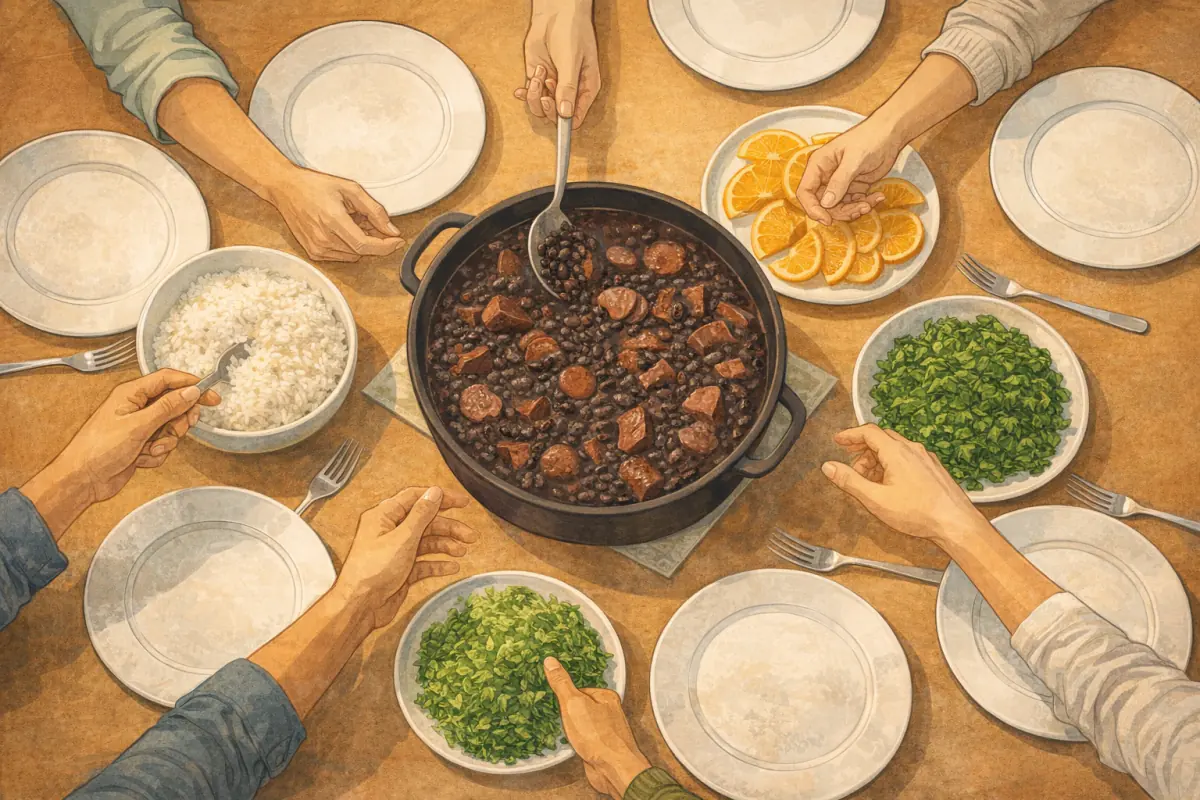
A Sunday lunch table seen from above: a pot of feijoada in the middle, with rice, orange slices, green vegetables and hands reaching for the food.

كيف يستخدم اليافعون الذين يستعدون لـB1 Preliminary (المستوى B1) المبني للمجهول في المضارع، وa few وa little وplenty of، وأفعال الطبخ وكلمات الترتيب، ليشرحوا طريقة تحضير طبق ويكتبوا بطاقة وصفة من 80 كلمة.

لتشرح كيف يُحضَّر طبق ما، استخدم المبني للمجهول في present simple، أي “is” أو “are” ثم التصريف الثالث للفعل (past participle)، مثل “The rice is boiled.” يأتي الطعام أولًا، لأن ما يحدث له أهم ممن يقوم بالعمل. عبّر عن الكميات بـ“a few” و“a little” و“plenty of”، ورتّب الخطوات بـ“First” و“Then” و“After that” و“Finally”. هذه الكلمات الصغيرة نفسها تملأ كثيرًا من الفراغات في الجزء السادس من القراءة في B1 Preliminary. هذا الدليل موجّه إلى الطلاب في المستوى المتوسط (B1) الذين تتراوح أعمارهم بين 12 و16 عامًا تقريبًا.

لمن هذا المقال؟

  • الطلاب الذين يستعدون لـB1 Preliminary أو B1 Preliminary for Schools، وأعمارهم بين 12 و16 عامًا تقريبًا.
  • تستطيع أن تقول ما تطبخه عائلتك، لكن عندما تشرح طريقة تحضير طبق تبدأ كل جملة بـ“you” أو “my mum”، أو تخلط بين “a few” و“a little”.
  • لأولياء الأمور: في المرة القادمة التي تطبخون فيها معًا، اطلبوا من ابنكم أو ابنتكم شرح الخطوات بالإنجليزية (“The onions are cut, then …”). أربع خطوات مع “First” و“Then” و“Finally” هي نصف بطاقة الوصفة.
  • ما زال الوقت مبكرًا: إذا كانت رسالة قصيرة في A2 Key لا تزال صعبة عليك، فابدأ بمقال المستوى A2 عن رسالة إلى صديق قادم للإقامة عندك (الرابط أدناه).
  • سهل جدًا: إذا كنت تشرح عملية ما بالمبني للمجهول دون أخطاء، فانتقل إلى مهمة المطابقة في قراءة B1 Preliminary وإلى مقال الجزء الثاني من الكتابة عن استخدام الشاشات (الروابط أدناه).

افتح الصفحات النموذجية

افتح الصفحات النموذجية

بطاقات الكلمات

mix

to put different foods together and move them round

The cabbage is mixed with a spicy sauce.

add

to put one more thing in with the others

Salt is added to the cabbage first.

serve

to give food to people at a meal

Feijoada is served with rice.

taste

to put a little food in your mouth to see if it is good

Hana's grandfather always tastes the sauce first.

المحادثة

Kai So, Hana, how is kimchi made?

Hana First, the cabbage is cut into big pieces and salt is added.

Kai And then?

Hana Then it is left overnight. In the morning, the salt is washed off.

Kai What about the red sauce?

Hana The sauce is made with garlic, hot pepper and a little sugar. Then the cabbage is mixed with the sauce by my grandfather. He always does that part.

Hana Finally, the kimchi is put in big jars and kept somewhere cold.

تركيب الجملة

Write a recipe card for a family dish (about 80 words).

Lemon chicken with rice (for four people) Ingredients: four pieces of chicken, two lemons, a little oil, plenty of garlic, a few fresh herbs, rice, salt. Method: First, a little salt is added to the chicken. Then the garlic and lemon juice are mixed and poured over the chicken. After that, it is roasted in the oven for an hour. Meanwhile, the rice is boiled. Finally, everything is served with the fresh herbs on top. It's my favourite Sunday dish!

The model has 80 words. It has a name, ingredients with amounts (a little, plenty of, a few) and a method with passive verbs (is added, are mixed, is roasted, is boiled, is served) and order words (First, Then, After that, Finally).

  • Name: … (for … people)
  • Ingredients: a few …, a little …, plenty of …
  • First, … is / are …
  • Then …
  • After that, …
  • Finally, … is served with …

تدريبات إضافية

How is kimchi made?

Kai So, Hana, how is kimchi made?

Hana First, the cabbage is cut into big pieces and salt is added.

Kai And then?

Hana Then it is left overnight. In the morning, the salt is washed off.

Kai What about the red sauce?

Hana The sauce is made with garlic, hot pepper and a little sugar. Then the cabbage is mixed with the sauce by my grandfather. He always does that part.

Hana Finally, the kimchi is put in big jars and kept somewhere cold.

How is kimchi made?

The cabbage is cut and salt is added. Then everything is mixed with a spicy sauce.

Present simple passive: am / is / are + past participle (cut, added, made, mixed, kept). Use it when the food and the action are more important than the person. Add by + person only when it matters: The kimchi is mixed by my grandfather.

  • is cut
  • is added
  • is made
  • are mixed
  • are kept
  • is mixed by …

Lucas's recipe post

A Sunday lunch table seen from above: a pot of feijoada in the middle, with rice, orange slices, green vegetables and hands reaching for the food.

Our Sunday feijoada, by Lucas

Every Sunday, my family gets together for a big lunch, and the star of the table is always feijoada. It's a traditional Brazilian dish of black beans and meat. People say that every family in Brazil has its own recipe, and this is ours.

Our feijoada starts the night before: the black beans are washed and left in cold water. On Sunday morning, they are boiled slowly with the meat for about three hours. A few onions and plenty of garlic are fried in a little oil and then added to the pot. We don't add many herbs, because we want the beans to have the strongest flavour.

Feijoada is served with white rice, green vegetables and slices of orange. The orange isn't just there for its colour: its fresh, sour taste is perfect with the heavy beans.

My favourite part isn't the eating, though. It's the three hours in the kitchen, when everyone talks and laughs while the pot cooks. And every five minutes, someone asks when lunch is ready!

Want to try it? You'll need a big pot, a lot of time and some hungry friends.

On camera

What dish are you showing us today?

Hi, everyone! Today I'm showing you my family's lemon chicken. It's made every Sunday in our house. First, the chicken is covered in garlic and lemon, and then it's roasted. It smells delicious, and it tastes like home!

  • Hi, everyone! Today I'm showing you …
  • It's made …
  • First, … Then, …
  • It smells / tastes …
تعلّم هذه الوحدة
كيف تريد أن تتعلّم؟

المبني للمجهول: “is / are” ثم التصريف الثالث

استخدم المبني للمجهول عندما يكون ما يحدث للشيء أهم ممن يفعله: قارئ الوصفة يريد أن يعرف ماذا يحدث للأرز، لا من يحرّكه. استخدم “is” مع شيء واحد أو اسم غير معدود، و“are” مع الجمع.

في الجملة الاسمية العربية لا نحتاج إلى فعل مثل “is” في المضارع، لكن المبني للمجهول في الإنجليزية يحتاج إليه دائمًا: “The rice is boiled.” وقد تأتي الوصفة بصيغة الأمر (“Cut the cabbage.”)، لكن عند شرح طريقة تحضير طبق يبدو المبني للمجهول طبيعيًا.

  • الإثبات: “The peppers are filled with rice.”
  • النفي: “The fish isn’t fried. It’s grilled.”
  • السؤال: “How is kimchi made?”
  • تصريفات شاذة: “make, made” و“keep, kept” و“leave, left”، أما “cut” و“put” فلا تتغيّران.

استمع: كيف يُحضَّر طبق عائلي

يتحدث طالبان عن الكيمتشي، وهو طبق كوري حار يُصنع من الملفوف. ابحث عن الأفعال السبعة المبنية للمجهول. جاءت “by my grandfather” لأن الشخص مهم هنا، وفي السطر الأخير يشترك فعلان في “is” واحدة.

الطالب 1 So, Hana, how is kimchi made?

الطالب 2 First, the cabbage is cut into big pieces and salt is added.

الطالب 2 The sauce is made with garlic, hot pepper and a little sugar. Then the cabbage is mixed with the sauce by my grandfather. He always does that part.

الطالب 2 Finally, the kimchi is put in big jars and kept somewhere cold.

الكميات: “a few” و“a little” و“plenty of” و“none”

يجب أن تناسب كلمة الكمية الاسم: الإنجليزية تفصل بين ما يُعدّ (“eggs”، “onions”) وما لا يُعدّ (“salt”، “oil”، “milk”).

  • “a few” مع اسم بصيغة الجمع: “a few onions”، “a few spoonfuls of sugar”
  • “a little” مع اسم غير معدود: “a little salt”
  • “plenty of” (أكثر من الكفاية) مع النوعين: “plenty of garlic”، “plenty of eggs”
  • “none” تأتي وحدها، و“no” تأتي قبل الاسم: “How much sugar is left?” “None.”
  • أدوات التعريف والتنكير: “a bowl” أول مرة، ثم “the bowl”، وبلا أداة عند الكلام العام: “Kimchi is made from cabbage.” في العربية نقول «الكيمتشي يُصنع من الملفوف» بأداة التعريف، أما في الإنجليزية فلا نضع “the” هنا.

أفعال الطبخ وأصوات “-ed” الثلاثة

أفعال مفيدة: “boil” (يسلق)، و“fry” (يقلي)، و“roast” و“bake” (يشوي أو يخبز في الفرن)، و“grill” (يشوي على النار)، و“stir” (يقلّب)، و“slice” (يقطّع شرائح)، و“mash” (يهرس)، و“pour” (يصبّ). لنهاية “-ed” ثلاثة أصوات:

  • /t/ بعد k وs وp وsh وch وf وأصوات مثلها: “mixed”، “sliced”، “baked”
  • /d/ بعد معظم الأصوات الأخرى: “served”، “poured”، “boiled”
  • /ɪd/، أي مقطع إضافي، بعد t أو d فقط: “added”، “roasted”

اكتب بطاقة وصفة من 80 كلمة

بطاقة الوصفة ليست مهمة من مهام B1 Preliminary، لكنها تدرّبك على القواعد الدقيقة والترتيب الواضح. اكتب اسم الطبق، والمكونات مع كمياتها، وطريقة التحضير، واستخدم أربعة أفعال مبنية للمجهول وثلاث كلمات للكمية وأربع كلمات للترتيب. مثالنا من نحو 80 كلمة، فاكتب أنت عن طبق من بيتك.

  • “Banana pancakes (for two people)” ← الاسم
  • “Ingredients: two ripe bananas, two eggs, a few spoonfuls of flour, a little milk, a little butter, plenty of honey.” ← المكونات مع الكميات
  • “Method: First, the bananas are mashed with a fork. Then the eggs, flour and milk are added, and everything is mixed well.” ← كلمات الترتيب وثلاثة أفعال مبنية للمجهول
  • “After that, a little butter is heated in a pan, and small spoonfuls of the mixture are cooked for two minutes on each side.” ← فعلان آخران مبنيان للمجهول
  • “Finally, the pancakes are served with plenty of honey on top.” ← الخطوة الأخيرة
تعلّم هذه الوحدة بطريقتك

أين يفيدك هذا في B1 Preliminary؟

كلمات مثل “fresh” و“spicy” و“herbs” تفيدك أيضًا في الجزء الثاني من اختبار المحادثة، عندما تصف صورة لمدة دقيقة تقريبًا.

الجزء السادس من القراءة هو “open cloze”: نص قصير فيه ستة فراغات، تكتب كلمة واحدة في كل منها. كثير من الفراغات تطلب هذه الكلمات الصغيرة بالضبط. جرّب:

  • “The peppers ___ filled with rice and lamb.” ← are
  • “You only need a ___ salt.” ← little
  • “Use plenty ___ fresh herbs.” ← of

أخطاء شائعة وكيف تصححها

ابحث عنها عندما تراجع بطاقتك (الخطأ قبل السهم، والتصحيح بعده):

  • “The cabbage cut into pieces.” ← “The cabbage is cut into pieces.” الجملة الإنجليزية تحتاج إلى “is” أو “are” حتى حين لا نحتاج إلى فعل مثله في العربية.
  • “Salt is add first.” ← “Salt is added first.”
  • “The onions is fried.” ← “The onions are fried.”
  • “The cabbage is cutted.” ← “The cabbage is cut.”
  • “Add a few salt.” ← “Add a little salt.”

روتين تدريب من 15 دقيقة

ثلاث مرات في الأسبوع تكفي:

  • 3 دقائق: اختر طبقًا من بيتك واكتب المكونات مع كمياتها.
  • 6 دقائق: اكتب أربع أو خمس خطوات بالمبني للمجهول مع كلمات الترتيب.
  • 3 دقائق: راجع “is / are” والتصريف الثالث و“a few / a little”.
  • 3 دقائق: اشرح الطبق بصوت عالٍ في 30 ثانية وسجّل نفسك.

خطوتك التالية

بعد ذلك جرّب مهمة المطابقة في القراءة ومقالًا من الجزء الثاني من الكتابة (الروابط أدناه)، ثم المبني للمجهول في الماضي: “This cake was first made by my grandmother.”

الأسئلة الشائعة

كيف يُصاغ المبني للمجهول في المضارع بالإنجليزية؟

“is” أو “are” ثم التصريف الثالث: “Salt is added.” وفي السؤال تأتي “is” أو “are” قبل الاسم أو الضمير الذي نتحدث عنه: “How is it made?”

ما الفرق بين “a few” و“a little”؟

“a few” تأتي مع الأسماء بصيغة الجمع (“a few eggs”)، و“a little” مع الأسماء غير المعدودة (“a little milk”). ومن دون “a” تعني “few” و“little” «قليل جدًا» بمعنى سلبي.

متى أحتاج إلى “by” في جملة مبنية للمجهول؟

فقط عندما يكون الشخص مهمًا: “The sauce is mixed by my grandfather.” وفي العادة تُحذف: “The bread is baked daily.”

لا تربط Flalingo علاقة انتساب بـCambridge English، الجهة المقدّمة لامتحانَي A2 Key وB1 Preliminary، ولا تحظى بتأييدها.

تعلّم هذه الوحدة
كيف تريد أن تتعلّم؟

ما الخطوة التالية؟

دروس فردية مع معلم مباشر

في Flalingo، يدرس المراهقون وحدات مثل هذه في درس فردي مع معلم مباشر، وبالسرعة التي تناسبهم.

احجز درسًا تجريبيًا مجانيًا