انتقل إلى المحتوى
Flalingo

تدريبات على الإنجليزية

المحادثة في B1 Preliminary، الجزء الثالث: كيف تناقش أفكارًا بيئية مع زميلك وتتخذان قرارًا معًا

Two friends take part in an online discussion with three other friends.

كيف تؤدي مهمة النقاش الثنائي في B1 Preliminary وB1 Preliminary for Schools: عبارات للاقتراح والموافقة والاعتراض بلطف واتخاذ القرار، وجمل if لذكر الأسباب، ومفردات البيئة، وأخطاء شائعة، وروتين تدريب.

في الجزء الثالث من اختبار المحادثة في B1 Preliminary يصف الممتحن موقفًا ويعطيك أنت وزميلك صورًا لأفكار مختلفة. تتحدثان عن الأفكار معًا وتقولان أيها سيكون الأفضل. لا توجد إجابة صحيحة واحدة: يستمع الممتحنان إلى طريقة حديثكما معًا وإلى لغتكما الإنجليزية. لذلك ناقش عدة أفكار، واذكر سببًا لكل فكرة، واسأل زميلك عن رأيه، واتفقا على قرار واضح في النهاية. المهمة نفسها في B1 Preliminary for Schools. هذا الدليل موجّه إلى الطلاب في المستوى المتوسط (B1) الذين تتراوح أعمارهم بين 12 و16 عامًا تقريبًا.

لمن هذا المقال؟

  • الطلاب الذين يستعدون لـB1 Preliminary أو B1 Preliminary for Schools، وأعمارهم بين 12 و16 عامًا تقريبًا.
  • تستطيع أن تعبّر عن رأيك، لكنك في المهمة الثنائية إما تتكلم وحدك طويلًا أو تقول “Yes, I agree.” فقط ثم تسكت.
  • لأولياء الأمور: يمكنكم أن تكونوا الزميل في البيت. اختاروا خطتين لعطلة نهاية الأسبوع، واطلبوا من ابنكم أو ابنتكم أن يقترح إحداهما بالإنجليزية ويذكر سببًا ثم يسألكم عن رأيكم. لا تحتاجون إلى إنجليزية ممتازة.
  • ما زال الوقت مبكرًا: إذا كان الحفاظ على محادثة قصيرة مع زميل حول بعض الصور لا يزال صعبًا عليك، فابدأ بمهمة المحادثة الثنائية في A2 Key (الرابط أدناه).
  • سهل جدًا: إذا كنت تناقش عدة أفكار وتتخذ قرارًا مع زميلك دون توقف طويل، فتدرّب على الدفاع عن رأيك كتابةً في مقال الجزء الثاني من الكتابة، أو انتقل إلى قواعد أسبوع الامتحانات (الروابط أدناه).

افتح الصفحات النموذجية

افتح الصفحات النموذجية

بطاقات الكلمات

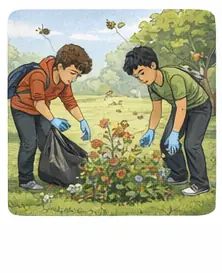
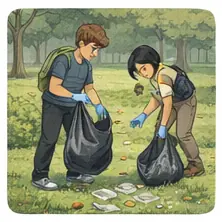
litter-picking daylitter-picking day

everyone picks up litter in the park for one afternoon

A litter-picking day is easy to organise.

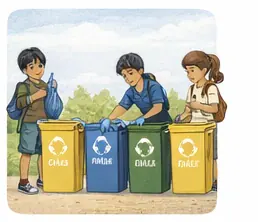
recycling competitionrecycling competition

classes compete to recycle the most bottles and paper

The class that recycles the most wins a prize.

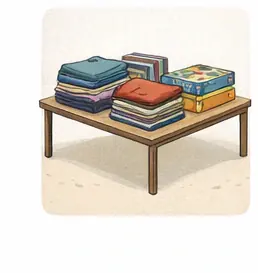
second-hand salesecond-hand sale

people sell old clothes and games instead of throwing them away

At the second-hand sale, Amara bought a jacket for two pounds.

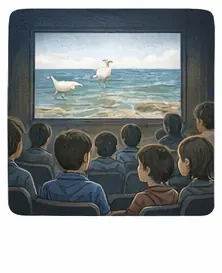
nature film nightnature film night

the school shows a film about animals and the natural world

At the nature film night, we learned about sea birds.

flowers for beesflowers for bees

students plant flowers that bees like around the school

If we plant flowers for bees, more bees will come to the school garden.

المحادثة

Hana So, we need one idea for the school green week. Why don't we have a bike-to-school day?

Theo That's a great idea. I cycle every day anyway! But what about students who live far away?

Hana Good point. They could come by public transport instead.

Theo How about a no-plastic lunch day, too? Everyone brings food in boxes, not plastic bags.

Hana I'm not sure about that. Some families might not have boxes.

Theo I see what you mean. What do you think about the bike day, then?

Hana I think it's the best one, because everyone can take part.

Theo OK, so we both agree. The bike-to-school day it is!

تركيب الجملة

The Green Team wants more young people in Kingsbay to help the environment. Here are some ideas. Talk together about the different ideas and say which one would be the best.

Why don't we start with the recycling competition? If classes compete, lots of students will take part. What do you think?

Talk about each idea, give reasons, ask for your partner's opinion and decide together at the end.

  • Why don't we…?
  • What do you think?
  • I'm not sure about that.
  • If we…, more people will…
  • So, we both agree.

تدريبات إضافية

What will happen if…?

Theo and Amara take part in an online discussion with Hana, Deniz and Lucas.

Hana Welcome to our debate. The question is: can young people really change anything?

Deniz If we only clean beaches, the plastic will come back next week.

Lucas Maybe. But unless someone starts, nothing will change.

Amara People might listen to us if we share our videos. Climate change is a big problem, but small actions may help.

Theo I agree. If more people take public transport, there will be less pollution.

Hana So, will we save the whole planet? Probably not. But we'll definitely change our four schools.

What will happen if we don't pick up the plastic?

If we don't pick it up, it will end up in the sea.

Use the present simple after 'if' or 'unless', and will, might or may in the result.

  • if
  • unless
  • will
  • won't
  • might
  • may
  • definitely
  • probably
  • perhaps

First conditional

  • If + present simple, will / won't + verb
  • If we only clean beaches, the plastic will come back.
  • The result can come first: The plastic will come back if we only clean beaches.

unless = if … not

  • Unless someone starts, nothing will change.
  • = If someone doesn't start, nothing will change.

How sure are you?

  • will definitely / definitely won't = very sure
  • will probably / probably won't = fairly sure
  • might / may / perhaps = not sure

Useful phrases

How did it go?

Your discussion

  • Did you ask for your partner's opinion?
  • Did you give reasons?
  • Did you decide together at the end?
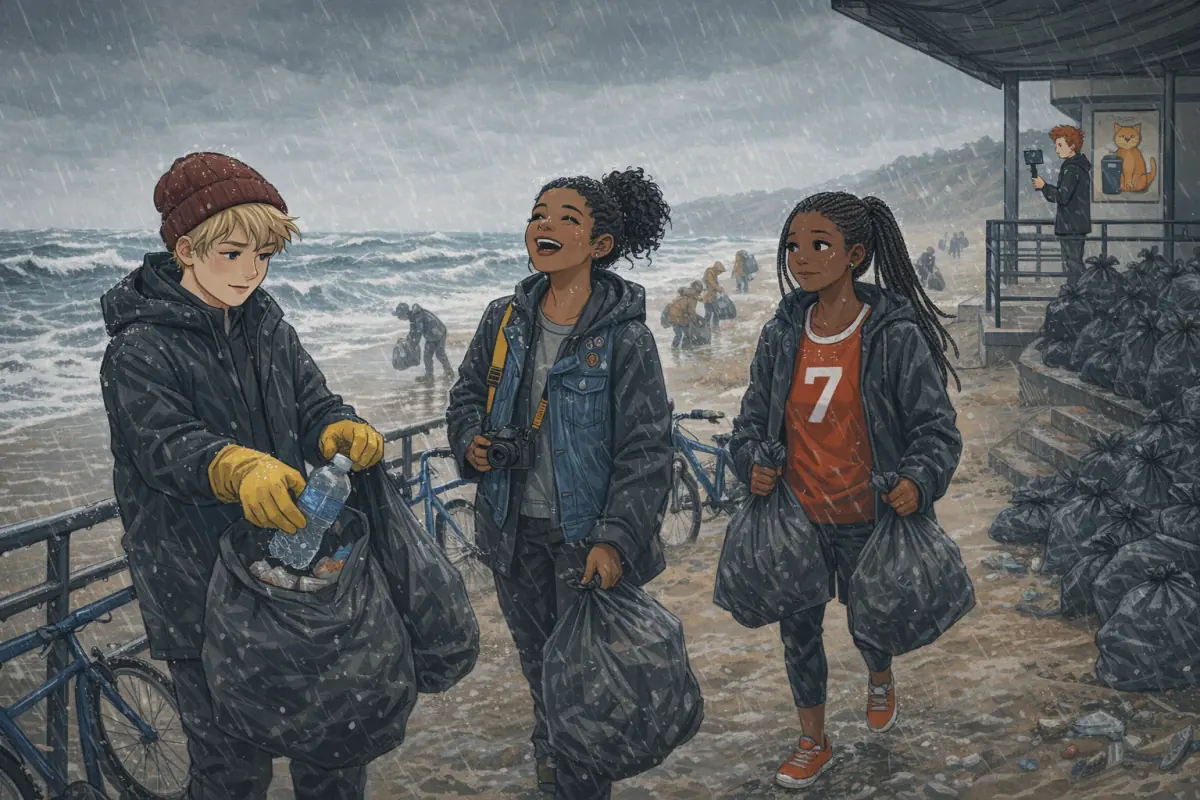
  1. The Green Team picks up litter on Kingsbay beach in heavy rain while Max Carter films them; a poster of Byline hangs by the café.

    Narrator On Saturday, the wind was freezing and the rain didn't stop. But twenty volunteers filled forty bags of rubbish on Kingsbay beach.

    Narrator In Curitiba, Lucas's team cleaned the river on the same day.

    Theo It isn't much, but small actions are a start.

    Narrator That evening, Amara checked her phone.

    Amara Look at this! Max Carter has posted a video of our clean-up, and he's put his own name on it!

تعلّم هذه الوحدة
كيف تريد أن تتعلّم؟

ماذا يحدث في الجزء الثالث من اختبار المحادثة؟

تؤدي اختبار المحادثة مع مرشح آخر أمام ممتحنَين اثنين. في الجزء الثالث تحصلان على ورقة فيها صور، فتتحدثان عن الأفكار معًا وتقرران أيها الأفضل. ثم يواصل الجزء الرابع الموضوع نفسه بأسئلة لكما معًا.

إليك مهمة تدريبية كتبناها بأنفسنا: “Your school wants more young people to help the environment. Here are some ideas. Talk together about the different ideas and say which one would be best.”

  • “a litter-picking day”: جمع القمامة في حديقة عامة
  • “a recycling competition”: منافسة بين الصفوف على إعادة تدوير أكبر كمية
  • “a second-hand sale”: بيع الملابس والألعاب القديمة بدل رميها
  • “a nature film night”: فيلم عن الحيوانات والطبيعة
  • “flowers for bees”: زراعة أزهار يحبها النحل حول المدرسة

ست خطوات تُبقي الحوار مستمرًا

لا تحتاج إلى أفكار عبقرية، بل إلى أن تتقاسم الحديث مع زميلك. استخدم كل خطوة أكثر من مرة:

  • الاقتراح: “Why don’t we have …?” و“How about a …?”
  • ذكر السبب: “I think it’s the best one, because everyone can take part.”
  • الموافقة: “That’s a great idea.” و“Good point.”
  • الاعتراض بلطف مع سبب: “I’m not sure about that.” و“I see what you mean, but …”
  • السؤال عن الرأي: “What do you think?” و“Which one do you prefer?”
  • اتخاذ القرار: “So, we both agree.” و“In the end, the best idea is …”

استمع: من الاقتراح إلى القرار

طالبان يختاران فكرة واحدة لأسبوع البيئة في المدرسة. لاحظ كل خطوة، من أول اقتراح إلى القرار الأخير. وعبارة “The … it is!” طريقة ودودة لتأكيد الاختيار:

الطالب 1 So, we need one idea for the school green week. Why don't we have a bike-to-school day?

الطالب 2 That's a great idea. I cycle every day anyway! But what about students who live far away?

الطالب 1 Good point. They could come by public transport instead.

الطالب 2 How about a no-plastic lunch day, too? Everyone brings food in boxes, not plastic bags.

الطالب 1 I'm not sure about that. Some families might not have boxes.

الطالب 2 I see what you mean. What do you think about the bike day, then?

الطالب 1 I think it's the best one, because everyone can take part.

الطالب 2 OK, so we both agree. The bike-to-school day it is!

اذكر الأسباب باستخدام if وunless وmight

أسرع طريقة لذكر السبب هي first conditional، أي if مع present simple، ثم will مع الفعل. لا تأتي will بعد if مباشرة. استخدم might أو may عندما تكون أقل تأكدًا، وunless بمعنى «إذا لم».

  • “If we have a recycling competition, lots of students will take part.”
  • “If we plant flowers for bees, more bees will come to the school garden.”
  • “A film night might be boring for students who don’t like films.”
  • “Unless the school says yes, we can’t have the sale.” (إذا لم توافق المدرسة …)
تعلّم هذه الوحدة بطريقتك

كلمات بيئية لأسباب أقوى

تعلّم الكلمات مع الكلمات التي تأتي معها عادةً:

  • “pick up litter” (يجمع القمامة)، و“reduce waste” (يقلل النفايات)، و“cause pollution” (يسبب التلوث)
  • “recycle bottles and paper”، و“a recycling bin” (حاوية إعادة التدوير)
  • “protect the beach”، و“Plastic damages rivers.”
  • “volunteers” (متطوعون)، و“public transport” (المواصلات العامة)، و“second-hand clothes” (ملابس مستعملة)

أخطاء شائعة وكيف تصححها

انتبه لها عندما تتدرب (الخطأ قبل السهم، والتصحيح بعده):

  • “If we will plant flowers, more bees will come.” ← “If we plant flowers, …”
  • “I’m agree.” ← “I agree.” تأتي من «أنا موافق»، لكن agree فعل ولا يحتاج إلى am.
  • “Let’s discuss about the ideas.” ← “Let’s discuss the ideas.” الفعل discuss لا يحتاج إلى about.
  • “How about make a film night?” ← “How about a film night?” أو “How about having …?”
  • قول “Yes, I agree.” فقط ← “I agree, because …” ثم فكرة جديدة.
  • لا قرار في النهاية ← “So, our final decision is …”

روتين تدريب من 15 دقيقة

مرتين في الأسبوع مع صديق أو مع أحد والديك، وسجّل الحوار إن استطعت:

  • دقيقتان: اختر موقفًا (رحلة مدرسية، أسبوع البيئة) واكتب خمس أفكار.
  • 4 دقائق: النقاش. يسأل كل منكما “What do you think?” مرتين على الأقل.
  • دقيقة واحدة: القرار بصوت مرتفع: “So, our final decision is …”
  • 5 دقائق: استمع إلى التسجيل، وعُدّ أسبابك وأسئلتك، وصحّح جملة if واحدة.
  • 3 دقائق: أجب عن سؤال مثل أسئلة الجزء الرابع: “Do you think young people can help to protect the environment?”

خطوتك التالية

في الجزء الرابع اذكر رأيًا وسببًا ومثالًا. عندما يصبح النقاش سهلًا، جرّب مقالًا متوازنًا في الجزء الثاني من الكتابة، أو القواعد مع must وdon’t have to (الروابط أدناه).

الأسئلة الشائعة

هل يجب أن نتفق في الجزء الثالث من اختبار المحادثة في B1 Preliminary؟

لا. يمكنك أن تعترض بلطف، لكن حاولا أن تتخذا قرارًا معًا. وإن لم تستطيعا، فقولا ذلك بوضوح: “We don’t agree, but we both like …”

ماذا أفعل إذا تكلم زميلي كثيرًا أو لم يتكلم تقريبًا؟

اطرح عليه سؤالًا: “What do you think about …?” تُقيَّم لغتك الإنجليزية أنت، لا لغة زميلك.

هل الجزء الثالث من اختبار المحادثة هو نفسه في B1 Preliminary for Schools؟

نعم، الشكل نفسه، والموضوعات تُختار لتناسب طلابًا في عمرك.

لا تربط Flalingo علاقة انتساب بـCambridge English، الجهة المقدّمة لامتحانَي A2 Key وB1 Preliminary، ولا تحظى بتأييدها.

تعلّم هذه الوحدة
كيف تريد أن تتعلّم؟

ما الخطوة التالية؟

دروس فردية مع معلم مباشر

في Flalingo، يدرس المراهقون وحدات مثل هذه في درس فردي مع معلم مباشر، وبالسرعة التي تناسبهم.

احجز درسًا تجريبيًا مجانيًا