

انتقل إلى المحتوى
Flalingo

تدريبات على الإنجليزية

القراءة في B1 Preliminary، الجزء الأول، والأفعال الناقصة: should وmust وmustn’t وneedn’t في ست قواعد لأسبوع الامتحانات

A teenager shares out the work at the whiteboard, and a friend points at a surprise email on his laptop.

النصيحة والقاعدة و«لا داعي» في B1 Preliminary وB1 Preliminary for Schools: should وought to وmust وhave to وmustn’t وdon’t have to وneedn’t، وكيف تستعملها الإعلانات في الجزء الأول من القراءة، وست قواعد نموذجية، وأخطاء شائعة.

استخدم should أو ought to للنصيحة، وmust أو have to حين يكون الشيء ضروريًا، وmustn’t حين يكون ممنوعًا، وdon’t have to أو needn’t حين لا يكون ضروريًا. تعلّم هذا الزوج أولًا: “You mustn’t use your phone” تعني أن القواعد تمنع ذلك، أما “You don’t have to bring lunch” فتعني أنك تستطيع إحضاره إن أردت. كثير من الإعلانات في الجزء الأول من القراءة في B1 Preliminary قواعد من هذا النوع. هذا الدليل موجّه إلى طلاب المستوى B1 الذين تتراوح أعمارهم بين 12 و16 عامًا تقريبًا ويستعدون لـB1 Preliminary أو B1 Preliminary for Schools.

لمن هذا المقال؟

  • الطلاب الذين يستعدون لـB1 Preliminary أو B1 Preliminary for Schools، وأعمارهم بين 12 و16 عامًا تقريبًا.
  • تعرف must وshould، لكنك تخلط بين mustn’t وdon’t have to، أو تكتب “must to”.
  • لأولياء الأمور: اقرؤوا لافتة أو قاعدة مدرسية بصوت عالٍ واسألوا ابنكم أو ابنتكم: «نصيحة أم ضروري أم ممنوع أم لا داعي؟» لا تحتاجون إلى إنجليزية ممتازة لذلك.
  • ما زال الوقت مبكرًا: إذا كانت must وmustn’t وdon’t have to لا تزال جديدة عليك، فابدأ بدليل قواعد المدرسة في مستوى A2 Key (الرابط أدناه).
  • سهل جدًا: إذا كنت تستخدم الصيغ السبع كلها بشكل صحيح، ومنها had to وwill have to، فانتقل إلى دليلَي الاستماع والقصة (الروابط أدناه).

افتح الصفحات النموذجية

افتح الصفحات النموذجية

بطاقات الكلمات

exhausted

extremely tired

Zara was exhausted after only four hours of sleep.

advise

tell someone what you think they should do

The nurse advised us to sleep more.

attempt

a try, often at something difficult; also a verb: try to do something difficult

It was Zara's first attempt to share her work.

المحادثة

Zara I'm sorry about yesterday. I've tried to do everything myself, and I'm exhausted.

Amara We know. So let us help. What do you need?

Zara Kai, could you finish the interview videos? Theo, could you write the music? Amara, you don't have to do anything this week. Rest your ankle.

Kai See? Sharing isn't so hard.

Theo And we mustn't forget to sleep!

تركيب الجملة

The Loop's rules

RULES FOR SURVIVING EXAM WEEK 1 You must sleep for at least eight hours. 2 You should take a short break every hour. 3 You don't have to answer messages after ten o'clock. 4 You mustn't drink coffee to stay awake. 5 You ought to go for a twenty-minute walk every day. 6 You needn't do everything alone. Ask for help!

Six short rules. Mix the forms: at least one must, one mustn't, one should or ought to, and one don't have to or needn't. Use your own ideas.

  • You must …
  • You mustn't …
  • You should / ought to …
  • You don't have to / needn't …
  • sleep, breaks, food, exercise, phones, help

تدريبات إضافية

Advice or rule?

You ought to rest your ankle for a week.

ADVICE: ought to = should (Mrs Price)

You should keep your foot up on a cushion.

ADVICE: should + verb (Mrs Price)

Players must wear their team shirts on Saturday.

RULE: must (Coach Bell)

Amara has to see a doctor on Friday.

NECESSARY: have to / has to (Mrs Price)

You don't have to come to training this week.

NOT NECESSARY: don't have to (Coach Bell)

You needn't bring your kit.

NOT NECESSARY: needn't + verb (Coach Bell)

You mustn't play in the final.

NOT ALLOWED: mustn't (Coach Bell)

What's the difference between mustn't and don't have to?

You mustn't play on an injured ankle: it's not allowed. You don't have to come to training: it isn't necessary, but you can if you want.

Should and ought to give advice. Must and have to say something is necessary. Mustn't means: don't do it! Don't have to and needn't mean: it isn't necessary.

  • advice: should / ought to + verb
  • a rule or something necessary: must / have to
  • not necessary: don't have to / needn't
  • not allowed: mustn't
  • ought TO and have TO, but should and must with no to

Five short texts

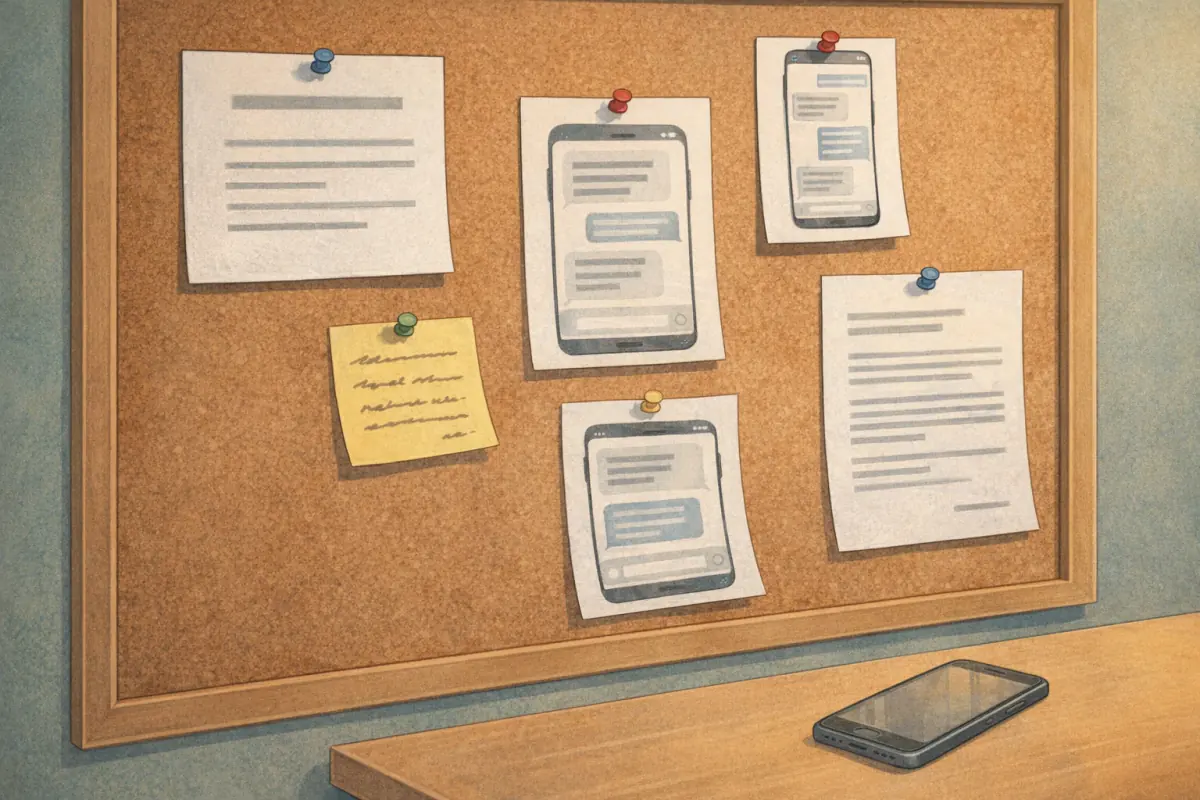
A noticeboard with five short texts: a sign, two messages, a note and a notice.

1 · Sign on the nurse's door

Feeling unwell? Knock and wait. If there is no answer, go to Reception. Please do not come in without knocking.

2 · Message from Hana

Zara, at my school in Busan lots of us study late before exams, and we all get tired. So my class made a rule: phones off at 10 and bed by 11. You ought to try it! Hana

3 · Note from the basketball coach

Amara, you needn't come to training this week. Rest your ankle! But please come and watch the final on Saturday. Coach Bell

4 · Message from Deniz

Our exams in Izmir start next week too! My friends and I study together in the library every afternoon. It's much less stressful than studying alone. Deniz

5 · Notice from Ms Rivera

Loop members: there's no club meeting on Thursday because of the exams. You don't have to bring your filming notes until next week, but you must tell Zara which interview you're working on by Wednesday.

تعلّم هذه الوحدة
كيف تريد أن تتعلّم؟

أربعة معانٍ وسبع صيغ

لكل صيغة معنى واحد من أربعة. حدّد المعنى أولًا، ثم اختر الصيغة:

  • نصيحة: “You should take short breaks.” و“You ought to eat breakfast.”
  • ضروري: “You must switch off your phone.” و“I have to finish my project.”
  • ممنوع: “You mustn’t talk during the exam.”
  • لا داعي: “You don’t have to come.” و“You needn’t bring a pen.”

must أم have to؟ should أم ought to؟

must وhave to متقاربتان جدًا. كثيرًا ما تبدو must قاعدةً مكتوبة أو شعورًا قويًا لدى المتكلم نفسه (“I must call my grandma”)، أما have to فتصف غالبًا قاعدة مفروضة من الخارج (“We have to wear a uniform”). ليس لـmust صيغة ماضٍ ولا مستقبل، فاستخدم had to وwill have to (“Last year we had to stay late”).

should وought to بالمعنى نفسه، لكن should أكثر شيوعًا، خاصة في النفي: “You shouldn’t drink coffee at night.” ولتنصح كما ينصح الصديق قل: “If I were you, I’d ask for help.”

mustn’t أم don’t have to: اختبار سريع

في النفي تفترق الصيغتان: mustn’t تعني «لا تفعل»، أما don’t have to وneedn’t فتعنيان «لا داعي». الاختبار: أضف “but you can if you want.” فإن بقي للجملة معنى، فاستخدم don’t have to أو needn’t. وبالعربية: «يجب ألّا» أو «ممنوع» تقابل “mustn’t”، و«لستَ مضطرًا» أو «لا داعي» تقابل “don’t have to”.

  • “You mustn’t run by the pool. The floor is wet.” ← ممنوع
  • “Lunch is free, so you don’t have to bring food.” ← لا داعي
  • “You needn’t come to training, but come and watch the match.” ← لا داعي

استمع: توزيع العمل في أسبوع مزدحم

طالبة حاولت أن تنجز مشروعًا جماعيًا وحدها تعتذر وتوزّع المهام. لاحظ “could you…?” و“you don’t have to” و“we mustn’t” (حرف t الأول في “mustn’t” لا يُنطق: /mʌsnt/).

المتحدث 1 I'm sorry about yesterday. I've tried to do everything myself, and I'm exhausted.

المتحدث 2 We know. So let us help. What do you need?

المتحدث 1 Kai, could you finish the interview videos? Theo, could you write the music? Amara, you don't have to do anything this week. Rest your ankle.

المتحدث 3 And we mustn't forget to sleep!

القراءة، الجزء الأول: حدّد المعنى أولًا

في الجزء الأول من القراءة تقرأ خمسة نصوص قصيرة، مثل اللافتات والرسائل، وتختار أيّ الخيارات الثلاثة يحمل المعنى نفسه. قبل أن تقرأ الخيارات، حدّد المعنى: نصيحة أم ضروري أم ممنوع أم لا داعي؟ ومن الفخاخ الشائعة خيار يحوّل «لا داعي» إلى «ممنوع». أمثلتنا:

  • “Bags must be left outside the exam room.” ← المعنى: “You can’t take your bag into the exam room.”
  • “No need to bring paper. We’ll give you some.” ← المعنى: “You don’t have to bring paper.” الفخ: “You mustn’t bring paper.”
تعلّم هذه الوحدة بطريقتك

نموذج: ست قواعد لأسبوع الامتحانات

كتابة القواعد تدرّبك على المعاني الأربعة كلها. هذه ليست مهمة من الاختبار: عنوان، وست قواعد مرقّمة، وأربع صيغ مختلفة على الأقل، وكلمتان من الموضوع مثل “stress” أو “exhausted”. نموذجنا:

  • العنوان: “Exam week: six rules to get you through”
  • 1. “You must go to bed by eleven, or you’ll be exhausted.” ← ضروري
  • 2. “You should revise in short blocks with breaks.” ← نصيحة
  • 3. “You mustn’t take your phone to bed.” ← ممنوع
  • 4. “You don’t have to study all weekend.” ← لا داعي
  • 5. “You ought to test yourself, not just read your notes.” ← نصيحة
  • 6. “You needn’t deal with stress alone: talk to a friend.” ← لا داعي

أخطاء شائعة وكيف تصححها

ابحث عنها فيما تكتب (الخطأ قبل السهم، والتصحيح بعده):

  • “You must to sleep more.” ← “You must sleep more.” لا تأتي to بعد must وshould وneedn’t.
  • “She have to rest.” ← “She has to rest.”
  • “Yesterday I must study.” ← “Yesterday I had to study.”
  • “You mustn’t bring food” لشيء اختياري ← “You don’t have to bring food.”
  • “She gave me an advice.” ← “She gave me some advice.” كلمة advice لا تُعدّ، والفعل هو advise: “She advised me to rest.”
  • “I’m very exhausted.” ← “I’m really exhausted.”

روتين من 15 دقيقة لأسبوع الامتحانات

ثلاث أو أربع مرات في الأسبوع:

  • 3 دقائق: حدّد معنى ثلاث قواعد أو إعلانات من حولك.
  • 5 دقائق: نص واحد من الجزء الأول من القراءة في اختبار تدريبي؛ حدّد المعنى قبل قراءة الخيارات.
  • 5 دقائق: ست قواعد عن موضوع جديد، مثل نادٍ رياضي، بالمعاني الأربعة كلها.
  • دقيقتان: اقرأها على أحد أفراد البيت، وليقل “rule” أو “advice”.

خطوتك التالية

استخدم هذه الصيغ في الجزء الأول من اختبار المحادثة أيضًا: “On school nights I have to be in bed by ten.” ثم انتقل إلى دليلَي الاستماع والقصة أدناه.

الأسئلة الشائعة

ما الفرق بين mustn’t وdon’t have to؟

mustn’t تعني «ممنوع»: “You mustn’t use your phone in the exam.” وdon’t have to تعني «لا داعي»: “You don’t have to bring a pen.”

هل ما زالت needn’t مستعملة؟

نعم، خاصة في الإنجليزية البريطانية، أما في الكلام فـdon’t need to أكثر شيوعًا. بعد needn’t يأتي الفعل دون to: “You needn’t come.”

هل في B1 Preliminary قسم خاص بالقواعد؟

لا. تُقاس القواعد داخل أجزاء الاختبار، مثلًا في الجزء السادس من القراءة حيث تكتب كلمة واحدة في كل فراغ.

لا تربط Flalingo علاقة انتساب بـCambridge English، الجهة المقدّمة لامتحانَي A2 Key وB1 Preliminary، ولا تحظى بتأييدها.

تعلّم هذه الوحدة
كيف تريد أن تتعلّم؟

ما الخطوة التالية؟

دروس فردية مع معلم مباشر

في Flalingo، يدرس المراهقون وحدات مثل هذه في درس فردي مع معلم مباشر، وبالسرعة التي تناسبهم.

احجز درسًا تجريبيًا مجانيًا