
انتقل إلى المحتوى
Flalingo

تدريبات على الإنجليزية

ترتيب الصفات في الإنجليزية: كيف تصف الملابس في إعلان “for sale” قصير (A2 Key، من 11 إلى 15 عامًا)

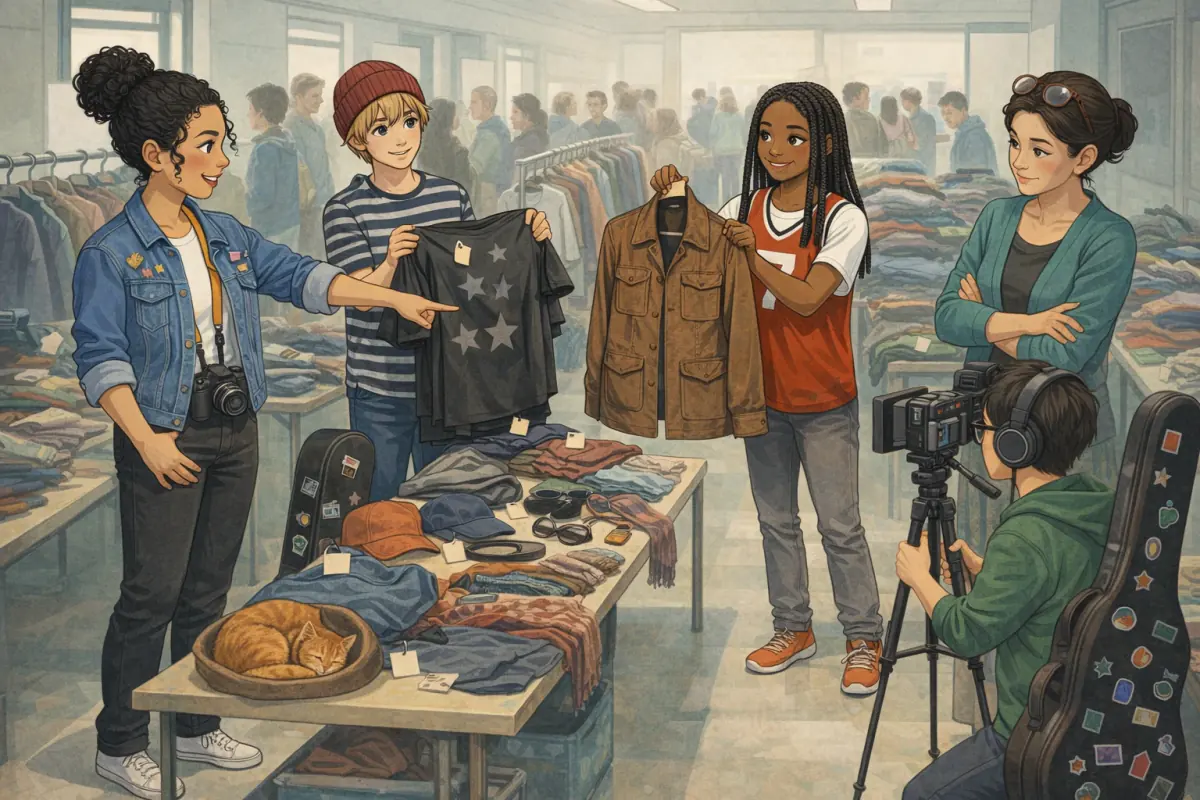
A second-hand market in the school hall: one teenager points at a price tag, another holds old T-shirts, a third holds up a vintage jacket, a fourth films from behind a camera and a teacher watches.

كيف تكتب إعلانًا من 30 إلى 40 كلمة لتبيع شيئًا: مفردات الملابس، وترتيب الصفات مثل “a lovely old blue jacket”، والمقارنة مع “than”، و“too” و“enough”. لامتحانَي A2 Key وA2 Key for Schools، من 11 إلى 15 عامًا.

الإعلان القصير بعنوان “for sale” يعطي المشتري خمس معلومات: الغرض موصوفًا بصفتين أو ثلاث، ومقاسه، وسعره، وسببًا لشرائه، والمكان الذي يأتي إليه. وتأتي الصفات بترتيب ثابت: الرأي، ثم الحجم، ثم العمر، ثم اللون، ثم المادة، مثل “a lovely old blue denim jacket”. والسبب عادةً مقارنة، مثل “It’s much cheaper than a new one.” وهذه المهارات تفيدك أيضًا في A2 Key وA2 Key for Schools، مثلًا في الجزء الثاني من اختبار المحادثة. هذا الدليل للطلاب في المستوى A2، أي المستوى الأساسي، الذين تتراوح أعمارهم بين 11 و15 عامًا تقريبًا.

لمن هذا المقال؟

  • الطلاب الذين تتراوح أعمارهم بين 11 و15 عامًا تقريبًا ويستعدون لامتحان A2 Key أو A2 Key for Schools.
  • من يعرف أسماء الملابس، لكنه غير متأكد أي صفة تأتي أولًا، أو متى يستخدم “-er” ومتى يستخدم “more”.
  • للأهل: يمكنكم المساعدة دون إنجليزية قوية؛ اختاروا قطعة من خزانة الملابس واطلبوا من ابنكم أو ابنتكم أن يبيعها لكم في ثلاث جمل.
  • ما زال الوقت مبكرًا: إذا كانت الرسالة القصيرة التي فيها سبب واحد ما زالت جديدة عليك، فابدأ بدليل الاقتراح لمقصف المدرسة مع “because” (A2).
  • سهل جدًا: إذا صار الوصف والمقارنة سهلين عليك، فانتقل إلى B1، مثلًا إلى دليل قواعد أسبوع الامتحانات مع “mustn’t” و“don’t have to”.

افتح الصفحات النموذجية

افتح الصفحات النموذجية

بطاقات الكلمات

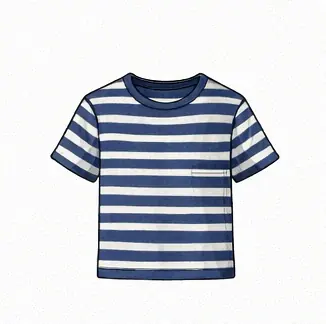
stripedstriped

with lines of different colours

Theo is wearing a dark blue and white striped T-shirt.

wear

to have clothes on your body; He's wearing a hoodie.

Kai wears the same green hoodie every day.

fashion

the kinds of clothes that are popular now

Zara says vintage jackets are in fashion again.

a nice old black T-shirt

what you think + how old + colour + thing

Theo sells a nice old black T-shirt.

a small striped wallet

how big + striped + thing

Zara buys a small striped wallet.

a lovely long red coat

what you think + how big + colour + thing

The girl's mum likes the lovely long red coat.

المحادثة

Ms Rivera Excuse me, can I try on this jacket?

Amara Sure. What size are you?

Ms Rivera Small, I think. How much is it?

Amara It's eight pounds. It looks great on you!

Ms Rivera Thank you! Is it in the sale?

Amara Yes, it is. It's usually ten pounds.

تركيب الجملة

What is for sale?

FOR SALE: a lovely old blue denim jacket with two big pockets. Size: small. Price: £8. It's warmer than a hoodie and much cheaper than new jackets in town. Come to The Loop's market in the school hall on Friday!

The model has 40 words. It says the thing, colour, size, price and a reason to buy.

  • FOR SALE:
  • Size:
  • Price: £
  • It's ...er than ...
  • a lovely old blue ...
  • Come to ...!

تدريبات إضافية

A nice old black T-shirt

stripedstriped

with lines of different colours

Theo is wearing a dark blue and white striped T-shirt.

wear

to have clothes on your body; He's wearing a hoodie.

Kai wears the same green hoodie every day.

fashion

the kinds of clothes that are popular now

Zara says vintage jackets are in fashion again.

a nice old black T-shirt

what you think + how old + colour + thing

Theo sells a nice old black T-shirt.

a small striped wallet

how big + striped + thing

Zara buys a small striped wallet.

a lovely long red coat

what you think + how big + colour + thing

The girl's mum likes the lovely long red coat.

The order

  1. What you think: nice, lovely, cool, great
  2. How big: big, small, long, short
  3. How old: old, new, vintage
  4. Colour or lines: black, red, striped
  5. The thing: T-shirt, jacket, scarf

The market chat

Zara Market chat! Theo, your T-shirts are cheaper than a bus ticket. Two pounds, please!

Theo OK, OK. But my old T-shirts are softer than new ones. People like soft.

Amara The vintage jacket is bigger than my other jackets, but it's better.

Kai My hoodie is older than all of you. And it's not for sale.

Ms Rivera Good news: the market is busier than I thought. But check your prices!

Short words: + er

  • cheap → cheaper
  • old → older
  • soft → softer
  • nice → nicer
  • big → bigger (double g)
  • busy → busier (y → i)

Long words: more + word

  • expensive → more expensive
  • beautiful → more beautiful

Different words

  • good → better
  • bad → worse
  • far → further

Then use than

  • My hoodie is older than all of you.
  • Two pounds is more expensive than one pound.

Check your advert

Is it "a blue lovely jacket" or "a lovely blue jacket"?

A lovely blue jacket: what you think comes first, then colour.

Check: -er or more? than? What you think, size, age, colour, thing.

  • cheaper than
  • more expensive than
  • better than
  • a nice old black ...
تعلّم هذه الوحدة
كيف تريد أن تتعلّم؟

الأجزاء الخمسة لإعلان “for sale”

الإعلان في سوق المدرسة الخيري أو في تطبيق لبيع الأغراض المستعملة يجب أن يساعد المشتري على تخيّل الغرض واتخاذ قراره بسرعة. هذا نموذج من إعدادنا، في نحو 40 كلمة:

  • “FOR SALE: a cool old green hoodie with a big front pocket.” – الغرض: ثلاث صفات وتفصيل واحد.
  • “Size: medium. Price: 5 pounds.” – المعلومات التي ينظر إليها المشتري أولًا.
  • “It’s softer than a new hoodie and much cheaper than the ones in the shops.” – سبب للشراء.
  • “Come to the school market in the hall on Saturday morning!” – المكان والوقت.

مفردات الملابس التي يبحث عنها المشتري

تعلّم أسماء الملابس في مجموعات. الكلمات “jeans” و“shorts” و“trousers” و“sunglasses” تأتي دائمًا بصيغة الجمع حتى لقطعة واحدة: “These jeans are 3 pounds.” “How much are they?” أما بالعربية فنقول «جينز» بصيغة المفرد، لذلك انتبه لهذه النقطة.

  • على الجسم: “T-shirt” أي قميص قصير الأكمام، و“hoodie” أي سترة بغطاء رأس، و“jacket” أي سترة، و“coat” أي معطف، و“dress” أي فستان
  • على الساقين: “jeans” أي بنطال جينز، و“shorts” أي سروال قصير، و“skirt” أي تنورة
  • في القدمين: “trainers” أي حذاء رياضي، وبالإنجليزية الأمريكية “sneakers”، و“boots” أي حذاء طويل الساق
  • إكسسوارات: “cap” أي قبعة بحافة أمامية، و“scarf” أي وشاح، و“belt” أي حزام، و“sunglasses” أي نظارة شمسية، و“wallet” أي محفظة
  • تفاصيل: “pocket” أي جيب، و“striped” أي مخطّط، و“vintage” أي قديم لكنه أنيق، و“denim” أي قماش الجينز، و“leather” أي جلد

ترتيب الصفات: الرأي، الحجم، العمر، اللون، المادة

في الإنجليزية تأتي الصفات قبل الاسم وبترتيب ثابت، وعبارة “a blue lovely jacket” تبدو خطأً فورًا لأصحاب اللغة. وهذا عكس العربية التي تضع الصفة بعد الموصوف، لذلك يكتب كثير من المتعلمين “a jacket blue”. استخدم صفتين أو ثلاثًا، عادةً بلا فواصل، وضع “and” بين لونين: “a blue and white striped T-shirt”.

  • 1 الرأي: “nice”، “lovely”، “cool”
  • 2 الحجم: “big”، “small”، “long”
  • 3 العمر: “old”، “new”، “vintage”
  • 4 اللون أو النقش: “black”، “red”، “striped”
  • 5 المادة: “denim”، “leather”، “wool”
  • ثم الغرض نفسه: “jacket”، “T-shirt”، “scarf”
  • أمثلة: “a nice old black T-shirt”، “a small striped wallet”، “a lovely long red coat”

المقارنة: سبب الشراء

قارن غرضك بشيء يعرفه المشتري: كوّن صيغة المقارنة ثم أضف “than”. وكلمة “much” تقوّيها: “much cheaper than”. انتبه إلى أن “than” تقابل حرف الجر «من» في قولنا «أرخص من»، فلا تكتب “cheaper from”. واستخدم “-er” أو “more”، ولا تجمع بينهما أبدًا.

  • الكلمات القصيرة تأخذ -er: “cheap” تصبح “cheaper”، و“soft” تصبح “softer”
  • المنتهية بـ -e تأخذ -r: “nice” تصبح “nicer”
  • المنتهية بحرف علة واحد ثم حرف ساكن واحد يتضاعف آخرها: “big” تصبح “bigger”
  • المنتهية بـ -y تتحول إلى -ier: “busy” تصبح “busier”
  • الكلمات الطويلة تأخذ “more”: “more expensive”، “more comfortable”
  • الشاذة: “good” تصبح “better”، و“bad” تصبح “worse”

too وenough: عندما لا يناسبك شيء

كلمة “too” بمعنى أكثر من اللازم تأتي قبل الصفة، وكلمة “enough” بمعنى بما يكفي تأتي بعدها. إذا أعجبك شيء فقل “It’s very nice!”، لأن “too” تعني أن هناك مشكلة.

  • “The coat is too long for her.”
  • “It’s 60 pounds and I’ve only got 15 pounds. It’s too expensive.”
  • “These trainers aren’t big enough.”
  • “Is this jacket warm enough for winter?”
تعلّم هذه الوحدة بطريقتك

السؤال عن المقاس والسعر في المتجر

في كشك لبيع الملابس المستعملة، يجرّب أحد الزبائن سترة. انتبه إلى السؤال المهذب والمقاس والسعر.

مع “it” ينفصل الفعل “try on”: نقول “Can I try it on?” وليس “Can I try on it?”. وعبارة “in the sale” تعني أرخص من المعتاد لفترة.

  • £8 تُقرأ “eight pounds”.
  • £2.50 تُقرأ “two pounds fifty”.

Customer Excuse me, can I try on this jacket?

Seller Sure. What size are you?

Customer Small, I think. How much is it?

Seller It's eight pounds. It looks great on you!

Customer Thank you! Is it in the sale?

Seller Yes, it is. It's usually ten pounds.

أخطاء شائعة وطريقة تصحيحها

ابحث عنها عندما تنتهي؛ في كل سطر الخطأ أولًا ثم الصواب. والصفات في الإنجليزية لا تأخذ “-s” أبدًا.

  • خطأ: “a jacket blue” والصواب: “a blue jacket”
  • خطأ: “cheaper from a hoodie” والصواب: “cheaper than a hoodie”
  • خطأ: “a blue lovely jacket” والصواب: “a lovely blue jacket”
  • خطأ: “two bigs pockets” والصواب: “two big pockets”
  • خطأ: “more cheaper than” والصواب: “cheaper than”
  • خطأ: “bigger then a hoodie” والصواب: “bigger than a hoodie”
  • خطأ: “It isn’t enough big.” والصواب: “It isn’t big enough.”
  • خطأ: “How much is these jeans?” والصواب: “How much are these jeans?”

روتينك في 10 دقائق

اختر شيئًا تملكه واكتب إعلانه في 10 دقائق: دقيقتان للتخطيط، و6 دقائق للكتابة، ودقيقتان للمراجعة. ثم اقرأه بصوت مرتفع كأنه إعلان في الراديو.

  • التخطيط: الغرض، الصفات، المقاس، السعر، المقارنة، المكان.
  • تحقق 1: هل الترتيب صحيح: الرأي، الحجم، العمر، اللون، المادة؟
  • تحقق 2: هل استخدمت “-er” أو “more”، لا الاثنين معًا، ثم “than”؟
  • تحقق 3: هل كتبت المقاس والسعر والمكان؟

ما الخطوة التالية؟

في الجزء الثاني من ورقة القراءة والكتابة في A2 Key تطابق سبعة أسئلة مع ثلاثة نصوص قصيرة عن موضوع واحد، مثل ثلاثة متاجر. وكثيرًا ما يذكر نصّان الشيء نفسه، مثل الأسعار، لكن نصًّا واحدًا فقط يجيب عن السؤال. وبعد ذلك: رسالة بريد إلكتروني تخبر فيها صديقًا أين تلتقيان وكيف يصل إلى المكان.

الأسئلة الشائعة

ما ترتيب الصفات في الإنجليزية؟

الرأي، ثم الحجم، ثم العمر، ثم الشكل، ثم اللون، ثم الأصل، ثم المادة، ثم الغرض من الاستخدام، وبعدها الاسم: “a lovely old blue denim jacket”. وتكفي عادةً صفتان أو ثلاث.

متى أستخدم “-er” ومتى أستخدم “more” في المقارنة؟

تُستخدم “-er” مع الكلمات ذات المقطع الواحد مثل “cheaper”، ومع الكلمات ذات المقطعين المنتهية بـ -y مثل “busier”؛ وتُستخدم “more” مع معظم الكلمات الأطول مثل “more expensive”. أما “good” و“bad” فتصبحان “better” و“worse”.

ما الفرق بين “for sale” و“on sale” و“in the sale”؟

عبارة “for sale” تعني أن شخصًا يبيع الغرض. وفي الإنجليزية البريطانية تعني “in the sale” أنه مخفّض لفترة، أما في الإنجليزية الأمريكية فيقال “on sale” لهذا المعنى. وفي الإنجليزية البريطانية كثيرًا ما تعني “on sale” فقط أنه متاح للشراء في المتاجر.

لا تربط Flalingo علاقة انتساب بـCambridge English، الجهة المقدّمة لامتحانَي A2 Key وB1 Preliminary، ولا تحظى بتأييدها.

تعلّم هذه الوحدة
كيف تريد أن تتعلّم؟

ما الخطوة التالية؟

دروس فردية مع معلم مباشر

في Flalingo، يدرس المراهقون وحدات مثل هذه في درس فردي مع معلم مباشر، وبالسرعة التي تناسبهم.

احجز درسًا تجريبيًا مجانيًا