انتقل إلى المحتوى
Flalingo

تدريبات على الإنجليزية

going to للخطط والتوقعات بالإنجليزية للأطفال (المستوى A2، من 9 إلى 12 سنة): خطة نزهة لمراقبة الحيوانات بجمل موضوع واضحة

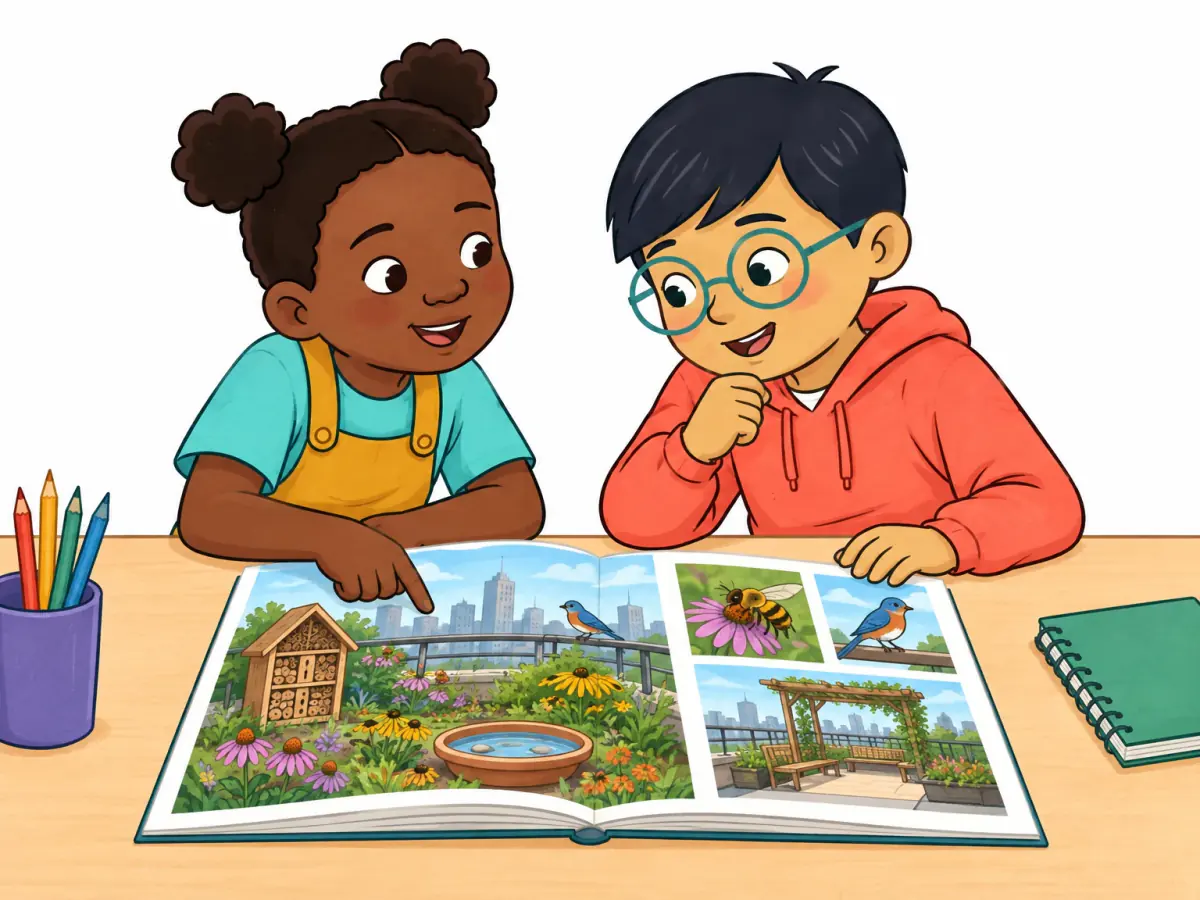
A wildlife article shows a city rooftop designed for insects and birds, with a shallow water dish, native flowers and observation area.

ساعد طفلك بين 9 و12 سنة (المستوى A2) على استخدام going to للخطط وللتوقعات التي يرى علاماتها، من “It’s going to rain.” إلى خطة من فقرتين لنزهة لمراقبة الحيوانات، تبدأ كل فقرة فيها بجملة موضوع واضحة.

تؤدي “going to” في الإنجليزية مهمتين: خطة وُضعت مسبقًا مثل “We are going to observe the otters.”، وتوقعًا مبنيًا على شيء تراه الآن مثل “Look at those dark clouds! It is going to rain.” والصيغة واحدة في الحالتين: am أو is أو are ثم going to ثم الفعل في صورته الأساسية. هذا موضوع من المستوى A2 يناسب الأطفال من نحو 9 إلى 12 سنة الذين يكتبون جملًا بسيطة. وينتهي بخطة من فقرتين لنزهة لمراقبة الحيوانات، تبدأ كل فقرة فيها بجملة موضوع.

لمن هذا المقال؟

  • أهل الأطفال الذين يكتبون جملًا بسيطة: يستطيع طفلك أن يقول ماذا فعل أمس وماذا يريد أن يفعل في عطلة نهاية الأسبوع.
  • الأطفال الذين يحبون الحيوانات أو نزهات الطبيعة أو زيارة حديقة الحيوان: خطة النزهة تعطي القواعد هدفًا حقيقيًا.
  • الأهل الذين يريدون التدرب في البيت: تكفي نافذة ونشرة جوية وقلم، وفي البطاقات على هذه الصفحة تسجيل لكل كلمة.
  • مبكر جدًا: إذا كان طفلك لا يربط فكرتين بعد بـ and أو but أو so أو because، فابدأ بأدوات الربط في نص عن بيت صديق للبيئة (الرابط أدناه).
  • سهل جدًا: إذا كان يكتب الخطط في فقرات بجمل افتتاحية واضحة، فانتقل إلى الكلام المنقول في تقرير إخباري (الرابط أدناه).

افتح الصفحات النموذجية

افتح الصفحات النموذجية

بطاقات الكلمات

enclosure

a protected area where an animal is kept

picnic area

a place prepared for people to eat outdoors

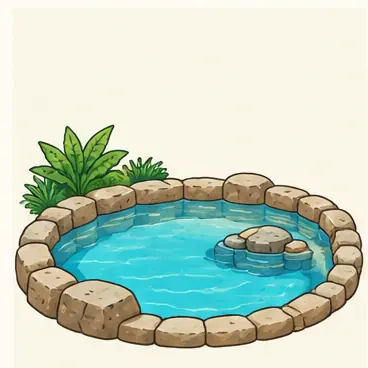
poolpool
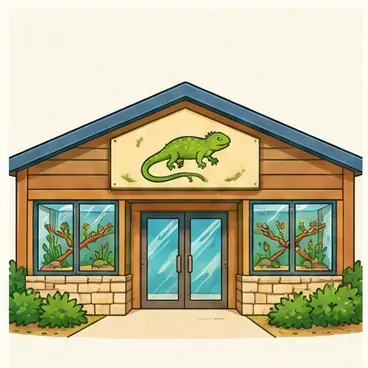
reptile housereptile house
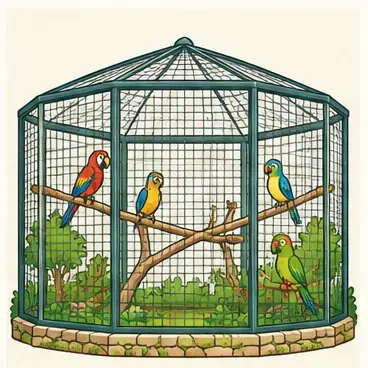
aviaryaviary
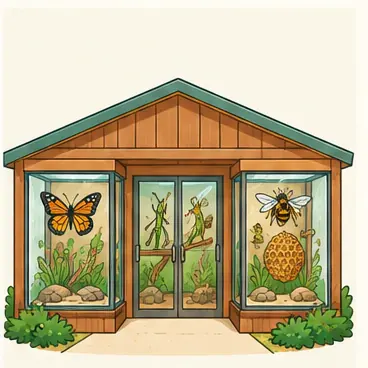
insect houseinsect house
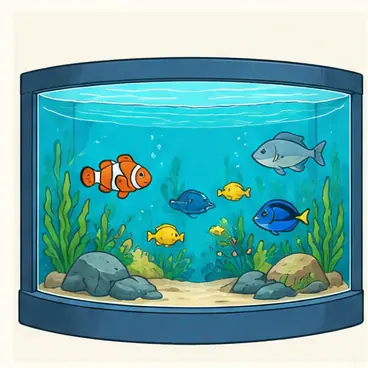
aquariumaquarium
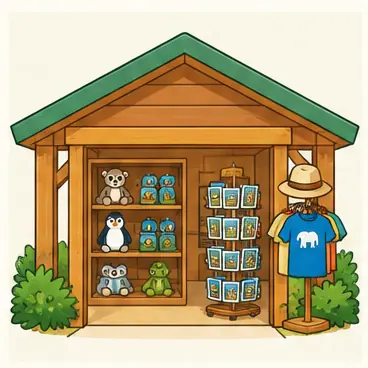
gift shopgift shop
What are you going to observe?

Study how this model connects form with meaning.

We are going to observe the otters, and it is going to get dark soon.

Study how this model connects form with meaning.

The keeper is going to check the enclosure.

Study how this model connects form with meaning.

I am not going to touch the animals.

Study how this model connects form with meaning.

المحادثة

Leo What are you going to observe?

Nia We are going to observe the aviary. Look at those dark clouds! It is going to rain.

Nia What is the keeper going to do?

Leo She is going to check the enclosure.

Leo Are we going to feed the birds?

Nia No. We are going to watch from the path.

تركيب الجملة

What are you going to observe?

We are going to observe the otters, and it is going to get dark soon.

  • The keeper is going to check the enclosure.
  • I am not going to touch the animals.

تدريبات إضافية

Use the contrast

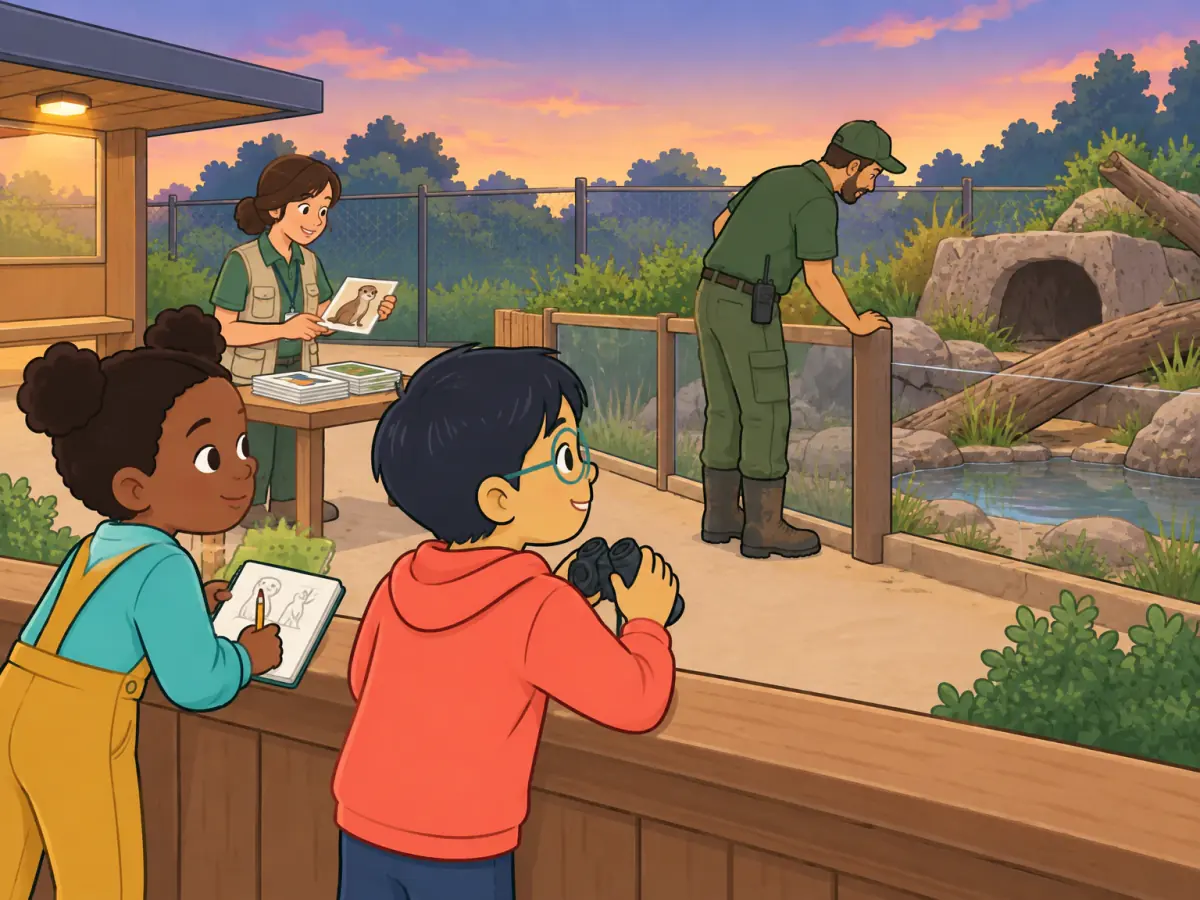
A twilight work plan shows an adult keeper checking an enclosure, a presenter preparing picture cards and Nia and Leo planning observations from behind a barrier.

Leo What are you going to observe?

Nia We are going to observe the otters, and it is going to get dark soon.

Nia What is the keeper going to do?

Leo He is going to check the enclosure.

Leo Are we going to feed the otters?

Nia No. We are going to watch from the path.

What are you going to observe?

We are going to observe the otters, and it is going to get dark soon.

  • The keeper is going to check the enclosure.
  • I am not going to touch the animals.

A small roof with many visitors

A wildlife article shows a city rooftop designed for insects and birds, with a shallow water dish, native flowers and observation area.

A SMALL ROOF WITH MANY VISITORS

One city library is going to turn a flat roof into a small wildlife stop. The first area will contain native flowers for insects. A shallow pool will provide water, and a covered corner will shelter birds. Visitors are going to watch from a marked path. The project is not a zoo: wild animals can arrive and leave freely. The main goal is to create a safe link between larger habitats.

Plan aloud

A wildlife article shows a city rooftop designed for insects and birds, with a shallow water dish, native flowers and observation area.

Nia What will each paragraph explain?

Leo The first paragraph will explain why the walk helps, and the second will say what we are going to do.

Leo How will each paragraph start?

Nia Each paragraph will start with a clear topic sentence.

What will each paragraph explain?

OUR TWILIGHT WILDLIFE WALK The walk will help visitors notice animals safely. First, we are going to observe insects near native flowers. Next, we will watch birds from the marked path. We are not going to touch or feed wildlife.

  • topic sentence
  • separate details
  • going to plan
  • safe article

Draft and revise

A wildlife article shows a city rooftop designed for insects and birds, with a shallow water dish, native flowers and observation area.

Nia Who will read your text?

Leo Families who visit the park will read my article.

Leo What will you check?

Nia I will check my spelling and punctuation.

What will each paragraph explain?

OUR TWILIGHT WILDLIFE WALK The walk will help visitors notice animals safely. First, we are going to observe insects near native flowers. Next, we will watch birds from the marked path. We are not going to touch or feed wildlife.

  • topic sentence
  • separate details
  • going to plan
  • safe article
تعلّم هذه الوحدة
كيف تريد أن تتعلّم؟

كلمات حديقة الحيوانات البرية

كلمة enclosure تعني مساحة محمية ومسيّجة يُحفظ فيها حيوان. وكثير من أسماء الأماكن كلمتان متجاورتان، والأولى تصف الثانية: “reptile house” تعني بيت الزواحف، أي عكس ترتيب الإضافة في العربية. ويقع النبر عادةً على الكلمة الأولى: REPtile house وGIFT shop وPICnic area.

  • aviary – قفص كبير أو مبنى للطيور
  • aquarium – أحواض للأسماك وحيوانات الماء
  • reptile house, insect house – بيت الزواحف وبيت الحشرات
  • pool – بركة لثعالب الماء أو البطاريق
  • picnic area, gift shop – منطقة النزهة ومتجر الهدايا التذكارية

going to للخطط: قرار اتُّخذ قبل الكلام

لشيء تقرر مسبقًا نستخدم am أو is أو are ثم going to ثم الفعل الأساسي: “The keeper is going to check the enclosure.” وفي الكلام يُختصر الجزء الأول عادةً: “We’re going to…” و“She’s going to…”. في العربية نقول «نحن ذاهبون» بلا فعل يقابل are، لذلك ينساه الأطفال كثيرًا. وقد يسمع طفلك “gonna” في الأغاني؛ هذا كلام سريع وعفوي، أما في الكتابة فنستخدم “going to” كاملة.

going to للتوقعات: حين ترى العلامات

الصيغة نفسها تتوقع ما سيحدث بناءً على علامة يراها المتكلم الآن، مثل سماء تُظلم: “It is going to get dark soon.” اسأل طفلك: «ما الذي تراه ويجعلك تقول ذلك؟» فإن كان لديه جواب فـ going to مناسبة. وفي العربية تؤدي السين و«سوف» المهمتين معًا: «سنراقب الطيور» و«ستمطر»، وهذا يسهّل الفهم. أما “will” فتتوقع أيضًا، لكنها غالبًا تخمين، وكثيرًا ما تأتي مع “I think”: “I think it will be sunny tomorrow.” وفي الحوار أدناه يؤدي جواب واحد المهمتين.

Leo What are you going to observe?

Nia We are going to observe the aviary. Look at those dark clouds! It is going to rain.

السؤال والنفي والإجابة القصيرة

في السؤال تتقدم am أو is أو are: “Are we going to feed the birds?” والإجابة القصيرة تكرر هذا الفعل فقط: “Yes, we are.” “No, we aren’t.” والنفي يضيف “not”: “I am not going to touch the animals.” والخطط المنفية قواعد سلامة جيدة.

Nia What is the keeper going to do?

Leo She is going to check the enclosure.

Leo Are we going to feed the birds?

Nia No. We are going to watch from the path.

كلمات الأشخاص بـ -er و-or

كثير من الأفعال تصبح كلمة تدل على شخص بإضافة -er أو -or، كما يصوغ وزن «فاعل» في العربية «زائر» من «زار». فمن يعتني بالحيوانات (keep) هو keeper، أي راعي الحيوانات. والنهايتان تُنطقان بالصوت نفسه، لذلك يُحفظ إملاء كل كلمة وحدها.

  • keep → keeper (راعي الحيوانات)، sing → singer (مغنٍّ)
  • present → presenter (مقدّم)
  • visit → visitor (زائر)، act → actor (ممثل)
  • invent → inventor (مخترع)
تعلّم هذه الوحدة بطريقتك

جملة الموضوع: الفكرة الرئيسة أولًا

تفتتح جملة الموضوع الفقرة وتقول عمّ تتحدث، والجمل الأخرى تضيف التفاصيل. إنها الفكرة الرئيسة التي يبحث عنها الأطفال في دروس القراءة، لكنها توضع هنا في البداية. يبدأ مقال قصير عن سطح مكتبة هكذا: “One city library is going to turn a flat roof into a small wildlife stop.” ثم تأتي التفاصيل: أزهار للحشرات، وبركة ضحلة، وملجأ للطيور.

تحتاج خطة النزهة إلى فقرتين: لماذا تفيد النزهة، ثم ماذا ستفعل المجموعة. “The walk will help visitors notice animals safely.” “Here is what we are going to do. First, we are going to observe insects near native flowers. Next, we are going to watch birds from the marked path. We are not going to touch or feed any animals.”

الخطة تذكر النوايا لا النتائج: “We are going to put up a bird box.” وليس “We saved the birds.”

أخطاء شائعة وطرق سهلة لتصحيحها

هذه الأخطاء طبيعية في المستوى A2: أعِد الجملة صحيحة وتابعا.

  • “We going to watch the birds.”: أضف are: “We are going to watch the birds.”
  • “It is going to rained.”: استخدم الفعل الأساسي: “It is going to rain.”
  • “The keeper are going to check it.”: الشخص الواحد يأخذ is.
  • “Visiter” و“inventer”: الكلمتان تنتهيان بـ -or.
  • فقرة تبدأ بتفصيل مثل “There is a pool.”: ابدأ بالفكرة الرئيسة.

لعبة في البيت: محققو الطقس ومخططو الرحلات

قبل أي خروج يقول لك طفلك ثلاث خطط بـ going to وقاعدة سلامة واحدة بـ “not”. ثم انظرا من النافذة وتوقعا شيئًا واحدًا بناءً على علامة: “Look at the sky. It is going to rain, so we are going to take our coats.” وبعد العودة تحققا معًا: أيّ الخطط تحققت، وهل صدق التوقع؟

الخطوة التالية

بعد ذلك يتعلم طفلك أن يعترض بأدب أثناء التخطيط لخريطة حديقة، ثم أن ينقل ما قاله الآخرون في تقرير إخباري قصير.

الأسئلة الشائعة

ما الفرق بين “going to” و“will”؟

going to لخطة وُضعت قبل الكلام أو لتوقع مبني على علامة ظاهرة مثل “It is going to rain.” أما will فشائعة في التخمين مثل “I think it will be fun.” وفي القرار الذي يُتخذ في اللحظة نفسها مثل “I’ll help you.”

هل “gonna” إنجليزية صحيحة؟

هكذا تُسمع going to في الكلام السريع العفوي: من الجيد أن يتعرّف إليها طفلك، لكن في الكتابة تُستخدم الصيغة الكاملة. وهي لا تحل محل going to إلا قبل فعل، لذلك فـ “I’m gonna the park” خطأ.

ما جملة الموضوع؟

هي الجملة، الأولى عادةً، التي تخبر القارئ عمّ تتحدث الفقرة. ولو قرأت الجمل الأولى وحدها لفهمت الأفكار الرئيسة.

تعلّم هذه الوحدة
كيف تريد أن تتعلّم؟

ما الخطوة التالية؟

التعلّم مع معلم مباشر

في دروس Flalingo للأطفال، يتدرّب طفلك على وحدات مثل هذه في درس فردي مع معلم مباشر، من خلال ألعاب على الشاشة نفسها.

احجز درسًا تجريبيًا مجانيًا