انتقل إلى المحتوى
Flalingo

تدريبات على الإنجليزية

تقديم الاقتراحات بالإنجليزية للأطفال (المستوى A2، من 9 إلى 12 سنة): Why not وHow about وWhat about في مطوية عن إعادة التدوير

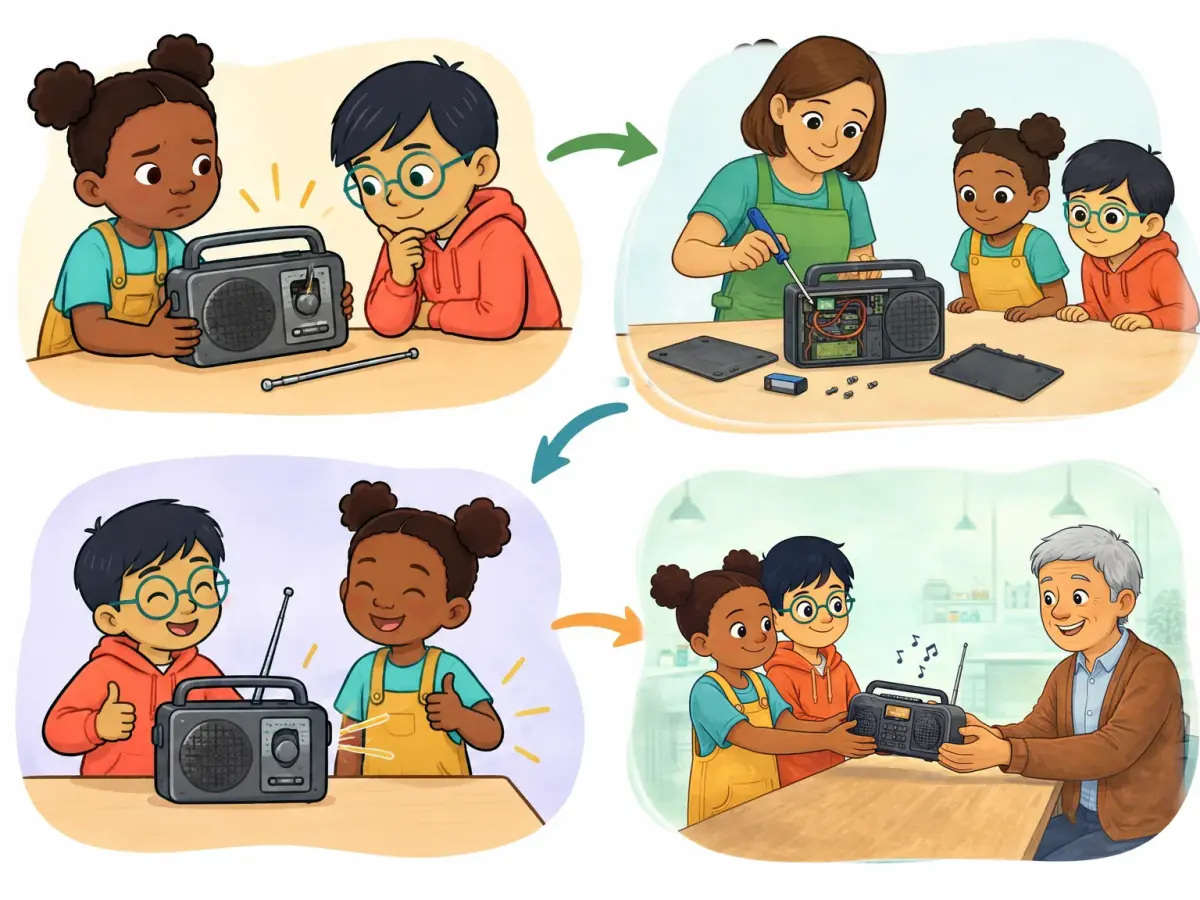
A four-panel repair-café story: the radio will not switch on, an adult volunteer opens it and removes the battery while two children watch, the radio plays again, and the children hand it back to its happy owner.

ساعد طفلك بين 9 و12 سنة (المستوى A2) على تقديم اقتراحات بالإنجليزية باستخدام Why not وHow about وWhat about، وعلى إضافة سبب لكل اقتراح باستخدام will، وكتابة مطوية فيها ثلاث أفكار عن الإصلاح وإعادة الاستخدام وإعادة التدوير.

لتقديم اقتراح بالإنجليزية يستخدم الأطفال ثلاث بدايات قصيرة: “Why not” + فعل (“Why not repair a broken lamp?”)، و“How about” أو “What about” + -ing (“How about reusing carrier bags?”). ثم يأتي السبب، وغالبًا مع will: “It will stay useful for longer.” هذا موضوع من المستوى A2 يناسب الأطفال من نحو 9 إلى 12 سنة الذين يكتبون جملًا بسيطة. وينتهي بمطوية قصيرة فيها ثلاث أفكار آمنة للإصلاح وإعادة الاستخدام وإعادة التدوير.

لمن هذا المقال؟

  • أهل الأطفال الذين يكتبون جملًا بسيطة: يستطيع طفلك أن يقول ماذا سيفعل في عطلة نهاية الأسبوع ولماذا.
  • الأطفال الذين يحبون الإصلاح والصنع والفرز: مطوية الإصلاح تمنح الاقتراحات قارئًا حقيقيًا.
  • الأهل الذين يريدون التدرب في البيت: تكفي لعبة مكسورة ووعاء زجاجي فارغ وسلة إعادة التدوير، وفي البطاقات في هذه الصفحة تسجيل لكل كلمة.
  • مبكر جدًا: إذا كان طفلك لا يربط فكرتين بـ“so” أو “because” بعد، فابدأ بأدوات الربط في نص عن بيت صديق للبيئة (الرابط أدناه).
  • سهل جدًا: إذا كان يكتب اقتراحات مع أسبابها دون مساعدة، فانتقل إلى الجمل الرئيسية في خطة لمراقبة الحياة البرية (الرابط أدناه).

افتح الصفحات النموذجية

افتح الصفحات النموذجية

بطاقات الكلمات

recycling centre

a place that sorts used materials for recycling

bottle bank

a container where glass bottles are collected for recycling

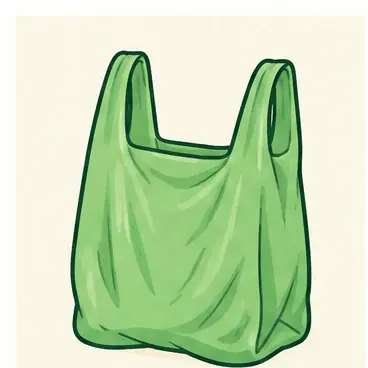
carrier bagcarrier bag
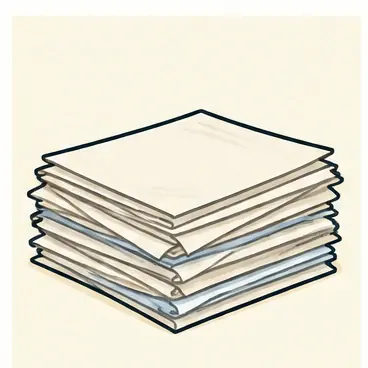
paperpaper
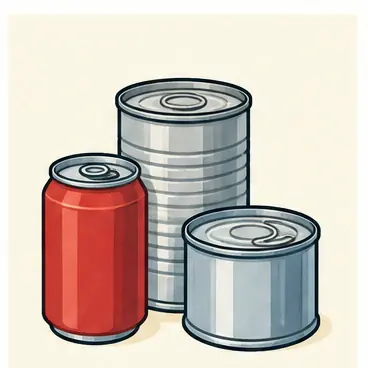
metalmetal
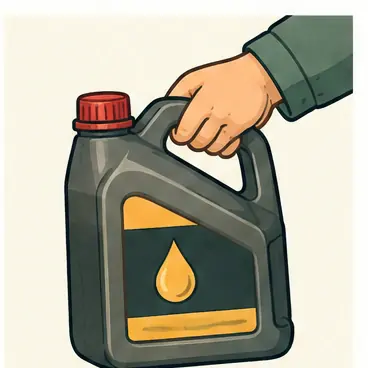
oiloil
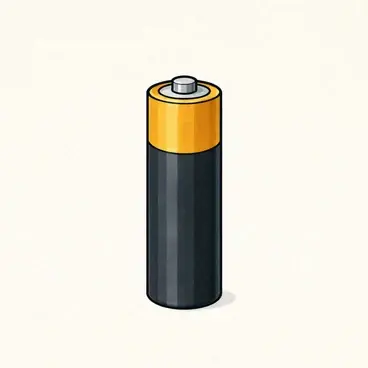
batterybattery
chemicals

substances that need careful identification and safe handling

What will happen to the broken lamp?

Study how this model connects form with meaning.

We will repair it, and we are meeting the technician on Saturday.

Study how this model connects form with meaning.

We will not put batteries in this bin.

Study how this model connects form with meaning.

I am taking the bottles tomorrow.

Study how this model connects form with meaning.

المحادثة

Nia What will happen to the broken lamp?

Leo We will repair it with the technician on Saturday. Before that, we are taking the bottles tomorrow afternoon.

Leo Will we take the batteries?

Nia Yes, but an adult will carry them safely.

Nia When are you visiting the bottle bank?

Leo I am going there tomorrow afternoon.

تركيب الجملة

What will happen to the broken lamp?

We will repair it, and we are meeting the technician on Saturday.

  • We will not put batteries in this bin.
  • I am taking the bottles tomorrow.

تدريبات إضافية

Use the contrast

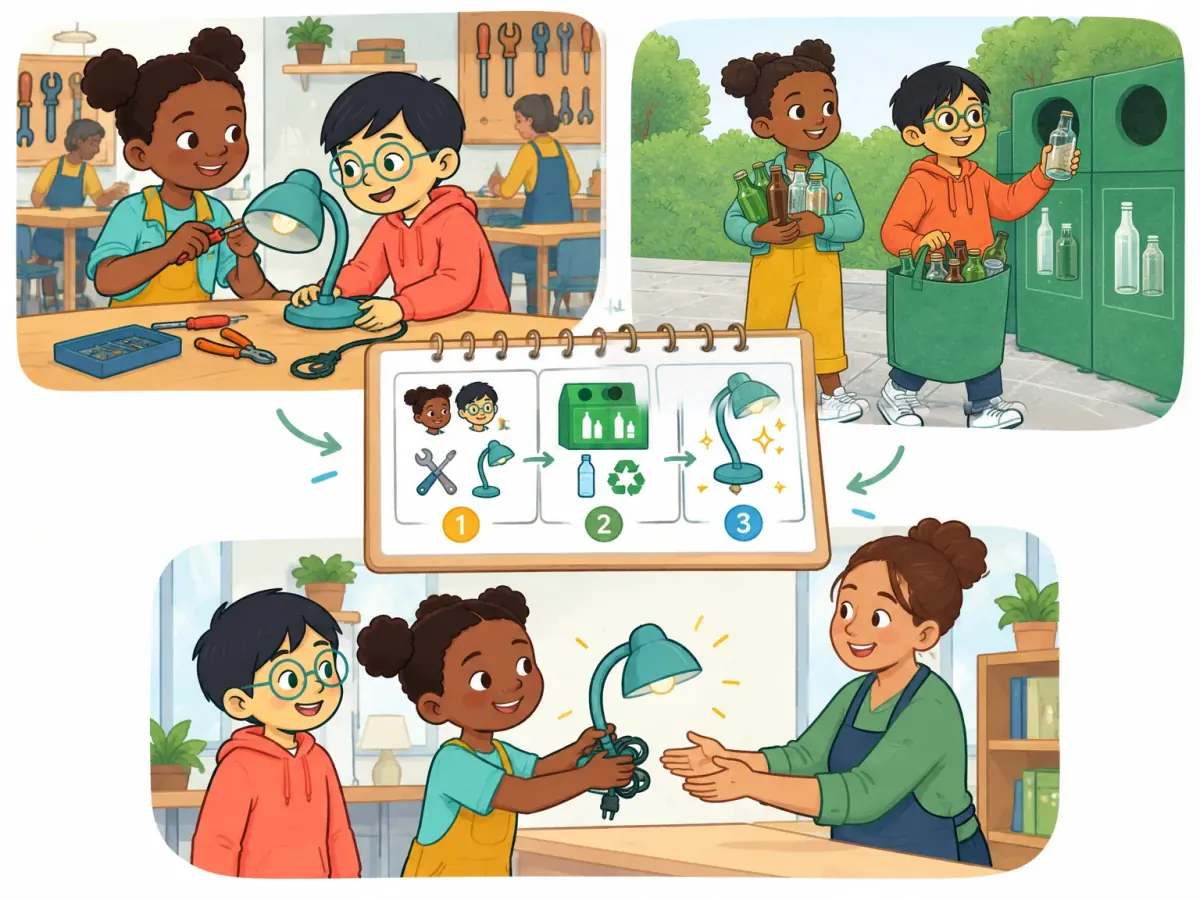
A weekend planning board: Nia and Leo repair a lamp at the repair café, take glass bottles and jars to the bottle bank, and hand the repaired lamp back to its owner.

Nia What will happen to the broken lamp?

Leo We will repair it, and we are meeting the technician on Saturday.

Leo Will we take the batteries?

Nia Yes, but an adult will carry them safely.

Nia When are you visiting the bottle bank?

Leo I am going there tomorrow afternoon.

What will happen to the broken lamp?

We will repair it, and we are meeting the technician on Saturday.

  • We will not put batteries in this bin.
  • I am taking the bottles tomorrow.

A radio gets another chance

A four-panel repair-café story: the radio will not switch on, an adult volunteer opens it and removes the battery while Nia and Leo watch, the radio plays again, and the children hand it back to its happy owner.

A RADIO GETS ANOTHER CHANCE

A radio at our repair café would not switch on. A volunteer first removed the battery safely. Next, she cleaned one loose connection and tested the radio. It played again, so it did not need recycling. The owner will reuse it at home. If it breaks beyond repair one day, a specialist centre will separate its metal, plastic and chemicals safely.

Plan aloud

A four-panel repair-café story: the radio will not switch on, an adult volunteer opens it and removes the battery while Nia and Leo watch, the radio plays again, and the children hand it back to its happy owner.

Nia What suggestions will your leaflet give?

Leo It will suggest three things: repair broken items, reuse bags and take batteries to a specialist centre.

Leo What will you add after each suggestion?

Nia I will add a reason for each one.

What suggestions will your leaflet give?

GIVE OBJECTS ANOTHER CHANCE Why not repair a broken item? It will stay useful for longer. How about reusing carrier bags and clean paper? This will reduce waste. What about taking batteries and oil to a specialist centre? It will keep dangerous chemicals out of ordinary rubbish.

  • heading
  • Why not / How about / What about
  • a reason for each suggestion
  • safe audience advice

Draft and revise

A four-panel repair-café story: the radio will not switch on, an adult volunteer opens it and removes the battery while Nia and Leo watch, the radio plays again, and the children hand it back to its happy owner.

Nia Who will read your text?

Leo Visitors to the repair café will read my leaflet.

Leo What will you check?

Nia I will check my spelling and punctuation.

What suggestions will your leaflet give?

GIVE OBJECTS ANOTHER CHANCE Why not repair a broken item? It will stay useful for longer. How about reusing carrier bags and clean paper? This will reduce waste. What about taking batteries and oil to a specialist centre? It will keep dangerous chemicals out of ordinary rubbish.

  • heading
  • Why not / How about / What about
  • a reason for each suggestion
  • safe audience advice
تعلّم هذه الوحدة
كيف تريد أن تتعلّم؟

كلمات إعادة التدوير والإصلاح في هذا الموضوع

“recycling centre” مكان يأخذ إليه الناس المواد المستعملة لكي تُفرز، و“bottle bank” حاوية كبيرة للزجاجات والأوعية الزجاجية. أما “repair café” فهو لقاء مجاني في الغالب يساعد فيه متطوعون الناس على إصلاح الأشياء المكسورة.

“paper” و“metal” و“oil” أسماء غير معدودة. في العربية نقول “ورقة” للورقة الواحدة، لكن في الإنجليزية نقول “a piece of paper”، لأن “a paper” تعني صحيفة.

  • carrier bag – كيس التسوق الذي تأخذه من المتجر
  • battery – بطارية، وجمعها batteries
  • chemicals – مواد كيميائية يتعامل معها شخص بالغ بحذر

ثلاث طرق لتقديم اقتراح

لكل بداية صيغة فعل خاصة بها. بعد “Why not” يأتي الفعل في صيغته الأساسية دون “to”: “Why not repair a broken item?” تبدو سؤالًا لكنها لا تسأل عن سبب، فهي اقتراح مثل قولنا بالعربية “لماذا لا تصلحه؟”. وبعد “How about” و“What about” تأتي صيغة -ing أو اسم: “How about reusing carrier bags?” “What about a swap shelf for old toys?” وهذا يشبه قولنا “ما رأيك في إعادة استخدام الأكياس؟”، إذ يأتي المصدر بعد “في”، فصيغة -ing هنا تؤدي عمل المصدر. تنتهي البدايات الثلاث بعلامة استفهام، والرد اللطيف هو “Good idea!”

  • Why not + فعل: “Why not fix your bike?”
  • How about + -ing: “How about giving old books to the library?”
  • What about + -ing: “What about taking the bottles to the bottle bank?”
  • ومن الشائع أيضًا: “Why don’t you repair it?”

أضف سببًا لكل اقتراح

يقنع الاقتراح حين تقول الجملة التالية ما الفائدة التي سيجلبها. في المستوى A2 استخدم “It will…” أو “This will…”: “How about reusing paper? This will reduce waste.”

يجب أن يشرح السبب ذلك الفعل نفسه. “Why not repair your bike? Glass can be recycled.” جملة صحيحة، لكنها لا تشرح الاقتراح. اسأل طفلك: ماذا يحدث لو فعل الناس هذا؟ والجواب هو السبب.

will أم am/are + -ing؟ الحديث عما سيحدث

تعبّر “will” عن نتيجة أو قرار: “What will happen to the broken lamp?” “We will repair it.” والنفي “will not” أو “won’t”: “We will not put batteries in this bin.”

أما am أو is أو are + -ing مع كلمة تدل على الزمن فتعبّر عن خطة متفق عليها مسبقًا: “I am taking the bottles tomorrow.” في العربية نقول “آخذ الزجاجات غدًا” بالفعل المضارع، فيسهل على الطفل أن يقول “I take the bottles tomorrow.”، بينما تبدو صيغة -ing أكثر طبيعية في الإنجليزية للخطة المتفق عليها. ومن دون “tomorrow” تبدو الجملة وكأنها تحدث الآن. بعد الاستماع مرة واحدة اسأل “Which happens first, the bottles or the repair?” (الجواب: the bottles).

Nia What will happen to the broken lamp?

Leo We will repair it with the technician on Saturday. Before that, we are taking the bottles tomorrow afternoon.

Nia When are you visiting the bottle bank?

Leo I am going there tomorrow afternoon.

كلمات تبدأ بـ re-: مرة أخرى، أو رجوع، أو لا هذا ولا ذاك

يظن الأطفال غالبًا أن re- تعني دائمًا “مرة أخرى”. هذا صحيح في “reuse” و“retell” و“rewrite”، لكن “return” تعني يُرجِع أو يعود، و“remove” تعني ببساطة يُزيل. فـ“reuse” استخدام الشيء مرة أخرى كما هو، أما “recycle” فتعني أن المادة تُعالَج وتتحول إلى شيء جديد.

  • “Reuse the jar.” – احتفظ به للأقلام
  • “Recycle the jar.” – يصبح زجاجه زجاجًا جديدًا
تعلّم هذه الوحدة بطريقتك

كتابة مطوية قصيرة وآمنة

تخاطب المطوية قارئًا حقيقيًا، مثل زوار يوم للإصلاح في المدرسة: عنوان، ثم ثلاثة اقتراحات، لكل منها بداية مختلفة وسبب خاص بها. نموذج: “GIVE OLD THINGS A SECOND LIFE. Why not repair a broken toy? It will stay useful for longer. How about reusing jars? This will reduce waste. What about taking old batteries to a collection point? It will keep chemicals out of the bin.”

احرص على السلامة: يتولى شخص بالغ البطاريات والزيت والمواد الكيميائية، وهو من يفتح أي جهاز كهربائي. وفي النهاية يراجع طفلك الإملاء ويقرأ المطوية بصوت عالٍ.

Leo Will we take the batteries?

Nia Yes, but an adult will carry them safely.

أخطاء شائعة وطرق سهلة لتصحيحها

هذه الأخطاء طبيعية في المستوى A2: أعِد الجملة بشكلها الصحيح وتابعا.

  • “Why not to repair it?”: “Why not repair it?”
  • “How about reuse the bags?”: “How about reusing the bags?”
  • “I am take the bottles tomorrow.”: “I am taking the bottles tomorrow.”
  • “Why not repair it.”: الاقتراح بهذه البدايات ينتهي بعلامة استفهام.

لعبة في البيت: طاولة الإصلاح العائلية

ضع على الطاولة لعبة فيها عجلة مرتخية ووعاءً زجاجيًا فارغًا وبضع أوراق مستعملة من جهة واحدة. يقترح طفلك شيئًا لكل غرض، ببداية مختلفة في كل مرة؛ تسأل أنت “Why?” فيجيب بـ“It will…”. تبادلا الأدوار، ثم اكتبا أفضل ثلاث أفكار في مطوية تُعلَّق على الثلاجة.

الخطوة التالية

بعد ذلك يقسم طفلك النصوص الأطول إلى فقرات تبدأ بجمل واضحة، ويستخدم “going to” للحديث عن الخطط والتوقعات، ثم يقارن نصين قصيرين، أحدهما عن إصلاح والآخر عن موطن طبيعي.

الأسئلة الشائعة

هل “Why not” و“Why don’t you” بالمعنى نفسه؟

نعم. كلتاهما تقدم اقتراحًا مع الفعل في صيغته الأساسية: “Why don’t you repair it?” وليس في “Why not” فاعل، لذلك تناسب المطويات المكتوبة للجميع.

هل نقول “How about to go” أم “How about going”؟

“How about going”. بعد How about وWhat about استخدم -ing أو اسمًا: “How about a swap day?”

ما الفرق بين reuse وrecycle؟

“reuse” استخدام الشيء مرة أخرى كما هو: وعاء المربى يصبح علبة أقلام. و“recycle” أن تُعالَج المادة لتصبح شيئًا جديدًا: يُصهر الزجاج القديم وتُصنع منه زجاجات جديدة.

تعلّم هذه الوحدة
كيف تريد أن تتعلّم؟

ما الخطوة التالية؟

التعلّم مع معلم مباشر

في دروس Flalingo للأطفال، يتدرّب طفلك على وحدات مثل هذه في درس فردي مع معلم مباشر، من خلال ألعاب على الشاشة نفسها.

احجز درسًا تجريبيًا مجانيًا