

انتقل إلى المحتوى
Flalingo

تدريبات على الإنجليزية

أدوات الربط بالإنجليزية للأطفال (المستوى A2، من 9 إلى 12 سنة): and وbut وor وso وbecause في نص عن بيت صديق للبيئة

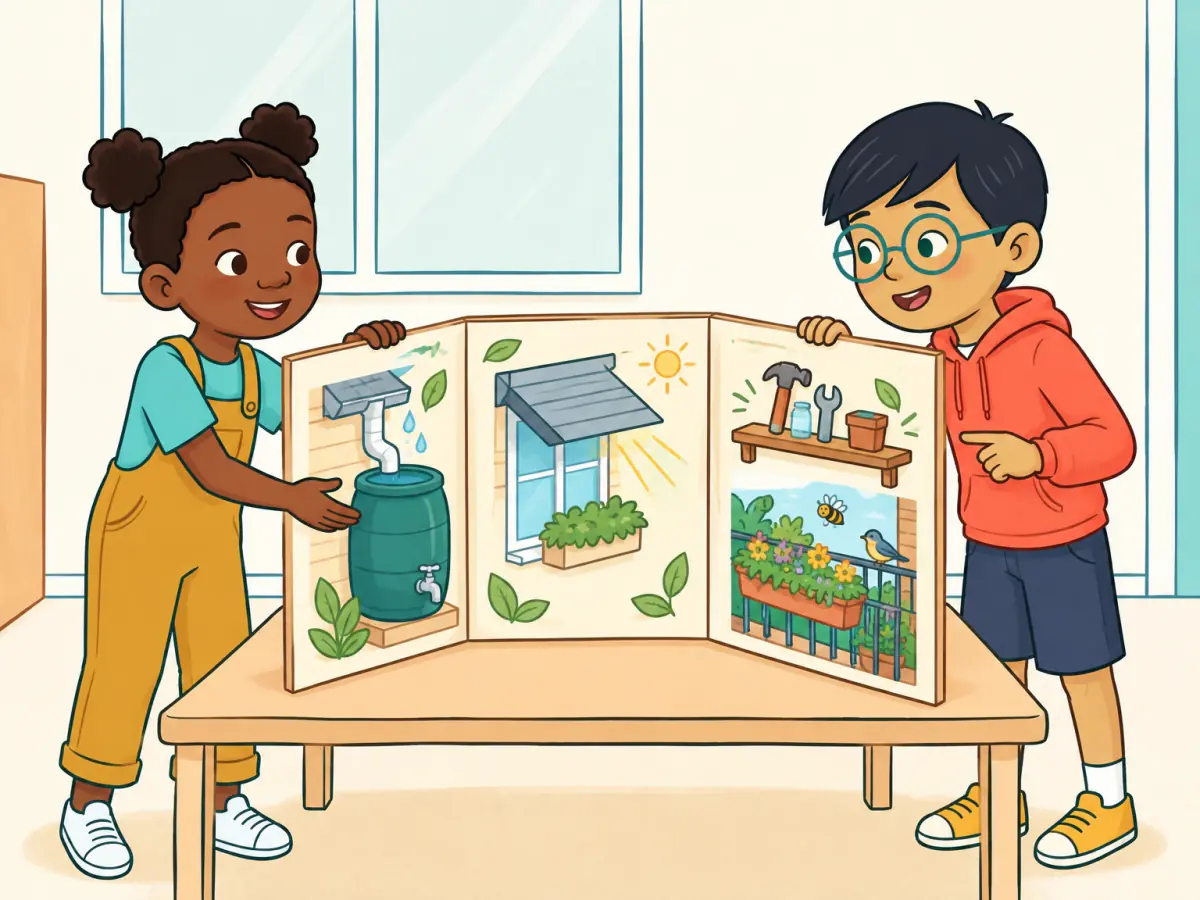
An eco-home information display shows a rain barrel, shaded window, repair shelf and wildlife-friendly balcony garden.

ساعد طفلك من 9 إلى 12 سنة على ربط الأفكار بالإنجليزية باستخدام and وbut وor وso وbecause (المستوى A2)، وعلى مقارنة العادات القديمة بالحاضر عبر “used to … but now”، وكتابة نص معلوماتي قصير عن بيت أكثر مراعاة للبيئة.

أدوات الربط تصل بين فكرتين وتبيّن العلاقة بينهما: “and” تضيف معلومة، و“but” تُظهر تضادًا أو تغيّرًا، و“or” تعطي خيارًا، و“so” تقدّم النتيجة، و“because” تقدّم السبب: “We repair toys and lamps, so less rubbish leaves the building.” هذا الموضوع من المستوى A2 يناسب الأطفال من نحو 9 إلى 12 سنة الذين يكتبون جملًا بسيطة في الماضي والحاضر. وينتهي بكتابة نص قصير للجيران عن بيت أكثر مراعاة للبيئة.

لمن هذا المقال؟

  • أهل الأطفال الذين يكتبون جملًا بسيطة: يستطيع طفلك أن يقول ماذا فعل في عطلة نهاية الأسبوع وماذا يفعل كل يوم.
  • الأطفال المهتمون بالحيوانات أو الحدائق أو إعادة التدوير: البيت الصديق للبيئة يعطي أدوات الربط مهمة حقيقية.
  • الأهل الذين يريدون التدرب في البيت: تكفي حقائق صحيحة عن بيتكم، وفي بطاقات هذه الصفحة تسجيل لكل كلمة وجملة.
  • مبكر جدًا: إذا كان طفلك لا يكتب بعد جملتين واضحتين في الماضي عن حدث واحد، فابدأ بالموضوع السابق: too وenough في قصة إصلاح قصيرة (الرابط أدناه).
  • سهل جدًا: إذا كان يربط الحقائق في نص قصير بلا مساعدة، فانتقل إلى تقديم الاقتراحات مع أسبابها في نشرة (الرابط أدناه).

افتح الصفحات النموذجية

افتح الصفحات النموذجية

بطاقات الكلمات

clean up

remove litter or mess from a place

damage

harm that makes a place or object worse

the environment

the natural world and the places where people and animals live

litterlitter
planetplanet
pollution

harmful waste that makes air, water or land dirty

rubbish dump

a place where large amounts of waste are taken

wildlife

animals and plants living in natural places

What were you doing when the rain started?

Study how this model connects form with meaning.

I was picking up litter with gloves when the rain started.

Study how this model connects form with meaning.

We used to waste water.

Study how this model connects form with meaning.

The team was planting while we were cleaning.

Study how this model connects form with meaning.

المحادثة

Leo What does your group do for the environment?

Nia We clean up the stream bank every Saturday and pick up litter with gloves.

Nia Why does the litter matter?

Leo It can damage wildlife, and a lot of it ends up at the rubbish dump.

Leo What is the biggest problem here?

Nia Plastic pollution. We want to protect our planet, one small place at a time.

تركيب الجملة

What were you doing when the rain started?

I was picking up litter with gloves when the rain started.

  • We used to waste water.
  • The team was planting while we were cleaning.

تدريبات إضافية

Use the contrast

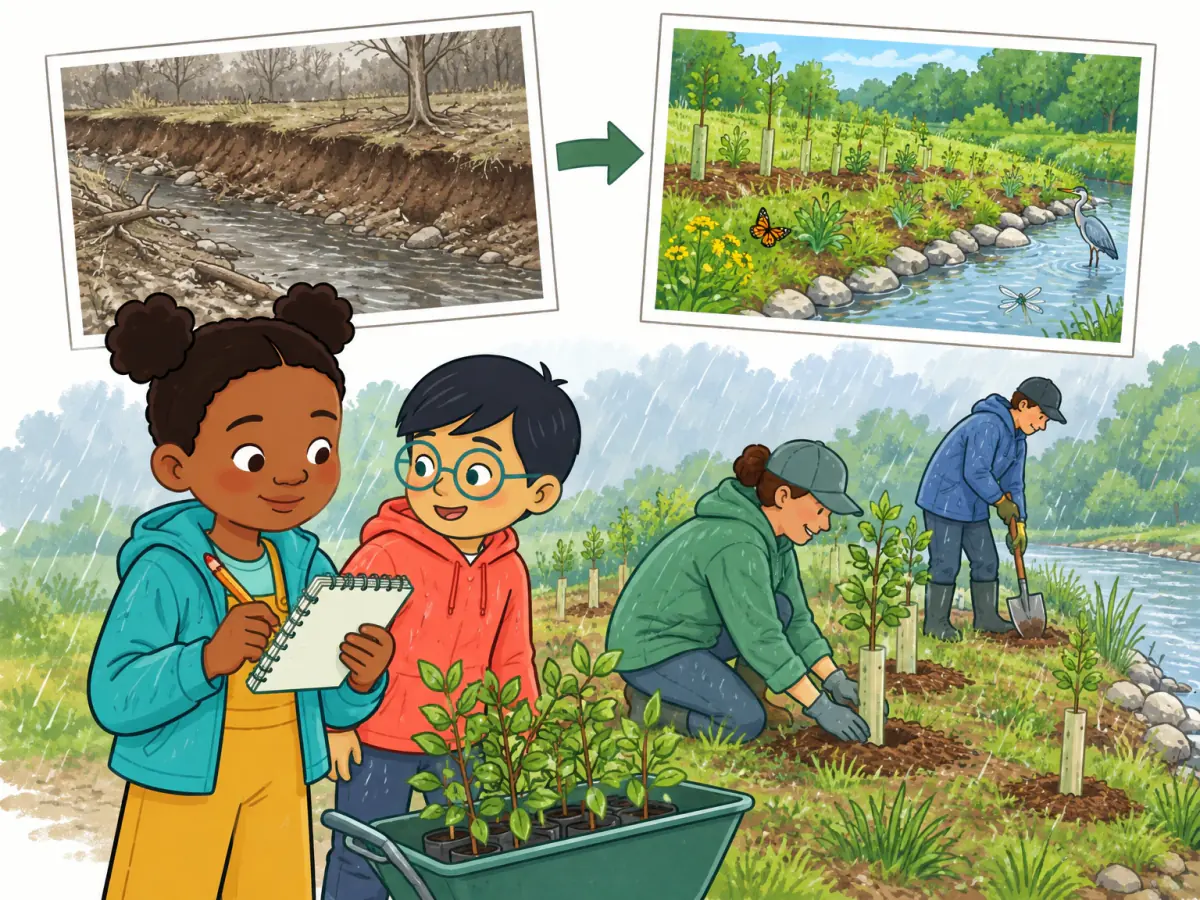
A before-and-now display contrasts a damaged stream bank in an old photograph with a planted bank and clear wildlife area today. Nia records what volunteers were doing when rain began.

Leo What were you doing when the rain started?

Nia I was picking up litter with gloves when the rain started.

Nia What was the team doing?

Leo They were planting while we were cleaning.

Leo Did this place use to have more litter?

Nia Yes, but people changed their habits.

What were you doing when the rain started?

I was picking up litter with gloves when the rain started.

  • We used to waste water.
  • The team was planting while we were cleaning.

Four quiet changes at home

An eco-home information display shows a rain barrel, shaded window, repair shelf and wildlife-friendly balcony garden.

FOUR QUIET CHANGES AT HOME

A greener home does not need dramatic machines. First, a covered rain barrel can store water for plants. Second, a shaded window stays cooler in summer. Third, a repair shelf gives broken objects another chance. Finally, balcony flowers can support insects. Our building used to throw away small items, but neighbours now meet once a month to repair them.

Plan aloud

An eco-home information display shows a rain barrel, shaded window, repair shelf and wildlife-friendly balcony garden.

Nia How will your eco-home text flow?

Leo It will start with what we used to do, and then it will say what we do now.

Leo Which linking words will you use?

Nia I will use but, so and because.

How will your eco-home text flow?

Our building used to waste water, but now we collect rain for the garden. We repair toys and lamps, so less rubbish leaves the building. Neighbours choose herbs or flowers because both support insects.

  • and / but
  • or / so / because
  • used to/now
  • information text

Draft and revise

An eco-home information display shows a rain barrel, shaded window, repair shelf and wildlife-friendly balcony garden.

Nia Who will read your text?

Leo Neighbours in our building will read my information text.

Leo What will you check?

Nia I will check my spelling and punctuation.

How will your eco-home text flow?

Our building used to waste water, but now we collect rain for the garden. We repair toys and lamps, so less rubbish leaves the building. Neighbours choose herbs or flowers because both support insects.

  • and / but
  • or / so / because
  • used to/now
  • information text
تعلّم هذه الوحدة
كيف تريد أن تتعلّم؟

كلمات البيئة في هذا الموضوع

بهذه الكلمات يتحدث طفلك عن العناية بمكان حقيقي، مثل حديقة أو جدول ماء قريب. كلمة “litter” لا جمع لها: نقول “a lot of litter” وليس “litters”، مع أننا نقول في العربية “نفايات” بصيغة الجمع. و“rubbish” إنجليزية بريطانية، أما في الإنجليزية الأمريكية فيقال “trash”.

  • “clean up” – تنظيف مكان من النفايات أو الفوضى
  • “litter” – نفايات مرمية على الأرض
  • “damage” – ضرر يجعل الشيء أسوأ
  • “wildlife” – الحيوانات والنباتات التي تعيش في الطبيعة، أي الحياة البرية
  • “pollution” – مخلّفات تلوّث الهواء أو الماء أو التربة، أي التلوث
  • “rubbish dump” – مكان تُنقل إليه كميات كبيرة من النفايات، أي مكبّ النفايات
  • “the environment” – العالم الطبيعي من حولنا، أي البيئة
  • “planet” – عالم كبير مستدير في الفضاء مثل الأرض، أي كوكب

استمع إلى الكلمات في مقابلة قصيرة

يتحدث طفلان عن مجموعة تنظّف ضفة جدول ماء. بعد الاستماع مرة واحدة اسأل “When does the group clean up?” (“every Saturday”) و“What can litter damage?” (“wildlife”)، ثم أعد التشغيل للتحقق.

Leo What does your group do for the environment?

Nia We clean up the stream bank every Saturday and pick up litter with gloves.

Nia Why does the litter matter?

Leo It can damage wildlife, and a lot of it ends up at the rubbish dump.

خمس أدوات ربط وخمس وظائف

تُسمّى هذه الكلمات في المدارس أيضًا “connectives” أو “conjunctions”. قبل اختيار إحداها اسأل: ماذا تفعل المعلومة الثانية؟ هل تضيف، أم تعارض، أم تعطي خيارًا، أم نتيجة، أم سببًا؟

تربط “so” و“because” الحقيقتين نفسيهما من طرفين متقابلين، لذلك يخلط الأطفال بينهما كثيرًا. تأتي “so” قبل النتيجة مثل “لذلك”، وتأتي “because” قبل السبب مثل “لأن”: “Less rubbish leaves the building because we repair toys.” وفي العربية نصل جملًا كثيرة بالواو، فقد يبدأ طفلك كل جملة بـ“and”؛ شجّعه على اختيار الأداة التي تناسب المعنى. وبين جملتين تامتين توضع فاصلة قبل “so” و“but”، ولا توضع عادةً قبل “because”.

  • “and” – إضافة: “A rain barrel stores water, and we use it for the plants.”
  • “but” – تضاد أو تغيّر: “Our flat is small, but it has a balcony.”
  • “or” – خيار: “Neighbours can plant herbs or flowers.”
  • “so” – نتيجة: “The window has a shade, so the room stays cooler.”
  • “because” – سبب: “We grow flowers because they support insects.”

العادات القديمة والأفعال المستمرة في الماضي: used to وwas doing

تصف “used to” + فعل عادة قديمة تغيّرت: “We used to waste water.” (أي: كنا نهدر الماء). وفي السؤال تسقط “d”: “Did you use to recycle?” ولإظهار التغيّر أضف “but now” والمضارع البسيط: “I used to throw old bottles away, but now I recycle them.”

أما was أو were + -ing فتصف فعلًا كان مستمرًا في لحظة من الماضي. في العربية قد تعني عبارة مثل “كنت أجمع” المعنيين معًا: “I was picking” و“I used to pick”، أما الإنجليزية فتحتاج صيغتين مختلفتين. مع “when” يقطع فعلٌ قصير الفعلَ المستمر: “I was picking up litter with gloves when the rain started.” ومع “while” يحدث فعلان في الوقت نفسه: “The team was planting while we were cleaning.”

تعلّم هذه الوحدة بطريقتك

كتابة نص معلوماتي للجيران

النص المعلوماتي يشرح حقائق لقارئ حقيقي، والقرّاء هنا هم الجيران. يخطط طفلك لأربع حقائق عن بيت أكثر مراعاة للبيئة، مثل برميل لجمع ماء المطر، ونافذة مظللة، ورفّ للأشياء التي تحتاج إلى إصلاح، وزهور على الشرفة، ثم يربط بينها. نموذج يمكن تعديله: “Our building used to waste water, but now we collect rain for the garden.” “We repair toys and lamps, so less rubbish leaves the building.” “Neighbours choose herbs or flowers because both support insects.”

ثم راجعا كل أداة ربط: لا تُستخدم “so” أو “because” إلا إذا كانت إحدى الحقيقتين سببًا فعليًا للأخرى. جملة “We collect rain, so the window stays cool.” تبدو مترابطة، لكنها غير صحيحة.

أخطاء شائعة وطرق سهلة لتصحيحها

هذه أخطاء طبيعية في المستوى A2: أعِد الجملة بشكلها الصحيح وتابعا.

  • “It was raining, because we went home.”: الصواب “It was raining, so we went home.”
  • عن عادة حالية “I use to recycle.”: الصواب “I usually recycle.”
  • “Now we used to repair lamps.”: الصواب “Now we repair lamps.”
  • “We was cleaning.”: الصواب “We were cleaning.”
  • “a lot of litters”: الصواب “a lot of litter”

لعبة في البيت: اربطها

حضّر خمس بطاقات: “and” و“but” و“or” و“so” و“because”. واكتب على شرائط ورقية أزواجًا من حقائق صحيحة عن بيتكم، مثل “We turn off the lights.” و“We use less electricity.” يختار طفلك البطاقة المناسبة ويقرأ الجملة بصوت عالٍ ويشرح السبب. ثم يسأل جدّته أو جدّه: “What did you use to do with old bottles?”

الخطوة التالية

بعد ذلك يأتي تقديم النصيحة مع سببها، كما في النشرات: “Why not repair your lamp?” “It saves money.” ثم يتعلم طفلك تقسيم النصوص الأطول إلى فقرات، لكل منها جملة رئيسية واضحة.

الأسئلة الشائعة

ما الفرق بين “so” و“because”؟

“because” تقدّم السبب و“so” تقدّم النتيجة: “The room stays cool because the window has a shade.” “The window has a shade, so the room stays cool.”

هل يمكن أن تبدأ الجملة الإنجليزية بـ“Because”؟

نعم، إذا كان فيها الجزآن: “Because it was raining, we went home.” أما في الكتابة فعبارة “Because it was raining.” وحدها ناقصة، لكنها طبيعية جوابًا شفهيًا قصيرًا عن “Why?”.

هل تُستخدم “used to” للماضي فقط؟

نعم. للعادات الحالية نستخدم المضارع البسيط: “We usually recycle.”

تعلّم هذه الوحدة
كيف تريد أن تتعلّم؟

ما الخطوة التالية؟

التعلّم مع معلم مباشر

في دروس Flalingo للأطفال، يتدرّب طفلك على وحدات مثل هذه في درس فردي مع معلم مباشر، من خلال ألعاب على الشاشة نفسها.

احجز درسًا تجريبيًا مجانيًا