انتقل إلى المحتوى
Flalingo

تدريبات على الإنجليزية

وصف الطريق بالإنجليزية للأطفال (المستوى A2، من 8 إلى 11 سنة): “Turn left at the roundabout” ودعوة فيها “because”

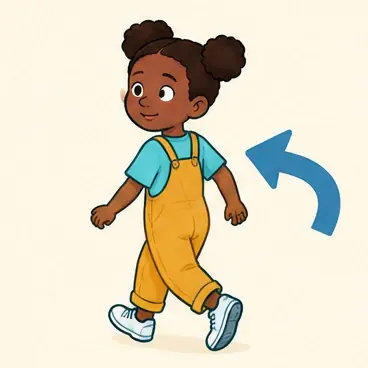
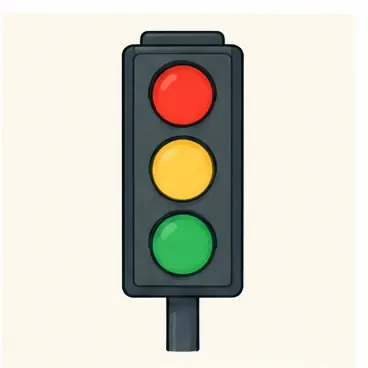
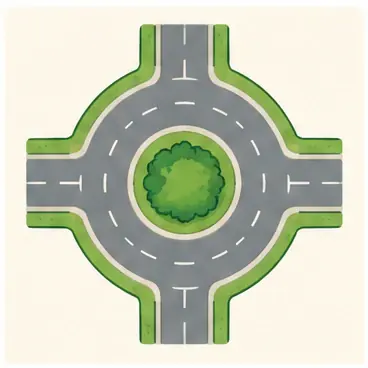
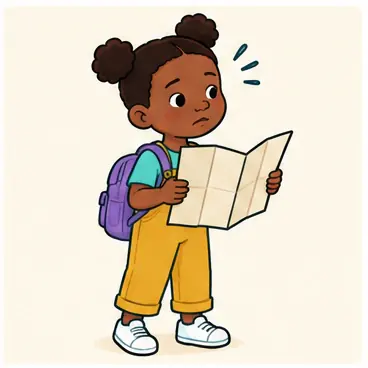
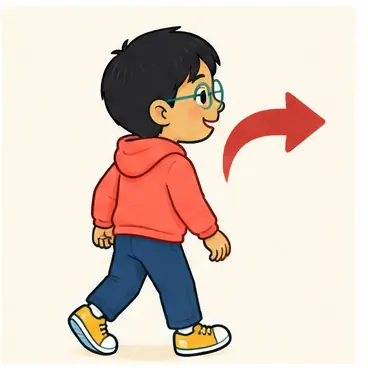
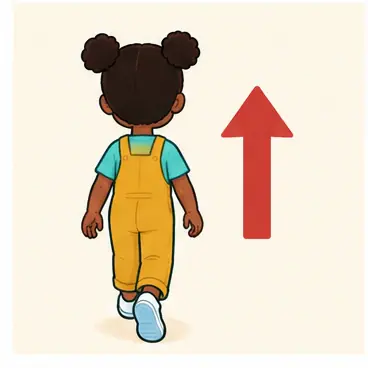
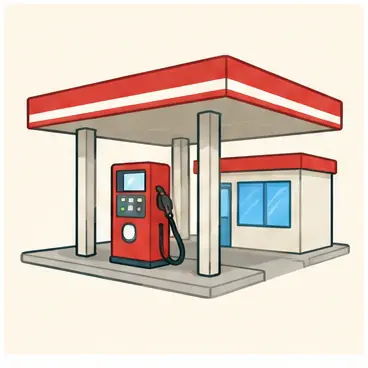
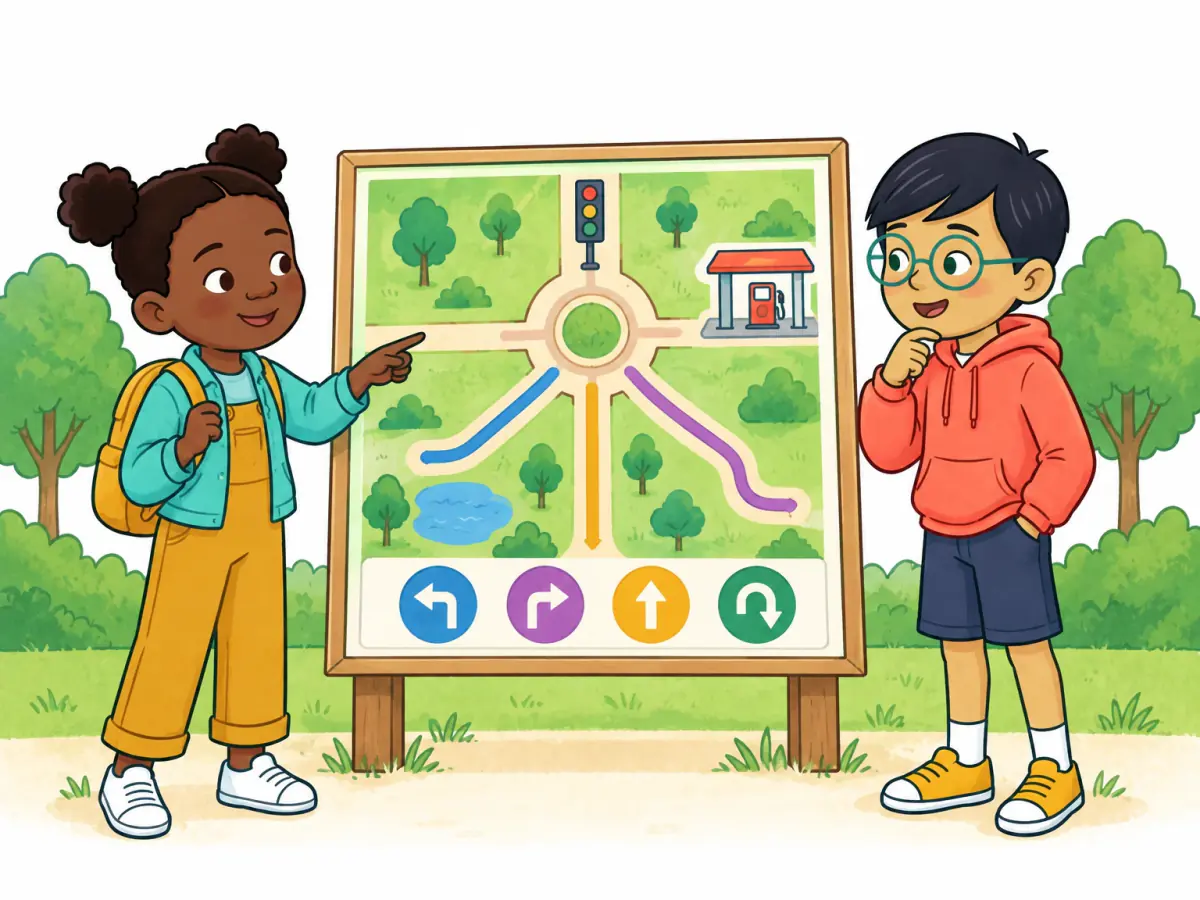
In a park route challenge, two children stand beside a blank path diagram with a roundabout, traffic light, petrol station and three safe walking paths. Direction arrows show turn left, turn right, go straight on and go back without words.

ساعد طفلك على وصف الطريق بالإنجليزية بجمل بسيطة (المستوى A2، من 8 إلى 11 سنة): “turn left” و“go straight on” و“roundabout”، والسؤال “Why…?” مع الإجابة “Because…”، و“have to” و“had to”، ودعوة من أربع جمل فيها اليوم ومكان اللقاء والطريق.

لوصف الطريق بالإنجليزية نبدأ الجملة بالفعل: “Go straight on to the roundabout.” “Turn left at the traffic lights.” وللسؤال عن السبب نستخدم “Why did…?” ونجيب بـ“because”: “Why did you go back?” “Because we had to find the right path.” هذا موضوع من المستوى A2 يناسب الأطفال من نحو 8 إلى 11 سنة الذين يعرفون “left” و“right” ويجيبون عن أسئلة بسيطة عن الأمس. وينتهي بدعوة قصيرة فيها اليوم ومكان اللقاء والطريق وسبب واحد.

لمن هذا المقال؟

  • أهل الأطفال الذين يعرفون اليمين واليسار بالإنجليزية: يشير طفلك ويقول “left” أو “right” ويجيب عن “What did you do yesterday?”
  • العائلات التي تمشي إلى المدرسة أو الحديقة أو المتاجر: طريق يعرفه طفلك يعطيه إرشادات حقيقية يشرحها.
  • الأهل الذين يريدون هدفًا قصيرًا في الكتابة: في النهاية يكتب طفلك دعوة من أربع جمل، وفي الحوارات أدناه تسجيل لكل جملة.
  • مبكر جدًا: إذا كانت أسئلة الماضي مثل “Did you…?” و“What did you do?” جديدة على طفلك، فابدأ بمقال المستوى A2 عن “usually” و“yesterday”، والرابط أدناه.
  • سهل جدًا: إذا كان طفلك يكتب إرشادات الطريق مع سبب، فانتقل إلى مقال المستوى A2 عن نشرة إصلاح فيها اقتراحات وأسباب، والرابط أدناه.

افتح الصفحات النموذجية

افتح الصفحات النموذجية

بطاقات الكلمات

read a mapread a map
turn leftturn left
go backgo back
traffic lighttraffic light
hurryhurry
roundaboutroundabout
get lostget lost
turn rightturn right
go straight ongo straight on
petrol stationpetrol station
Why did you go back?

Because we had to find the right path.

Turn left at the roundabout.
Go straight on.
We have to wait at the light.

المحادثة

Nia Go straight on to the roundabout.

Leo Do I turn left there?

Nia Yes. Yesterday we took the wrong road and went back.

Leo Why did you go back?

Nia Because we had to find the right path.

Leo Now we won't get lost.

تركيب الجملة

Why did you go back?

Because we had to find the right path.

  • Turn left at the roundabout.
  • Go straight on.
  • We have to wait at the light.

تدريبات إضافية

Change the information

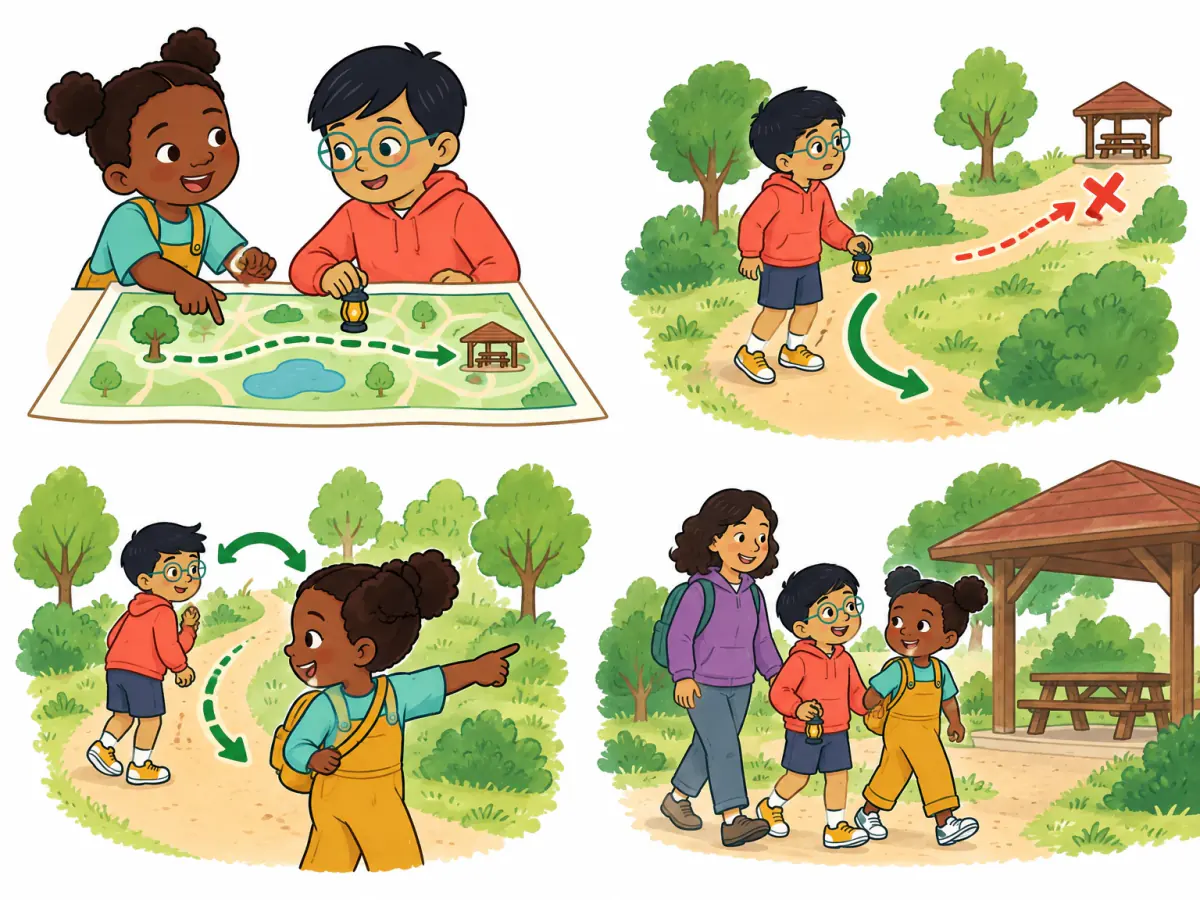
Nia gives directions while Leo moves a small lantern token from a start tree to a picnic shelter. A wrong turn and return arrow show getting lost, going back and hurrying safely with an adult.

Leo Which way do I go at the pond?

Nia Go straight on, then turn right.

Nia Why did you go back?

Leo Because I took the wrong path.

Leo Do we have to walk with an adult?

Nia Yes, we have to stay with an adult.

Why did you go back?

Because we had to find the right path.

  • Turn left at the roundabout.
  • Go straight on.
  • We have to wait at the light.

The Library Shadow Event

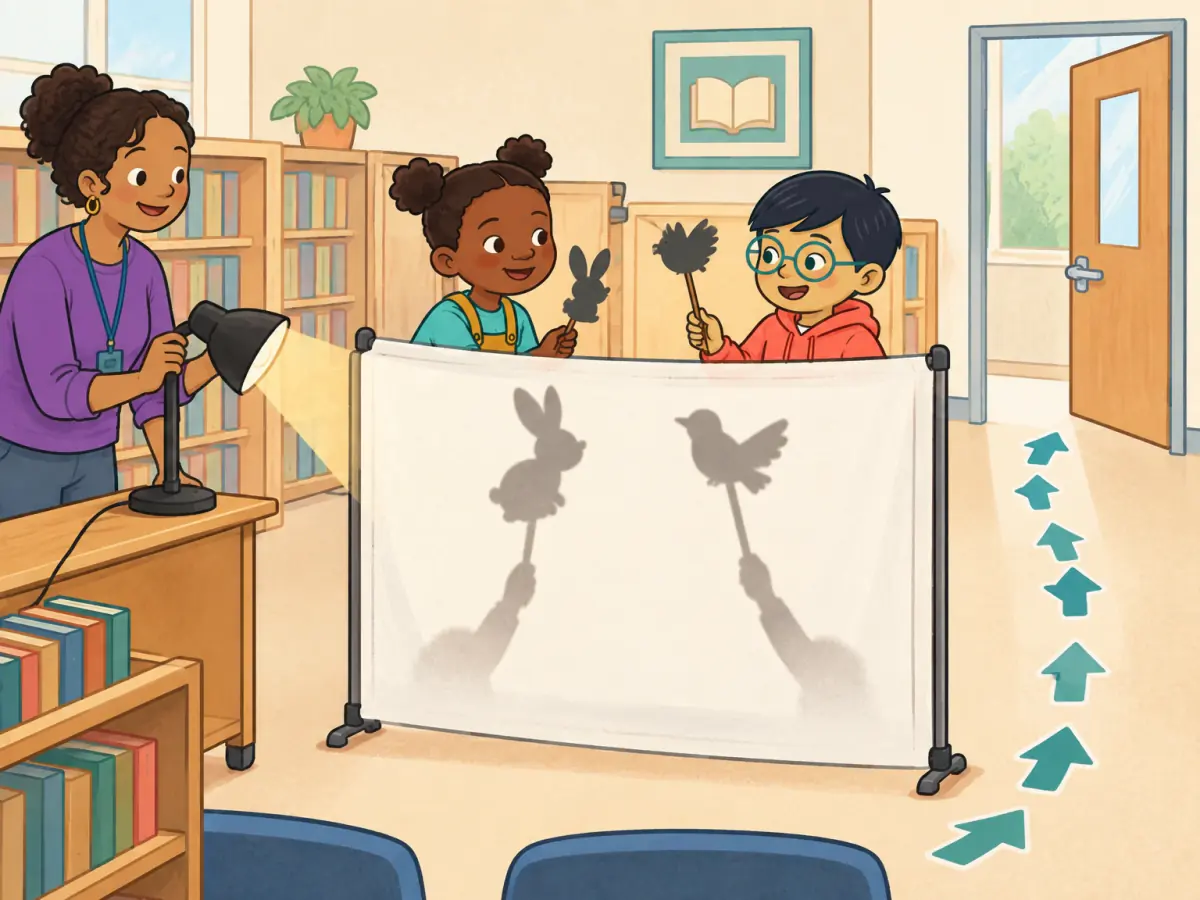
A supervised library shadow event uses paper puppets, sticks, a white screen and a marked indoor route.

THE LIBRARY SHADOW EVENT

Our popular puppet event is in the library hall. From the park gate, go straight on to the roundabout, then turn right because the library's side door is there. Inside, an adult places a bright light behind a white screen. Each child can lift up one paper puppet with a stick and add a funny voice. Follow the marked path so nobody gets lost in the dark hall.

Writer’s studio

Nia gives directions while Leo moves a small lantern token from a start tree to a picnic shelter. A wrong turn and return arrow show getting lost, going back and hurrying safely with an adult.

Nia What will you write about?

Leo I will write an invitation to our lantern walk.

Nia What does your friend need to know?

Leo The day, the place and the way to get there.

How can a friend join?

Come to our lantern walk on Friday! Meet at the library gate. Go straight on and turn right at the roundabout because the park entrance is there.

  • Turn left at the roundabout.
  • Go straight on.
  • We have to wait at the light.
تعلّم هذه الوحدة
كيف تريد أن تتعلّم؟

كلمات الطريق: الاتجاهات والأماكن

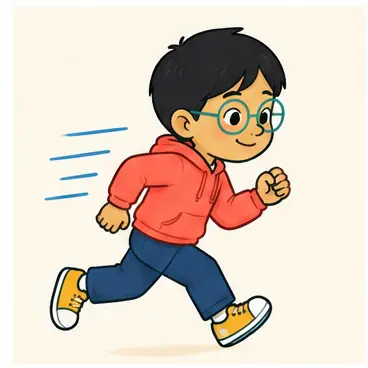
“go straight on” تعني تابِع في الاتجاه نفسه، و“go back” تعني ارجع من الطريق الذي جئت منه. و“roundabout” هو الدوّار الذي تدور حوله السيارات، و“petrol station” (وفي الإنجليزية الأمريكية “gas station”) هي محطة الوقود. أما “hurry” فتعني أسرِع، لكنها ليست أبدًا سببًا لعبور الشارع ركضًا.

  • الاتجاهات: “turn left” (انعطف يسارًا)، “turn right” (انعطف يمينًا)، “go straight on”، “go back”
  • الأماكن: “roundabout”، “traffic light” (إشارة المرور)، “petrol station”
  • في الطريق: “read a map” (يقرأ خريطة)، “get lost” (يضيع)، “hurry”

وصف الطريق: نبدأ بالفعل

الإرشاد أمرٌ، لذلك يبدأ بالفعل ولا يحتاج إلى “you”: “Turn left.” “Go straight on.” ثم أضف المكان: “at” للنقطة التي تنعطف عندها (“Turn left at the roundabout.”)، و“to” للمكان الذي تمشي حتى تصل إليه (“Go straight on to the roundabout.”). واربط خطوتين بـ“then”: “Go straight on, then turn right.” في العربية نقول «انعطف إلى اليسار»، لذلك قد يقول الأطفال “turn to left”، أما بالإنجليزية فتكفي “Turn left.” ويستطيع السامع أن يتأكد بسؤال جوابه نعم أو لا.

Nia Go straight on to the roundabout.

Leo Do I turn left there?

Why…? وBecause…: ذكر السبب

للسؤال عن سبب شيء حدث في الماضي نستخدم “Why did” ثم الشخص ثم الفعل في صيغته الأساسية: “Why did you go back?” وليس “Why you went back?” والإجابة تبدأ بـ“because”: “Because we had to find the right path.” ومثل كلمة لأنّ في العربية، تأتي “because” قبل السبب.

في الكلام تكفي إجابة “Because…” وحدها. أما في الكتابة فاربط السبب بالفكرة الرئيسية: “We went back because we took the wrong road.”

Nia Yes. Yesterday we took the wrong road and went back.

Leo Why did you go back?

Nia Because we had to find the right path.

Leo Now we won't get lost.

have to وhad to: ما يجب فعله

“have to” تشبه قولنا يجب أن أو علينا أن: “We have to wait at the light.” ومع “he” و“she” والاسم تصبح “has to”، وفي الماضي نستخدم “had to” مع الجميع: “We had to find the right path.” وفي السؤال نستخدم “do” أو “did”: “Do we have to walk with an adult?” وعند الكلام السريع تُسمع “have to” مثل “hafta”، لكنها تُكتب “have to”.

كتابة دعوة فيها وصف الطريق

الدعوة الجيدة تخبر الصديق بأربعة أشياء: المناسبة واليوم، ومكان اللقاء، والطريق، وسببًا واحدًا. اختر نقطة انطلاق واحدة وطريقًا واحدًا كي لا يضيع أحد. يحافظ طفلك على هذه الخطة ويغيّر كل التفاصيل.

  • “Come to our lantern walk on Friday!”
  • “Meet at the library gate.”
  • “Go straight on and turn right at the roundabout because the park entrance is there.”
  • “You have to bring a coat because it gets cold in the evening.”
تعلّم هذه الوحدة بطريقتك

نصيحة إملائية: “ck” أم “c” في آخر الكلمة؟

لصوت k في آخر الكلمة كتابتان شائعتان: “ck” بعد حرف علة قصير في كلمة من مقطع واحد، و“c” في الكلمات الأطول المنتهية بـ“-ic”. في العربية يُكتب هذا الصوت بحرف واحد هو الكاف، لذلك يحتاج الطفل إلى حفظ الفرق. والتصفيق مع المقاطع يساعده على الاختيار.

  • ck: neck, duck, clock, rock
  • c (-ic): plastic, picnic, music, comic

أخطاء شائعة وطرق سهلة لتصحيحها

هذه الأخطاء طبيعية في المستوى A2. أعِد الجملة بشكلها الصحيح وتابِعا.

  • “Turn to left.”: لا حاجة إلى “to”: “Turn left.”
  • “Why you went back?”: أضف “did”: “Why did you go back?”
  • “Yesterday we have to wait.”: الماضي هو “had to”: “Yesterday we had to wait.”
  • “She have to wait.”: مع “he” و“she” والاسم: “She has to wait.”
  • دعوة بلا يوم أو مكان لقاء: راجع الأجزاء الأربعة قبل مشاركتها.

لعبة الطريق في البيت

ارسم خريطة بسيطة فيها باب البيت ودوّار من الخيال وإشارة مرور وحديقة، وخبّئ لعبة صغيرة في مكان منها. يصف طفلك الطريق وأنت تحرّك قطعة نقود: “Go straight on, then turn left at the traffic light.” اذهب في الاتجاه الخطأ عمدًا، فيسأل طفلك “Why did you go back?” وتجيب أنت بـ“because”. ثم تبادلا الأدوار.

اختما بدعوة حقيقية إلى مناسبة عائلية، مثل نزهة في عطلة نهاية الأسبوع: أربع جمل و“because” واحدة.

الخطوة التالية

بعد ذلك يستطيع طفلك أن يقول أين يقع المكان: “The library is on your right.” ولاحقًا تنضم النتائج مع “so” إلى الأسباب مع “because”: “It was dark, so we went back.”

الأسئلة الشائعة

هل نقول “go straight on” أم “go straight ahead”؟

كلتاهما صحيحة. “go straight on” شائعة جدًا في الإنجليزية البريطانية، و“go straight ahead” و“go straight” شائعتان في كل مكان.

هل يمكن أن تبدأ الجملة بـ“because”؟

نعم. الإجابة المنطوقة عن “Why?” تبدأ غالبًا بـ“because”: “Because we got lost.” أما في الكتابة فاربطها بفكرة رئيسية: “We went back because we got lost.” أو “Because we got lost, we went back.”

ما الفرق بين “have to” و“had to”؟

“have to” لما هو ضروري الآن أو دائمًا: “We have to wait at the light.” و“had to” صيغتها في الماضي: “We had to find the right path.”

تعلّم هذه الوحدة
كيف تريد أن تتعلّم؟

ما الخطوة التالية؟

التعلّم مع معلم مباشر

في دروس Flalingo للأطفال، يتدرّب طفلك على وحدات مثل هذه في درس فردي مع معلم مباشر، من خلال ألعاب على الشاشة نفسها.

احجز درسًا تجريبيًا مجانيًا