
انتقل إلى المحتوى
Flalingo

تدريبات على الإنجليزية

مقارنة قصة وتقرير بالإنجليزية للأطفال (المستوى A2، من 9 إلى 12 سنة): تفصيل من كل نص وفكرة مشتركة

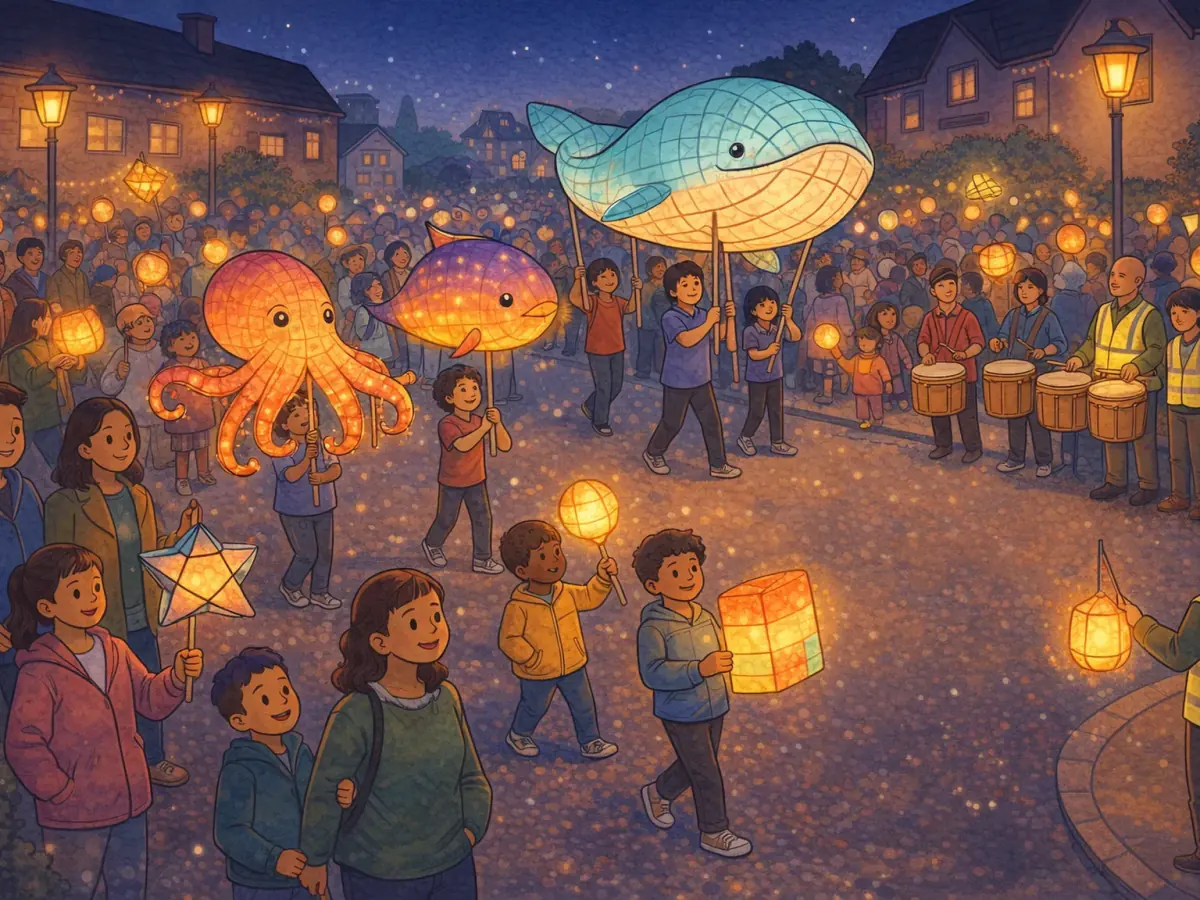
An evening lantern parade crosses a town square: families carry paper lanterns, young performers carry whale, octopus and fish lanterns, drummers play and a volunteer in a yellow vest stands at a corner.

ساعد طفلك من 9 إلى 12 سنة (المستوى A2) على التمييز بين النص الخيالي والنص المعلوماتي، وإثبات إجاباته بكلمات النص، وكتابة أربع جمل بالإنجليزية تقارن بين تقرير وقصة من خلال فكرة مشتركة واحدة.

لمقارنة نصين بالإنجليزية يختار طفلك تفصيلًا واحدًا من كل نص، ويسمّي الفكرة التي يشتركان فيها، ويقول أي النصين أثّر فيه أكثر ولماذا. التقرير (non-fiction) يقدّم معلومات حقيقية بوصفها أدلة، والقصة (fiction) تستخدم شخصيات وأحداثًا لتستكشف فكرة. تكفي أربع جمل: تفصيل من التقرير، وتفصيل من القصة، و“Both show that…”، ثم تفضيل مع “because”. هذا المقال لأهل الأطفال في المستوى A2، من نحو 9 إلى 12 سنة، الذين يقرؤون نصوصًا إنجليزية قصيرة.

لمن هذا المقال؟

  • أهل الأطفال الذين يقرؤون نصوصًا إنجليزية قصيرة: يتابع طفلك فقرة كاملة ويجيب عن “What happened?” بجملة تامة.
  • الأطفال الذين يسردون كل شيء حين يُطلب منهم المقارنة: يمنحهم هذا المقال قالبًا واضحًا من أربع جمل.
  • الأهل الذين يساعدون في القراءة المدرسية: يكفي خبر قصير للأطفال وقصة قصيرة بفكرة متشابهة، وفي البطاقات والحوار أدناه تسجيلات صوتية.
  • مبكر جدًا: إذا كان طفلك لا يستطيع بعدُ أن يشرح لماذا يتغير التخمين الأول في قصة، فابدأ بمقال القراءة من المستوى A2 المرتبط أدناه.
  • سهل جدًا: إذا كان يقارن بالفعل نصين بدليل من كل نص وسبب واضح، فانتقل إلى مقال المستوى A2 عن أدوات الربط في نص عن بيت صديق للبيئة، المرتبط أدناه.

افتح الصفحات النموذجية

افتح الصفحات النموذجية

بطاقات الكلمات

claim

the central idea to test

evidence

a detail that supports an idea

turning point

a moment that changes understanding

non-fiction

explains real information with evidence

fiction

creates characters and events to explore an idea

shared theme

an idea both texts help us examine

المحادثة

Nia How do the texts explore the same theme?

Leo The lantern report shows careful planning, and the story shows a careful choice about an old machine.

Leo What do they share?

Nia Both show that careful planning keeps people and history safe.

تركيب الجملة

Which text changed your thinking most?

The lantern report gave me a real example: volunteers widened one narrow corner of the route. The story made the idea personal when an old scenery lift was found under the stage. Both show that careful choices can protect a community. The story changed my thinking most because the forgotten machine became part of opening night.

  • one detail from each
  • genre contrast
  • shared theme
  • reasoned preference

تدريبات إضافية

Lanterns Across the Square

An evening lantern parade crosses a town square: families carry paper lanterns, young performers carry whale, octopus and fish lanterns, drummers play and a volunteer in a yellow vest stands at a corner.

LANTERNS ACROSS THE SQUARE

Every spring, families in Bellview build lanterns for a night parade. This year, the youth theatre made moving sea-creature shapes from paper and reused wood. Musicians practised a repeating rhythm so walkers could keep together. Before the event, volunteers checked each candle-free light and widened one narrow corner of the route. The parade celebrated imagination, but its careful planning also helped hundreds of people move safely through the square.

The Door Beneath the Stage

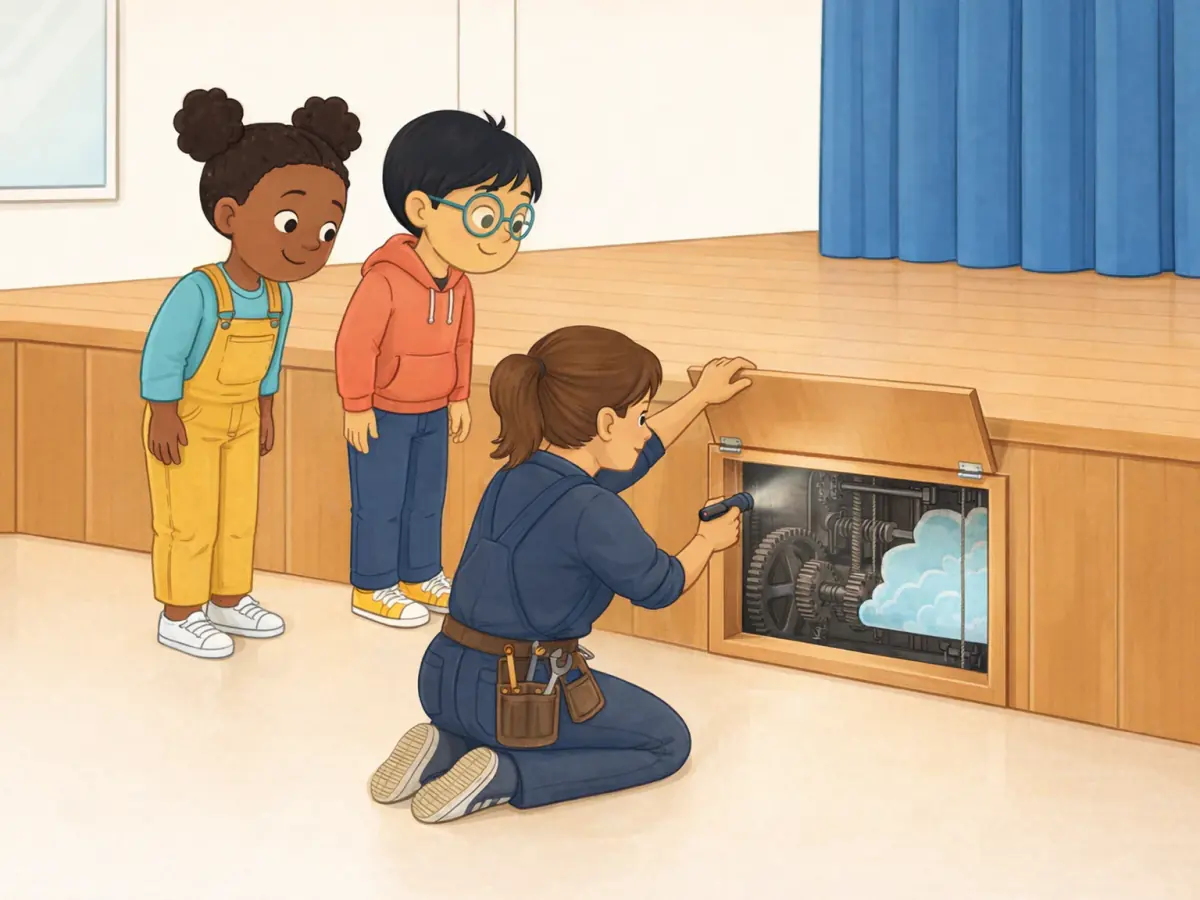
An adult technician kneels at the front of the stage and holds open a small access panel, showing an old scenery lift with gears and a painted cloud, while Nia and Leo watch from a safe step behind.

THE DOOR BENEATH THE STAGE

During rehearsal, Leo noticed a soft knock beneath the stage. He and Nia expected a loose board, but an adult technician opened a safe access panel and found an old mechanical scenery lift. It had once raised painted clouds during plays. The machine could no longer move, so the group photographed it and asked a museum engineer for advice. Instead of hiding their new set inside it, they built a transparent display. The forgotten machine became part of opening night.

Write a paired response

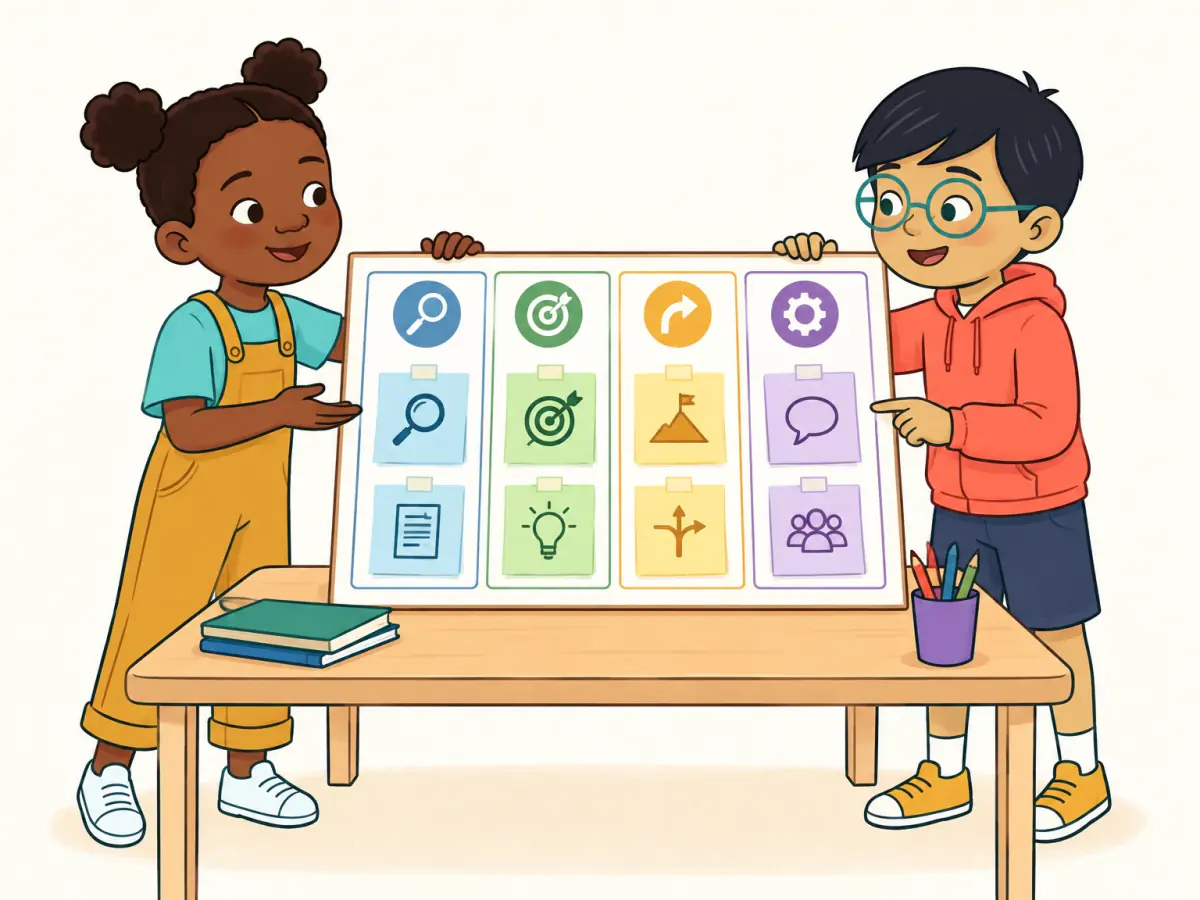
A comparison board shows evidence, purpose, turning point and response columns for the two performance texts.

Nia Who will read your text?

Leo My teacher will read my comparison, and we will talk about it.

Leo What will you check?

Nia I will check my spelling and punctuation.

Which text changed your thinking most?

The lantern report gave me a real example: volunteers widened one narrow corner of the route. The story made the idea personal when an old scenery lift was found under the stage. Both show that careful choices can protect a community. The story changed my thinking most because the forgotten machine became part of opening night.

  • one detail from each
  • genre contrast
  • shared theme
  • reasoned preference
تعلّم هذه الوحدة
كيف تريد أن تتعلّم؟

النص الخيالي والنص المعلوماتي: طريقان إلى فكرة واحدة

في المستوى A2 يبدأ الأطفال بمقارنة نص معلوماتي ونص قصصي عن موضوع متشابه، وهذا قريب من التمييز المدرسي بين النص المعلوماتي والنص السردي.

نعود في هذا المقال إلى مثالين قصيرين. يصف تقرير موكب فوانيس: قبل الحدث يفحص المتطوعون كل ضوء خالٍ من الشموع ويوسّعون زاوية ضيقة واحدة في المسار. وفي قصة يسمع أطفال يتدربون على مسرحية طرقًا تحت الخشبة. يتوقعون لوحًا خشبيًا مرتخيًا، لكن فنيًا يجد آلة قديمة كانت ترفع غيومًا مرسومة، فتعرضها المجموعة أمام الناس.

  • non-fiction – يشرح معلومات حقيقية بالأدلة: تقارير وأخبار
  • fiction – يخلق شخصيات وأحداثًا ليستكشف فكرة: قصص ومسرحيات

Claim وevidence وturning point

في التقرير يمكن أن تكون claim (الفكرة المطروحة) هي: “The parade was safe because people planned it carefully.” والدليل هو الزاوية التي وُسّعت. وفي القصة تكون turning point (نقطة التحول) لحظة فتح الغطاء: توقع الأطفال لوحًا مرتخيًا فوجدوا قطعة من تاريخ المسرح. لتجد نقطة التحول في أي قصة اسأل: “What did they expect?” و“What did they find?”

  • claim – الفكرة الرئيسة التي نختبرها
  • evidence – تفصيل يدعم فكرة
  • turning point – لحظة تغيّر فهمنا

صحيح أم خطأ؟ أثبت ذلك بكلمات النص

في أسئلة الصواب والخطأ، عوّد طفلك أن يشير إلى الكلمات الدقيقة. “The lights contain real candles.” خطأ: فالتقرير يقول “candle-free”، و“-free” تعني “بلا”، كما في “sugar-free” أي بلا سكر. و“The children hide a new set in the machine.” خطأ أيضًا: فالقصة تقول “Instead of hiding their new set inside it…” أما “The old machine once lifted painted clouds.” فصحيحة، مع أن القصة تقول “raised”: طابق المعنى لا الكلمة.

  • “It’s true. The text says…”
  • “It’s false. The text says…”
  • “The text doesn’t say.”

من الموضوع إلى الفكرة المشتركة

الـ topic هو ما يدور حوله النص، أي الموضوع: موكب، مسرح. أما الـ theme فهو الفكرة التي يدعونا النص إلى التفكير فيها، والأفضل أن يُعبَّر عنها بجملة تامة، وهي قريبة مما يسمى في المدرسة الفكرة العامة. في الحوار أدناه يأخذ الجواب الأول تفصيلًا من كل نص، ويذكر السطر الأخير الفكرة المشتركة. وكلمة “history” هنا تعني الأشياء القديمة التي تستحق الحفاظ عليها.

بعد “both” لا يأخذ الفعل -s. وانتبه: في العربية قد يأتي الفعل مفردًا قبل فاعل مثنى أو جمع، كما في “أظهر النصان”، أما في الإنجليزية فنقول “Both show”.

Nia How do the texts explore the same theme?

Leo The lantern report shows careful planning, and the story shows a careful choice about an old machine.

Leo What do they share?

Nia Both show that careful planning keeps people and history safe.

تعلّم هذه الوحدة بطريقتك

كتابة مقارنة من أربع جمل

لكل جملة مهمة واحدة. أولًا يحدد طفلك من سيقرأ: إذا كان المعلم فالمطلوب جمل تامة وإملاء صحيح وعلامات ترقيم صحيحة. وهذا نموذج جواب عن “Which text changed your thinking most?”

“Gave me a real example” تناسب النص المعلوماتي، و“made the idea personal” تناسب القصة. ويمكن اختيار أي من النصين في الجملة الأخيرة، ما دام السبب بعد “because” مأخوذًا من النص.

  • تفصيل من التقرير: “The lantern report gave me a real example: volunteers widened one narrow corner of the route.”
  • تفصيل من القصة: “The story made the idea personal when an old scenery lift was found under the stage.”
  • الفكرة المشتركة: “Both show that careful choices can protect a community.”
  • تفضيل مع سبب: “The story changed my thinking most because the forgotten machine became part of opening night.”

لعبة في البيت: نصان وفكرة واحدة

اختر نصين إنجليزيين قصيرين بفكرة متشابهة، مثل خبر للأطفال عن تنظيف شاطئ وقصة عن طفل يصلح لعبة قديمة. يضع طفلك خطًا تحت تفصيل واحد في كل نص، ويكمل “Both show that…”، ثم يكتب الجمل الأربع، وأنت تسأل فقط: “Where does it say that?” وفي المرة التالية اكتب أنت الجمل وأدخل تفصيلًا غير موجود في أي من النصين ليكتشفه طفلك.

أخطاء شائعة وطرق سهلة لتصحيحها

هذه الأخطاء طبيعية في المستوى A2. أعِد الجملة بشكلها الصحيح وتابعا.

  • سرد كل شيء: اختر تفصيلًا واحدًا من كل نص.
  • “Both are about shows.”: هذا موضوع، أما الفكرة فتقول شيئًا: “Both show that careful planning keeps people and history safe.”
  • “Both texts shows…”: بعد “both” بلا -s: “Both texts show…”
  • “I like the story.”: أضف سببًا من النص: “because the forgotten machine became part of opening night.”
  • “The story proves…”: القصة تُظهر فكرة لكنها لا تثبت حقيقة. قل “The story shows…”

الخطوة التالية

بعد ذلك يستطيع طفلك كتابة نصوص أطول يربط فيها الأفكار بـ and وbut وso وbecause، مثل نص معلوماتي قصير للجيران.

الأسئلة الشائعة

ما الفرق بين النص الخيالي والنص المعلوماتي؟

النص المعلوماتي (non-fiction) يقدم معلومات حقيقية مع أدلة، مثل الخبر الصحفي. والنص الخيالي (fiction) يخترع شخصيات وأحداثًا ليستكشف فكرة، مثل القصة. وقد يتناول النوعان الموضوع نفسه.

ما الفرق بين topic وtheme في الإنجليزية؟

الـ topic هو ما يدور حوله النص: “a parade”. والـ theme هو الفكرة التي يستكشفها، ويُقال في جملة: “Careful planning keeps people safe.”

كيف يقارن الطفل بين نصين بالإنجليزية؟

بأربع جمل: تفصيل من كل نص، والفكرة المشتركة (“Both show that…”)، وتفضيل مع “because”.

تعلّم هذه الوحدة
كيف تريد أن تتعلّم؟

ما الخطوة التالية؟

التعلّم مع معلم مباشر

في دروس Flalingo للأطفال، يتدرّب طفلك على وحدات مثل هذه في درس فردي مع معلم مباشر، من خلال ألعاب على الشاشة نفسها.

احجز درسًا تجريبيًا مجانيًا