
انتقل إلى المحتوى
Flalingo

تدريبات على الإنجليزية

شرح الخطوات بالترتيب بالإنجليزية للأطفال (المستوى A2، من 10 إلى 12 سنة): first وnext وthen وfinally

An original book-extract scene follows a floating-library barge delivering books to three river villages.

ساعد طفلك (10–12 سنة) على شرح عملية خطوة بخطوة بالإنجليزية باستخدام first وnext وthen وfinally، وعلى الحديث عن عمل ما زال مستمرًا باستخدام “have been + -ing” (المستوى A2).

لشرح طريقة عمل شيء ما بالإنجليزية تُكتب كل خطوة على شكل أمر يبدأ بكلمة تدل على الترتيب: “First, put on a helmet.” و“Next, check the brakes.” و“Then, start on a clear path.” و“Finally, stop in a safe place.” وللحديث عن عمل بدأ من قبل وما زال مستمرًا تستخدم الإنجليزية have أو has been + -ing، مثل “I have been testing it since eight this morning.” هذا المقال من المستوى A2 موجّه إلى أهل الأطفال من نحو 10 إلى 12 سنة الذين يحتاجون إلى ترتيب نص إنجليزي قصير ترتيبًا واضحًا.

لمن هذا المقال؟

  • أهل الأطفال الذين يكتبون جملًا إنجليزية قصيرة ويحكون ما فعلوه أمس، ويحتاجون الآن إلى ترتيب عدة جمل ترتيبًا واضحًا.
  • الأطفال الذين يحبون الدراجات والقوارب والآلات، أو يريدون أن يعرفوا كيف تعمل الأشياء: العملية الحقيقية تمنحهم شيئًا يستحق الشرح.
  • الأهل الذين يريدون المساعدة في الكتابة المدرسية: خطة «من الرسم إلى النص» أدناه تصلح لأي نص تعليمات، ولكل جملة في المقابلة تسجيل صوتي.
  • مبكر جدًا: إذا كان طفلك لا يستخدم بعد for وsince مع present perfect، فابدأ بمقال رسالة المهرجان (المستوى A2) المرتبط أدناه.
  • سهل جدًا: إذا كان طفلك يكتب نصًا واضحًا من أربع خطوات ويقول “I have been waiting since nine.” من دون مساعدة، فانتقل إلى مقال سيرة المخترع (المستوى A2) المرتبط أدناه.

افتح الصفحات النموذجية

افتح الصفحات النموذجية

بطاقات الكلمات

hot-air balloonhot-air balloon
helicopterhelicopter
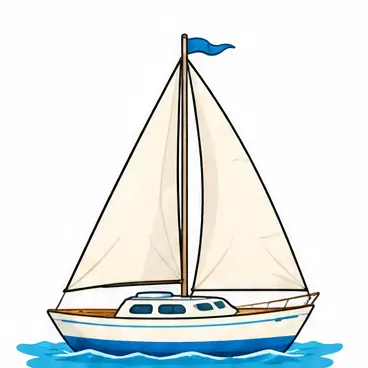
yachtyacht
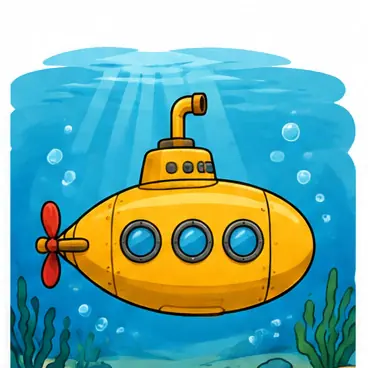
submarinesubmarine
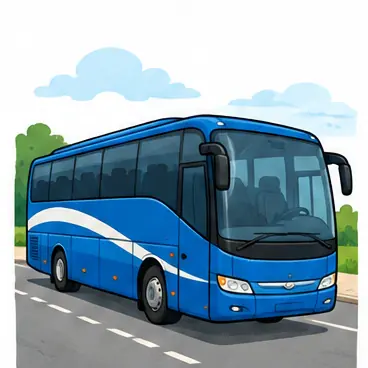
coachcoach
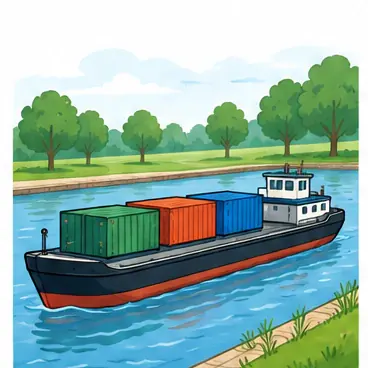
bargebarge
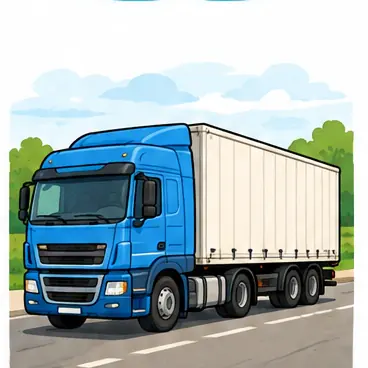
lorrylorry
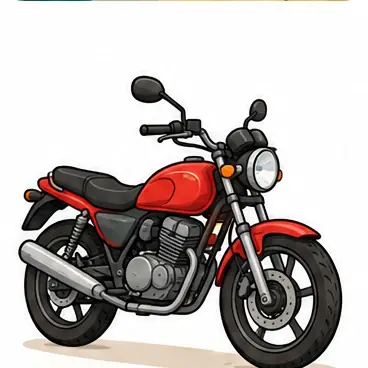
motorbikemotorbike
How long has the engineer been testing it?

He has been testing it all morning.

They have been travelling since eight.
Have you been looking after the batteries?
The team has been checking the panels since eight.

المحادثة

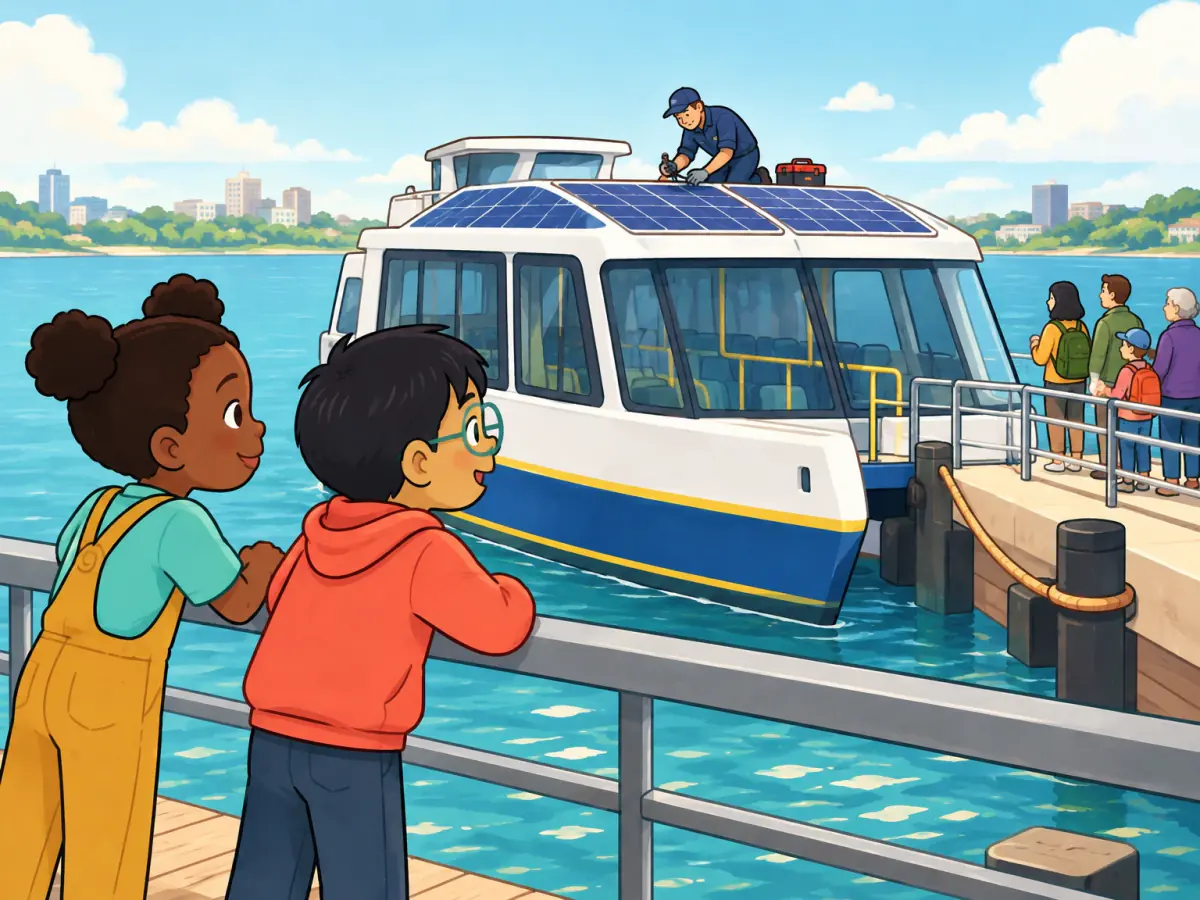
Nia I am reporting from the harbour. Today Leo is playing the engineer of the solar ferry.

Nia How long have you been testing it?

Leo I have been testing it since eight this morning.

Nia What have you been checking?

Leo I have been checking the roof panels and recording their energy use.

Nia What has your team found?

Leo The batteries have been charging reliably, but we have not carried passengers yet.

تركيب الجملة

How long has the engineer been testing it?

He has been testing it all morning.

  • They have been travelling since eight.
  • Have you been looking after the batteries?
  • The team has been checking the panels since eight.

تدريبات إضافية

Talk with the grammar

Nia and Leo observe a solar ferry prototype under repair; an engineer has been checking its roof panels all morning while visitors watch safely from the shore.

Leo How long has the engineer been testing it?

Nia He has been testing it all morning.

Nia What has he been checking?

Leo He has been looking after the roof panels.

Leo Have the visitors been waiting long?

Nia They have been waiting since eight.

How long has the engineer been testing it?

He has been testing it all morning.

  • They have been travelling since eight.
  • Have you been looking after the batteries?
  • The team has been checking the panels since eight.

Word study

look after

to take care of someone or something

The captain looks after the boat.

look up

to find information in a book or online

A librarian looks up each title.

look round

to look all around you, or visit all of a place

Put on a helmet and look round.

look forward to

to feel happy about something that will happen

I look forward to the first trip.

Books by barge

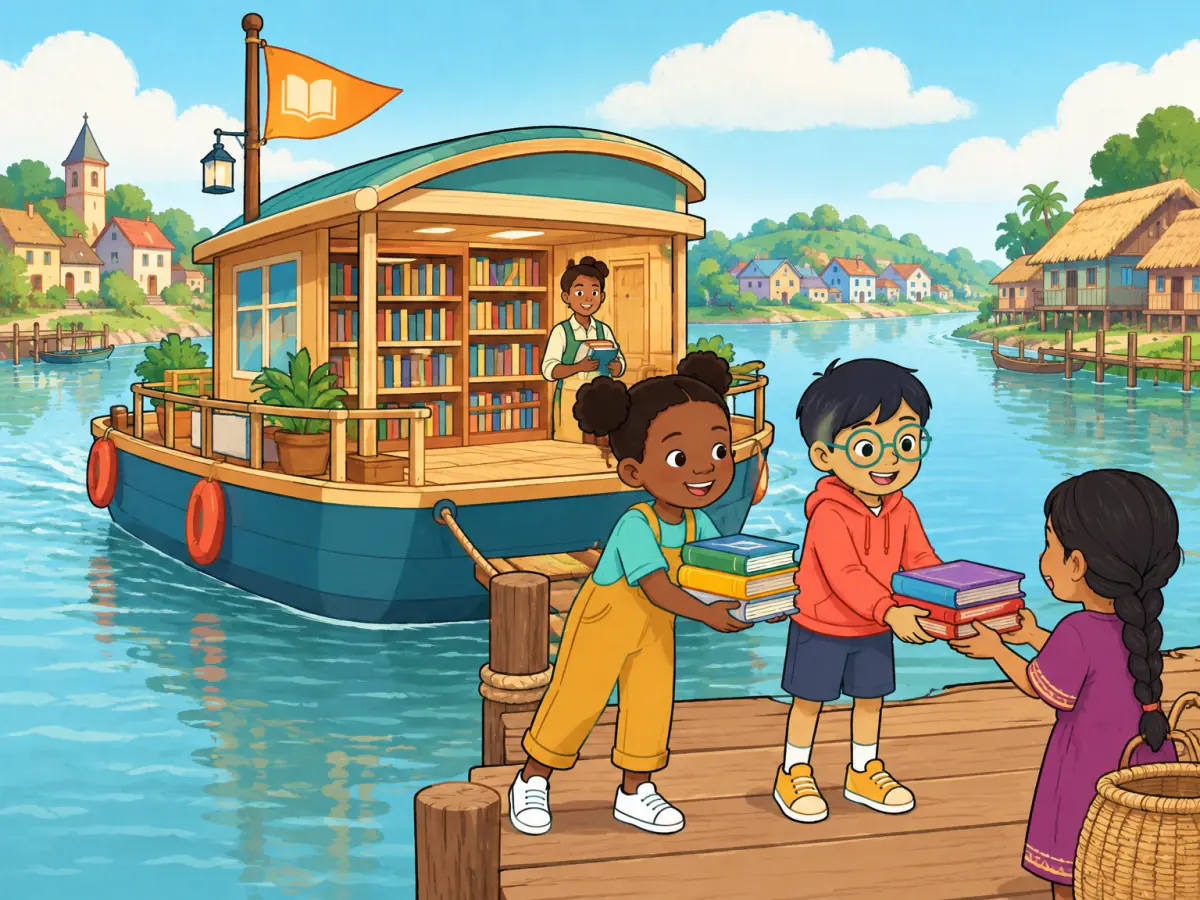
An original book-extract scene follows a floating-library barge delivering books to three river villages.

BOOKS BY BARGE

The blue library barge has been moving along the Willow River since Monday. Today, its crew has been carrying boxes to a village without a permanent library. Children have been waiting beside the safe landing stage since breakfast. The captain looks after the boat, while a librarian looks up each requested title. By evening, the barge will visit three communities and collect new reading requests.

Writer's studio

An original book-extract scene follows a floating-library barge delivering books to three river villages.

Nia Who will read your text?

Leo Children who are learning to ride will read it.

How do you ride safely?

HOW TO RIDE A BIKE First, put on a helmet and look round. Next, check the brakes and tyres. Then, start on a clear path and signal before you turn. Finally, slow down and stop in a safe place.

  • They have been travelling since eight.
  • Have you been looking after the batteries?
  • The team has been checking the panels since eight.
تعلّم هذه الوحدة
كيف تريد أن تتعلّم؟

الخطوات بالترتيب: first وnext وthen وfinally

نص التعليمات يخبر القارئ بما يفعله خطوة بخطوة. تبدأ كل خطوة بالفعل في صورته الأساسية، من دون “you”، مثل “Check the brakes.” والكلمة الدالة على الترتيب في أول الجملة تبيّن مكان الخطوة، وتأتي بعدها في الكتابة فاصلة عادةً. تُستخدم first وfinally مرة واحدة لكل منهما، أما next وthen فيمكن تكرارهما في كل خطوة وسطى. والترتيب يشبه قولنا بالعربية: أولًا، ثم، بعد ذلك، وأخيرًا.

  • First: الخطوة التي تسبق كل الخطوات (أولًا)
  • Next وThen وAfter that: الخطوات الوسطى (ثم، بعد ذلك)
  • Finally: الخطوة الأخيرة (أخيرًا)

من الرسم إلى نص التعليمات

اسأل أولًا: من سيقرأ النص؟ إذا كان القرّاء أطفالًا يتعلمون ركوب الدراجة، فكل خطوة تحتاج إلى فعل أو فعلين قصيرين. كثير من الأطفال يخططون أفضل بالرسم: أربعة مربعات تصل بينها أسهم، وتحت كل مربع فعل واحد. يصبح كل مربع جملة، ويصبح كل سهم كلمة ترتيب.

“HOW TO RIDE A BIKE. First, put on a helmet and look round. Next, check the brakes and tyres. Then, start on a clear path and signal before you turn. Finally, slow down and stop in a safe place.”

كلمة “signal” تعني أن تشير بذراعك إلى الاتجاه الذي ستنعطف إليه. هل يستطيع طفلك أن يجد الأفعال الثمانية في النموذج ويمثّلها بالحركة؟

الحديث عن عمل مستمر: have been + -ing

الأمر يقول ما يجب فعله، أما تقرير التقدم فيقول ما كان شخص ما يفعله حتى الآن. للنشاط الذي بدأ في الماضي وما زال مستمرًا تستخدم الإنجليزية have أو has + been + -ing (زمن present perfect continuous). ونجيب عن “How long…?” بـ since مع نقطة البداية، أو بـ for مع المدة. وفي السؤال تأتي have أولًا: “Have you been looking after the batteries?”

في العربية نقول «أختبره منذ الثامنة» بالفعل المضارع، لذلك يقول الأطفال كثيرًا “I am testing it since eight.” والصحيح بالإنجليزية: “I have been testing it since eight.” وفي المقابلة أدناه تحاور مراسلةٌ مهندسًا يختبر عبّارة شمسية، أي سفينة ركاب تعمل بطاقة الشمس.

Nia How long have you been testing it?

Leo I have been testing it since eight this morning.

Nia What have you been checking?

Leo I have been checking the roof panels and recording their energy use.

ما زال مستمرًا أم نتيجة؟

في التقارير تختلط صيغتان كثيرًا. صيغة have been + -ing تصف النشاط الذي ما زال مستمرًا. أما have مع التصريف الثالث للفعل (found وcarried) فتعطي نتيجة، أو تقول هل حدث الشيء أم لا. وفي إجابة المهندس أدناه الصيغتان معًا.

  • نشاط مستمر: “The barge has been moving along the river since Monday.”
  • نتيجة، أو شيء لم يحدث بعد: “We have not carried passengers yet.”

Nia What has your team found?

Leo The batteries have been charging reliably, but we have not carried passengers yet.

تعلّم هذه الوحدة بطريقتك

كلمات هذا الموضوع: وسائل النقل وlook

كلمتا lorry وmotorbike من الإنجليزية البريطانية، ويقول الأمريكيون truck وmotorcycle. وcoach حافلة للرحلات الطويلة. وفي yacht لا يُنطق الحرفان ch، فتتفق في القافية مع “hot”. ويتغيّر معنى look بحسب الكلمة الصغيرة التي تأتي بعده. وبعد look forward to يأتي اسم أو فعل بـ -ing، لأن to هنا حرف جر.

  • في الجو: hot-air balloon (منطاد هواء ساخن)، helicopter (مروحية)
  • على الماء وتحته: yacht (يخت)، submarine (غواصة)، barge (قارب مسطح لنقل البضائع في الأنهار)
  • على الطريق: coach (حافلة سفر)، lorry (شاحنة)، motorbike (دراجة نارية)
  • look after (يعتني بـ): “The captain looks after the boat.”
  • look up (يبحث عن معلومة): “A librarian looks up each title.”
  • look round (ينظر حوله): “Put on a helmet and look round.”
  • look forward to (يتطلع بشوق إلى): “I look forward to the first trip.”

أخطاء شائعة وطرق سهلة لتصحيحها

هذه الأخطاء طبيعية في المستوى A2. أعِد الجملة بشكلها الصحيح وتابعا الكلام.

  • “I am testing it since eight.”: والصحيح “I have been testing it since eight.”
  • “since two hours”: المدة تأخذ for، والصحيح “for two hours”.
  • “After, check the brakes.”: كلمة after لا تُستخدم وحدها بمعنى «بعد ذلك»؛ قل “Then” أو “After that”.
  • “I look forward to ride.”: والصحيح “I look forward to riding.”
  • “I have been knowing him for years.”: الفعل know لا يأخذ -ing، والصحيح “I have known him for years.”

لعبة في البيت: اتبع خطواتي

اختارا عملًا بسيطًا مثل تحضير شطيرة. يرسم طفلك أربعة مربعات، ثم يعطيك الخطوات بـ first وnext وthen وfinally. نفّذ الخطوات كما قيلت تمامًا: إذا نقصت خطوة فلن تخرج الشطيرة كما يجب، فيصلح طفلك النص.

ثم تبادلا الأدوار: بينما تطبخ يسألك طفلك “How long have you been cooking?” و“What have you been doing?”، وتجيب أنت بـ since أو for.

الخطوة التالية

بعد ذلك يستطيع طفلك أن يقارن بين نصين قصيرين عن التكنولوجيا، ثم يكتب سيرة قصيرة لمخترع، من الفكرة الأولى إلى نموذج يعمل.

الأسئلة الشائعة

ما كلمات الترتيب في الإنجليزية؟

هي كلمات مثل first وnext وthen وafter that وfinally، وتبيّن ترتيب الخطوات. في نص التعليمات تبدأ كل خطوة بواحدة منها، وتأتي بعدها فاصلة عادةً.

ما الفرق بين “I have tested it” و“I have been testing it”؟

“I have been testing it” تركّز على النشاط، وهو ما زال مستمرًا. أما “I have tested it” فتركّز على النتيجة: الاختبار انتهى. ومع الأفعال التي تدل على نشاط يأتي سؤال “How long…?” عادةً بصيغة -ing.

هل نقول “look forward to see” أم “look forward to seeing”؟

الصحيح “look forward to seeing”، لأن to هنا حرف جر، فيأتي بعدها اسم أو فعل بـ -ing.

تعلّم هذه الوحدة
كيف تريد أن تتعلّم؟

ما الخطوة التالية؟

التعلّم مع معلم مباشر

في دروس Flalingo للأطفال، يتدرّب طفلك على وحدات مثل هذه في درس فردي مع معلم مباشر، من خلال ألعاب على الشاشة نفسها.

احجز درسًا تجريبيًا مجانيًا