
انتقل إلى المحتوى
Flalingo

تدريبات على الإنجليزية

مخطط العملية في الجزء الأول من الكتابة في IELTS Academic: كيف تكتب النظرة العامة وتستخدم المبني للمجهول

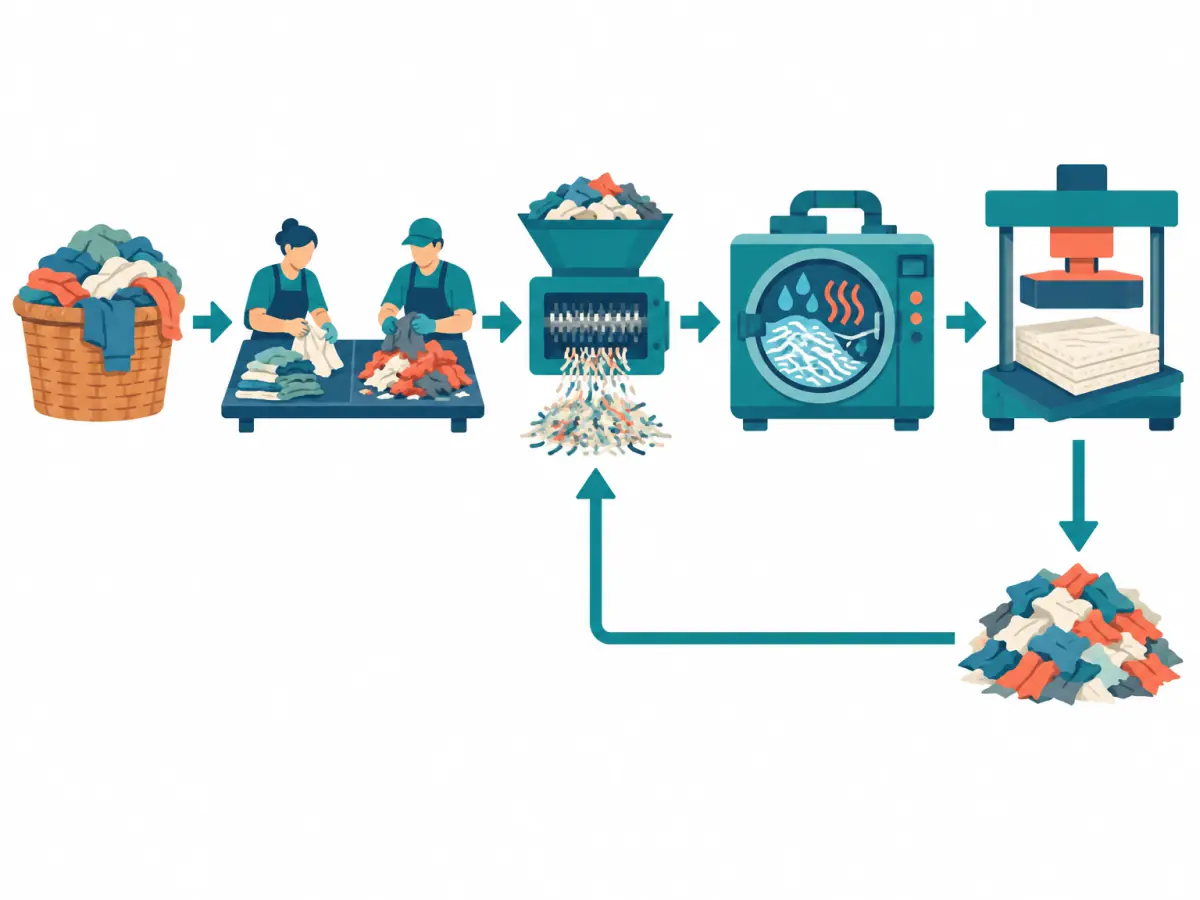
Material recovery cycle

كيف تصف مخطط عملية في الجزء الأول من الكتابة في IELTS Academic: حدّد المُدخل والمنتج وحلقة الرجوع، واكتب النظرة العامة أولًا، وجمّع المراحل، واختر المبني للمجهول. للمرشحين من مستوى B2 فما فوق.

في الجزء الأول من الكتابة في IELTS Academic يعرض مخطط العملية مراحل لا أرقامًا. ابدأ بنظرة عامة (overview) تذكر ما يدخل إلى العملية وما يخرج منها، وهل يعود جزء منها إلى الوراء. ثم صِف كل المراحل بالترتيب في فقرتين مجمّعتين، وبالمبني للمجهول في الغالب، لأن المادة أهم ممن يتعامل معها. ولا تضف أسبابًا أو آراء لا يعرضها المخطط. هذا الشرح موجّه إلى مرشحي IELTS Academic ممن يبلغ مستواهم في الإنجليزية فوق المتوسط (B2) فما فوق.

لمن هذا المقال؟

  • المرشحون الذين يتعاملون جيدًا مع الرسوم البيانية والجداول لكنهم يتوقفون حين يعرض الجزء الأول مراحل بدل الأرقام.
  • من تبدو تقاريرهم عن العمليات قائمةً من التسميات، مع “then” قبل كل خطوة.
  • من ينتقلون بين المبني للمعلوم والمبني للمجهول بلا سبب، أو يربطون سهم الرجوع بالمرحلة الخطأ.
  • مبكر جدًا: إذا لم تكتب نظرة عامة للجزء الأول من قبل، فابدأ بشرح الرسم البياني الخطي (الروابط في الأسفل)، فهو يبني العادة نفسها مع الأرقام.
  • سهل جدًا: إذا كانت تقاريرك عن العمليات دقيقة بالفعل، فانتقل إلى الفقرات الحجاجية في الجزء الثاني من الكتابة (الروابط في الأسفل).

افتح الصفحات النموذجية

افتح الصفحات النموذجية

بطاقات الكلمات

active versus passive focus

Choose active for the agent and passive for the receiver or stage.

Workers sort the glass. The glass is sorted by colour.

passive across tenses

Build the passive with the correct form of be plus a past participle.

The leaves are dried; the old shed was removed.

by-agent: include or omit

Name the agent only when it adds useful information.

The samples are sealed. They are checked by an independent technician.

passive infinitive and gerund

Use to be done or being done when the action receiver stays in focus.

The fibre needs to be washed before being pressed.

مثال على المحادثة

What belongs in the overview?

Used cotton is prepared and transformed into insulation panels, while offcuts are returned to an earlier stage.

The overview states input, product and cyclic feature.

  • is prepared
  • is transformed
  • are returned

تركيب الجملة

Which focus fits the diagram?

The selected cloth is shredded, then the fibre is washed and dried before being pressed into panels.

The passive keeps the material and stages in focus.

  • is shredded
  • is washed and dried
  • being pressed

تدريبات إضافية

Follow the complete cycle

Material recovery cycle

What belongs in the overview?

Used cotton is prepared and transformed into insulation panels, while offcuts are returned to an earlier stage.

The overview states input, product and cyclic feature.

  • is prepared
  • is transformed
  • are returned

Cotton recovery stages

  1. Used cotton cloth is collected
  2. Cloth is sorted by fibre condition
  3. Suitable cloth is shredded
  4. Fibre is washed and dried
  5. Fibre is pressed into insulation panels
  6. Offcuts return to shredding

Structure controls

  • Start: collection
  • Main transformation: shredding → washing/drying → pressing
  • End product: insulation panels
  • Cycle: the return arrow takes offcuts back to the shredder (stage 3)

Check the evidence

Material recovery cycle

Cotton recovery stages: 1 Used cotton cloth is collected; 2 Cloth is sorted by fibre condition; 3 Suitable cloth is shredded; 4 Fibre is washed and dried; 5 Fibre is pressed into insulation panels; 6 Offcuts return to shredding

Structure controls: Start: collection; Main transformation: shredding → washing/drying → pressing; End product: insulation panels; Cycle: offcuts return to stage 3

Cotton recovery stages

  1. Used cotton cloth is collected
  2. Cloth is sorted by fibre condition
  3. Suitable cloth is shredded
  4. Fibre is washed and dried
  5. Fibre is pressed into insulation panels
  6. Offcuts return to shredding

Structure controls

  • Start: collection
  • Main transformation: shredding → washing/drying → pressing
  • End product: insulation panels
  • Cycle: offcuts return to stage 3
  1. What is the process input?

    اعرض الإجابة والشرح

    used cotton cloth

    Collection begins with used cotton cloth.

  2. Which stage directly precedes pressing?

    اعرض الإجابة والشرح

    washing and drying

    The visible sequence puts washing and drying before pressing.

  3. What makes the process partly cyclical?

    اعرض الإجابة والشرح

    Offcuts return to shredding.

    The return arrow connects offcuts to stage 3.

Describe Process Stages: transfer

Material recovery cycle

Cotton recovery stages

  1. Used cotton cloth is collected
  2. Cloth is sorted by fibre condition
  3. Suitable cloth is shredded
  4. Fibre is washed and dried
  5. Fibre is pressed into insulation panels
  6. Offcuts return to shredding

Structure controls

  • Start: collection
  • Main transformation: shredding → washing/drying → pressing
  • End product: insulation panels
  • Cycle: offcuts return to stage 3

Build connected process prose

Collection staff receive the cloth. Workers inspect it and remove unsuitable material. Machines shred the selected cloth. A closed system washes and dries the fibre. A press shapes it into panels. Staff return offcuts to the shredder.

Which focus fits the diagram?

The selected cloth is shredded, then the fibre is washed and dried before being pressed into panels.

The passive keeps the material and stages in focus.

  • is shredded
  • is washed and dried
  • being pressed

Cotton recovery stages

  1. Used cotton cloth is collected
  2. Cloth is sorted by fibre condition
  3. Suitable cloth is shredded
  4. Fibre is washed and dried
  5. Fibre is pressed into insulation panels
  6. Offcuts return to shredding

Structure controls

  • Start: collection
  • Main transformation: shredding → washing/drying → pressing
  • End product: insulation panels
  • Cycle: offcuts return to stage 3

Check the evidence

Collection staff receive the cloth. Workers inspect it and remove unsuitable material. Machines shred the selected cloth. A closed system washes and dries the fibre. A press shapes it into panels. Staff return offcuts to the shredder.

Cotton recovery stages

  1. Used cotton cloth is collected
  2. Cloth is sorted by fibre condition
  3. Suitable cloth is shredded
  4. Fibre is washed and dried
  5. Fibre is pressed into insulation panels
  6. Offcuts return to shredding

Structure controls

  • Start: collection
  • Main transformation: shredding → washing/drying → pressing
  • End product: insulation panels
  • Cycle: offcuts return to stage 3
  1. Which sentence keeps the material in focus?

    اعرض الإجابة والشرح

    The selected cloth is shredded.

    The passive subject is the material shown in the process.

  2. When is a by-agent useful?

    اعرض الإجابة والشرح

    when the agent adds relevant information

    A by-agent is omitted when it is unknown or unimportant.

  3. Which sequence is accurate?

    اعرض الإجابة والشرح

    Fibre is washed and dried before pressing.

    That order matches stages 4 and 5.

Control Passive Focus and Sequence: transfer

Material recovery cycle

Cotton recovery stages

  1. Used cotton cloth is collected
  2. Cloth is sorted by fibre condition
  3. Suitable cloth is shredded
  4. Fibre is washed and dried
  5. Fibre is pressed into insulation panels
  6. Offcuts return to shredding

Structure controls

  • Start: collection
  • Main transformation: shredding → washing/drying → pressing
  • End product: insulation panels
  • Cycle: offcuts return to stage 3
تعلّم هذه الوحدة
كيف تريد أن تتعلّم؟
لديك حساب؟

يفتح الحساب المجاني وحدة واحدة تبقى مفتوحة دائمًا.

ما الذي يطلبه منك مخطط العملية

يعرض مخطط العملية كيف يُصنع شيء ما أو يتغيّر، مرحلةً بعد مرحلة. لخّصه في 150 كلمة على الأقل، دون آراء، وفي أربعة أجزاء:

  • المقدمة: ما يعرضه المخطط، بكلماتك الخاصة.
  • النظرة العامة: المُدخل والمنتج النهائي وأي حلقة.
  • فقرة التفاصيل الأولى: المجموعة الأولى من المراحل.
  • فقرة التفاصيل الثانية: بقية المراحل وحلقة الرجوع.

اقرأ المخطط: المُدخل والمنتج ونقطة الرجوع

يعرض المخطط التدريبي في هذه الصفحة عملية استرداد القطن. قبل الكتابة، حدّد المُدخل (قماش قطني مستعمل)، والمنتج النهائي (ألواح عازلة)، والموضع الذي ينتهي عنده سهم الرجوع: عند التقطيع، أي المرحلة الثالثة، لا عند الجمع.

لا يذكر المخطط أسبابًا ولا أوقاتًا ولا كميات، فلا تذكرها في تقريرك أيضًا. وهذه تسمياته بالترتيب:

  • 1. “Used cotton cloth is collected”
  • 2. “Cloth is sorted by fibre condition”
  • 3. “Suitable cloth is shredded”
  • 4. “Fibre is washed and dried”
  • 5. “Fibre is pressed into insulation panels”
  • 6. “Offcuts return to shredding”

اكتب النظرة العامة أولًا

تشير معايير تقييم الجزء الأول إلى نظرة عامة واضحة على الاتجاهات أو الفروق أو المراحل الرئيسية. وفي العملية يعني ذلك المُدخل والمنتج والحلقة، دون آلات أو خطوات ثانوية.

يسأل النموذج المسجّل في هذه الصفحة “What belongs in the overview?” ويجيب “Used cotton is prepared and transformed into insulation panels, while offcuts are returned to an earlier stage.” في جملة واحدة.

ما الذي يجعل هذه العملية دائرية جزئيًا؟

جمّع المراحل في فقرتين

قسّم العملية حيث تتغير المادة أكثر: التحضير قبل التقطيع، والتحويل بدءًا منه.

  • التحضير: “First, used cotton cloth is collected and sorted according to the condition of its fibres.”
  • التحويل: “Suitable cloth is then shredded, after which the fibre is washed and dried before being pressed into insulation panels.”
  • الحلقة: “Any offcuts are returned to the shredding stage.”
  • ست جمل بفعل واحد تبدو قائمة، أما فعلان أو ثلاثة في الجملة فتجعل النص تقريرًا.

المبني للمجهول أم للمعلوم: اختر محور الجملة

يدور تقرير العملية حول المادة، لذلك تكون المادة عادةً فاعل الجملة الإنجليزية (subject). قارن “Workers sort the glass. The glass is sorted by colour.” فالمبني للمجهول يُبقي الزجاج (glass) في المركز. ولكل بطاقة في هذه الصفحة تسجيل صوتي.

  • البنية: be مع التصريف الثالث (past participle)، وزمن الجملة يظهر في be، كما في “The leaves are dried; the old shed was removed.” واستخدم present simple للعملية التي تتكرر. في العربية يُبنى الفعل للمجهول بتغيير حركاته (يُجمَع، يُفرَز) دون فعل مساعد، ولا تحتاج الجملة الاسمية إلى فعل كون في المضارع، لذلك يسهل إسقاط “is” في الإنجليزية، فانتبه له.
  • الفاعل الحقيقي (agent): أضف “by …” فقط حين يضيف معلومة. ففي “The samples are sealed. They are checked by an independent technician.” تضيف “by an independent technician” معلومة، أما “by workers” فلا تضيف شيئًا.
  • بعد الأفعال وحروف الجر: يجمع المثال “The fibre needs to be washed before being pressed.” بين صيغتين مبنيتين للمجهول هما “to be washed” و“being pressed” في جملة واحدة. وعبارة “Needs washing” صحيحة أيضًا.
  • غالبًا ما تبقى العمليات الطبيعية مبنية للمعلوم، مثل “the eggs hatch” في وصف دورة حياة. والفعل المستخدم دون مفعول به لا يُبنى للمجهول.
تعلّم هذه الوحدة بطريقتك

كلمات الترتيب التي تحفظ التسلسل

يجب أن تطابق أدوات الربط الأسهم. يسأل النموذج المسجّل الثاني في هذه الصفحة “Which focus fits the diagram?” ويجيب “The selected cloth is shredded, then the fibre is washed and dried before being pressed into panels.” في جملة واحدة متصلة.

  • الكلمات “First” و“next” و“after that” و“finally” واضحة: نوّع بينها ولا تكدّسها.
  • كلمة “Once” مع المبني للمجهول في present perfect، مثل “Once the fibre has been dried, it is pressed into panels.” وهي تربط مرحلتين.
  • كلمة “before” أو “after” مع “being” والتصريف الثالث، مثل “after being sorted” في وصف الفرز.
  • الجملة “Fibre is washed and dried before pressing” صحيحة، أما “Panels are pressed before washing” فخاطئة.

أخطاء تكلّفك درجات

راجع كل تقرير تدريبي بحثًا عن هذه الأخطاء:

  • نظرة عامة بلا مُدخل أو منتج أو حلقة.
  • سهم رجوع مربوط بالمرحلة الخطأ.
  • فرض المبني للمجهول على فعل لا يُبنى له، مثل “is consisted of” و“was happened” في التقرير.
  • إسقاط “be” كما في “The cloth sorted by condition” بدل الصيغة الصحيحة.
  • أسباب لا يذكرها المخطط، مثل إضافة “to protect the environment” إلى جملة.

روتين امتحاني في 20 دقيقة

ثلاث مرات في الأسبوع، مع مخطط واحد وتوقيت:

  • 3 دقائق: حدّد المُدخل والمنتج وكل سهم ونقطة الرجوع.
  • دقيقتان: اختر مجموعتين من المراحل واكتب النظرة العامة.
  • 12 دقيقة: المقدمة والنظرة العامة وفقرتا التفاصيل.
  • 3 دقائق: راجع ترتيب المراحل وكل “be” وتهجئة كلمات مثل “shredded” و“dried” في نصك.
  • بعد ذلك، أعد سرد العملية بصوت عالٍ ذاكرًا الفاعلين المهمين فقط.

ما الخطوة التالية

الخرائط نوع آخر من مرئيات الجزء الأول بلا بيانات رقمية للعرض: مخططان لمكان واحد يُوصفان بالمبني للمجهول في الماضي، مثل “was converted into” و“was replaced by” في وصف التغييرات. ثم يطلب الجزء الثاني من الكتابة حججًا لا تدّعي أكثر مما يدعمه الدليل.

الأسئلة الشائعة

هل أستخدم المبني للمجهول في مخطط العملية في IELTS؟

في الغالب نعم، في العمليات التي يديرها الإنسان، حيث المادة أهم ممن يتعامل معها. أما الدورات الطبيعية فتوصف غالبًا بالمبني للمعلوم.

هل يجب أن أصف كل مراحل مخطط العملية في IELTS؟

نعم، بالترتيب وفي مجموعات، في فقرتي التفاصيل. أما النظرة العامة فتذكر المُدخل والمنتج وأي حلقة فقط.

كم يجب أن يكون طول إجابة مخطط العملية في الجزء الأول من الكتابة في IELTS؟

لا تقل عن 150 كلمة، في نحو 20 دقيقة. ويُحتسب الجزء الثاني ضعف الجزء الأول، فاحفظ وقت المقال.

Flalingo غير تابع للجهات التي تدير IELTS ولا يحظى بتأييدها.

تعلّم هذه الوحدة
كيف تريد أن تتعلّم؟
لديك حساب؟

يفتح الحساب المجاني وحدة واحدة تبقى مفتوحة دائمًا.

ما الخطوة التالية؟

واصل التدرّب مع Flai

Flai هو تطبيق Flalingo للتدرب على المحادثة بالذكاء الاصطناعي، ويقدم محادثات صوتية وتصحيحات وتقارير للدروس تساعدك على توجيه تدريبك.

التعلّم مع معلم مباشر

في دروس Flalingo تتدرّب على وحدات مثل هذه في درس فردي مع معلم مباشر.