본문으로 바로가기
Flalingo

영어 연습

아이와 쓰는 네 줄 영어 동작 시 (A2, 9–12세): 한 줄에 여덟 음절

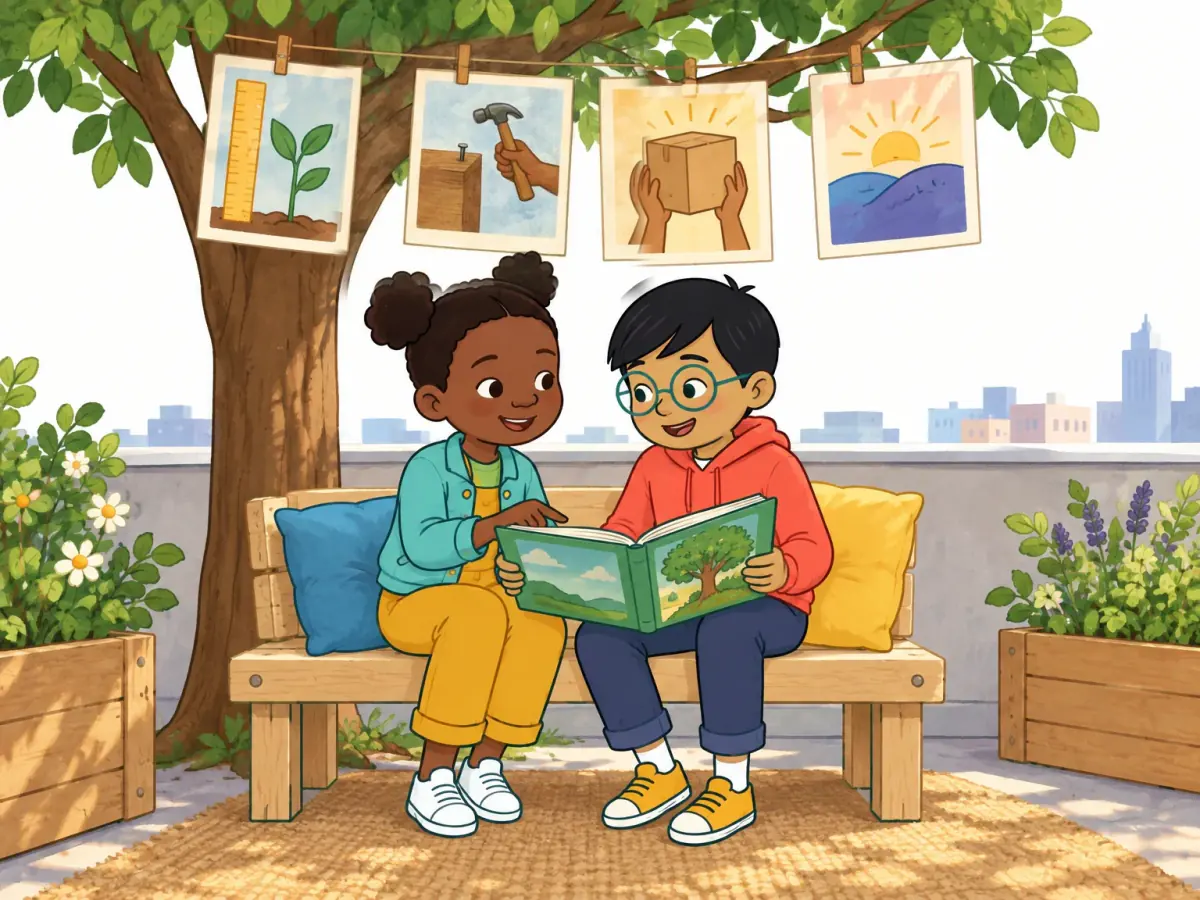
A rooftop reading corner contains a small handmade bench under a young tree, with four poem picture panels showing measure, tap, lift and rest.

아이가 영어로 네 줄짜리 동작 시를 쓰고 발표하도록 도와주세요(A2, 9–12세). 한 줄에 여덟 음절, 강한 박자 네 개, 두 줄씩 맞추는 각운을 익히고, 먼저 “Have you ever…?”로 만들어 본 것을 이야기합니다.

네 줄짜리 동작 시는 한 줄에 동작 하나를, 일을 하는 순서대로 담습니다. 각 줄은 여덟 음절과 강한 박자 네 개로 이루어지고, 두 줄씩 각운을 맞춥니다: “Measure the wood and mark each side.” 아이는 단어가 아니라 음절을 손뼉으로 세고, 일정한 박자에 맞춰 시를 낭독합니다. 쓰기 전에는 “Have you ever…?”, “for”, “since”로 자신이 만들어 본 것을 이야기합니다. 이 주제는 A2 단계로, 영어로 간단한 문장을 쓸 수 있는 약 9–12세 아이에게 알맞습니다.

이 글이 맞는 분

  • 영어로 간단한 문장을 쓰는 아이의 부모님: 아이가 어제 한 일을 말할 수 있고, 이제 소리와 리듬을 가지고 놀 준비가 되었습니다.
  • 만들기, 공작, 고치기를 좋아하는 아이: 시가 실제로 해 본 일을 네 줄로 바꿔 줍니다.
  • 집에서 짧은 프로젝트를 원하는 부모님: 종이, 연필, 두드릴 탁자만 있으면 되고, 아래 녹음으로 모든 문장을 들을 수 있습니다.
  • 아직 이른 경우: 과거형 문장이 아직 어렵다면 usually, now, yesterday로 일기를 쓰는 A2 글부터 시작하세요. 아래에 링크가 있습니다.
  • 너무 쉬운 경우: 각운이 맞는 줄을 이미 쓰고 “for”와 “since”를 바르게 쓴다면 “just”, “already”, “yet”을 다루는 A2 글로 넘어가세요.

예시 학습 페이지 열기

예시 학습 페이지 열기

단어 카드

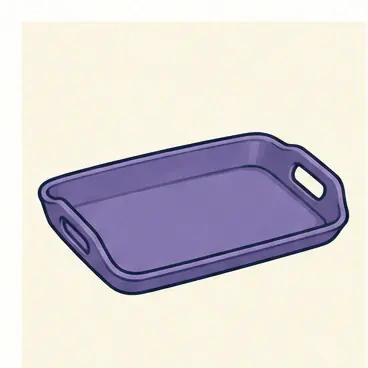
traytray
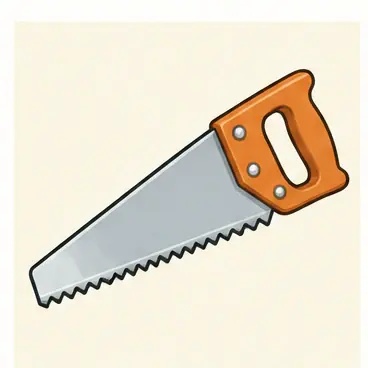
sawsaw
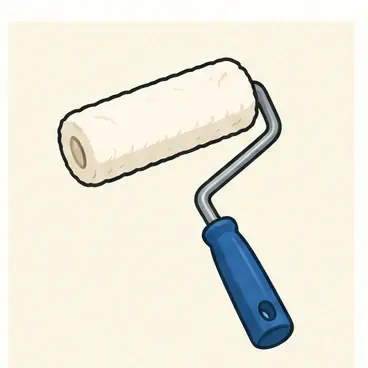
rollerroller
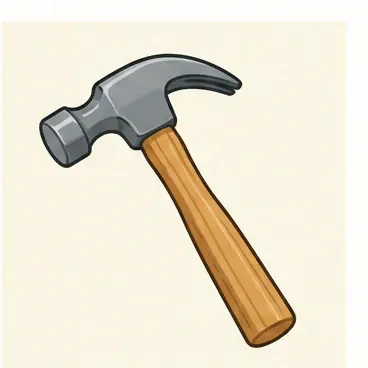
hammerhammer
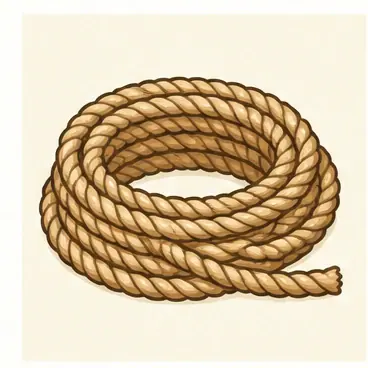
roperope
tools

objects used to make or repair things

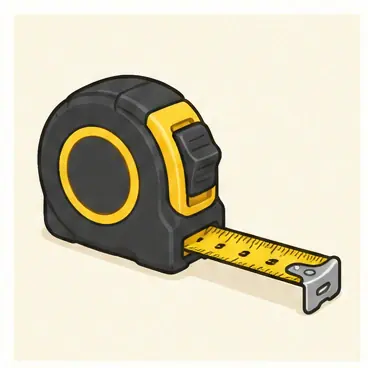
tape measuretape measure
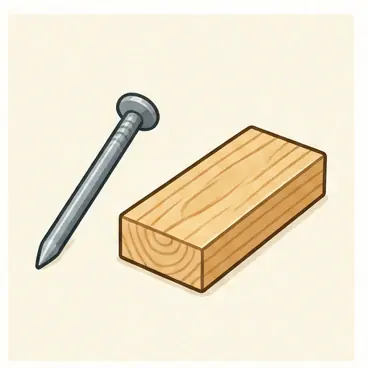
nailnail
Have you ever built something useful?

Study how this model connects form with meaning.

Yes, I have. I have worked on this stand for two weeks.

Study how this model connects form with meaning.

I have never used a saw alone.

Study how this model connects form with meaning.

We have been here since ten o’clock.

Study how this model connects form with meaning.

대화

Nia Have you ever built something useful?

Leo Yes, I have. I have worked on this stand for two weeks.

Leo Which objects did we put away?

Nia First the tape measure, then the roller, and finally the hammer.

Nia How long have we been here?

Leo We have been here since ten o’clock.

문장 형태

Have you ever built something useful?

Yes, I have. I have worked on this stand for two weeks.

  • I have never used a saw alone.
  • We have been here since ten o’clock.

추가 연습

Use the contrast

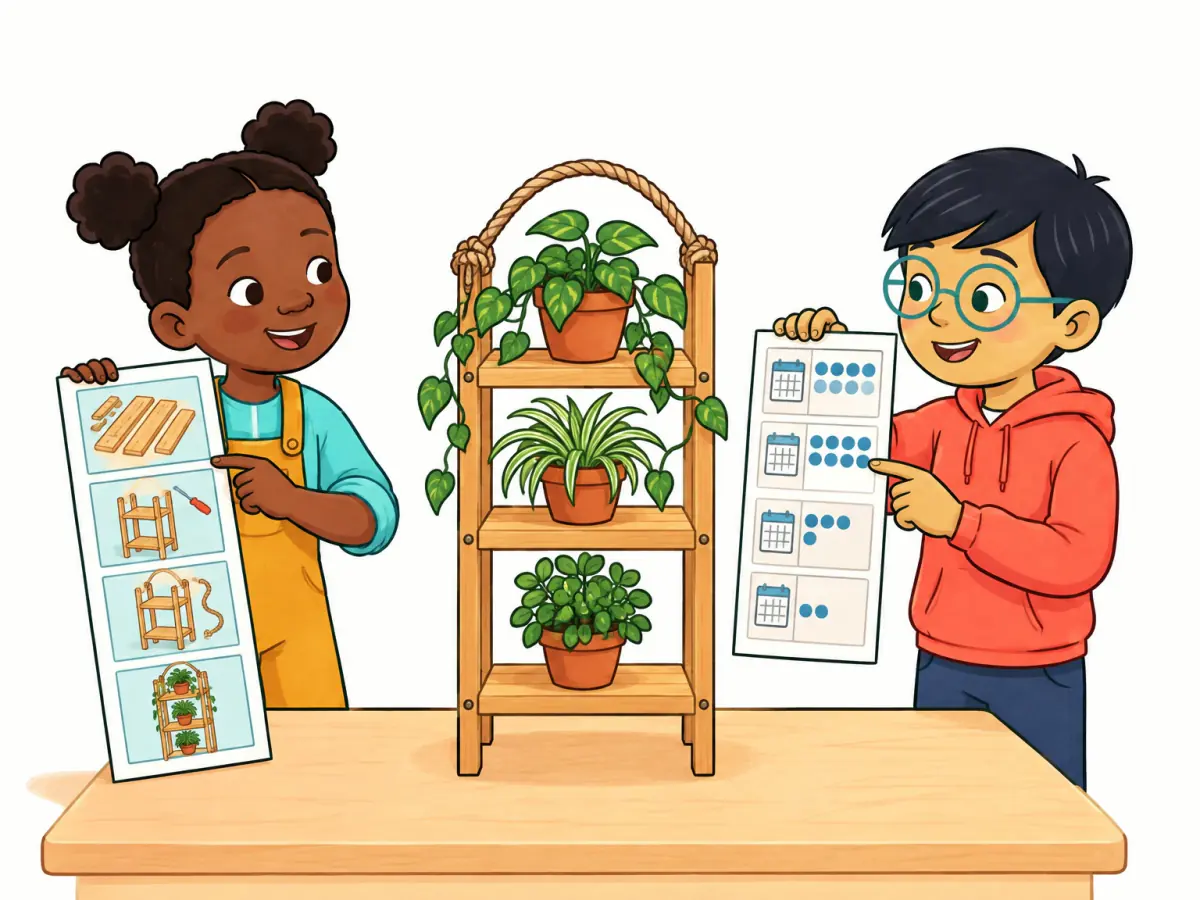
The finished wooden plant stand has three shelves and a rope handle. Nia shows a four-step picture record while Leo points to a calendar strip for time spent on the project.

Nia Have you ever built something useful?

Leo Yes, I have. I have worked on this stand for two weeks.

Leo Have you ever used a tape measure?

Nia Yes, but I have never used a saw alone.

Nia How long have we been here?

Leo We have been here since ten o’clock.

Have you ever built something useful?

Yes, I have. I have worked on this stand for two weeks.

  • I have never used a saw alone.
  • We have been here since ten o’clock.

Four beats for a bench

A rooftop reading corner contains a small handmade bench under a young tree, with four poem picture panels showing measure, tap, lift and rest.

FOUR BEATS FOR A BENCH

Measure the board with a careful eye.

Tap in a nail while the birds pass by.

Lift with a friend; keep the long rope tight.

Rest on the bench in the evening light.

Each line carries a clear action and a steady beat. The repeated rhythm helps a listener follow the building sequence.

Plan aloud

A rooftop reading corner contains a small handmade bench under a young tree, with four poem picture panels showing measure, tap, lift and rest.

Nia How will your four-line poem sound?

Leo Each line will have eight syllables and a steady beat.

Leo Which words will rhyme?

Nia Side will rhyme with pride, and tight will rhyme with light.

How will your four-line poem sound?

Measure the wood and mark each side. (8) Hammer each nail with steady pride. (8) Lift with a friend; keep rope pulled tight. (8) Rest on the bench in evening light. (8)

  • four action lines
  • eight syllables in each line
  • underline the strong beats
  • read with a steady rhythm

Draft and revise

A rooftop reading corner contains a small handmade bench under a young tree, with four poem picture panels showing measure, tap, lift and rest.

Nia Who will read your text?

Leo My teacher will hear me read my poem aloud.

Leo What will you check?

Nia I will check my spelling and punctuation.

How will your four-line poem sound?

Measure the wood and mark each side. (8) Hammer each nail with steady pride. (8) Lift with a friend; keep rope pulled tight. (8) Rest on the bench in evening light. (8)

  • four action lines
  • eight syllables in each line
  • underline the strong beats
  • read with a steady rhythm
이 단원 배우기
어떻게 배우고 싶나요?

네 줄 동작 시는 어떤 모양일까요

한 줄에 동작이 하나씩 들어가고, 줄은 일하는 순서를 따라갑니다. 그래서 듣는 사람이 일을 처음부터 끝까지 머릿속에 그릴 수 있습니다. 각 줄은 여덟 음절과 강한 박자 네 개로 이루어지고, 두 줄씩 각운을 맞춥니다. 이 예시를 소리 내어 읽으며 강한 박자마다 탁자를 두드려 보세요: MEAsure the WOOD and MARK each SIDE. 두드리는 간격이 고르면 박자가 일정한 것입니다.

  • Measure the wood and mark each side. (8)
  • Hammer each nail with steady pride. (8)
  • Lift with a friend; keep rope pulled tight. (8)
  • Rest on the bench in evening light. (8)

단어가 아니라 음절 세기

음절은 모음 소리 하나를 중심으로 한 소리의 한 박입니다: “wood”는 1음절, “measure”는 2음절(mea-sure)입니다. “Rest on the bench in evening light”는 일곱 단어지만 여덟 음절입니다. 음절마다 손뼉을 한 번 치거나, 턱 아래에 손을 대고 턱이 내려갈 때마다 세어 보세요.

한글로 적으면 음절 수가 달라진다는 점을 조심하세요. “pride”는 한글로 ‘프라이드’ 네 글자지만 영어로는 1음절입니다. 한글 표기에서는 자음 뒤에 ‘으’ 같은 모음이 붙지만 영어 발음에는 없기 때문입니다. 끝의 묵음 “e”도 음절을 늘리지 않아서 “side”는 1음절입니다. “-ed”도 보통 음절을 늘리지 않지만(“pulled”), t나 d 소리 뒤에서는 늘어납니다: “paint-ed”.

  • 줄이 짧으면? 꾸미는 말을 더하세요: “Lift the heavy box”.
  • 줄이 길면? 작은 단어를 빼거나 더 짧은 단어를 고르세요.

짝지은 각운: 눈이 아니라 귀로

두 단어가 강세가 있는 마지막 모음 소리부터 끝까지 같은 소리가 나면 각운이 맞습니다: side와 pride, tight와 light. 먼저 줄 끝에 올 각운 두 쌍을 고른 다음, 그 단어를 향해 각 줄을 만드세요. 각운은 철자가 아니라 소리로 정해집니다: “eight”는 “late”와 각운이 맞지만 “wood”와 “food”는 맞지 않습니다.

  • -ide: side, pride, wide
  • -ight: tight, light, bright
  • -ail: nail, tail, trail

만든 경험 말하기: “Have you ever…?”, for와 since

쓰기 전에 아이는 자기가 만들어 본 것을 이야기합니다. 현재완료(have + 과거분사)는 살면서 언제든 해 본 경험을 묻습니다: “Have you ever built something useful?” 대답은 “Yes, I have.” 또는 “No, I haven’t.”이고, 한 번도 해 보지 않았다면 “never”를 씁니다: “I have never used a saw alone.” 한국어의 ‘~해 본 적 있어?’와 뜻이 가까워 이해하기 쉽습니다.

과거에 시작해서 지금도 계속되는 일에는 기간과 함께 “for”, 시작한 때와 함께 “since”를 씁니다: “for two weeks”(2주 동안), “since ten o’clock”(10시부터). ‘부터’를 그대로 옮겨 “We have been here from ten o’clock.”이라고 하기 쉬운데, 현재완료와 함께라면 “since”가 자연스럽습니다.

Nia Have you ever built something useful?

Leo Yes, I have. I have worked on this stand for two weeks.

Nia How long have we been here?

Leo We have been here since ten o’clock.

나에게 맞는 방법으로 이 단원 배우기

동작 네 개를 순서대로, 그리고 도구 단어

아이가 실제로 해 본 일, 예를 들어 빵 굽기나 자전거 고치기를 골라 아래 대화처럼 “first”, “then”, “next”, “finally”로 네 단계를 나열하세요. 각 단계를 동사로 시작하는 줄로 바꾼 다음 목적어와 세부 내용을 더합니다: “Hammer each nail with steady pride.” 한국어는 동사가 문장 끝에 오지만(‘나무를 재라’), 영어 명령문은 동사로 시작합니다.

  • 도구 단어: hammer(망치), nail(못), saw(톱), tape measure(줄자), roller(롤러), rope(밧줄), tray(쟁반)
  • “saw”는 “see”의 과거형이기도 하고, “nail”에는 손톱이라는 뜻도 있습니다.

Leo Which objects did we put away?

Nia First the tape measure, then the roller, and finally the hammer.

집에서 하는 이틀 프로젝트: 오늘 쓰고 내일 발표하기

첫째 날, 20분: “Have you ever made something useful?”라고 묻고, 그 일을 골라 네 단계를 적고, 각운 두 쌍을 고른 뒤 줄을 씁니다. 각 줄을 손뼉으로 세어 여덟이 아닌 줄을 고치세요. 둘째 날, 10분: 강한 박자에 밑줄을 긋고 탁자를 두드리며 가족 앞에서 시를 발표합니다. 그다음 역할을 바꿔 부모님이 읽고, 아이가 박자가 고르지 않은 줄을 찾습니다.

흔한 실수와 쉬운 해결법

A2 단계에서는 자연스러운 실수입니다. 바른 문장으로 다시 말해 주고 계속 진행하세요.

  • 음절 대신 단어 세기: 손뼉을 치며 줄을 세어 보세요.
  • 묵음 “e” 세기: “side”는 2음절이 아니라 1음절입니다.
  • “I have worked here since two weeks.”: “for two weeks”라고 하세요.
  • “I am here since ten o’clock.”: “I have been here since ten o’clock.”이라고 하세요.
  • “Have you ever build…?”: “Have you ever built…?”라고 하세요.
  • “I have ever used a saw.”: “I have used a saw.”라고 하세요.

다음 단계

박자가 고른 네 줄이 쉬워지면 두 연짜리 시를 쓰거나 1행과 3행의 각운을 맞춰 보세요. 다음 문법 단계는 “just”, “already”, “yet”입니다: “I have just painted the shelf.” “Have you finished yet?”

자주 묻는 질문

영어 음절은 어떻게 세나요?

글자로 쓴 모음이 아니라 귀에 들리는 모음 소리를 셉니다. 단어를 말하며 박자마다 손뼉을 한 번 치세요. 끝의 묵음 “e”는 음절을 늘리지 않습니다: “side”는 1음절, “hammer”는 2음절입니다.

“for”와 “since”는 어떻게 다른가요?

“for”는 기간과 함께 씁니다: for two weeks, for an hour. “since”는 시작한 때와 함께 씁니다: since ten o’clock, since Monday. 지금도 계속되는 일이라면 둘 다 현재완료와 함께 씁니다.

시의 모든 줄이 음절 수가 같아야 하나요?

아닙니다. 한 줄에 여덟 음절은 리듬 감각을 기르는 연습 규칙입니다. 익숙해지면 일부러 규칙을 깨 봐도 좋습니다.

이 단원 배우기
어떻게 배우고 싶나요?

다음에는 무엇을 할까요?

라이브 선생님과 함께 배워요

Flalingo 어린이 수업에서는 아이가 이런 단원을 라이브 선생님과 1:1로, 같은 화면의 게임으로 연습합니다.

무료 체험 수업 예약하기