
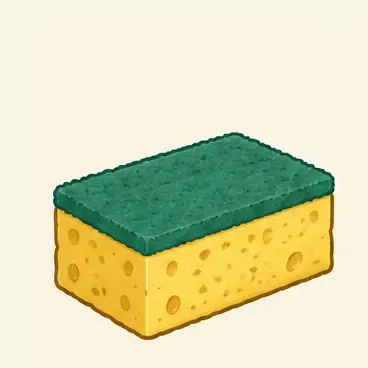
 sponge
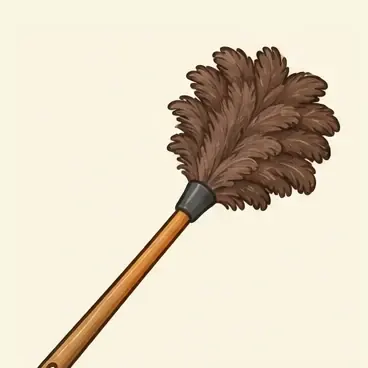 feather duster
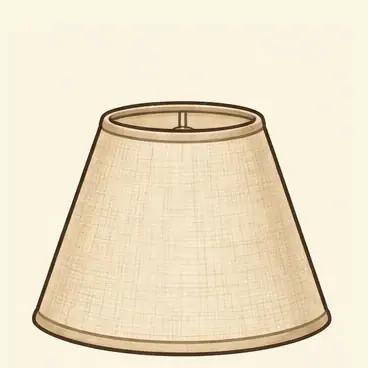 lampshade
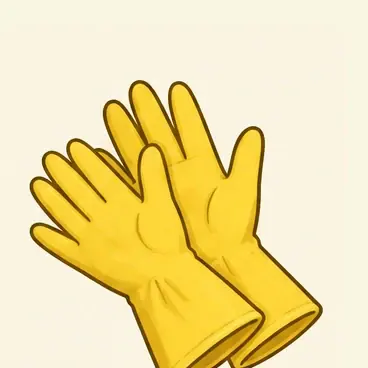 rubber gloves
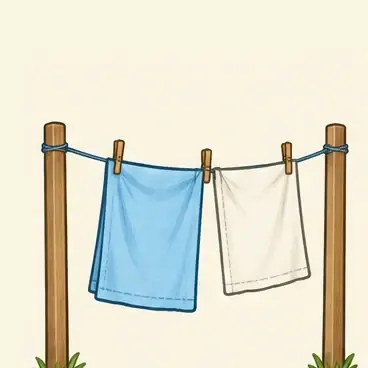 washing line
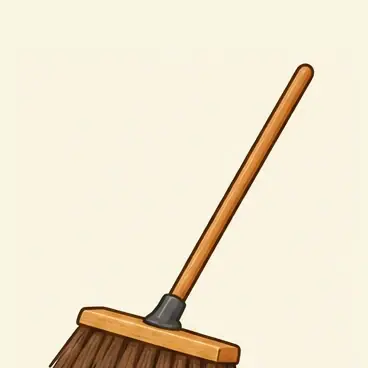 broom
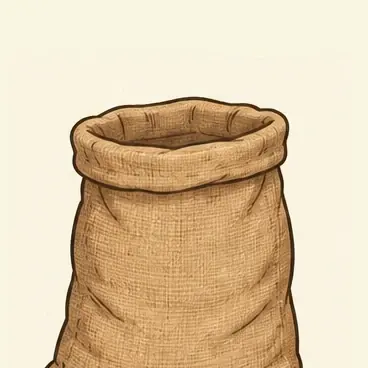 sack
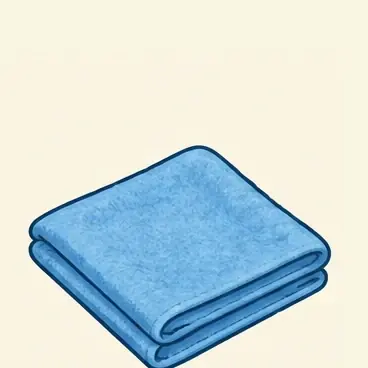 cloth
집안 물건 단어와 묘사하는 말
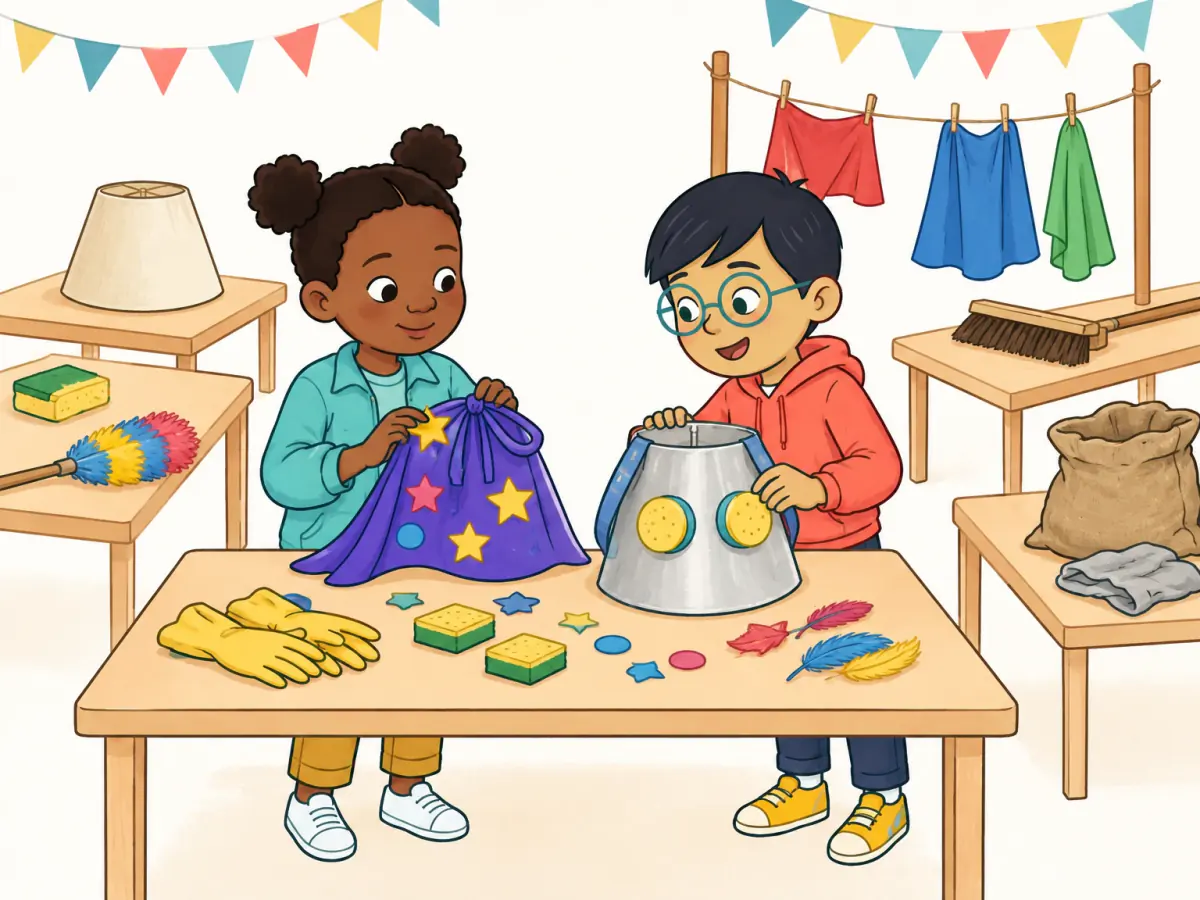
모든 것이 찬장에서 나오는 의상 파티를 떠올려 보세요. 스펀지로 별을 찍고, 천 한 조각이 망토가 됩니다. 한 단어는 주의하세요. “cloth”는 천이라는 재료이고, 우리가 입는 옷은 “clothes”입니다.
비교하려면 반대말 짝을 더하세요: soft와 rough (부드러운, 거친), light와 heavy (가벼운, 무거운), bright와 dark (밝은, 어두운), long과 short (긴, 짧은).
- sponge – 스펀지
- feather duster – 깃털 먼지떨이
- lampshade – 전등갓
- rubber gloves – 고무장갑
- washing line – 빨랫줄
- broom – 빗자루
- sack – 거친 천으로 만든 큰 자루
- cloth – 천 (옷이나 망토를 만드는 재료)
too와 enough: 이 용도에 맞을까?
“too”는 어떤 목적에 필요한 것보다 지나치다는 뜻이라 문제가 있습니다: “The sack is too rough.” “enough”는 필요한 만큼이라는 뜻이라 쓸 수 있습니다: “It is light enough.” “not”과 함께 쓰면 무엇이 모자라는지 말합니다: “The string is not long enough.”
“too”는 형용사 앞에, “enough”는 형용사 뒤에 옵니다. 한국어는 “충분히 가벼워”처럼 “충분히”를 앞에 두기 때문에 아이들이 “enough light”라고 말하기 쉽습니다. 목적을 말할 때는 “to”와 동사를 붙입니다: “too heavy to carry” (너무 무거워서 들 수 없는), “light enough to wear” (입을 수 있을 만큼 가벼운).
- “The cape is too long.”: 문제가 있음
- “It is short enough to wear safely.”: 문제가 해결됨
as … as, -er than, the -est
“as … as”는 두 가지가 같다는 뜻으로, 한국어의 “~만큼”과 비슷합니다: “The sponge is as soft as the cloth.” (스펀지는 천만큼 부드럽다.) “not as … as”는 앞의 것이 덜하다는 뜻입니다. 아이는 아마 두 가지를 비교하는 “-er than” (“The feather duster is softer than the broom.”)과 무리 안의 하나를 말하는 “the -est” (“The lampshade is the brightest item on the table.”)를 알고 있을 겁니다.
이 주제의 핵심 패턴은 비교와 결정을 “but”으로 잇습니다: “Is the cloth as bright as the lampshade?” “No. It is not as bright, but it is light enough to wear.” 천은 밝기에서는 지지만 그래도 쓸모가 있습니다.
예측하고, 듣고, 확인하기
듣기 전에 “What do you think will happen to the costume?”이라고 묻고, 아이가 “I predict that… will…”로 대답하게 하세요. 그다음 대화를 틀고 “Who ties the rope?”라고 물은 뒤 다시 들으며 확인합니다.
예측은 앞으로의 일이라 “will”을 쓰고, 이어지는 단계는 이야기 줄거리를 말할 때처럼 현재 시제(“cuts”, “ties”)로 말합니다.
Nia What do you think will happen to the costume?
Leo I predict that the bright cloth will become a cape.
Nia Then Mara cuts the cloth and Amir ties the rope.
Leo Jo paints the lampshade, and Suri uses the sponge to add stars.
Nia Was your prediction correct?
Leo Yes. The cloth becomes a cape for the final scene.
의상 수선 이야기 쓰기
수선 이야기는 네 부분으로 이루어집니다: 시작, “too”나 “not … enough”로 말하는 문제, 수선, “enough”가 들어간 결말. 어린 사촌처럼 실제로 읽을 사람을 정하고 써 보세요.
바꿔 쓸 수 있는 예시: “The music started, but the silver cape was too long. The two friends folded it and fixed it with cloth tape. It was short enough to wear safely. The dancers entered together, and the audience cheered.”
- 계획: 의상, 문제, 고치는 방법
- 쓰기: “too”와 “enough”가 들어간 과거 시제 네 문장
- 확인: 비교 한 번, 대문자, 마침표
흔한 실수와 쉬운 해결법
A2 단계에서는 자연스러운 실수입니다. 바른 문장으로 다시 말해 주고 계속하세요.
- “It is enough light.”: “enough”는 형용사 뒤에 옵니다: “It is light enough.”
- “The cape is too much long.”: “much”는 필요 없습니다: “The cape is too long.”
- “Your costume is too beautiful!”: 문제가 없을 때는 “really”를 씁니다: “Your costume is really beautiful!” 한국어의 “너무 예쁘다”를 그대로 옮기면 생기는 실수입니다.
- “too heavy for carry”: 동사 앞에는 “to”를 씁니다: “too heavy to carry”.
- “as bright than”: “as bright as” 또는 “brighter than”이라고 합니다.
집에서 하는 놀이: 의상 만들기 도전
스카프, 행주, 종이봉투, 상자처럼 안전한 물건을 몇 가지 모으고, 슈퍼히어로 망토처럼 만들 의상을 하나 정하세요. 아이는 물건을 하나씩 들고 판단합니다: “The tea towel is too small.” “The scarf is long enough.” 부모님은 이렇게 묻습니다: “Is the bag as strong as the box?”
그다음 역할을 바꾸고 예측을 더합니다: “What do you think will happen to the box?” “I predict that it will become a robot head.”
다음 단계
too와 enough가 쉬워지면 연결어로 생각을 이어 볼 수 있습니다: “The cape was too long, so we folded it.” 이것은 이유와 결과를 설명하는 짧은 정보 글쓰기로 이어집니다.