본문으로 바로가기
Flalingo

영어 연습

아이와 영어로 그림 묘사하기 (A2, 10–12세): 앞쪽, 뒤쪽, 왼쪽, 오른쪽을 말하는 법

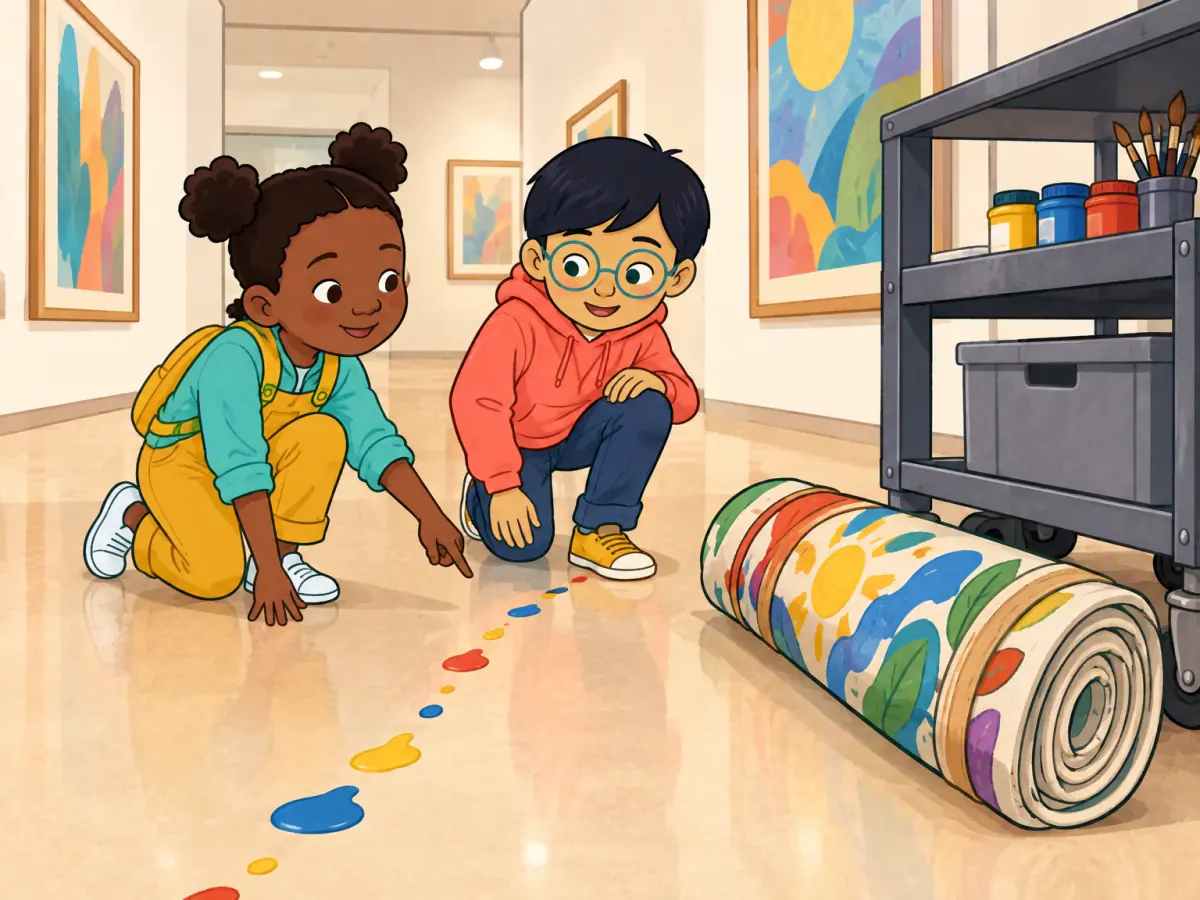
An original adventure scene in a closed gallery: two children follow a trail of red, yellow and blue paint drops to find a rolled community mural safely beside a storage cart.

A2 단계의 10–12세 아이가 “in the foreground”, “in the background”, “on the left”로 그림을 영어로 묘사하고, going to, will, 현재진행형으로 미술 프로젝트를 계획하도록 도와주세요.

영어로 그림을 묘사할 때 아이들은 보이는 것을 말하고, 세부 내용을 더하고, 위치를 말합니다: “A woman in a yellow coat stands in the foreground.” 핵심 표현은 “in the foreground”(앞쪽에), “in the background”(뒤쪽에), “on the left”(왼쪽에), “on the right”(오른쪽에)입니다. 그다음 세 가지 미래 표현으로 미술 프로젝트를 계획합니다: “I am going to paint a river mural.”(계획), “I will carry the brushes.”(제안), “We are meeting the artist on Friday.”(약속). 사람과 장소에 대해 간단한 문장을 이미 만들 수 있는 약 10–12세 아이에게 맞는 A2 단계 주제입니다.

이 글이 맞는 분

  • 사람과 장소를 간단한 문장으로 말할 수 있는 아이의 부모님: 아이가 “There is a bridge.”와 “She is wearing a coat.”를 말할 수 있습니다.
  • 그리기, 박물관, 만들기를 좋아하는 아이: 미술 이야기는 더 긴 문장을 만들 좋은 이유가 됩니다.
  • 집에서 연습하고 싶은 부모님: 엽서부터 책 표지까지 어떤 그림이든 괜찮고, 아래 대화의 모든 문장을 들을 수 있습니다.
  • 아직 이른 경우: “She stands”와 “She is standing”을 아직 헷갈린다면 아래에 연결된, 평소 아침 식사와 오늘 아침 식사를 비교하는 A2 글부터 시작하세요.
  • 너무 쉬운 경우: 그림을 자세히 묘사하고 going to, will, 현재진행형을 구분해 쓴다면 아래에 연결된, 계획과 제안을 담은 주말 일기 A2 글로 넘어가세요.

예시 학습 페이지 열기

예시 학습 페이지 열기

단어 카드

art galleryart gallery
paintingpainting
muralmural
backgroundbackground
foregroundforeground
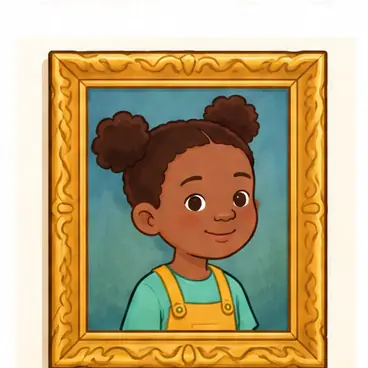
portraitportrait
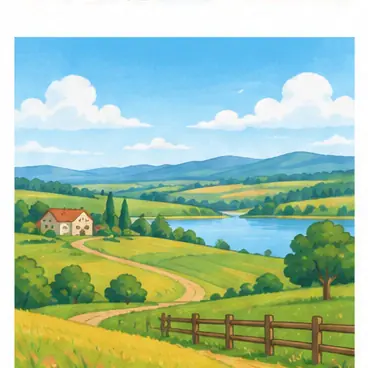
landscapelandscape
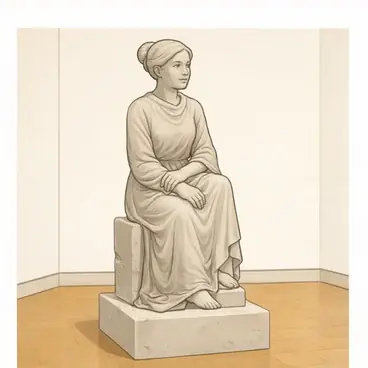
sculpturesculpture
What are you going to paint?

I am going to paint a river mural.

I will carry the brushes.
We are meeting the artist on Friday.
The foreground will be bright.

대화

Nia Describe the painting for my audio guide, Leo.

Leo A woman in a yellow coat stands in the foreground.

Nia What is behind her?

Leo A blue bridge crosses the background, under a pale grey sky.

Nia Where are the boats?

Leo Three red boats are on the left, beside a dark green riverbank.

문장 형태

What are you going to paint?

I am going to paint a river mural.

  • I will carry the brushes.
  • We are meeting the artist on Friday.
  • The foreground will be bright.

추가 연습

Talk with the grammar

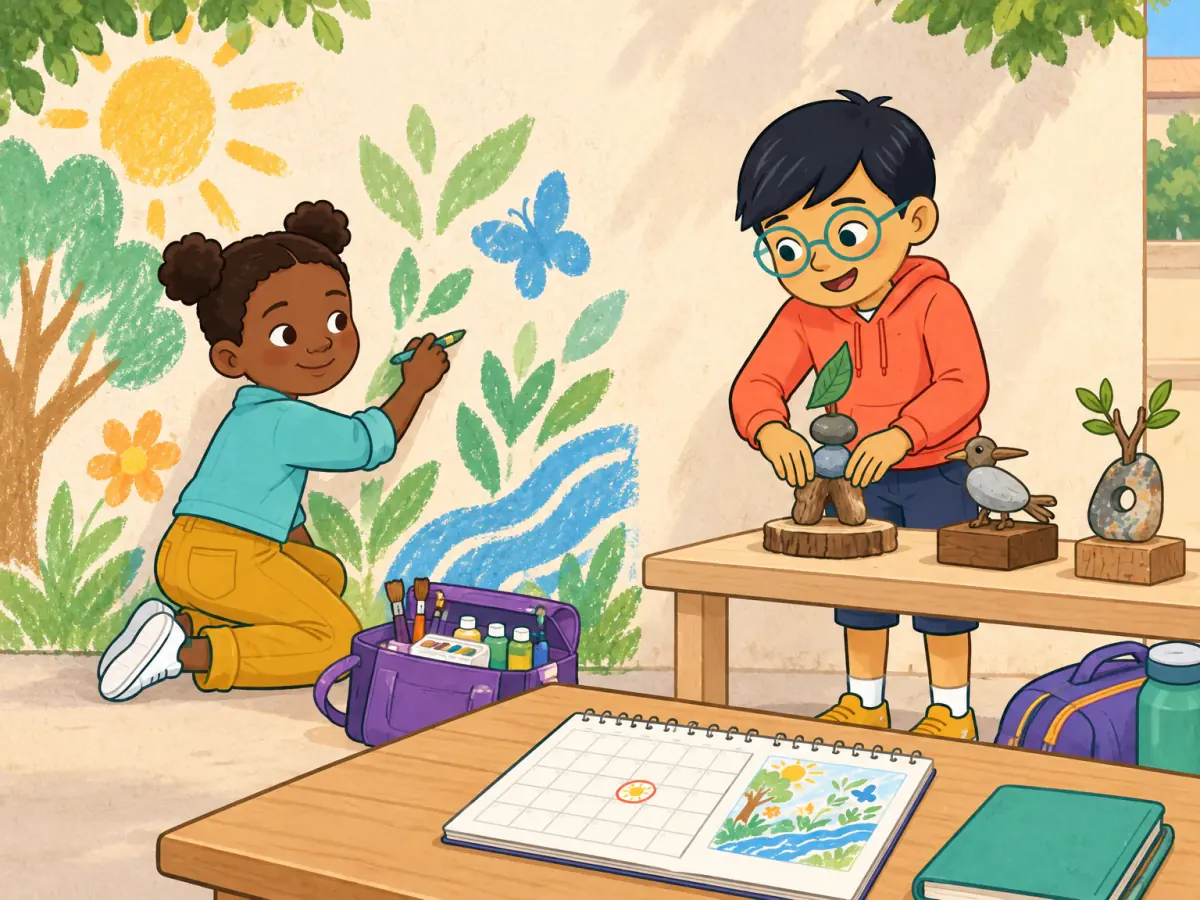
At an empty courtyard wall, Nia sketches a nature mural while Leo offers to arrange a small sculpture display; a calendar and packed art materials show firm future plans.

Leo What are you going to paint?

Nia I am going to paint a river mural.

Nia The paint box is heavy.

Leo I will carry it.

Nia When are we meeting the artist?

Leo We are meeting her on Friday.

What are you going to paint?

I am going to paint a river mural.

  • I will carry the brushes.
  • We are meeting the artist on Friday.
  • The foreground will be bright.

The colour trail

An original adventure scene in a closed gallery: Nia and Leo follow a trail of red, yellow and blue paint drops to find a rolled community mural safely beside a storage cart.

THE COLOUR TRAIL

Nia and Leo were helping to close the community gallery when they noticed a trail of red, yellow and blue paint drops on the floor. They followed the marks past the portrait room and into the quiet store. A large roll rested beside a cart. It was the neighbourhood mural for Saturday, but its label had fallen off. Nia phoned the artist instead of opening it. “I am coming now,” the artist said. Leo smiled. “We found the missing display, and we kept it safe.”

Writer's studio

An original adventure scene in a closed gallery: Nia and Leo follow a trail of red, yellow and blue paint drops to find a rolled community mural safely beside a storage cart.

Nia Who will read your text?

Leo My teacher and my family will read it.

How will your adventure end?

The lights went out, but I used a small torch. I found the missing sculpture behind a curtain. I called the gallery manager before I moved it. We will display it safely tomorrow.

  • I will carry the brushes.
  • We are meeting the artist on Friday.
  • The foreground will be bright.
이 단원 배우기
어떻게 배우고 싶나요?

미술관에서 쓰는 미술 단어

painting은 물감으로 그린 모든 그림이고, mural은 벽에 직접 그린 벽화입니다. portrait는 사람을 그린 초상화, landscape는 들판, 강, 바다를 그린 풍경화입니다. sculpture(조각)는 평평하지 않아서 주위를 돌며 볼 수 있습니다. 아이는 “portrait”와 “landscape”를 태블릿의 세로 방향, 가로 방향이라는 뜻으로 알고 있을 수도 있습니다. 실제로 초상화는 보통 세로로 길고, 풍경화는 보통 가로로 깁니다.

  • art gallery – 미술관, 갤러리
  • sculpture – 돌, 금속, 나무, 점토로 만든 조각

앞쪽, 뒤쪽, 왼쪽, 오른쪽

foreground(전경)는 그림에서 가장 가까워 보이는 부분으로, 보통 아래쪽에 있습니다. background(배경)는 가장 멀어 보이는 부분으로, 하늘, 언덕, 건물인 경우가 많습니다. 영어에서는 “in the foreground”, “in the background”라고 하지만 “on the left”, “on the right”라고 합니다. 한국어에는 관사가 없어서 아이들이 “the”를 빼먹기 쉬우니 “on the left”를 한 덩어리로 외우세요. 모서리는 “in”을 씁니다: “in the top left corner”.

  • in the middle – 가운데, 앞과 뒤 사이
  • behind, beside, under, above – 두 가지를 이어 주는 위치 표현

정확한 한 문장: 무엇, 세부 내용, 위치

A2 단계에서는 “There is a woman.”이 세부 내용과 위치를 담은 한 문장으로 자랍니다. pale, dark, bright처럼 색의 밝기와 짙기를 나타내는 말은 색깔 앞에 옵니다: “a pale grey sky”. 한국어 ‘연한 회색 하늘’과 순서가 같아서 어렵지 않습니다. 대화에서는 “is standing”을 많이 쓰고, “stands”는 오디오 가이드에 더 가깝게 들립니다. 둘 다 맞습니다. 아래 대화에서 한 사람이 미술관 오디오 가이드를 위해 그림을 묘사합니다.

Nia Describe the painting for my audio guide, Leo.

Leo A woman in a yellow coat stands in the foreground.

Nia What is behind her?

Leo A blue bridge crosses the background, under a pale grey sky.

Nia Where are the boats?

Leo Three red boats are on the left, beside a dark green riverbank.

going to, will, 현재진행형

영어에는 미래를 말하는 흔한 방법이 세 가지 있습니다. going to는 이미 정한 계획입니다: “What are you going to paint?” “I am going to paint a river mural.” will은 말하는 순간 하는 제안이나 결정입니다: “I will carry the brushes.” 말할 때는 보통 “I’ll carry the brushes.”가 됩니다. 한국어의 ‘제가 들게요’처럼 그 자리에서 상대에게 하는 제안입니다. will은 예측에도 씁니다: “The foreground will be bright.” 시간 표현과 함께 쓰는 현재진행형은 다른 사람과 이미 정한 약속입니다: “We are meeting the artist on Friday.” 한국어로는 ‘금요일에 작가님을 만나요’처럼 현재형으로 말하지만, 영어에서는 이런 약속에 보통 -ing 형태를 씁니다.

un-과 im-으로 만드는 반대말

영어의 많은 반대말은 접두사로 시작합니다. 한국어 ‘불가능’, ‘불친절’의 ‘불-’처럼 단어 앞에 붙습니다. 가장 흔한 것은 un-이고, im-은 p나 m으로 시작하는 단어 앞에 자주 옵니다. 언제나 통하는 규칙은 없으니(“popular”는 un-을 씁니다) 짝으로 함께 외우세요.

  • popular – unpopular (인기 있는 – 인기 없는)
  • friendly – unfriendly (친절한 – 불친절한)
  • tidy – untidy (깔끔한 – 지저분한)
  • patient – impatient (참을성 있는 – 참을성 없는)
  • possible – impossible (가능한 – 불가능한)
  • polite – impolite (예의 바른 – 무례한)
나에게 맞는 방법으로 이 단원 배우기

분명한 결말이 있는 모험 이야기

10–12세 아이들은 짧은 모험 이야기를 자주 쓰는데, 가장 어려운 부분은 결말입니다. 이야기가 갑자기 끝나거나 모든 것이 꿈이었다며 끝나기도 합니다. 좋은 결말은 무엇을 어디에서 찾았는지 말하고, 현명한 선택을 보여 주고, 미래 표현으로 앞으로의 일을 말합니다: “Inside the cupboard, I found the missing portrait. I didn’t move it; I called the gallery manager instead. Tomorrow we are going to hang it back on the wall.”

집에서 하는 놀이: 오디오 가이드 되기

엽서, 책 표지, 인터넷에서 찾은 그림 등 아무 그림이나 고르세요. 아이가 오디오 가이드가 되어 앞쪽, 뒤쪽, 한쪽 옆에 대해 색깔을 하나씩 넣어 세 문장을 말합니다. 부모님은 그림을 보지 않고 들은 대로 그린 뒤 비교하고 역할을 바꿉니다. 마지막에 “What are you going to draw next?”라고 묻고 “I am going to…”로 답하기를 기다려 주세요.

흔한 실수와 쉬운 해결법

바른 문장으로 다시 말해 주고 계속 진행하세요.

  • “in the left”: 왼쪽과 오른쪽은 “on”을 씁니다: “on the left”.
  • “in foreground”: “the”를 빼지 마세요: “in the foreground”.
  • “a grey pale sky”: 밝기나 짙기를 나타내는 말이 먼저 옵니다: “a pale grey sky”.
  • 그 자리에서 하는 제안으로 “I’m going to carry it!”: will을 쓰세요: “I’ll carry it.”
  • “unpossible”, “unpolite”: 이 단어들은 im-을 씁니다: “impossible”, “impolite”.

다음 단계

다음에는 약속, 계획, 제안을 담은 주말 일기를 한 편 써 볼 수 있습니다. 그다음에는 다른 일에 따라 달라지는 계획을 말합니다: “If it rains, we will paint indoors.”

자주 묻는 질문

영어로 그림은 어떻게 묘사하나요?

앞에서 뒤로, 그다음 옆으로 가세요. 앞쪽, 뒤쪽, 양옆에 무엇이 있는지 말하고, 매번 색깔이나 세부 내용을 하나씩 더합니다. 서너 문장이면 충분합니다.

foreground와 background는 어떻게 다른가요?

foreground(전경)는 가장 가까워 보이는 부분으로 보통 그림 아래쪽에 있고, background(배경)는 하늘이나 먼 언덕처럼 가장 멀어 보이는 부분입니다. 둘 다 “in the”와 함께 씁니다.

going to와 will은 언제 쓰나요?

going to는 말하기 전에 정한 계획에, will은 말하는 순간 하는 제안이나 결정, 그리고 예측에 씁니다. 시간이 정해진 약속에는 현재진행형을 씁니다: “We are meeting the artist on Friday.”

이 단원 배우기
어떻게 배우고 싶나요?

다음에는 무엇을 할까요?

라이브 선생님과 함께 배워요

Flalingo 어린이 수업에서는 아이가 이런 단원을 라이브 선생님과 1:1로, 같은 화면의 게임으로 연습합니다.

무료 체험 수업 예약하기