
본문으로 바로가기
Flalingo

영어 연습

작은 연구 결과를 영어로 과장 없이 설명하는 법 (B1): “tend to”, “may”와 신중한 주장

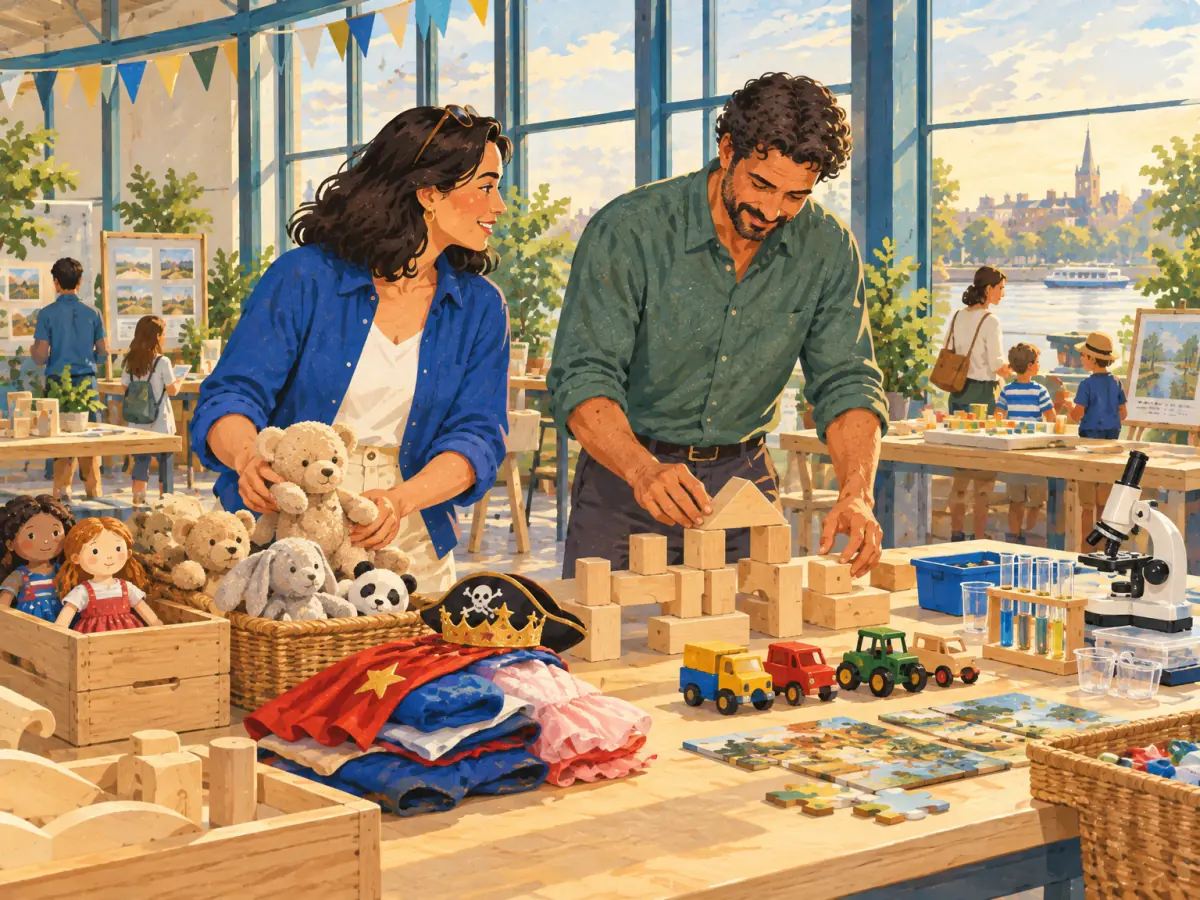
Two friends prepare varied children's activity materials for a family workshop.

B1 영어의 신중한 표현: 일반화를 부드럽게 하는 표현, “verify”·“turn out” 같은 연구 동사, 전치사와 함께 쓰는 형용사를 배우고, 일반화된 주장에 답하는 140~170단어 균형 잡힌 글로 연습해요.

관찰한 것, 그것이 시사할 수 있는 것, 증명하지 못하는 것을 나눠서 말하세요. “The pilot doesn’t prove what all children prefer. It shows that adults and signs can influence a first choice.” “all” 대신 “most”나 “tend to”를, “will” 대신 “may”를 쓰세요. 작은 연구에 “prove”는 대개 너무 강하고, “show”와 “suggest”가 더 잘 맞아요. 이 주제는 B1(중급) 수준으로, 결과나 뉴스를 영어로 이야기할 때 자신 없어 보이지 않으면서도 신중하게 들리고 싶은 성인을 위한 내용이에요.

이 글이 맞는 분

  • 영어로 의견은 말할 수 있지만 모든 주장을 사실처럼 말하는 중급 성인.
  • 회사나 수업에서 결과를 발표하는 분: 설문, 시범 운영, 파일럿 테스트, 고객 테스트 등.
  • 뉴스와 연구를 영어로 이야기하면서 “보통은”, “늘 그런 건 아니에요”를 자연스럽게 말하고 싶은 분.
  • 아직 이르다면: “will”과 “going to”가 아직 헷갈리거나 모든 의견을 “I think”로만 말한다면, 먼저 일상 습관에 대한 균형 잡힌 의견 쓰기부터 해 보세요. 이 글은 이유를 들어 말할 수 있다고 가정해요.
  • 너무 쉽다면: 이미 자연스럽게 신중한 표현을 쓰고 표본 크기와 한계를 논의할 수 있다면, 까다로운 동료를 공정하고 균형 있게 묘사하는 C1 단계로 넘어가세요.

예시 학습 페이지 열기

예시 학습 페이지 열기

단어 카드

Generally speaking, …

introduces a broad tendency while admitting exceptions

Generally speaking, children stay longer when several kinds of activity are visible.

On the whole, …

states an overall conclusion after considering different cases

On the whole, mixed displays encourage more exploration.

In general, …

describes what is usually true, not what is always true

In general, families responded well to signs without gender labels.

tend to + verb

describes a repeated tendency rather than a universal fact

Visitors tend to try more activities when staff demonstrate them.

most / many / some

quantifiers that identify the claimed proportion more responsibly than all

Some children made an immediate choice, while many explored several tables.

may / might / can

modal verbs that express possibility rather than certainty

Packaging may influence a first choice, but it cannot predict every child's interests.

verify

confirm that a claim is true using evidence

The observations verified that adult guidance affected the first table visited.

discover

find information that was previously unknown

The team discovered that demonstrations attracted visitors.

argue

give reasons for believing that a claim or proposal is right

Owen argued that branding did not need to divide the room.

turn out

become known or clear after uncertainty

The mixed layout turned out to support broader exploration.

대화

maya I'm pleased with the mixed layout. Most children tried at least three activities.

owen I'm pleased too, but I'm worried about making a large claim from sixteen families.

maya That's fair. The pilot doesn't prove what all children prefer. It shows that adults and signs can influence a first choice.

owen I was interested in the demonstration effect. Children were keen on whichever table the facilitator used first.

maya Yes, and the parents gave fewer directions when the room wasn't divided by colour.

owen So we agree about the layout. We only disagree about how strongly we describe the result.

maya Exactly. In general, open displays may support wider exploration, but we need a larger trial.

owen Then let's tell the sponsor that we're proud of the pilot and excited about testing it again.

문장 형태

Does your pilot prove that children naturally prefer different activities?

No. It only verifies that labels, demonstrations, and adult guidance may influence initial choices. On the whole, the mixed layout encouraged broader exploration in this small group.

A responsible summary separates observed evidence from a universal conclusion.

  • The result depends on…
  • We discovered that…
  • It turned out that…
  • The sample was limited.

추가 연습

The labels changed the path

Maya and Owen prepare varied children's activity materials for a family workshop.

Before the public opening, Maya invited sixteen local families to test two versions of the activity room. In the first version, the construction materials and toy vehicles were placed under a blue banner, while dolls, soft toys, and dressing-up clothes appeared under a pink banner. In the second version, the same materials were mixed and grouped by action: build, imagine, solve, and care.

The team recorded which table each child visited first and how many different activities each child tried. In the colour-coded room, twelve children went first to a table whose colour matched the section their parent initially pointed out. In the action-based room, parents gave fewer directional comments, and thirteen children used materials from at least three groups.

The small pilot does not prove that colour alone controls children's choices. It does verify that signs and adult guidance can shape the first route through a room. Maya discovered that the position of the demonstration table also mattered: whichever activity staff demonstrated attracted more visitors. Owen argued that the sponsor's colours could remain on the entrance sign without dividing the materials. It turned out to be a useful compromise, because the sponsor retained a visible identity while the children encountered a wider range of choices.

verify

confirm that a claim is true using evidence

The observations verified that adult guidance affected the first table visited.

discover

find information that was previously unknown

The team discovered that demonstrations attracted visitors.

argue

give reasons for believing that a claim or proposal is right

Owen argued that branding did not need to divide the room.

turn out

become known or clear after uncertainty

The mixed layout turned out to support broader exploration.

Present the pilot without exaggerating it

Does your pilot prove that children naturally prefer different activities?

No. It only verifies that labels, demonstrations, and adult guidance may influence initial choices. On the whole, the mixed layout encouraged broader exploration in this small group.

A responsible summary separates observed evidence from a universal conclusion.

  • The result depends on…
  • We discovered that…
  • It turned out that…
  • The sample was limited.

Model: a balanced response to a social claim

People sometimes claim that different groups naturally prefer different kinds of activity. In my opinion, this is too simple. Interests may be influenced by ability and personality, but they can also depend on advertising, adult expectations, previous experience, and which choices are visible.

A small pilot at a family workshop illustrates the problem. When activities were separated by colour, parents tended to direct children towards one section. In a mixed room, children explored more categories. The result does not prove that every mixed display will have the same effect. However, it verifies that the organization of a room can influence behaviour.

On the whole, adults should offer a broad range of choices without predicting an individual's interests from a group label. We should also be careful with research headlines: an observed tendency is not a rule about every person.

Structure

Organize the response in this order.

Introduce and qualify the claim. Explain several possible causes. Use a specific piece of evidence and state its limitation. Give a practical recommendation.

Language to use

Include these forms accurately.

Use one careful generalizer, one research verb, two dependent-preposition phrases, accurate articles for a specific study and for people in general, and one contrast connector.

Final check

Review before submitting.

Remove unsupported all-or-none claims and ensure every recommendation follows from the evidence.

이 단원 배우기
어떻게 배우고 싶나요?
계정이 있나요?

무료 계정은 한 단원을 계속 열어 둘 수 있습니다.

작은 연구가 보여 주는 것과 보여 주지 못하는 것

파일럿 테스트나 고객 테스트는 이 사람들이 이 상황에서 어떻게 했는지를 보여 줘요. 세 층을 나눠서 말하세요. 관찰(과거형, 정확한 숫자), 해석(“may”, “tend to”, “suggest”), 그리고 한계예요.

  • 관찰: “The parents gave fewer directions in the mixed room.”
  • 해석: “Open displays may support wider exploration.”
  • 한계: “The pilot doesn’t prove what all children prefer.”
  • 다음 단계: “We need a larger trial.”

신중한 일반화: “all”에서 “some”까지

이 표현 중 한두 개로 주장을 부드럽게 하세요. 한꺼번에 다 쓰면 자신 없게 들려요. 한국어 “-ㄹ 수 있다”는 능력과 가능성을 모두 나타내서 “can”만 쓰기 쉬운데, 확실하지 않은 결론에는 “may”나 “might”가 더 자연스러워요.

  • 양: “all”, “most”, “many”, “some”, “a few”. “Some children made an immediate choice, while many explored several tables.”
  • “tend to” + 동사원형: “Visitors tend to try more activities when staff demonstrate them.”
  • “may”, “might”: 그럴 수도 있다. “can”: 그럴 때가 있다. “Packaging may influence a first choice, but it cannot predict every child’s interests.”
  • “Generally speaking”, “in general”: 보통 그렇다. “On the whole”: 여러 경우를 따져 본 뒤의 전체적인 판단. “On the whole, mixed displays encourage more exploration.”
  • 한국어에는 관사가 없어서 헷갈리기 쉬워요. 관사 없는 복수는 집단 전체를 뜻해요. “Children need choices.” “the”는 특정한 집단이에요. “The children in the pilot tried more activities.”

연구 동사: 근거에 맞는 동사 고르기

뉴스 제목은 연구가 무언가를 “증명했다”고 말하곤 해요. 내 근거에 맞는 동사를 고르세요.

  • “prove”: 문제가 확정됐다는 뜻. 작은 집단 하나에는 너무 강해요.
  • “verify”, “show”: 이 집단에 대해 근거가 확인해 준다. “The observations verified that adult guidance affected the first table visited.”
  • “suggest”: 한쪽을 가리키지만 데이터가 더 필요하다. “The results suggest that signs matter.”
  • “discover”, “turn out”: 새로운 사실이 분명해졌다. “The mixed layout turned out to support broader exploration.”
  • “argue”: 결과가 아니라 이유를 들어 주장한다. “One designer argued that branding did not need to divide the room.”

들어 보기: 같은 결과, 다른 주장의 강도

두 동료가 파일럿 테스트에 대해 이야기해요. 16가족이 테이블을 섞어 배치한 어린이 활동실을 이용해 봤어요. 배치에는 동의하지만, 결과를 얼마나 강하게 표현할지는 의견이 달라요.

Maya I'm pleased with the mixed layout. Most children tried at least three activities.

Owen I'm pleased too, but I'm worried about making a large claim from sixteen families.

Maya That's fair. The pilot doesn't prove what all children prefer. It shows that adults and signs can influence a first choice.

Owen So we agree about the layout. We only disagree about how strongly we describe the result.

결과에 대한 반응: 전치사와 함께 쓰는 형용사와 동사

결과에 대한 감정은 정해진 전치사와 함께 쓰고, 전치사 뒤에는 명사나 -ing가 와요. 한국어 조사로는 전치사를 짐작하기 어려우니 덩어리로 외우세요.

  • “pleased with”: “I’m pleased with the result.”
  • “worried about”: “I’m worried about making a large claim.”
  • “proud of”, “excited about”: “We’re proud of the pilot and excited about testing it again.”
  • “interested in”: “I was interested in the demonstration effect.”
  • “depend on”: “The final layout depends on the number of tables available.”
나에게 맞는 방법으로 이 단원 배우기

먼저 말하고, 140~170단어로 쓰기

이 질문에 대해 2분 동안 소리 내어 이야기해 보세요. “What do people often say about a whole group, and what evidence would support it?”

그다음 일반화된 주장에 네 부분으로 답하는 글을 쓰세요.

  • 주장에 단서 달기: “People sometimes claim that different groups naturally prefer different activities. In my opinion, this is too simple.”
  • 성격, 경험, 광고 같은 가능한 원인 제시하기.
  • 근거 하나와 그 한계: “The result does not prove that every mixed display will have the same effect.”
  • 실천할 수 있는 제안으로 마무리: “On the whole, adults should offer a broad range of choices.”

자주 하는 실수

처음 두 가지는 근거보다 주장을 더 강하게 말하는 실수이고, 나머지는 문법 실수예요.

  • 작은 파일럿 테스트에 “The study proves that children prefer…”라고 하기. “The study suggests that…”라고 하세요.
  • “most”라는 뜻으로 “All people…”라고 하기. “Most people…”라고 하세요.
  • “People tend to trying…” “tend to” 뒤에는 동사원형이 와요. “People tend to try…”
  • “I’m worried for making a mistake.” “I’m worried about making a mistake.”라고 하세요.
  • 아이들 전체를 말하면서 “The children need choices”라고 하기. “Children need choices.”라고 하세요.

하루 10분 연습법

쓰기 전에 모든 문장을 소리 내어 말해 보세요.

  • 2분: 대화를 듣고 신중한 표현을 모두 적어 보세요.
  • 3분: 뉴스에서 강한 주장 하나를 골라 두 번 고쳐 써 보세요.
  • 3분: 이번 주에 대해 관찰, 해석, 한계를 하나씩 말해 보세요.
  • 2분: “pleased with”와 “worried about”으로 사실인 문장을 만들어 보세요.

다음 단계

문제를 알리거나 규칙에 예외를 요청할 때도 같은 신중함을 발휘하세요. 같은 수준에서 글쓰기를 하려면, 영화를 모든 사람이 아니라 일부 관객에게 추천하는 균형 잡힌 영화 리뷰를 써 보세요.

자주 묻는 질문

영어로 주장을 덜 강하게 말하려면 어떻게 하나요?

양(“all” 대신 “most”)이나 동사(“tend to”, “may”)를 부드럽게 하거나, “generally speaking” 같은 표현으로 시작하세요. 한두 개면 충분해요.

“prove”, “show”, “suggest”는 어떻게 다른가요?

“prove”는 문제가 확정됐다는 뜻이에요. “show”는 연구한 집단에 대해 근거가 분명히 뒷받침한다는 뜻이에요. “suggest”는 더 약해서, 근거가 한쪽을 가리키지만 데이터가 더 필요하다는 뜻이에요.

“in general”과 “on the whole”은 어떻게 다른가요?

“in general”은 보통 사실인 것을 말해요. “on the whole”은 여러 경우를 따져 본 뒤의 전체적인 판단이에요. 둘 다 말과 글에서 모두 써요.

이 단원 배우기
어떻게 배우고 싶나요?
계정이 있나요?

무료 계정은 한 단원을 계속 열어 둘 수 있습니다.

다음에는 무엇을 할까요?

Flai로 계속 연습하세요

Flai는 음성 대화, 교정 내용, 수업 보고서로 말하기 연습을 돕는 Flalingo의 AI 말하기 앱입니다.

라이브 선생님과 배우기

Flalingo 수업에서는 이런 단원을 라이브 선생님과 1:1로 연습합니다.