

本文へ移動
Flalingo

英語の練習

スポーツで学ぶ子どもの英語のif文(A2・10~12歳):条件のifと仮定法過去

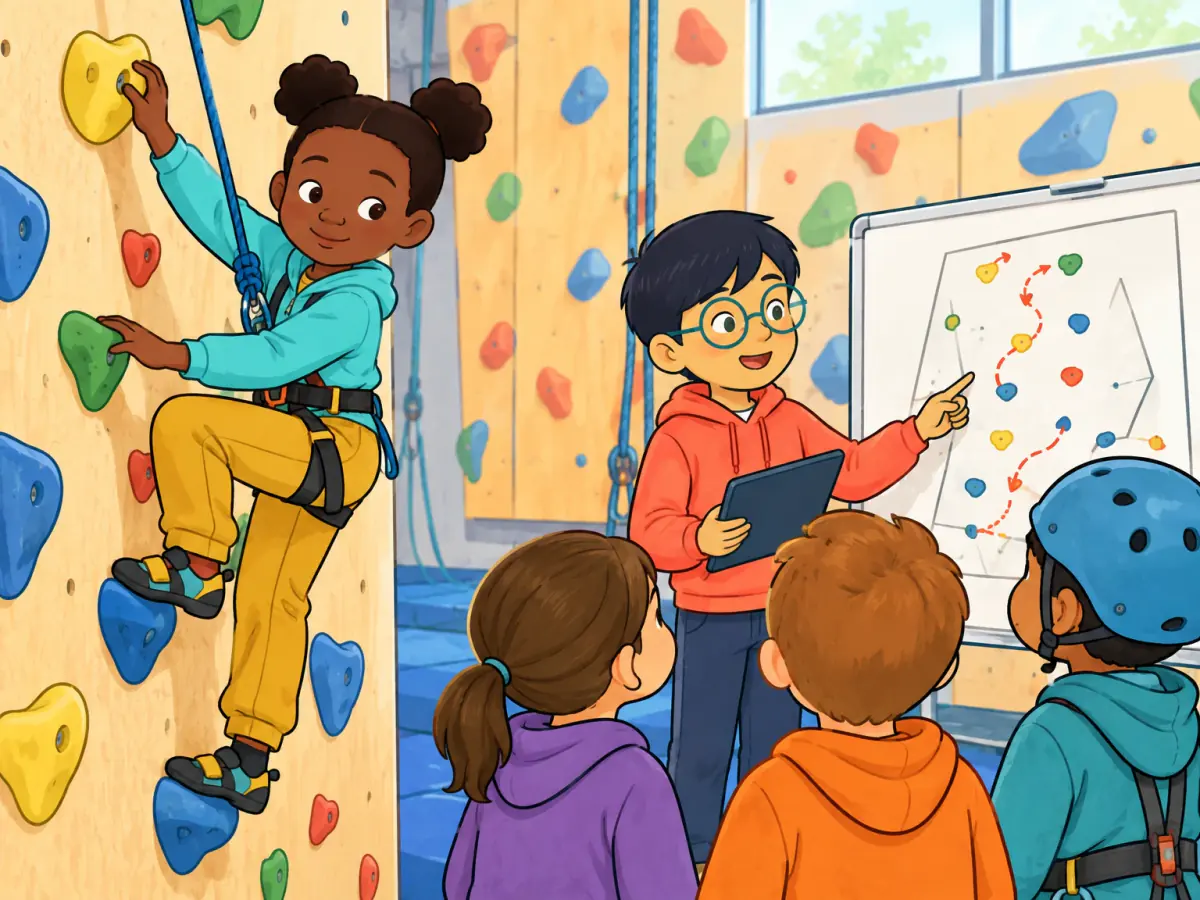
An original youth profile shows a child climbing indoors in a harness while another child plans easier routes for a younger group.

スポーツを題材に、子どもが2種類のif文を使えるようにしましょう。実際の予定は“If it rains, I will train indoors.”、想像は“If I tried caving, I would go with a guide.”で表します(A2・10~12歳)。

英語には、よく使うif文が2種類あります。本当に起こりうることには、ifのあとに現在形、もう一方にwillを使います:“If it rains, I will train indoors.” 子どもが想像しているだけのことには、ifのあとに過去形、もう一方にwouldを使います:“If I tried caving, I would go with a guide.” 子どもたちはこの2つを冒険スポーツで練習し、短いスポーツのチラシに使います。このA2のテーマは、willやgoing toで予定を話せる10~12歳くらいの子どもに向いています。

この記事が向いている人

  • すでに予定を英語で話せる子どもの保護者:子どもが“I’m going to play football on Saturday.”や“I’ll help you.”と言えます。
  • スポーツや野外活動、冒険映画が好きな子ども:安全な計画と大胆な想像のどちらを選ぶかを考えると、ifを使う本当の理由が生まれます。
  • 家で練習したい保護者:天気予報や近所のプールのチラシがあれば十分です。下のカードとインタビューですべての文の音声が聞けます。
  • まだ早い場合:willとgoing toをまだ混同するなら、下にある未来の予定のA2の記事から始めましょう。
  • 簡単すぎる場合:2種類のif文をすでに正しく使えるなら、下にある、sinceとforで書くお祭りの手紙のA2の記事へ進みましょう。

サンプルページを開く

サンプルページを開く

単語カード

ice skatingice skating
skiingskiing
baseballbaseball
rugbyrugby
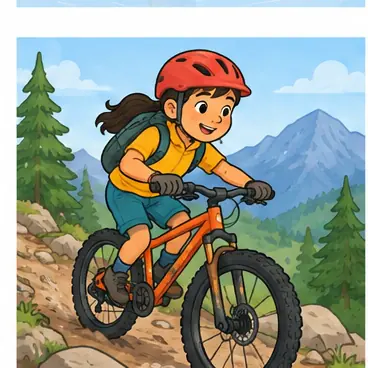
mountain bikingmountain biking
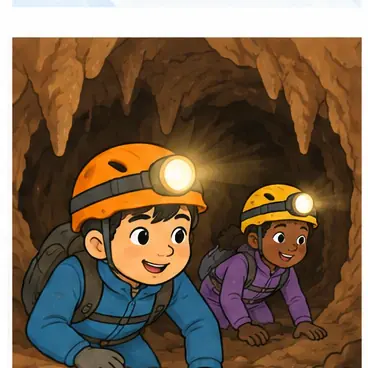
cavingcaving
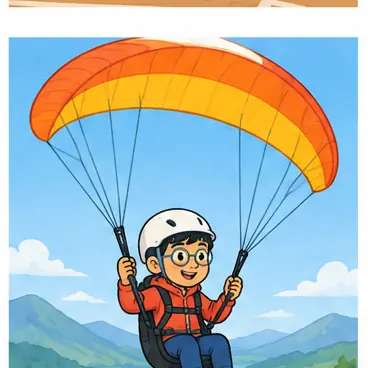
paraglidingparagliding
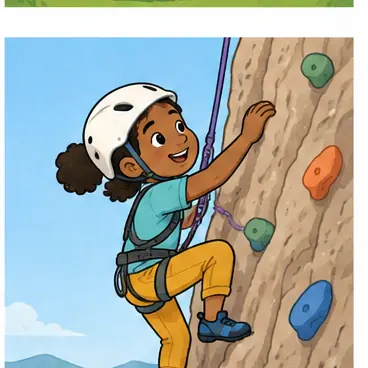
rock climbingrock climbing
What will you do if the weather changes?

If it rains, I will train indoors.

If I tried caving, I would go with a guide.
Would you try paragliding?
If the path is dry, we will ride.

会話

Nia Today’s sports profile is about Dani, a young adventure athlete. Which sport is her main focus?

Leo Dani says that she trains for rock climbing competitions.

Nia How experienced is she?

Leo She has climbed for four years and completed her first outdoor route last spring.

Nia How often does she train?

Leo She trains indoors three evenings a week, and she goes mountain biking on Sundays.

文の形

What will you do if the weather changes?

If it rains, I will train indoors.

  • If I tried caving, I would go with a guide.
  • Would you try paragliding?
  • If the path is dry, we will ride.

追加の練習

Talk with the grammar

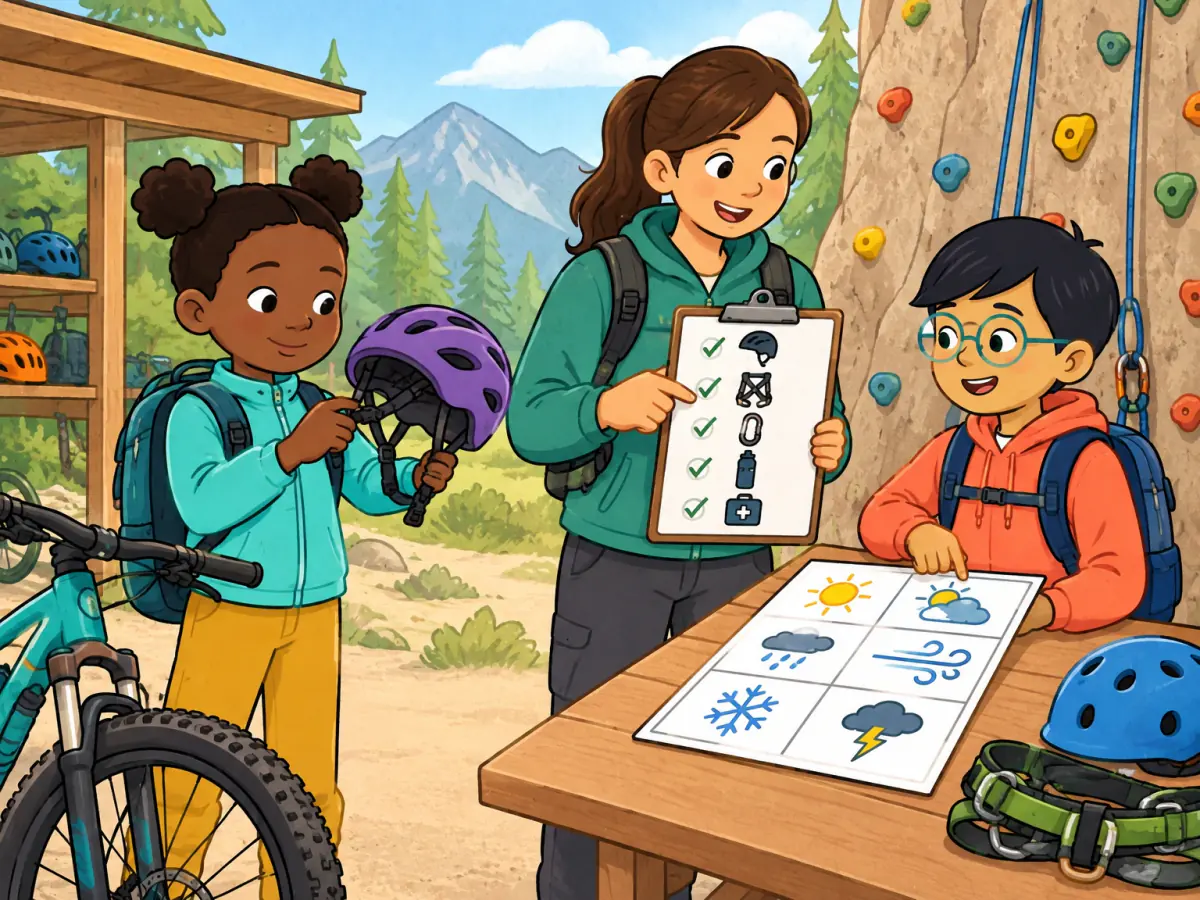
Nia checks a helmet before mountain biking while Leo studies weather symbols beside a climbing wall; an instructor holds the safety list.

Leo What will you do if the weather changes?

Nia If it rains, I will train indoors.

Nia Would you try paragliding?

Leo I would try it with an experienced instructor.

Leo What if the path is dry?

Nia We will go mountain biking.

What will you do if the weather changes?

If it rains, I will train indoors.

  • If I tried caving, I would go with a guide.
  • Would you try paragliding?
  • If the path is dry, we will ride.

A route for everyone

An original youth profile shows Nia climbing indoors in a harness while Leo plans easier routes for a younger group.

A ROUTE FOR EVERYONE

Nia trains on an indoor climbing wall twice a week. She studies each route before she moves and uses a harness checked by her coach. Her friend Leo designs lower starts for younger climbers. If a hold is too far away, he tests another safe route. Nia says that courage is not ignoring danger. It is making an honest plan, listening to advice and trying again.

Writer's studio

An original youth profile shows Nia climbing indoors in a harness while Leo plans easier routes for a younger group.

Nia Who will read your text?

Leo Visitors to the Ridge Centre will read it.

What should visitors know?

TRY THE RIDGE CENTRE Choose climbing, biking or skating. If you are new, an experienced coach will help you. Bring comfortable clothes and follow every safety rule. Ask a coach to help you choose your activity and equipment.

  • If I tried caving, I would go with a guide.
  • Would you try paragliding?
  • If the path is dry, we will ride.
この単元を学ぶ
どの方法で学びますか?

スポーツ8つと、いっしょに使う動詞

子どもはこのうちいくつかのスポーツをすでに知っているでしょう。新しく学ぶのは、前に来る動詞です。cavingは地下の洞窟を探検すること、paraglidingはパラグライダーです。日本語では「スキーをする」「野球をする」とどれも「する」で言うので、“do skiing”と言いがちです。8つを2つのグループに分けてもらいましょう:

  • play+ボールを使う競技やチーム競技:“play baseball”、“play rugby”
  • go+-ingで終わる活動:“go skiing”、“go ice skating”、“go mountain biking”、“go caving”、“go paragliding”、“go rock climbing”

How longとhow often:選手を紹介する

スポーツのプロフィールには3つの時制が必要です。習慣は現在形です:“She trains three evenings a week.” 過去に始まって今も続いていることは、forといっしょに現在完了を使います:“She has climbed for four years.” 日本語では「4年間登っている」と言うので、“She is climbing for four years.”と言いがちです。“last spring”のように終わった時を言うときは過去形です。若いクライミング選手についてのこのインタビューで、それぞれの答えがどの時制か子どもにたずねてみましょう。

Nia How experienced is she?

Leo She has climbed for four years and completed her first outdoor route last spring.

Nia How often does she train?

Leo She trains indoors three evenings a week, and she goes mountain biking on Sundays.

本当の予定:if+現在形、そしてwill

本当に起こりうることに使う形です。未来の話でも、ifの部分は現在形です:“What will you do if the weather changes?” “If it rains, I will train indoors.” 中学・高校で習う「時や条件を表す副詞節では、未来のことも現在形で表す」というルールがこれです。2つの部分は入れ替えられます:“I will train indoors if it rains.” コンマはifが先に来るときだけつけます。

  • If the path is dry, we will ride.

想像の選択:if+過去形、そしてwould

想像の場面では、ifのあとに過去形、もう一方にwouldを使います:“If I tried caving, I would go with a guide.” このtriedは昨日のことではありません。過去形は「想像の話」という目印で、学校文法では仮定法過去と呼びます。日本語の「もし~なら」はどちらの場合にも使えますが、英語では本当にありそうかどうかで形を変えます。“If we go skiing this winter, I will take lessons.”は実際にありうる旅行、“If I went skiing, I would take lessons first.”はただの想像です。下の質問で話し合い、毎回理由をたずねましょう。

  • Would you try paragliding? Why or why not?
  • If you went caving, what would you take?

dis-とin-でつくる反対の意味の言葉

英語の反対語は接頭辞でつくることが多いのですが、どの接頭辞がつくかを決める簡単なルールはありません。ペアでいっしょに覚えましょう:“An inexperienced climber should go with an experienced coach.” “unhonest”や“uncorrect”とは言いません。

  • honest – dishonest(正直な – 不正直な)
  • like – dislike(好き – きらい)
  • obey – disobey(ルールに従う – わざと破る)
  • correct – incorrect(正しい – まちがった)
  • experienced – inexperienced(経験豊富な – 経験の浅い)
  • sensitive – insensitive(人の気持ちに気づく – 気づかない)
自分に合った方法でこの単元を学ぶ

コンセプトマップから来場者向けのチラシへ

コンセプトマップでは、真ん中に場所を書き、3本の枝をのばします:来場者ができること、手伝ってくれる人、持ってくるもの。1本の枝が1~2文になり、多くは“Choose…”や“Bring…”のような案内の文です。抜けた枝がないか確認しましょう。手伝ってくれる人の枝は忘れやすい部分です。架空の公園の例です:

  • TRY THE RIVERSIDE BIKE PARK
  • Choose the easy track or the hill track.
  • If you are new, a coach will help you.
  • Bring a helmet, gloves and water.
  • If it rains, the hill track will close.

家でできるあそび:プランAとプランB

明日の天気予報をいっしょに見ます。子どもが本当の予定を2つ言います:“If it is sunny, we will ride to the park. If it rains, we will play table tennis.” 次に保護者がスポーツを1つ言って“Would you try it?”とたずね、子どもはwouldと理由を入れて答えます。別の日には、知っているプールや公園のコンセプトマップをかいて、4文のチラシをいっしょに書いてみましょう。

よくある間違いと簡単な直し方

正しい文で言い直して、会話を続けましょう。

  • “If it will rain…”:ifのあとにwillは使いません:“If it rains, I will stay inside.”
  • “If I would try caving…”:wouldは片方だけです:“If I tried caving, I would…”
  • “She is climbing for four years.”:今も続いているので現在完了です:“She has climbed for four years.”
  • “She has finished the route last spring.”:終わった時には過去形です:“She finished the route last spring.”
  • “play skiing”、“play caving”:“go skiing”、“go caving”です。

次のステップ

次は、haveとhasで経験を話し、since、for、just、alreadyを加える段階です:“We have been here since six.” やがてwouldでアドバイスもできるようになります:“If I were you, I would wear a helmet.”

よくある質問

条件のifと仮定法過去の違いは?

willを使う形(first conditional)は、本当に起こりうることに使います:“If it rains, I will train indoors.” wouldを使う仮定法過去(second conditional)は、想像の場面に使います:“If I tried caving, I would go with a guide.”

なぜ“if it will rain”ではなく“if it rains”なのですか?

未来についてのif文では、ifの部分に現在形を使い、willは結果を言う部分に置きます:“If it rains, we will stay indoors.”

“play skiing”と“go skiing”、どちらが正しい?

“go skiing”です。playはボールを使う競技やチーム競技に、goは-ingで終わるほとんどの活動に使います:“go caving”。

この単元を学ぶ
どの方法で学びますか?

次は何をしましょうか?

ライブの先生と学ぼう

Flalingoのキッズレッスンでは、お子さまがこのような単元をライブの先生とマンツーマンで、同じ画面のゲームを通して練習します。

無料体験レッスンを予約