本文へ移動
Flalingo

英語の練習

子どもと英語で絵を説明する(A2・10~12歳):手前・奥・左右の言い方

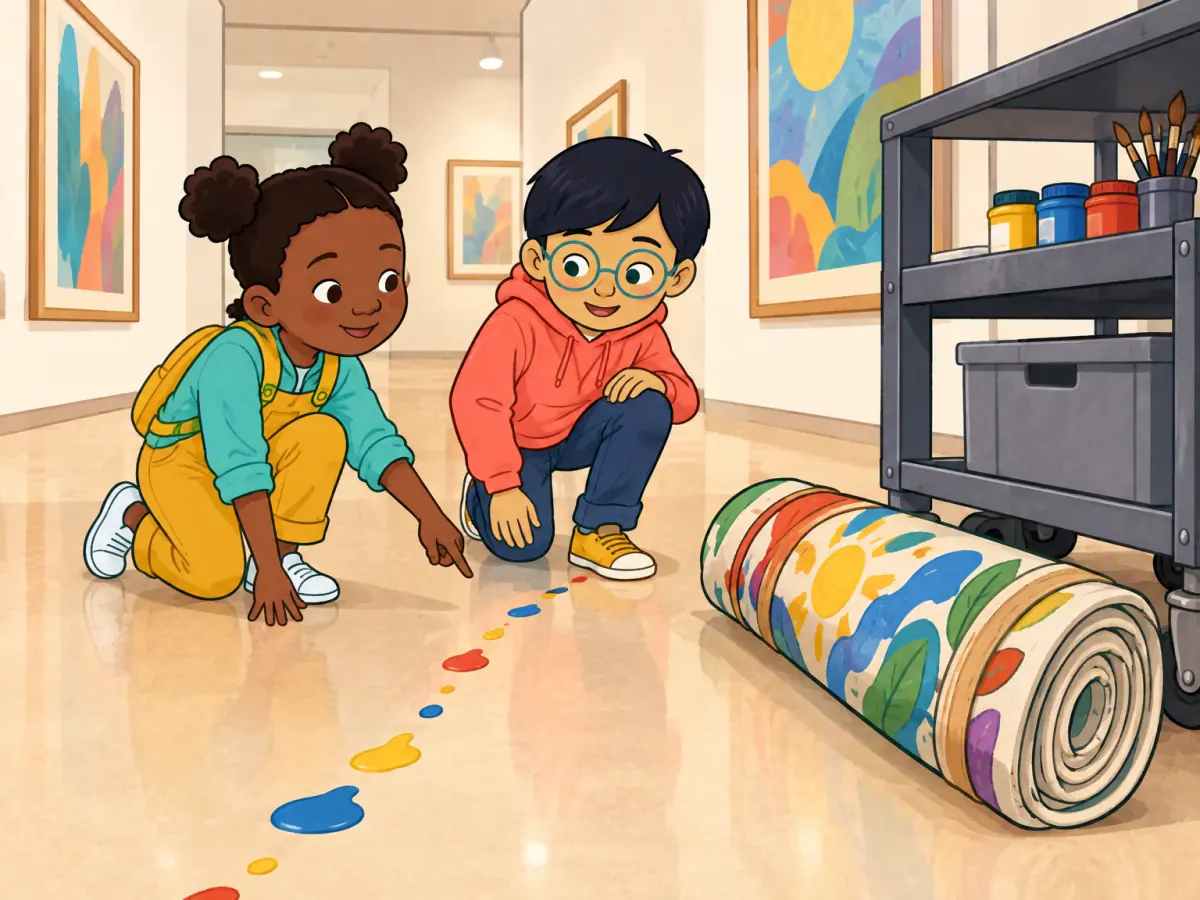
An original adventure scene in a closed gallery: two children follow a trail of red, yellow and blue paint drops to find a rolled community mural safely beside a storage cart.

A2レベル・10~12歳の子どもが“in the foreground”“in the background”“on the left”を使って英語で絵を説明し、going to、will、現在進行形でアートの計画を話せるようにしましょう。

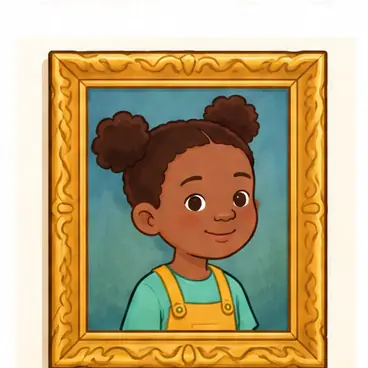
英語で絵を説明するとき、子どもは見えるものを言い、細かい情報を加え、場所を言います:“A woman in a yellow coat stands in the foreground.” 大事な表現は“in the foreground”(手前に)、“in the background”(奥に)、“on the left”(左に)、“on the right”(右に)です。次に、3つの未来の言い方でアートの計画を立てます:“I am going to paint a river mural.”(計画)、“I will carry the brushes.”(申し出)、“We are meeting the artist on Friday.”(約束)。人や場所について簡単な文がすでに作れる10~12歳くらいの子どもに向いた、A2レベルのテーマです。

この記事が向いている人

  • 人や場所を簡単な文で説明できる子どもの保護者:子どもが“There is a bridge.”や“She is wearing a coat.”と言えます。
  • 絵をかくこと、美術館、ものづくりが好きな子ども:アートの話は、長い文を作るよいきっかけになります。
  • 家で練習したい保護者:絵はがきから本の表紙まで、どんな絵でも使えます。下の会話はすべての文の音声が聞けます。
  • まだ早い場合:“She stands”と“She is standing”をまだ混同するなら、下にある、いつもの朝食と今日の朝食を比べるA2の記事から始めましょう。
  • 簡単すぎる場合:絵をくわしく説明でき、going to、will、現在進行形を使い分けられるなら、下にある、予定と申し出を書く週末日記のA2の記事へ進みましょう。

サンプルページを開く

サンプルページを開く

単語カード

art galleryart gallery
paintingpainting
muralmural
backgroundbackground
foregroundforeground
portraitportrait
landscapelandscape
sculpturesculpture
What are you going to paint?

I am going to paint a river mural.

I will carry the brushes.
We are meeting the artist on Friday.
The foreground will be bright.

会話

Nia Describe the painting for my audio guide, Leo.

Leo A woman in a yellow coat stands in the foreground.

Nia What is behind her?

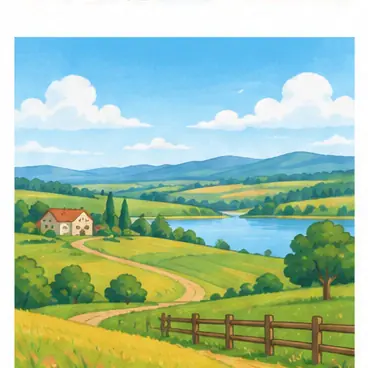
Leo A blue bridge crosses the background, under a pale grey sky.

Nia Where are the boats?

Leo Three red boats are on the left, beside a dark green riverbank.

文の形

What are you going to paint?

I am going to paint a river mural.

  • I will carry the brushes.
  • We are meeting the artist on Friday.
  • The foreground will be bright.

追加の練習

Talk with the grammar

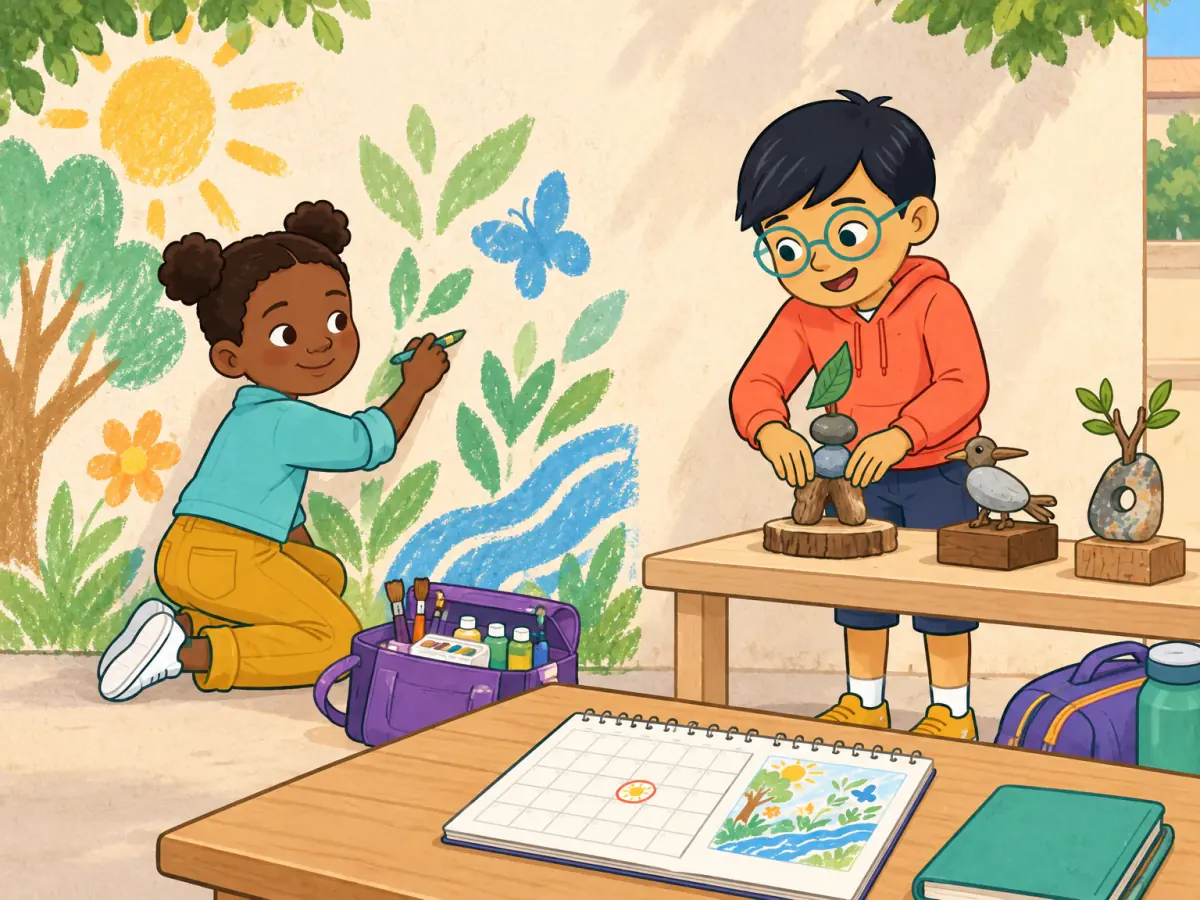
At an empty courtyard wall, Nia sketches a nature mural while Leo offers to arrange a small sculpture display; a calendar and packed art materials show firm future plans.

Leo What are you going to paint?

Nia I am going to paint a river mural.

Nia The paint box is heavy.

Leo I will carry it.

Nia When are we meeting the artist?

Leo We are meeting her on Friday.

What are you going to paint?

I am going to paint a river mural.

  • I will carry the brushes.
  • We are meeting the artist on Friday.
  • The foreground will be bright.

The colour trail

An original adventure scene in a closed gallery: Nia and Leo follow a trail of red, yellow and blue paint drops to find a rolled community mural safely beside a storage cart.

THE COLOUR TRAIL

Nia and Leo were helping to close the community gallery when they noticed a trail of red, yellow and blue paint drops on the floor. They followed the marks past the portrait room and into the quiet store. A large roll rested beside a cart. It was the neighbourhood mural for Saturday, but its label had fallen off. Nia phoned the artist instead of opening it. “I am coming now,” the artist said. Leo smiled. “We found the missing display, and we kept it safe.”

Writer's studio

An original adventure scene in a closed gallery: Nia and Leo follow a trail of red, yellow and blue paint drops to find a rolled community mural safely beside a storage cart.

Nia Who will read your text?

Leo My teacher and my family will read it.

How will your adventure end?

The lights went out, but I used a small torch. I found the missing sculpture behind a curtain. I called the gallery manager before I moved it. We will display it safely tomorrow.

  • I will carry the brushes.
  • We are meeting the artist on Friday.
  • The foreground will be bright.
この単元を学ぶ
どの方法で学びますか?

美術館で使うアートの言葉

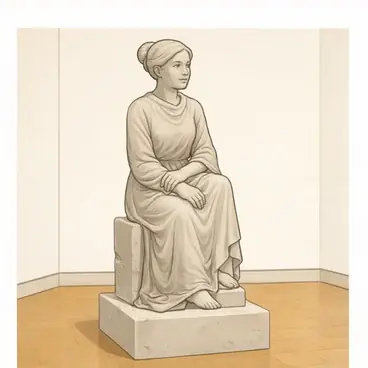
paintingは絵の具でかいた絵全般、muralは壁に直接かいた壁画です。portraitは人をかいた肖像画、landscapeは野原や川、海をかいた風景画です。sculpture(彫刻)は平らではなく、まわりを歩いて見られます。子どもは“portrait”と“landscape”を、タブレットの縦向き・横向きという意味で知っているかもしれません。実際、肖像画はたいてい縦長、風景画はたいてい横長です。

  • art gallery – 美術館、ギャラリー
  • sculpture – 石、金属、木、粘土でつくる彫刻

手前、奥、左、右

foreground(前景)は絵の中でいちばん近く見える部分で、ふつうは下のほうです。background(背景)はいちばん遠く見える部分で、空や丘、建物であることが多いです。英語では“in the foreground”“in the background”と言いますが、左右は“on the left”“on the right”です。日本語には冠詞がないので“the”を落としやすく、“on the left”はひとかたまりで覚えるのがおすすめです。角は“in”を使います:“in the top left corner”。

  • in the middle – 真ん中、手前と奥のあいだ
  • behind, beside, under, above – 2つのものをつなぐ位置の言葉

正確な1文:何が、どんな様子で、どこに

A2では“There is a woman.”が、細かい情報と場所の入った1文に育ちます。pale、dark、brightのような色の濃さを表す言葉は、色の前に来ます:“a pale grey sky”。日本語の「薄い灰色の空」と同じ順番なので覚えやすいです。会話では“is standing”をよく使い、“stands”はオーディオガイドらしく聞こえます。どちらも正しい英語です。下の会話では、1人が美術館のオーディオガイドのために絵を説明します。

Nia Describe the painting for my audio guide, Leo.

Leo A woman in a yellow coat stands in the foreground.

Nia What is behind her?

Leo A blue bridge crosses the background, under a pale grey sky.

Nia Where are the boats?

Leo Three red boats are on the left, beside a dark green riverbank.

going to、will、現在進行形

英語には未来を話すよくある言い方が3つあります。going toはすでに決めている計画です:“What are you going to paint?” “I am going to paint a river mural.” willは話しているその場でする申し出や決定です:“I will carry the brushes.” 話すときはふつう“I’ll carry the brushes.”になります。日本語では「筆は私が運びます」と現在形で言えますが、英語ではwillが必要です。willは予測にも使います:“The foreground will be bright.” 時を表す言葉といっしょに使う現在進行形は、ほかの人とすでに決めた約束です:“We are meeting the artist on Friday.” 日本語では「金曜日に画家に会います」と言いますが、英語のこうした約束ではふつう-ingの形を使います。

un-とim-でつくる反対の意味の言葉

英語の反対の意味の言葉の多くは、頭に接頭辞をつけてつくります。日本語の「不可能」「不親切」の「不」と似た仕組みです。いちばん多いのはun-で、im-はpやmで始まる言葉の前によく来ます。いつも当てはまる規則はないので(“popular”はun-です)、ペアでいっしょに覚えましょう。

  • popular – unpopular(人気がある – 人気がない)
  • friendly – unfriendly(親しみやすい – 不親切な)
  • tidy – untidy(きちんとした – 散らかった)
  • patient – impatient(がまん強い – せっかちな)
  • possible – impossible(可能な – 不可能な)
  • polite – impolite(礼儀正しい – 失礼な)
自分に合った方法でこの単元を学ぶ

結末がはっきりした冒険の物語

10~12歳の子どもは短い冒険の物語を書くことがよくありますが、いちばん難しいのは結末です。物語が急に終わったり、「全部夢だった」で終わったりします。よい結末は、何をどこで見つけたかを言い、かしこい選択を示し、未来の言い方でこれからのことを話します:“Inside the cupboard, I found the missing portrait. I didn’t move it; I called the gallery manager instead. Tomorrow we are going to hang it back on the wall.”

家でできるあそび:オーディオガイドになろう

絵はがき、本の表紙、ネットで見つけた絵など、どんな絵でもかまいません。子どもがオーディオガイドになり、手前、奥、片側について、色を1つずつ入れて3つの文を言います。保護者は絵を見ずに聞いたとおりにかき、比べてから役を交代します。最後に“What are you going to draw next?”とたずね、“I am going to…”で答えるのを待ちましょう。

よくある間違いと簡単な直し方

正しい文で言い直して、そのまま続けましょう。

  • “in the left”:左右は“on”です:“on the left”。
  • “in foreground”:“the”を落とさない:“in the foreground”。
  • “a grey pale sky”:色の濃さを表す言葉が先:“a pale grey sky”。
  • その場の申し出で“I’m going to carry it!”:willを使います:“I’ll carry it.”
  • “unpossible”“unpolite”:これらはim-です:“impossible”“impolite”。

次のステップ

次は、約束、計画、申し出の入った週末日記を1本書いてみましょう。そのあとは、ほかのことによって変わる計画です:“If it rains, we will paint indoors.”

よくある質問

英語で絵はどう説明しますか?

手前から奥へ、それから左右へ進みます。手前、奥、両側に何があるかを言い、毎回色か細かい情報を1つ加えます。3~4文で十分です。

foregroundとbackgroundの違いは?

foreground(前景)はいちばん近く見える部分で、ふつうは絵の下のほうです。background(背景)は空や遠くの丘のように、いちばん遠く見える部分です。どちらも“in the”といっしょに使います。

going toとwillはどう使い分けますか?

going toは話す前に決めた計画、willは話しているその場の申し出や決定、そして予測に使います。日時が決まった約束には現在進行形を使います:“We are meeting the artist on Friday.”

この単元を学ぶ
どの方法で学びますか?

次は何をしましょうか?

ライブの先生と学ぼう

Flalingoのキッズレッスンでは、お子さまがこのような単元をライブの先生とマンツーマンで、同じ画面のゲームを通して練習します。

無料体験レッスンを予約