
本文へ移動
Flalingo

英語の練習

子どもと英語の物語とレポートを比べる(A2・9~12歳):それぞれから一つの詳細と共通のテーマ

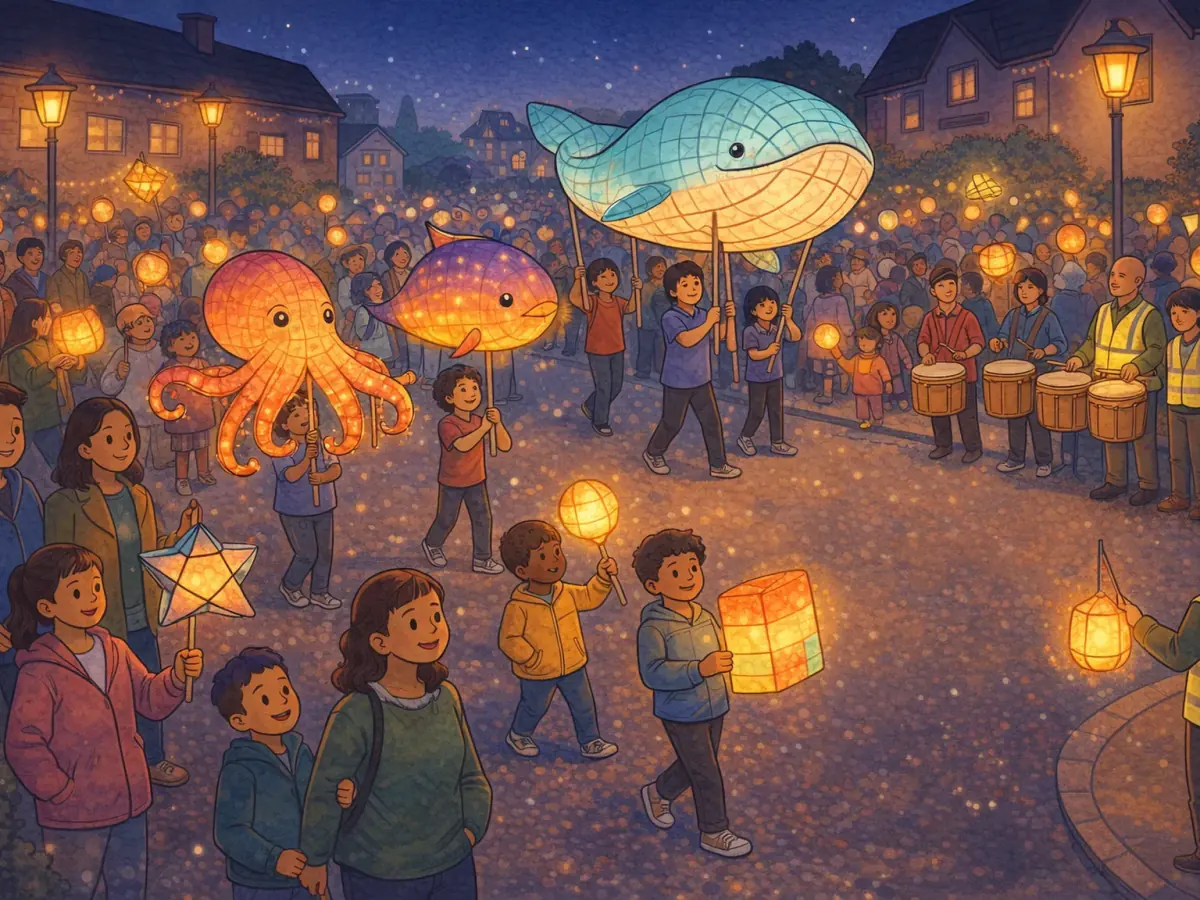
An evening lantern parade crosses a town square: families carry paper lanterns, young performers carry whale, octopus and fish lanterns, drummers play and a volunteer in a yellow vest stands at a corner.

9~12歳(A2)の子どもが英語のフィクションとノンフィクションを見分け、本文の言葉で答えを証明し、レポートと物語を一つの共通テーマで比べる英文を4つ書けるようにしましょう。

二つの英語の文章を比べるとき、子どもはそれぞれから詳細を一つずつ選び、二つに共通する考えを言い、どちらの文章がより心に残ったかを理由とともに述べます。レポート(non-fiction)は実際の情報を根拠として示し、物語(fiction)は登場人物と出来事を通して一つの考えを探ります。4文で十分です:レポートの詳細、物語の詳細、“Both show that…”、そして“because”を使った好み。この記事は、短い英語の文章をすでに読める9~12歳くらいのA2レベルの子どもの保護者向けです。

この記事が向いている人

  • 短い英語の文章を読める子どもの保護者:子どもが1段落を追って読み、“What happened?”に完全な文で答えられます。
  • 比べるように言われると、あらすじを最初から全部話してしまう子ども:この記事は4文というはっきりした型をくれます。
  • 学校の読む学習を手伝う保護者:子ども向けニュース記事と、似た考えを扱った短い物語があれば十分です。下のカードと会話には音声があります。
  • まだ早い場合:物語の中で最初の予想がなぜ変わるのかをまだ説明できないなら、下のA2の読解の記事から始めましょう。
  • 簡単すぎる場合:二つの文章をそれぞれの根拠と理由を挙げてすでに比べられるなら、下のエコな家の文章のつなぎ言葉(A2)の記事へ進みましょう。

サンプルページを開く

サンプルページを開く

単語カード

claim

the central idea to test

evidence

a detail that supports an idea

turning point

a moment that changes understanding

non-fiction

explains real information with evidence

fiction

creates characters and events to explore an idea

shared theme

an idea both texts help us examine

会話

Nia How do the texts explore the same theme?

Leo The lantern report shows careful planning, and the story shows a careful choice about an old machine.

Leo What do they share?

Nia Both show that careful planning keeps people and history safe.

文の形

Which text changed your thinking most?

The lantern report gave me a real example: volunteers widened one narrow corner of the route. The story made the idea personal when an old scenery lift was found under the stage. Both show that careful choices can protect a community. The story changed my thinking most because the forgotten machine became part of opening night.

  • one detail from each
  • genre contrast
  • shared theme
  • reasoned preference

追加の練習

Lanterns Across the Square

An evening lantern parade crosses a town square: families carry paper lanterns, young performers carry whale, octopus and fish lanterns, drummers play and a volunteer in a yellow vest stands at a corner.

LANTERNS ACROSS THE SQUARE

Every spring, families in Bellview build lanterns for a night parade. This year, the youth theatre made moving sea-creature shapes from paper and reused wood. Musicians practised a repeating rhythm so walkers could keep together. Before the event, volunteers checked each candle-free light and widened one narrow corner of the route. The parade celebrated imagination, but its careful planning also helped hundreds of people move safely through the square.

The Door Beneath the Stage

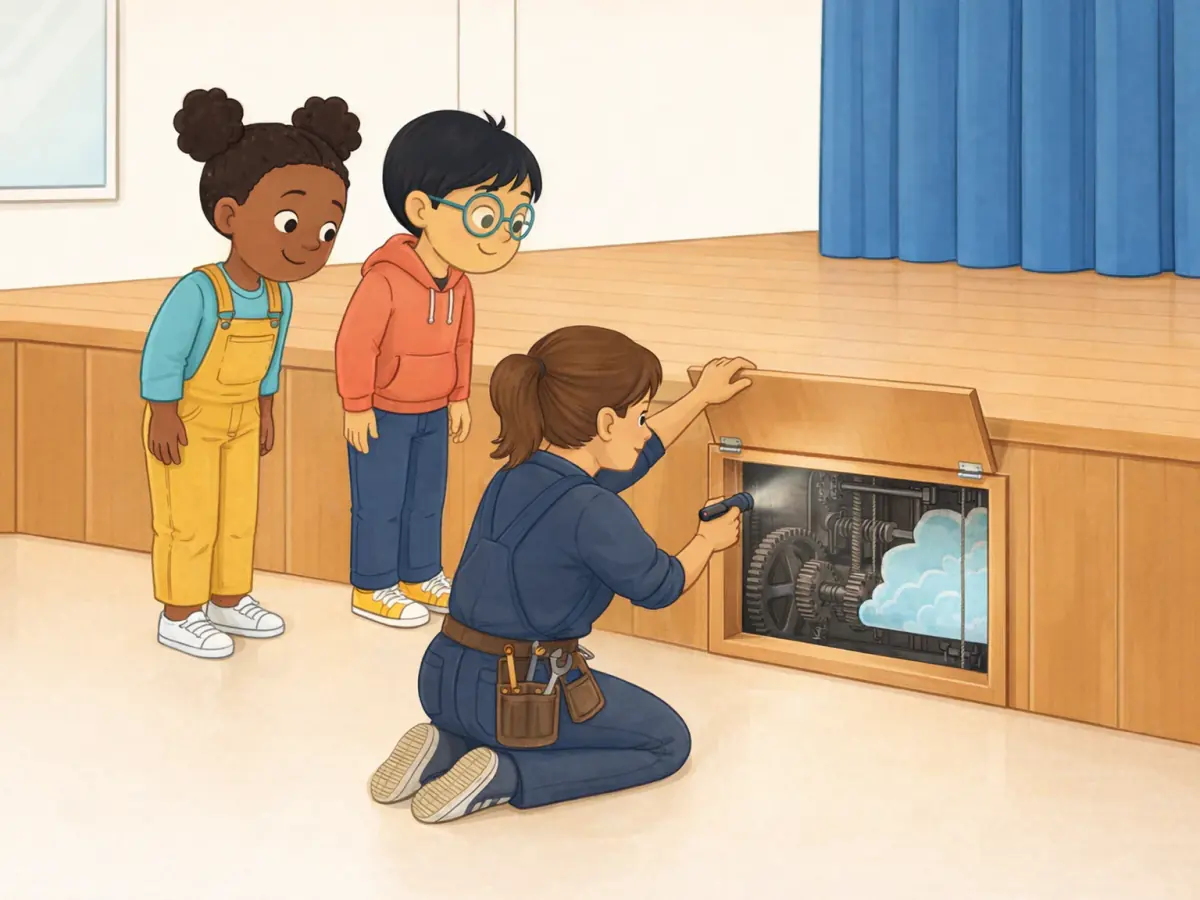
An adult technician kneels at the front of the stage and holds open a small access panel, showing an old scenery lift with gears and a painted cloud, while Nia and Leo watch from a safe step behind.

THE DOOR BENEATH THE STAGE

During rehearsal, Leo noticed a soft knock beneath the stage. He and Nia expected a loose board, but an adult technician opened a safe access panel and found an old mechanical scenery lift. It had once raised painted clouds during plays. The machine could no longer move, so the group photographed it and asked a museum engineer for advice. Instead of hiding their new set inside it, they built a transparent display. The forgotten machine became part of opening night.

Write a paired response

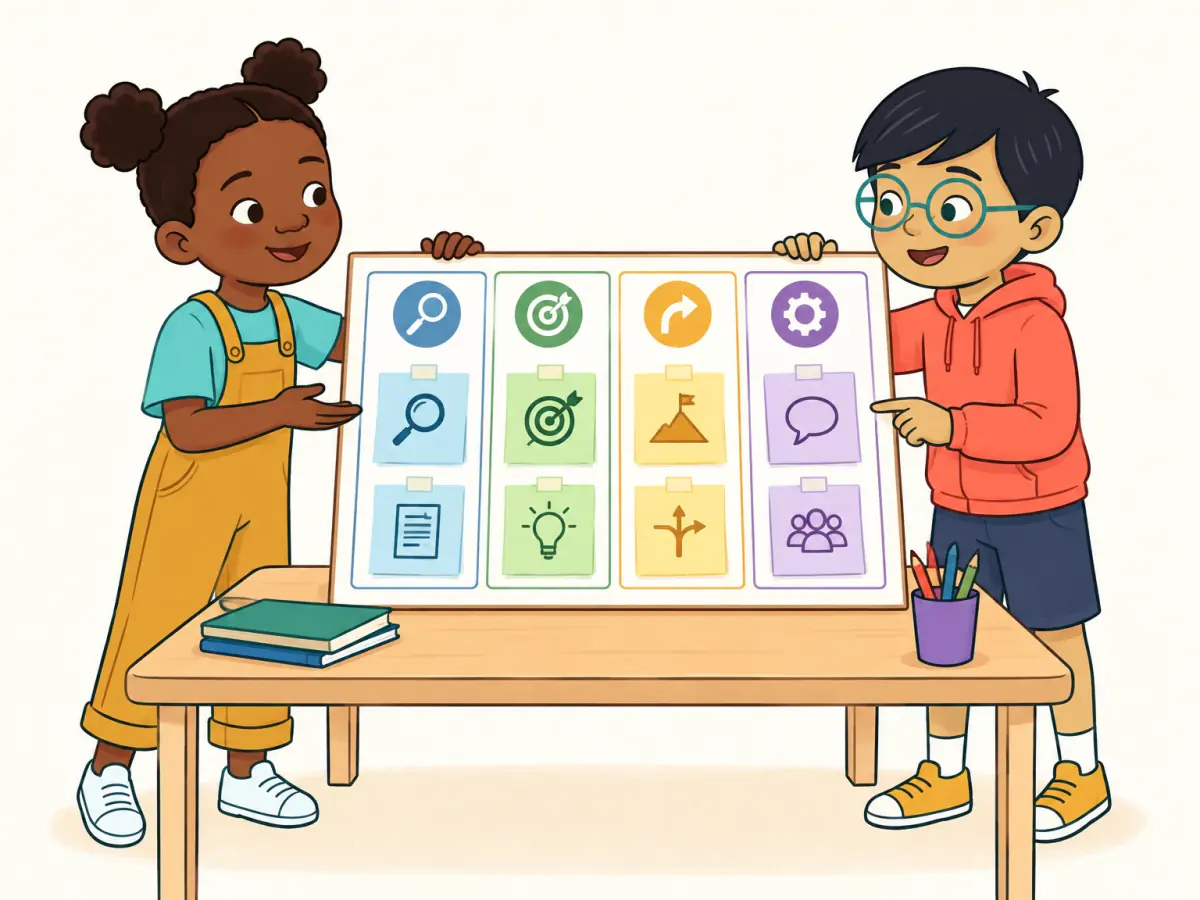
A comparison board shows evidence, purpose, turning point and response columns for the two performance texts.

Nia Who will read your text?

Leo My teacher will read my comparison, and we will talk about it.

Leo What will you check?

Nia I will check my spelling and punctuation.

Which text changed your thinking most?

The lantern report gave me a real example: volunteers widened one narrow corner of the route. The story made the idea personal when an old scenery lift was found under the stage. Both show that careful choices can protect a community. The story changed my thinking most because the forgotten machine became part of opening night.

  • one detail from each
  • genre contrast
  • shared theme
  • reasoned preference
この単元を学ぶ
どの方法で学びますか?

フィクションとノンフィクション:一つの考えへの二つの道

A2レベルになると、子どもは似た題材のノンフィクションとフィクションを比べ始めます。国語で習う「説明文」と「物語文」の違いに近いものです。

この記事では二つの短い例を使います。レポートはランタンのパレードについての文章です:行事の前に、ボランティアがろうそくを使わない明かりを一つずつ点検し、ルートの狭い角を一か所広げます。物語では、劇のリハーサル中の子どもたちが舞台の下からノックのような音を聞きます。ゆるんだ板だと思っていたら、技術者が、かつて色をぬった雲を持ち上げていた古い機械を見つけ、みんなでその機械を展示します。

  • non-fiction – 実際の情報を根拠とともに説明する文章:レポート、ニュース
  • fiction – 登場人物と出来事を作って一つの考えを探る文章:物語、劇

Claim、evidence、turning point

レポートでは、claim(主張)を次のように立てられます:“The parade was safe because people planned it carefully.” evidence(根拠)は広げられた角です。物語のturning point(転換点)は、ふたが開く瞬間です:子どもたちはゆるんだ板を予想していたのに、劇場の歴史の一部を見つけました。どんな物語でも、転換点を見つけるにはこう聞きましょう:“What did they expect?”と“What did they find?”

  • claim – 確かめる中心の考え
  • evidence – 考えを支える詳細
  • turning point – 理解を変える瞬間

正しい?まちがい?本文の言葉で証明する

正誤問題では、記憶で答えずに本文の言葉を指す習慣をつけましょう。“The lights contain real candles.”はまちがいです:レポートには“candle-free”とあります。“-free”は「〜なし」という意味で、“sugar-free”が「砂糖なし」なのと同じです。“The children hide a new set in the machine.”もまちがいです:物語には“Instead of hiding their new set inside it…”とあります。“The old machine once lifted painted clouds.”は正しい文です。物語では“raised”と書かれていますが、言葉ではなく意味を合わせましょう。

  • “It’s true. The text says…”
  • “It’s false. The text says…”
  • “The text doesn’t say.”

題材から共通のテーマへ

topicは文章が何についてかという「題材」です:パレード、劇場。themeは文章が考えさせる考え、つまり「テーマ」なので、完全な文で言うのがいちばんです。下の会話では、最初の答えがそれぞれの文章から詳細を一つずつ取り、最後の行がテーマを言います。ここでの“history”は、守る価値のある昔のもののことです。

日本語の動詞は主語が複数でも形が変わらないので、“Both shows”と言いがちです。“both”のあとの動詞には-sをつけません。

Nia How do the texts explore the same theme?

Leo The lantern report shows careful planning, and the story shows a careful choice about an old machine.

Leo What do they share?

Nia Both show that careful planning keeps people and history safe.

自分に合った方法でこの単元を学ぶ

4文で比べる文章を書く

1文ごとに役目が一つあります。まず子どもが読み手を決めます:先生が読むなら、完全な文、正しいつづりと句読点が必要です。次は“Which text changed your thinking most?”への答えの例です。

“Gave me a real example”はノンフィクションに、“made the idea personal”はフィクションに合う言い方です。“because”のあとの理由が本文から来ていれば、最後の文でどちらの文章を選んでもかまいません。

  • レポートの詳細:“The lantern report gave me a real example: volunteers widened one narrow corner of the route.”
  • 物語の詳細:“The story made the idea personal when an old scenery lift was found under the stage.”
  • 共通のテーマ:“Both show that careful choices can protect a community.”
  • 好みと理由:“The story changed my thinking most because the forgotten machine became part of opening night.”

家でできるゲーム:二つの文章、一つの考え

似た考えを持つ短い英語の文章を二つ選びます。たとえば、海岸のごみ拾いについての子ども向けニュース記事と、古いおもちゃを直す子どもの物語です。子どもはそれぞれの文章の詳細に一つずつ線を引き、“Both show that…”を完成させてから4文を書きます。保護者は“Where does it say that?”とだけ聞きましょう。次は保護者が文を書き、どちらの文章にもない詳細を一つこっそり入れて、子どもに見つけてもらいます。

よくある間違いと簡単な直し方

A2の段階では自然な間違いです。正しい文で言い直して、そのまま続けましょう。

  • あらすじを全部話す:それぞれの文章から詳細を一つだけ選びます。
  • “Both are about shows.”:これは題材です。テーマは何かを伝えます:“Both show that careful planning keeps people and history safe.”
  • “Both texts shows…”:“both”のあとは-sなし:“Both texts show…”
  • “I like the story.”:本文から理由を加えましょう:“…because the forgotten machine became part of opening night.”
  • “The story proves…”:物語は考えを示すことはできても、事実を証明はしません。“The story shows…”と言いましょう。

次のステップ

次は、and、but、so、becauseで考えをつなぐ、もっと長い文章を書けるようになります。たとえば、近所の人に向けた短いお知らせの文章です。

よくある質問

フィクションとノンフィクションの違いは?

ノンフィクションはニュース記事のように、実際の情報を根拠とともに伝えます。フィクションは物語のように、登場人物と出来事を作って一つの考えを探ります。同じ題材を扱うこともあります。

英語のtopicとthemeの違いは?

topicは文章が何についてかという題材です:“a parade”。themeは文章が探る考えで、文で言います:“Careful planning keeps people safe.”

子どもは二つの英語の文章をどう比べればいい?

4文で比べます:それぞれの文章の詳細、共通の考え(“Both show that…”)、そして“because”を使った好みです。

この単元を学ぶ
どの方法で学びますか?

次は何をしましょうか?

ライブの先生と学ぼう

Flalingoのキッズレッスンでは、お子さまがこのような単元をライブの先生とマンツーマンで、同じ画面のゲームを通して練習します。

無料体験レッスンを予約