

本文へ移動
Flalingo

英語の練習

子どもの英語のつなぎ言葉(A2・9~12歳):エコな家の文章でand、but、or、so、becauseを使う

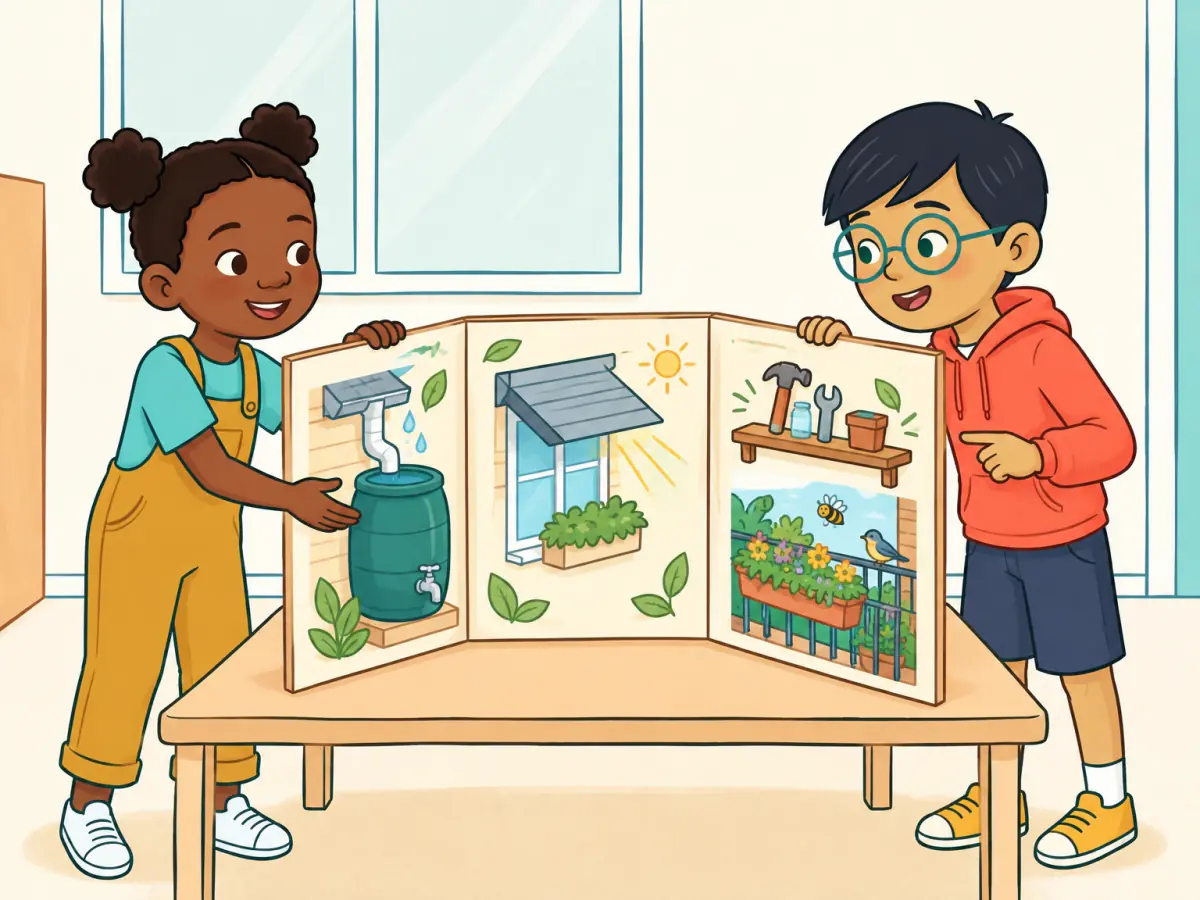
An eco-home information display shows a rain barrel, shaded window, repair shelf and wildlife-friendly balcony garden.

9~12歳の子どもがA2レベルで、and、but、or、so、becauseを使って考えをつなぎ、“used to … but now”で昔の習慣と今を比べ、環境にやさしい家についての短い説明文を書けるようにしましょう。

つなぎ言葉は2つの考えを結び、その関係を示します。“and”は事実を加え、“but”は対比や変化を、“or”は選択を、“so”は結果を、“because”は理由を表します:“We repair toys and lamps, so less rubbish leaves the building.” このテーマはA2レベルで、過去と現在の簡単な文をすでに書ける9~12歳くらいの子どもに向いています。最後に、近所の人に向けて環境にやさしい家についての短い文章を書きます。

この記事が向いている人

  • 簡単な文をすでに書ける子どもの保護者:子どもが先週末にしたことや毎日することを言えます。
  • 動物や公園、リサイクルに関心のある子ども:環境にやさしい家というテーマが、つなぎ言葉に本当の役目を与えます。
  • 家で練習したい保護者:自分の家についての本当の事実があれば十分です。このページのカードで、すべての単語と文の音声が聞けます。
  • まだ早い場合:1つの出来事について過去の文を2つはっきり書けないなら、前のテーマ、短い修理の物語で使うtooとenoughから始めましょう(下のリンク)。
  • 簡単すぎる場合:短い文章で事実をもう自分でつなげられるなら、チラシで理由をそえて提案するテーマへ進みましょう(下のリンク)。

サンプルページを開く

サンプルページを開く

単語カード

clean up

remove litter or mess from a place

damage

harm that makes a place or object worse

the environment

the natural world and the places where people and animals live

litterlitter
planetplanet
pollution

harmful waste that makes air, water or land dirty

rubbish dump

a place where large amounts of waste are taken

wildlife

animals and plants living in natural places

What were you doing when the rain started?

Study how this model connects form with meaning.

I was picking up litter with gloves when the rain started.

Study how this model connects form with meaning.

We used to waste water.

Study how this model connects form with meaning.

The team was planting while we were cleaning.

Study how this model connects form with meaning.

会話

Leo What does your group do for the environment?

Nia We clean up the stream bank every Saturday and pick up litter with gloves.

Nia Why does the litter matter?

Leo It can damage wildlife, and a lot of it ends up at the rubbish dump.

Leo What is the biggest problem here?

Nia Plastic pollution. We want to protect our planet, one small place at a time.

文の形

What were you doing when the rain started?

I was picking up litter with gloves when the rain started.

  • We used to waste water.
  • The team was planting while we were cleaning.

追加の練習

Use the contrast

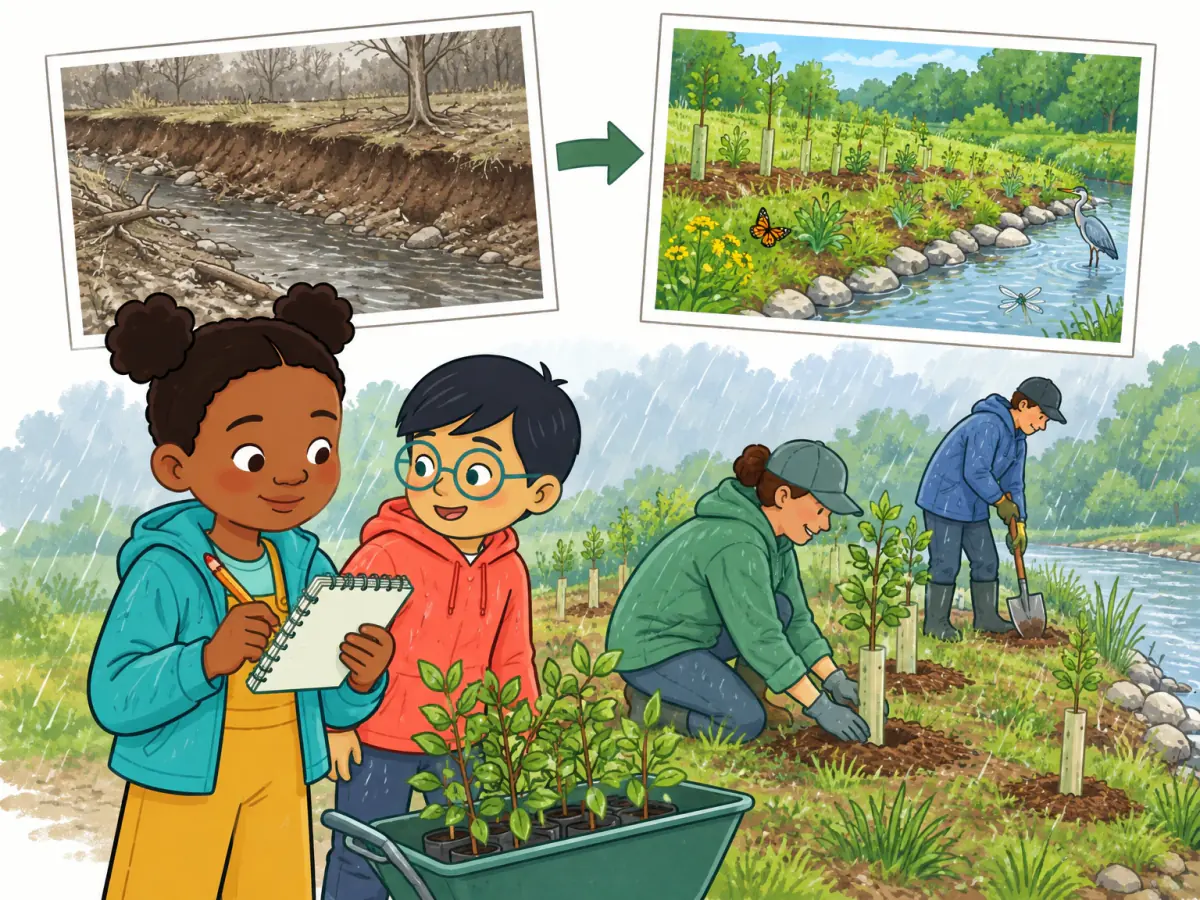
A before-and-now display contrasts a damaged stream bank in an old photograph with a planted bank and clear wildlife area today. Nia records what volunteers were doing when rain began.

Leo What were you doing when the rain started?

Nia I was picking up litter with gloves when the rain started.

Nia What was the team doing?

Leo They were planting while we were cleaning.

Leo Did this place use to have more litter?

Nia Yes, but people changed their habits.

What were you doing when the rain started?

I was picking up litter with gloves when the rain started.

  • We used to waste water.
  • The team was planting while we were cleaning.

Four quiet changes at home

An eco-home information display shows a rain barrel, shaded window, repair shelf and wildlife-friendly balcony garden.

FOUR QUIET CHANGES AT HOME

A greener home does not need dramatic machines. First, a covered rain barrel can store water for plants. Second, a shaded window stays cooler in summer. Third, a repair shelf gives broken objects another chance. Finally, balcony flowers can support insects. Our building used to throw away small items, but neighbours now meet once a month to repair them.

Plan aloud

An eco-home information display shows a rain barrel, shaded window, repair shelf and wildlife-friendly balcony garden.

Nia How will your eco-home text flow?

Leo It will start with what we used to do, and then it will say what we do now.

Leo Which linking words will you use?

Nia I will use but, so and because.

How will your eco-home text flow?

Our building used to waste water, but now we collect rain for the garden. We repair toys and lamps, so less rubbish leaves the building. Neighbours choose herbs or flowers because both support insects.

  • and / but
  • or / so / because
  • used to/now
  • information text

Draft and revise

An eco-home information display shows a rain barrel, shaded window, repair shelf and wildlife-friendly balcony garden.

Nia Who will read your text?

Leo Neighbours in our building will read my information text.

Leo What will you check?

Nia I will check my spelling and punctuation.

How will your eco-home text flow?

Our building used to waste water, but now we collect rain for the garden. We repair toys and lamps, so less rubbish leaves the building. Neighbours choose herbs or flowers because both support insects.

  • and / but
  • or / so / because
  • used to/now
  • information text
この単元を学ぶ
どの方法で学びますか?

このテーマの環境の言葉

これらの言葉で、公園や小川のような身近な場所を大切にする話ができます。“litter”には複数形がないので、“litters”ではなく“a lot of litter”と言います。日本語には冠詞がないため、“the environment”の“the”が抜けやすい点にも注意しましょう。“rubbish”はイギリス英語で、アメリカ英語では“trash”と言います。

  • clean up – 場所のごみや散らかったものを片づける
  • litter – 地面に捨てられたごみ
  • damage – 何かを悪くする害、被害
  • wildlife – 自然の中で生きる動物や植物、野生生物
  • pollution – 空気や水や土地をよごすもの、汚染
  • rubbish dump – 大量のごみが運ばれる場所、ごみ処分場
  • the environment – わたしたちの周りの自然、環境
  • planet – 地球のように宇宙にある大きくて丸い天体、惑星

短いインタビューで言葉を聞く

2人の子どもが、小川の岸を清掃するグループについて話しています。1回聞いたら“When does the group clean up?”(every Saturday)と“What can litter damage?”(wildlife)とたずね、もう一度聞いて確かめましょう。

Leo What does your group do for the environment?

Nia We clean up the stream bank every Saturday and pick up litter with gloves.

Nia Why does the litter matter?

Leo It can damage wildlife, and a lot of it ends up at the rubbish dump.

5つのつなぎ言葉と5つの役目

学校ではこれらを“connectives”や“conjunctions”とも呼びます。どれを使うか決める前に、2つ目の事実が何をしているか考えましょう。加える、対比する、選ぶ、結果を言う、理由を言う、のどれでしょうか。

“so”と“because”は同じ2つの事実を反対側からつなぐので、子どもはよく取り違えます。“so”は結果の前に、“because”は理由の前に来ます:“Less rubbish leaves the building because we repair toys.” 日本語の「~ので」「~から」は理由を先に言うため、“so”の文のほうがなじみやすいかもしれません。結果を先に言う“because”の文もいっしょに練習しましょう。2つの完全な文をつなぐとき、“so”と“but”の前にはコンマを打ち、“because”の前には普通打ちません。

  • and – 加える:“A rain barrel stores water, and we use it for the plants.”
  • but – 対比や変化:“Our flat is small, but it has a balcony.”
  • or – 選択:“Neighbours can plant herbs or flowers.”
  • so – 結果:“The window has a shade, so the room stays cooler.”
  • because – 理由:“We grow flowers because they support insects.”

昔の習慣と過去にしていたこと:used toとwas doing

“used to” + 動詞は、今は変わった昔の習慣を表し、日本語の「以前は~していた」に近い表現です:“We used to waste water.” 疑問文では“d”がなくなります:“Did you use to recycle?” 変化を示すには“but now”と現在形を続けます:“I used to throw old bottles away, but now I recycle them.”

was/were + -ingは、過去のある時点でしている最中だったことを表します。“when”といっしょに使うと、短い出来事がそれをさえぎります:“I was picking up litter with gloves when the rain started.” “while”といっしょに使うと、2つのことが同時に起きています:“The team was planting while we were cleaning.”

自分に合った方法でこの単元を学ぶ

近所の人に向けた説明文を書く

説明文は本物の読み手に事実を伝える文章で、ここでの読み手は近所の人です。子どもは雨水をためるたる、日よけのある窓、修理用の棚、ベランダの花など、環境にやさしい家についての事実を4つ考え、それをつなぎます。書きかえて使えるお手本:“Our building used to waste water, but now we collect rain for the garden. We repair toys and lamps, so less rubbish leaves the building. Neighbours choose herbs or flowers because both support insects.”

最後に、つなぎ言葉を1つずつ確かめます。“so”や“because”は、一方の事実が本当にもう一方の原因になっているときだけ使います。“We collect rain, so the window stays cool.”はつながっているように聞こえますが、事実ではありません。

よくある間違いと簡単な直し方

A2レベルでは自然な間違いです。正しい文で言い直して、そのまま続けましょう。

  • “It was raining, because we went home.”:“It was raining, so we went home.”
  • 今も続く習慣に“I use to recycle.”:“I usually recycle.”
  • “Now we used to repair lamps.”:“Now we repair lamps.”
  • “We was cleaning.”:“We were cleaning.”
  • “a lot of litters”:“a lot of litter”

家でできる遊び:つないでみよう

5枚のカードにand、but、or、so、becauseと書きます。紙の帯には“We turn off the lights.”と“We use less electricity.”のように、自分の家についての本当の事実を2つずつ書きます。子どもは合うカードを選び、文を声に出して読み、理由を言います。そのあと、おじいちゃんやおばあちゃんに“What did you use to do with old bottles?”と聞いてみましょう。

次のステップ

次は、チラシのように理由をそえてアドバイスすることです:“Why not repair your lamp? It saves money.” その後、長い文章をトピックセンテンスのある段落に分ける方法を学びます。

よくある質問

“so”と“because”の違いは?

“because”は理由を、“so”は結果を導きます:“The room stays cool because the window has a shade.” “The window has a shade, so the room stays cool.”

英語の文を“Because”で始めてもいい?

2つの部分がそろっていれば大丈夫です:“Because it was raining, we went home.” 書くときに“Because it was raining.”だけだと不完全な文ですが、“Why?”への話し言葉の短い答えなら自然です。

“used to”は過去だけに使う?

はい。今も続く習慣には現在形を使います:“We usually recycle.”

この単元を学ぶ
どの方法で学びますか?

次は何をしましょうか?

ライブの先生と学ぼう

Flalingoのキッズレッスンでは、お子さまがこのような単元をライブの先生とマンツーマンで、同じ画面のゲームを通して練習します。

無料体験レッスンを予約