本文へ移動
Flalingo

英語の練習

子どもと英語の文章で証拠を見つけ、最初の予想を変える(A2、8~11歳)

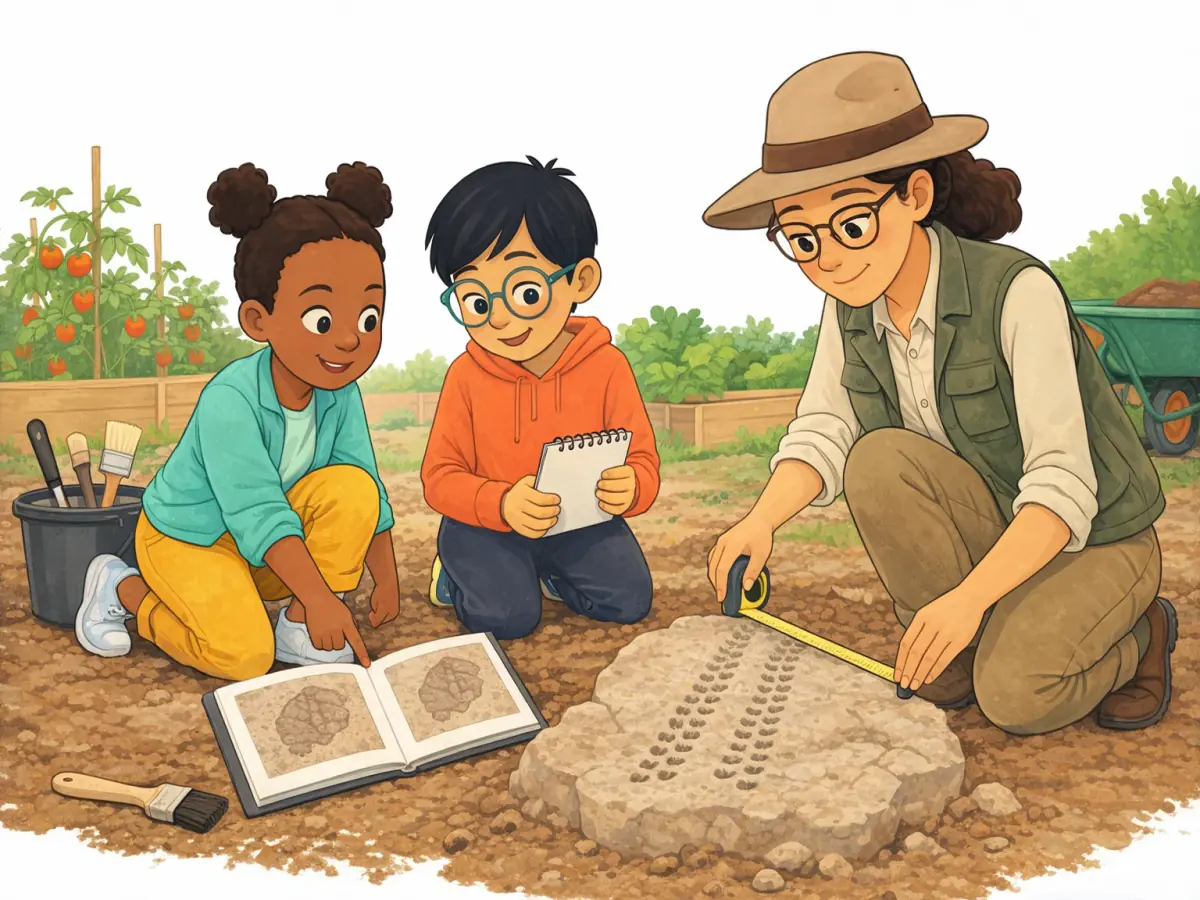
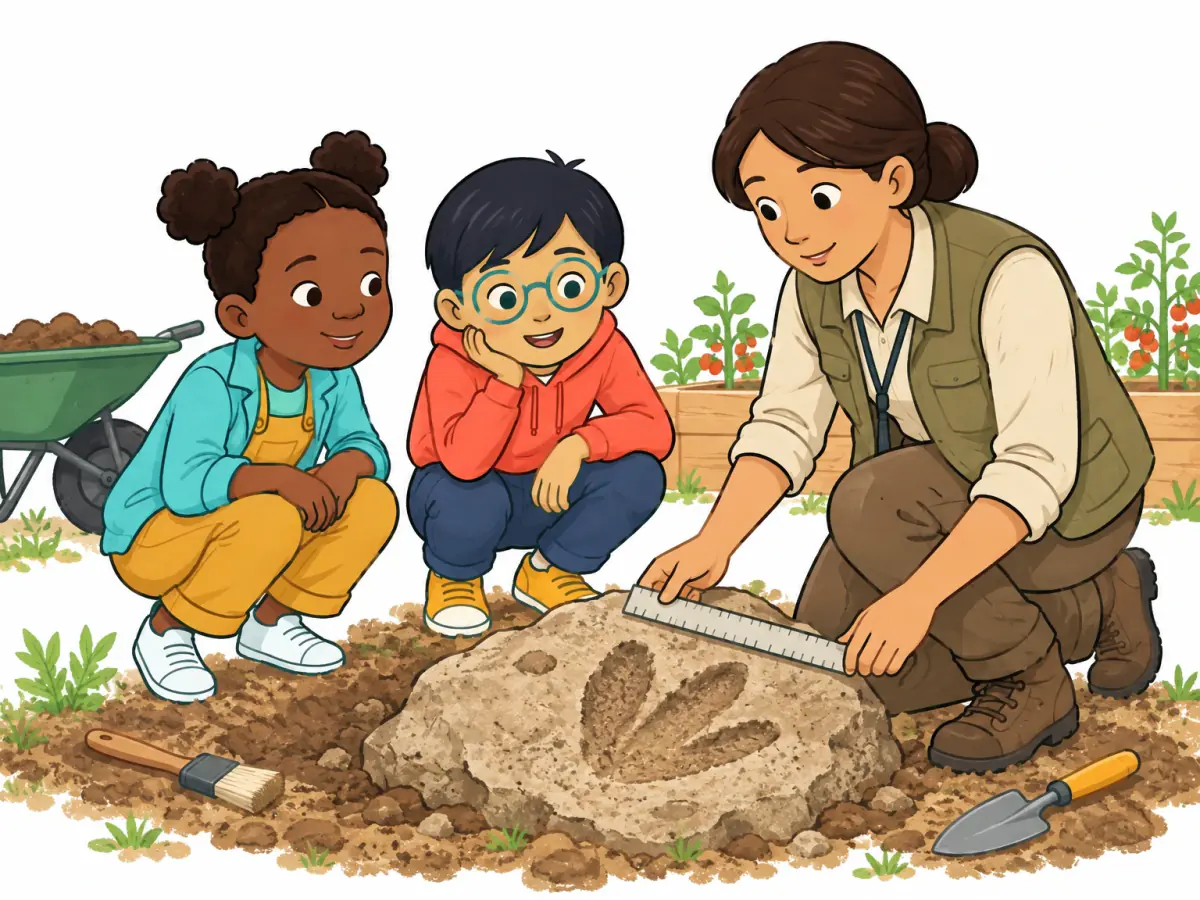
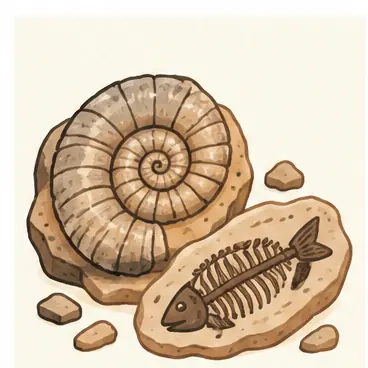
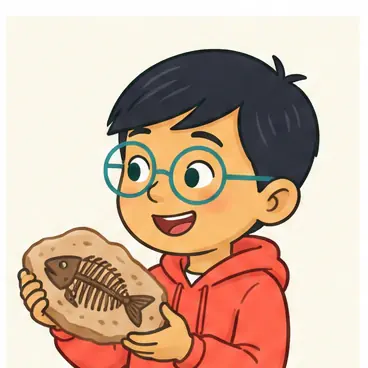
At a community garden dig, two children observe a fossil-shaped print in a loose stone while an adult geologist measures it.

子どもが英語の文章で最初の予想を確かめ、“It might be…”と“They discovered…”の違いを知り、I think、The text says、In my opinionでつながった4文を書けるようにしましょう(A2、8~11歳)。

証拠を探しながら読むとは、予想を文章の正確な言葉とくらべ、別の方向を示す一文があれば予想を変えることです。子どもは、可能性(“It might be a footprint fossil.”)とわかった事実(“They discovered it came from a sea animal.”)を区別し、beforeで出来事の順番を追う方法を学んだうえで、文章についてつながった4文を書きます。このA2のテーマは、過去形(past simple)で書かれた短い物語をすでに読める8~11歳くらいの子どもに向いています。

この記事が向いている人

  • 英語の短い物語を読める子どもの保護者:子どもがfound、thought、movedのような動詞が出てくる過去形の段落を追えます。
  • 一度予想した答えを変えない子ども:このテーマでは、予想を文章と照らし合わせ、証拠が違うことを示したら変える方法を学びます。
  • はっきりした書く目標がほしい保護者:最後には子どもが文章についてつながった4文を書きます。下のカードと会話には音声があります。
  • まだ早い場合:saw、found、thoughtのような過去形にまだ慣れていないなら、下にリンクした博物館見学についてたずねるA2の記事から始めましょう。
  • 簡単すぎる場合:すでにどの答えも文章の一文で裏づけられるなら、下にリンクした公演についての2つの文章をくらべるA2の記事へ進みましょう。

サンプルページを開く

サンプルページを開く

単語カード

fossilsfossils
claimclaim
evidenceevidence
changechange
I think …
The text says …
It is important because …
In my opinion, …

会話

Nia Which evidence changed the first guess?

Leo The local rock record pointed to a sea animal.

Leo Why does that evidence matter?

Nia It shows that the first guess was wrong.

文の形

Which evidence changed the first guess?

The local rock record pointed to a sea animal.

  • The text says …
  • It is important because …

追加の練習

The Footprint Under the Garden

At a community garden dig, Nia and Leo observe a fossil-shaped print in a loose stone while an adult geologist measures it. Nia points to the first evidence panel while Leo compares it with a later detail.

THE FOOTPRINT UNDER THE GARDEN

During a garden path repair, a volunteer found a stone with a repeating pattern. The children first thought it was a giant leaf. A rock scientist photographed and measured it before anyone moved it. She explained that it might be a footprint fossil, which shows where an animal moved, not its body. The team compared the mark with local rock records and discovered it came from a small ancient sea animal. Their careful questions mattered more than their first exciting guess.

Build a reasoned response

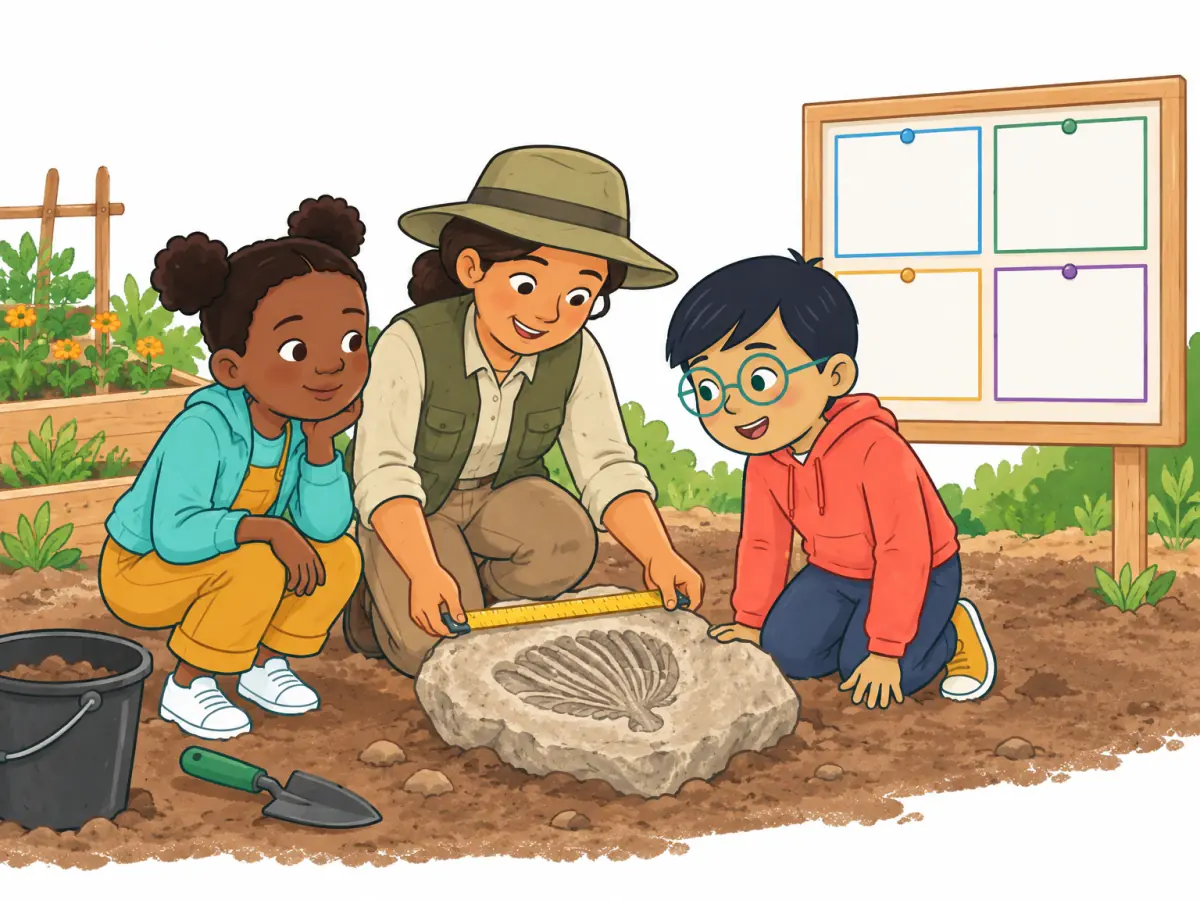
At a community garden dig, Nia and Leo observe a fossil-shaped print in a loose stone while an adult geologist measures it. A reflection board has four blank picture panels for claim, evidence, change and response.
I think …
The text says …
It is important because …
In my opinion, …

Write a response

At a community garden dig, Nia and Leo observe a fossil-shaped print in a loose stone while an adult geologist measures it. A reflection board has four blank picture panels for claim, evidence, change and response.

Nia What will you write about?

Leo I will write about the footprint in the stone.

Nia How will you prove your idea?

Leo I will use words from the text.

What do you think?

The rock records changed the first guess. They showed that a small sea animal made the mark. This matters because one exciting guess is not enough. I think measuring a find before moving it is a good idea.

  • I think
  • The text says
  • because
  • In my opinion
この単元を学ぶ
どの方法で学びますか?

科学者のように読むための4つの言葉

A2になると、読解の質問は“How do you know?”もたずねるようになります。この4つの言葉が子どもの答えを助けます。日本語では名詞の単数と複数をふつう区別しないので、evidenceにsをつけるかどうか迷いがちですが、evidenceには複数形がありません。“evidences”ではなく“some evidence”と言います。

  • fossil – 化石。とても古い動物や植物が岩の中に残したもの
  • claim – 主張。だれかが本当だと言う考え:“It’s a giant leaf.”
  • evidence – 証拠。主張が正しいかどうかを示す事実や文
  • change – 変える。証拠が別の方向を示したとき、予想に対してすること

練習用の短い発見の文章

最初の考えがまちがいだとわかる文章で練習しましょう。たとえば、庭の小道を直しているときにボランティアがくり返し模様のある石を見つけ、子どもたちは最初、大きな葉っぱだと考えます。岩石の研究者は、だれかが石を動かす前に写真を撮って大きさをはかり、足あとの化石かもしれないと説明します。足あとの化石は、動物の体ではなく、動物がどこを動いたかを示します。チームはその跡を地元の岩石の記録とくらべ、大昔の小さな海の生き物が残したものだとつきとめます。

最初の一文のあとで止めて予想を聞き、それから、どの文が予想を変えるかをたずねましょう。答えは岩石の記録についての文で、それが証拠です。

Mightかdiscoveredか:可能性とわかった事実

Might、may、couldは可能性、つまりまだだれも確かめていない考えを表します。Discovered、found out、showedは、確かめ終わったことを表します。日本語の「〜かもしれない」は“It might be…”に、「〜だとわかった」は“They discovered…”に近い言い方です。mightのあとの動詞は原形です:“It might is a fossil.”ではなく“It might be a fossil.”です。

  • 可能性:“It might be a footprint.” “It could be a leaf.”
  • わかった事実:“They discovered it came from a small ancient sea animal.”

Firstとbefore:出来事の順番を追う

読解の問題では、よく順番が問われます。“The children moved the stone before recording it.”はまちがいです。研究者は、だれかが石を動かす前に大きさをはかったからです。beforeのあとには文全体か-ingの形が来ます。日本語の「動かす前に」は英語では“before moving it”で、“before move it”はまちがいです。

  • first:“The children first thought it was a giant leaf.”
  • before + 文:“She measured it before anyone moved it.”
  • before + -ing:“She measured it before moving it.”

証拠について話す:2つの大事な質問

下の2つの質問で、読むことが会話になります。“Pointed to”は「指し示していた」という意味で、“It shows that…”は証拠が何を示すかを言うときに使います。いっしょに聞いて役を1つずつ担当し、役を交代して、別の物語についても同じ質問をしてみましょう。

Nia Which evidence changed the first guess?

Leo The local rock record pointed to a sea animal.

Leo Why does that evidence matter?

Nia It shows that the first guess was wrong.

自分に合った方法でこの単元を学ぶ

つながった4文を書く

短い感想文では、4つの文がそれぞれ別の役目をもちます。下のカードの書き出しが1つずつ役目を担い、どの文も前の文を受けて続きます。“In my opinion”のあとにはコンマを打ちます。日本語には主語によって動詞の形を変えるしくみがないので“The text say”としがちですが、“The text says”のようにsが必要で、そのあとには文章に本当に書いてあることだけを書きます。

  • “I think the first guess was wrong.”(主張)
  • “The text says the team compared the mark with local rock records.”(証拠)
  • “It is important because one exciting guess is not enough.”(なぜ大事か)
  • “In my opinion, measuring a find before moving it is a good idea.”(子ども自身の意見)

よくある間違いと簡単な直し方

A2では自然な間違いです。正しい文で言い直して、そのまま続けましょう。

  • “There are many evidences.”:evidenceには複数形がありません:“There is a lot of evidence.”
  • “The text say it was a leaf.”:sをつけます:“The text says…”
  • “It might is a fossil.”:mightのあとは原形:“It might be a fossil.”
  • “She measured it before move it.”:“before moving it”または“before anyone moved it”
  • “The text says it was the best find ever.”:これは意見なので、“In my opinion,…”で始めます。

家でできるあそび:なぞの跡

子どもが見ていないときに、フォーク、鍵、ペットボトルのふたを粘土に押しつけて跡をつけます。1つの跡を見せ、子どもは“It might be…”で予想します。証拠を1つずつ加えましょう:まず2つ目の跡、次に候補の物をかいたカード、つまりわが家の「岩石の記録」です。手がかりで予想が変わったら、子どもが“This evidence changed my first guess.”と言います。

最後に4つの書き出しで4文を言うか書くかして終わります。読む練習には、子ども向けの短い英語のニュース記事を選び、“Which line changed your first idea?”とたずねましょう。

次のステップ

次は、2つの文章をくらべ、どちらがより強い証拠を示しているかを言えるようにします。やがて4つの文は、because、but、soでつながった1つの段落に育っていきます。

よくある質問

子どもが英語の文章で証拠を見つけるには、どう手伝えばいいですか?

答えるたびに“Where does it say that?”とたずね、その文を声に出して読んでもらいましょう。それから、その文が最初の予想を支えるのか、変えるのかを聞きます。

“evidence”と“evidences”、どちらが正しいですか?

evidenceは数えられない名詞なので、複数形はありません。“some evidence”、“a lot of evidence”、“two pieces of evidence”と言います。

読んだ感想を書くとき、どんな書き出しが使えますか?

4つの書き出しが主な役目を分担します:“I think…”(主張)、“The text says…”(証拠)、“It is important because…”(理由)、“In my opinion,…”(子ども自身の意見)。

この単元を学ぶ
どの方法で学びますか?

次は何をしましょうか?

ライブの先生と学ぼう

Flalingoのキッズレッスンでは、お子さまがこのような単元をライブの先生とマンツーマンで、同じ画面のゲームを通して練習します。

無料体験レッスンを予約