

本文へ移動
Flalingo

英語の練習

子どもと英語で朝ごはんの習慣を話す(A2・8~11歳):“usually”と“right now”

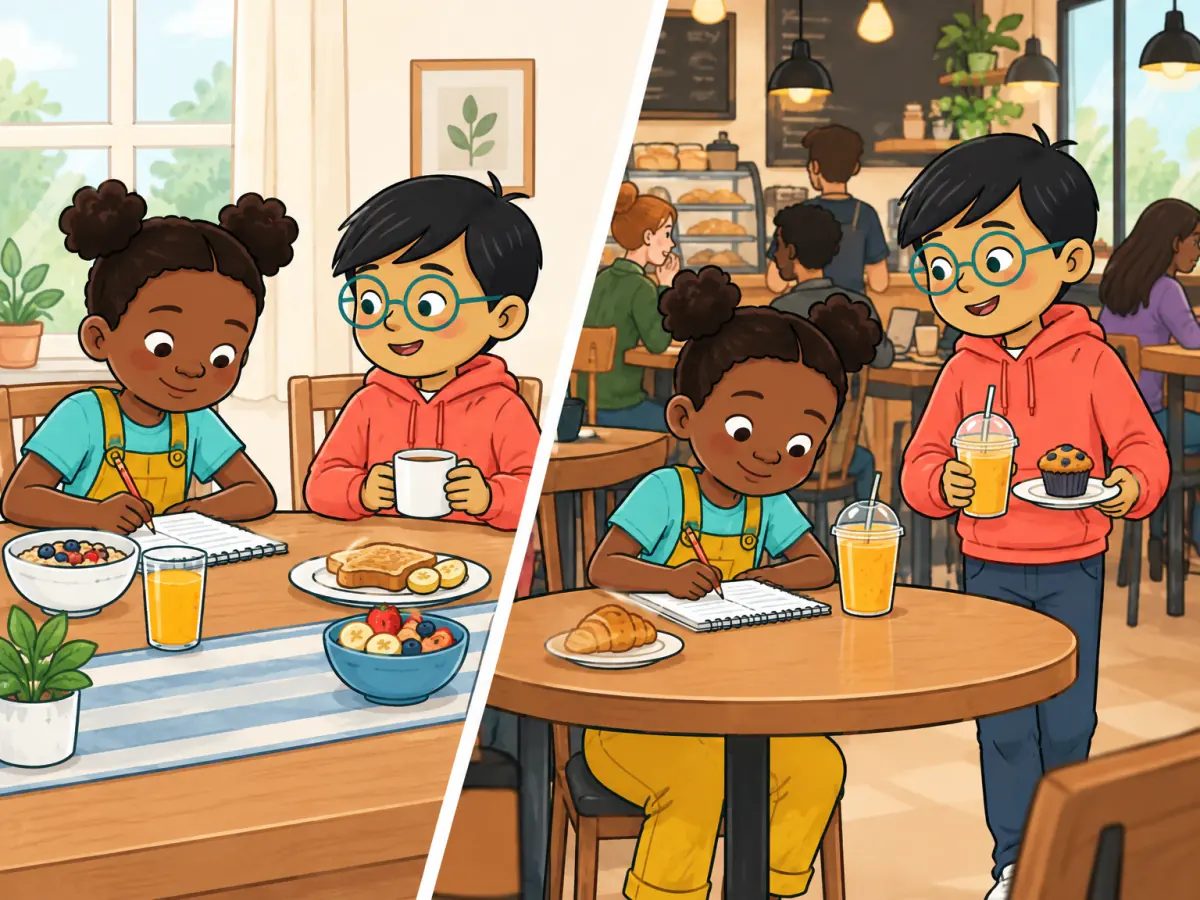
A split café scene contrasts a quiet family breakfast table used every week with the busy café right now. A child records meal habits while another child carries no hot items.

8~11歳・A2レベルの子どもが英語で家族の朝ごはんを話せるようにしましょう。usually、often、rarelyで習慣を、am、is、are+-ingで今していることを言い、つながった4つの文を書きます。

ここで英語は2つの形を使い分けます。習慣は、頻度を表す言葉といっしょに現在形(present simple)で言います:“We usually eat toast.” “I rarely drink fizzy drinks.” ちょうど今起きていることは、am、is、areと-ingの動詞で言います:“Right now, we are making pancakes.” このテーマはA2レベルで、“I eat toast.”がすでに言えて、いつもの朝と今日をくらべる準備ができた8~11歳くらいの子どもに向いています。

この記事が向いている人

  • 簡単な現在形の文が言える子どもの保護者:子どもが“I like milk.”や“I eat toast.”を一人で言えます。
  • 英語を毎日の生活とつなげたい家庭:朝ごはんは毎日あるので、実際の朝に練習を組み込めます。
  • 書く目標がほしい保護者:最後には、子どもが家族の朝ごはんについてつながった4つの文を書きます。下の会話はどの文も音声で聞けます。
  • まだ早い場合:“I eat toast.”のような簡単な文や“Where are you from?”のような質問がまだ難しければ、下にリンクした出身をたずねるA1の記事から始めましょう。
  • 簡単すぎる場合:“usually”と“right now”をもう間違えずに使い分けられるなら、下にリンクした、いつもの日と昨日を話すA2の記事へ進みましょう。

サンプルページを開く

サンプルページを開く

単語カード

waiterwaiter
waitresswaitress
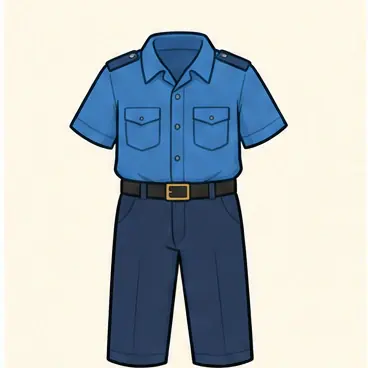
uniformuniform
menumenu
customercustomer
bottle of waterbottle of water
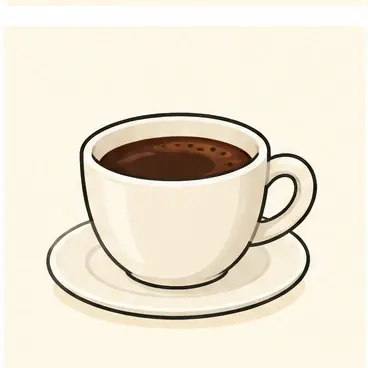
cup of coffeecup of coffee
glass of milkglass of milk
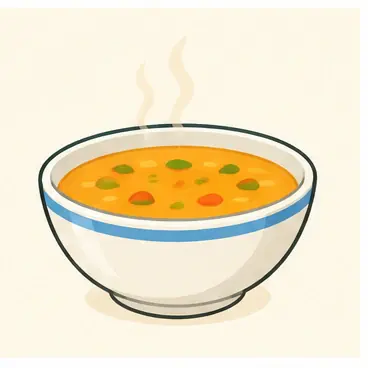
bowl of soupbowl of soup
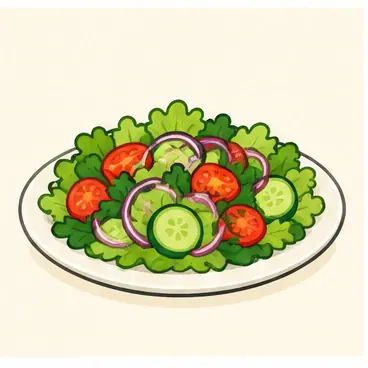
plate of saladplate of salad
What does your family usually eat?

We usually eat toast and fruit.

I rarely drink fizzy drinks.
Right now, Leo is carrying a muffin.
Today, the café is getting busy.

会話

Nia What does your family usually eat?

Leo We usually eat soup.

Leo Do you often eat at a café?

Nia No. We rarely eat out.

Nia What are we doing right now?

Leo We are choosing salad.

文の形

What does your family usually eat?

We usually eat toast and fruit.

  • I rarely drink fizzy drinks.
  • Right now, Leo is carrying a muffin.
  • Today, the café is getting busy.

追加の練習

Change the information

A split café scene contrasts a quiet family breakfast table used every week with the busy café right now. Nia records meal habits while Leo carries no hot items.

Nia What do you usually have for breakfast at home?

Leo I usually have toast and fruit.

Leo What are you doing right now?

Nia I am writing in my notebook.

Nia What are you carrying today?

Leo I am carrying a muffin and some juice.

What does your family usually eat?

We usually eat toast and fruit.

  • I rarely drink fizzy drinks.
  • Right now, Leo is carrying a muffin.
  • Today, the café is getting busy.

Three breakfast tables

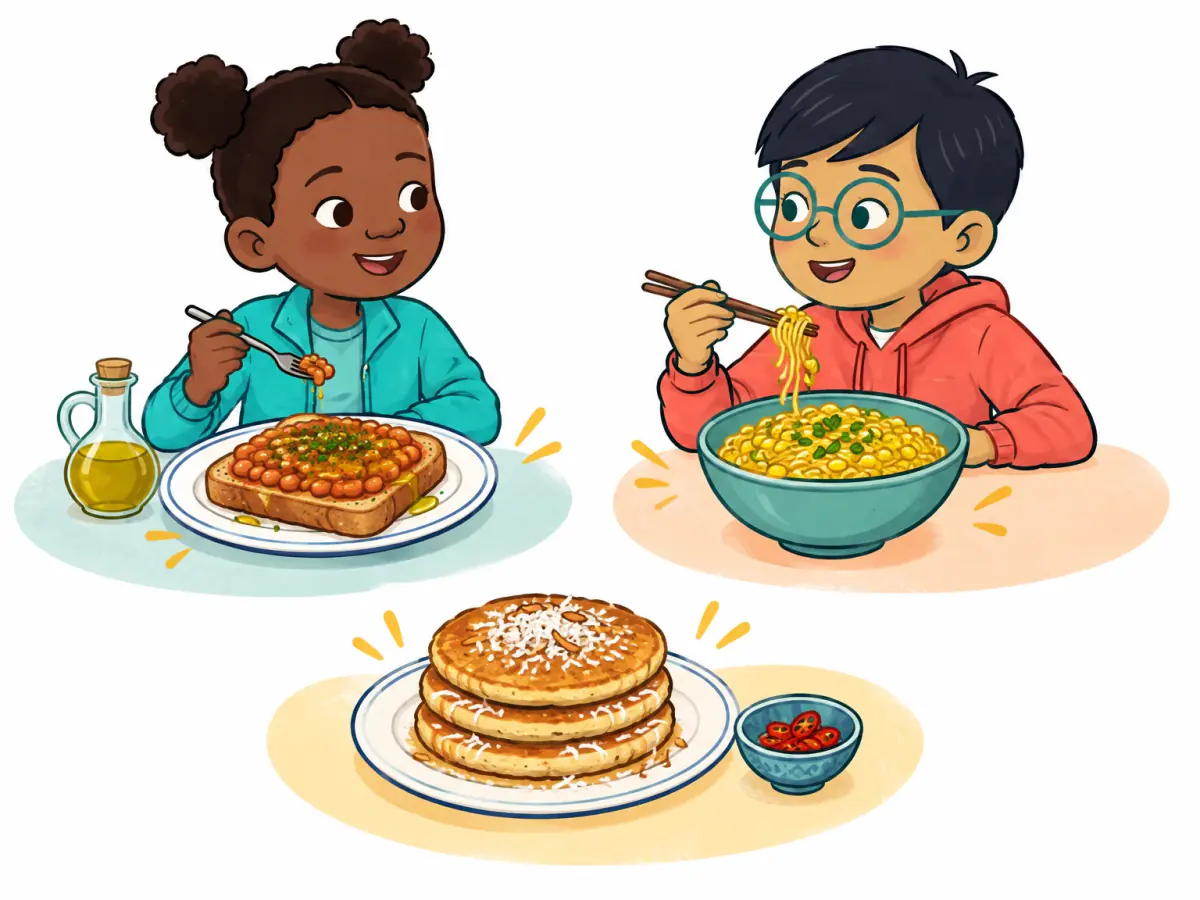
Three distinct breakfast tables show toast with beans, noodles with corn, and coconut pancakes with chilli kept separate.

THREE BREAKFAST TABLES

Families start the day in different ways. Nia's family usually shares toast with beans and a little olive oil. Leo's family often has noodles with corn, but today they are eating coconut pancakes. Their neighbours, the Silva family, rarely eat together on weekdays; one adult likes chilli, so it stays in a separate bowl. On Saturday, all three families are meeting at a neighbourhood café. A good breakfast can look different in every home.

Writer’s studio

A split café scene contrasts a quiet family breakfast table used every week with the busy café right now. Nia records meal habits while Leo carries no hot items.

Nia What will you write about?

Leo I will write about my family's breakfast.

Nia Which time words will you use?

Leo I will use usually, rarely and today.

What are your eating habits?

I usually eat bread for breakfast. I rarely drink fizzy drinks. Today, I am having fruit.

  • I rarely drink fizzy drinks.
  • Right now, Leo is carrying a muffin.
  • Today, the café is getting busy.
この単元を学ぶ
どの方法で学びますか?

習慣か、今か:2つの形

英語では、くり返し起きることと、今起きていることを分けて言います。習慣は現在形、今この瞬間はam、is、areと-ingです。日本語の「〜ている」は「毎朝パンを食べている」のように習慣にも使えるので、子どもは“I am eating toast every morning.”と言ってしまうことがあります。正しくは“I eat toast every morning.”です。いちばんの手がかりは時を表す言葉です。usually、every morning、on Sundaysなら習慣の形、right now、at the moment、“Look!”なら-ingの形が合います。

  • 習慣:“My mum usually drinks tea.”
  • 今日:“Today she is drinking coffee.”

Usually、often、rarely:どのくらいよく?

頻度の言葉は「毎回」から「まったくない」までの線のように教え、家族の本当の習慣をその線の上に置いてみましょう。この言葉はふつうの動詞の前に来ますが(“I usually eat eggs.”)、am、is、areのあとに来ます(“He is usually hungry at eleven.”)。rarelyはそれだけで「めったにしない」という意味です。日本語では「あまり外食しない」と否定の形で言うので“don’t”をつけたくなりますが、英語では“We rarely eat out.”です。eat outはカフェやレストランで食事をすることです。

  • always:いつも
  • usually:たいてい
  • often:よく
  • sometimes:ときどき
  • rarely:めったにしない
  • never:まったくしない

習慣をたずねる:doとdoes

習慣の質問にはdoかdoesを使います:“Do you often eat at a café?” he、she、1人の名前、“my family”のときはdoesを使い、動詞はもとの形のままです:“What does your family usually eat?” こうした主語で答える文では、動詞に-sがつきます:“My brother usually eats cereal.” 日本語の動詞は主語によって形が変わらないので、この-sは忘れやすいところです。

Nia What does your family usually eat?

Leo We usually eat soup.

Leo Do you often eat at a café?

Nia No. We rarely eat out.

今と今日:am、is、are+-ing

ちょうど今のこと:“I am writing in my notebook.” “Today, the café is getting busy.” つづりに注意しましょう。最後の発音しないeは消え(choose、choosing)、短い動詞のなかには最後の文字を重ねるものがあります(get、getting、sit、sitting)。カフェの写真や家の食卓を見て、人がしていることを言うのもよい練習です:“The waiter is carrying a tray.”

Nia What are we doing right now?

Leo We are choosing salad.

朝ごはんとカフェの言葉

家族が本当に食べているものを集めましょう:toast(トースト)、beans(豆)、olive oil(オリーブオイル)、noodles(めん)、corn(とうもろこし)、pancakes(パンケーキ)、coconut(ココナッツ)、chilli(とうがらし)。カフェでは、menu(メニュー)、customer(お客さん)、uniform(制服)を着たwaiterやwaitress(店員)に出会います。飲み物やスープには入れ物の言葉が必要です:“a milk”ではなく“a glass of milk”です。大人はカフェで“a coffee”と注文することもありますが、入れ物まで言う形はいつでも正しい言い方です。手をたたいて音節を数えると、つづりの助けになります:pan-cakes (2)、co-co-nut (3)。カタカナの「パンケーキ」は5拍ですが、英語では2音節です。

  • a bottle of water:水1本
  • a cup of coffee:コーヒー1杯
  • a glass of milk:牛乳1杯
  • a bowl of soup:スープ1杯
  • a plate of salad:サラダ1皿
自分に合った方法でこの単元を学ぶ

朝ごはんについて、つながった4つの文を書く

目標はリストではなく短い段落です。習慣を1つ、別の頻度の言葉を使った2つ目の習慣、家族がめったにしないこと、そして今日いつもと違うことを書きます。and、but、because、soが4つの文を1つの文章につなぎます。例を読んだら、子どもに自分の家族に合わせて全部書きかえてもらいましょう:

  • “On school days, my family usually eats toast and eggs.”
  • “My dad often drinks coffee, but I drink milk.”
  • “We rarely eat pancakes because they take a long time.”
  • “Today is Saturday, so we are making pancakes right now!”

よくある間違いと簡単な直し方

A2の段階では自然な間違いです。正しい文で言い直して、そのまま続けましょう。

  • “My dad usually drink coffee.”:he、she、名前のときは-sをつけます:“My dad usually drinks coffee.”
  • “I am usually eat toast.”:習慣にはam、is、areはいりません:“I usually eat toast.”
  • “Right now I eat a pancake.”:今この瞬間には-ingを使います:“Right now I am eating a pancake.”
  • “We don’t rarely eat out.”:rarelyにはもう否定の意味があります:“We rarely eat out.”

家でできる「朝ごはん記者」あそび

子どもに小さなノートを朝ごはん日記として渡します。朝ごはんのときに、子どもが家族の1人にインタビューします。“What do you usually eat on Sundays?”のような習慣の質問を2つと、今についての質問を1つします:“What are you eating right now?” 食事のあと、答えをもとに4つの文を書きます。次の日は役を交代して、子どもも答える練習をしましょう。

次のステップ

次は過去を加えましょう:“We usually eat toast, but yesterday we ate pancakes.” そのあと、clappedやstoppedのような過去形の動詞で、出来事を順番に話せるようになります。

よくある質問

“I eat”と“I am eating”の違いは?

“I eat toast.”は習慣、“I am eating toast.”は今していることです。日本語ではどちらも「食べている」と言えることがあるので、時を表す言葉で選びましょう:前者はevery morning、後者はright nowと合います。

“usually”は英語の文のどこに置きますか?

ふつうの動詞の前です:“We usually eat soup.” am、is、areのあとです:“She is usually early.” 文の最初に置くこともできます:“Usually, we eat at seven.” この段階では、rarelyとneverは文の真ん中に置きましょう。

“I am having breakfast”と言ってもいいですか?

はい、“have”が「食べる・飲む」の意味なら言えます:“We are having breakfast.” 「持っている」の意味のときは現在形のままです:“I am having a cat.”ではなく“I have a cat.”です。

この単元を学ぶ
どの方法で学びますか?

次は何をしましょうか?

ライブの先生と学ぼう

Flalingoのキッズレッスンでは、お子さまがこのような単元をライブの先生とマンツーマンで、同じ画面のゲームを通して練習します。

無料体験レッスンを予約