本文へ移動
Flalingo

英語の練習

子どもと英語で学校のコンサートを話す(A2、8~11歳):“played”と“clapped”で学ぶ過去形

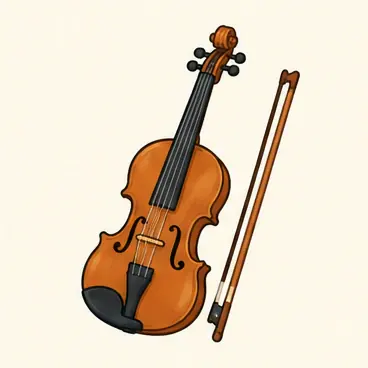
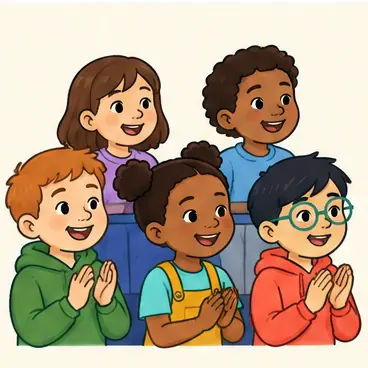
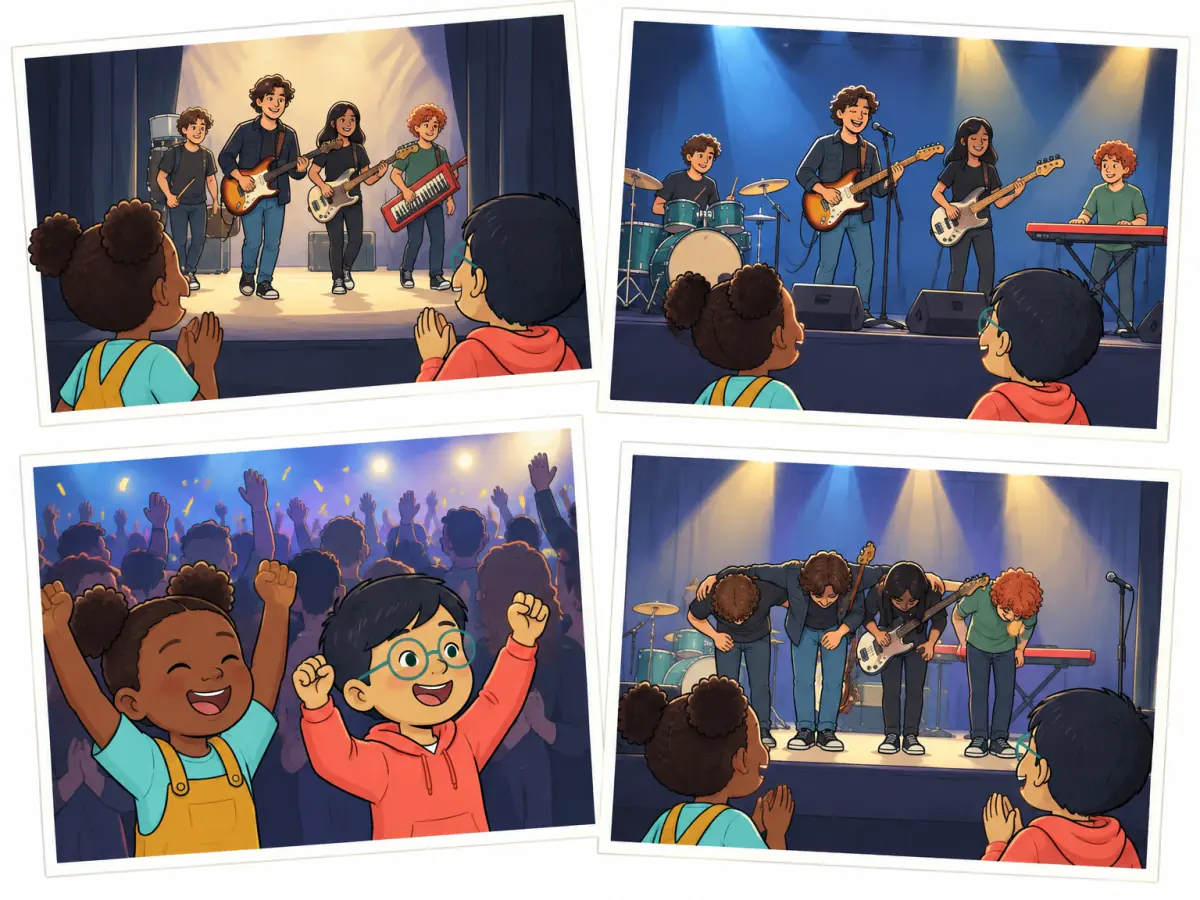
Four concert-memory pictures show musicians entering the stage, playing instruments, the audience cheering and the group bowing at the end.

子どもが英語でコンサートのことを話せるようにしましょう(A2、8~11歳)。-edの過去形、didの質問と短い答え“Yes, we did.”、clappedとstoppedの重ね字、4文の出来事作文まで扱います。

もう終わったコンサートについて話すとき、英語では過去形(past simple)を使います。ほとんどの動詞は-edをつけます:“We played outside.” “The audience cheered.” clapやstopのような短い動詞は、最後の文字を重ねてから-edをつけます:clapped、stopped。質問にはdidを使い、動詞はもとの形のままです:“Did you have a concert yesterday?” “Yes, we did.” このテーマはA2レベルで、実際の出来事を短いお話として伝える準備ができた8~11歳くらいの子どもに向いています。

この記事が向いている人

  • 現在形で話せる子どもの保護者:子どもが“I usually play football.”と言えて、yesterdayやlast weekendの意味が分かります。
  • 話せる実際の出来事がある家庭:学校のコンサート、音楽のレッスン、合唱、子どもが見たショーなど。
  • 書く目標がほしい保護者:最後には、1つの出来事を順番に4文で書けるようになります。下の会話はすべての行の音声が聞けます。
  • まだ早い場合:“We usually eat soup.”のような現在形の文がまだ難しいなら、下にリンクした朝ごはんの習慣の記事(A2)から始めましょう。
  • 簡単すぎる場合:-edの動詞、did、wasをまちがえずに使えるなら、下にリンクした博物館見学の記事(A2)へ進みましょう。

サンプルページを開く

サンプルページを開く

単語カード

concertconcert
drumsdrums
instrumentsinstruments
violinviolin
audienceaudience
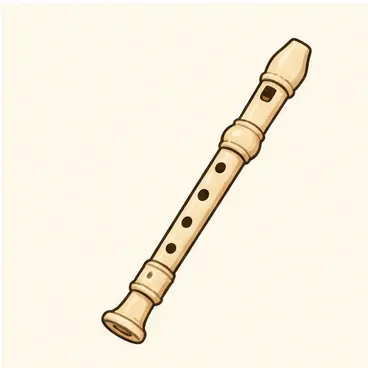
recorderrecorder
cheercheer
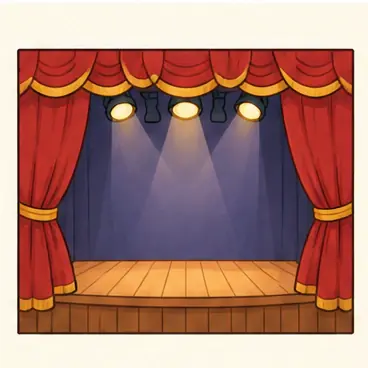
stagestage
programmeprogramme
trumpettrumpet
Did you go to a concert yesterday?

Yes, we did. We watched a band.

The stage was bright.
We had four instruments.
The audience cheered.

会話

Leo Did you have a concert yesterday?

Nia Yes, we did. We played outside.

Leo What did you play?

Nia I played the trumpet.

Leo Was the audience quiet?

Nia No. Everyone cheered.

文の形

Did you go to a concert yesterday?

Yes, we did. We watched a band.

  • The stage was bright.
  • We had four instruments.
  • The audience cheered.

追加の練習

Change the information

Four concert-memory pictures show musicians entering the stage, playing instruments, the audience cheering and the group bowing at the end.

Nia Was the concert good?

Leo Yes, it was great!

Leo How many instruments did the band have?

Nia They had four instruments.

Nia What did the audience do?

Leo They clapped and cheered.

Did you go to a concert yesterday?

Yes, we did. We watched a band.

  • The stage was bright.
  • We had four instruments.
  • The audience cheered.

Writer’s studio

Four concert-memory pictures show musicians entering the stage, playing instruments, the audience cheering and the group bowing at the end.

Nia What will you write about?

Leo I will describe the concert picture.

Nia Which verbs have double letters?

Leo Clapped and stopped have double letters.

What happened in the picture?

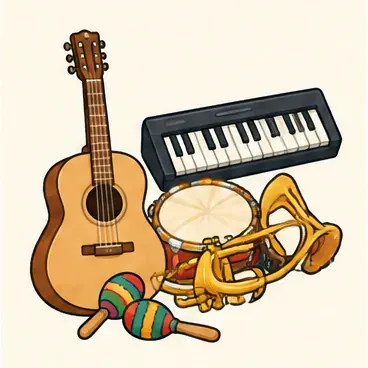
The band walked onto the stage. They played the guitars, the drums and the keyboard. Nia and Leo clapped and cheered. When the music stopped, the band bowed.

  • The stage was bright.
  • We had four instruments.
  • The audience cheered.
この単元を学ぶ
どの方法で学びますか?

コンサートの言葉:ステージ、音楽、観客

演奏する人はステージ(stage)にいて、観客(audience)は見ている人全員です。audienceはグループ全体を表す1語なので、1つのコンサートにaudienceは1つです:“The audience cheered.” programmeは演奏する曲を書いた紙(プログラム)で、アメリカ英語ではprogramとつづります。recorderは小学校の音楽で習うリコーダーです。日本語ではピアノは「弾く」、太鼓は「たたく」、トランペットは「吹く」と言い分けますが、英語はどれもplayで、楽器名の前にはふつう“the”をつけます:“I played the trumpet.”

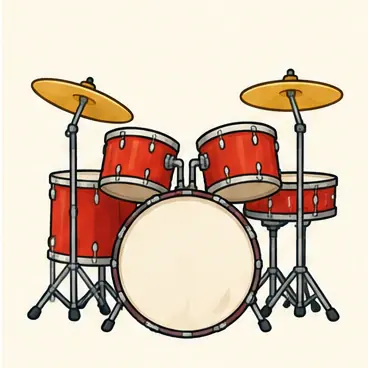
  • 楽器:drums(ドラム)、violin(バイオリン)、recorder(リコーダー)、trumpet(トランペット)
  • 場所:concert(コンサート)、stage(ステージ)、programme(プログラム)
  • 人:the band(バンド)、the audience(観客)
  • 動作:play(演奏する)、watch(見る)、cheer(歓声をあげる)、clap(拍手する)、bow(おじぎする)

-edの過去形:played、watched、cheered

ほとんどの動詞は-edで過去形を作ります:play – played、watch – watched、cheer – cheered。I、you、she、we、theyのどれでも同じ形です。eで終わる動詞は-dだけをつけます:smile – smiled。よく使う動詞のいくつかは不規則で、新しい単語として覚えます:have – had、go – went、is – was:“We had four instruments.”

カタカナで「クラップド」と読むように、最後に母音をつけてしまいがちです。-edは母音をつけずに短く終わり、音は3種類あります。次のグループをいっしょに声に出してみましょう:

  • p、k、s、ch、shの音のあとはtの音:clapped、walked、watched
  • それ以外のほとんどの音のあとはdの音:played、cheered、bowed
  • tかdのあとだけ、音節が1つ増えて“id”:started、ended

clappedとstoppedはなぜ文字を重ねるの?

短い動詞が母音1つと子音1つで終わるとき、-edの前でその子音を重ねます。重ねた文字が前の母音を短く保つので、“hopped”(hop:ぴょんと跳ぶ)と“hoped”(hope:望む)は音がちがいます。

  • 重ねる:clap → clapped、stop → stopped、plan → planned
  • 母音が2つなので重ねない:cheer → cheered
  • 子音が2つなので重ねない:jump → jumped
  • w、x、yで終わるので重ねない:bow → bowed、play → played

didでたずねて短く答える

過去のことをたずねる質問にはdidを使い、動詞はもとの形のままです:“Did you had…?”ではなく“Did you have a concert?”です。短い答えはdidをくり返します:“Yes, we did.”または“No, we didn’t.” 日本語で「コンサートした?」「うん、したよ」と言うように、didが前の動詞の代わりをします。wasの質問にはdidを使いません:“Was the stage bright?” “Yes, it was.” 録音では、どの答えも情報を1つ足しています。

Leo Did you have a concert yesterday?

Nia Yes, we did. We played outside.

Leo What did you play?

Nia I played the trumpet.

Leo Was the audience quiet?

Nia No. Everyone cheered.

演奏した?見た?ステージの上と客席

“Did you have a concert?”はふつう、子どものクラスや学校が演奏したかをたずねます。“Did you go to a concert?”は、コンサートを見に行ったかをたずねます。“We played outside.”は演奏した人の言葉、“We watched a band.”は観客の言葉です。話し始める前に、ステージにいたのか、客席にいたのかを聞いてみましょう。演奏した人は“I”や“we”で話し、見ていた人はバンドを“they”と呼びます。

自分に合った方法でこの単元を学ぶ

4つの場面でコンサートのお話を書く

出来事作文(recount)は、起きた順に書きます。A2では、始まり、音楽、観客、終わりの4文で十分です。お手本をいっしょに読み、子どもが実際に見たショーに合わせて中身を全部変えましょう。最後に、すべての動詞が過去形か、clappedとstoppedが重ね字になっているかを確かめます。

  • “First, the band walked onto the stage.”
  • “Then they played the guitars, the drums and the keyboard.”
  • “After that, everyone clapped and cheered.”
  • “When the music stopped, the band bowed.”

よくある間違いと簡単な直し方

A2では自然な間違いです。正しい文で言い直して、そのまま続けましょう。

  • “Yesterday we play the trumpet.”:終わった出来事は過去形です:“Yesterday we played the trumpet.”
  • “Did you played?”:didのあとの動詞はもとの形です:“Did you play?”
  • “Yes, we had.”:短い答えにはdidを使います:“Yes, we did.”
  • “claped”、“stoped”:母音1つと子音1つで終わる短い動詞は子音を重ねます:clapped、stopped。

家でできるレポーターごっこ

どんな演奏でもかまいません:学校の発表会、動画のバンド、子どもが演奏して保護者が観客になるリビングのコンサートなど。終わったら、レポーターのようにインタビューし合います:“What did the band play?” “What did the audience do?” それから紙を4つに折って4つの場面をかき、それぞれの下に過去形の文を1つずつ書きます。次は役を交代して、ある日は演奏する人、次の日は観客になりましょう。

次のステップ

次は否定文と、もっと多くの不規則動詞を加えます:“We didn’t hear the drums.” “We saw a huge skeleton!” そうすれば、学校の見学についてくわしくたずね、“It was enormous!”のような感嘆文も使えるようになります。

よくある質問

英語の過去形で最後の文字を重ねるのはいつ?

短い動詞が母音1つと子音1つで終わるときです:stop – stopped、plan – planned。母音が2つのとき(cheer – cheered)、子音が2つのとき(jump – jumped)、w、x、yで終わるとき(play – played)は重ねません。

過去形の-edはどう発音する?

3種類あります:“clapped”と“watched”はt、“played”と“cheered”はd、“started”と“ended”は音節が1つ増えて“id”です。音節が増えるのはtかdのあとだけです。

“Did you played?”と“Did you play?”、正しいのはどっち?

“Did you play?”が正しい形です。didがすでに過去を表すので、あとの動詞はもとの形のままです。didn’tも同じです:“We didn’t play.”

この単元を学ぶ
どの方法で学びますか?

次は何をしましょうか?

ライブの先生と学ぼう

Flalingoのキッズレッスンでは、お子さまがこのような単元をライブの先生とマンツーマンで、同じ画面のゲームを通して練習します。

無料体験レッスンを予約