本文へ移動
Flalingo

英語の練習

子どもと英語で博物館見学についてたずねる(A2、8~11歳):“Did you see…?”と短い答え

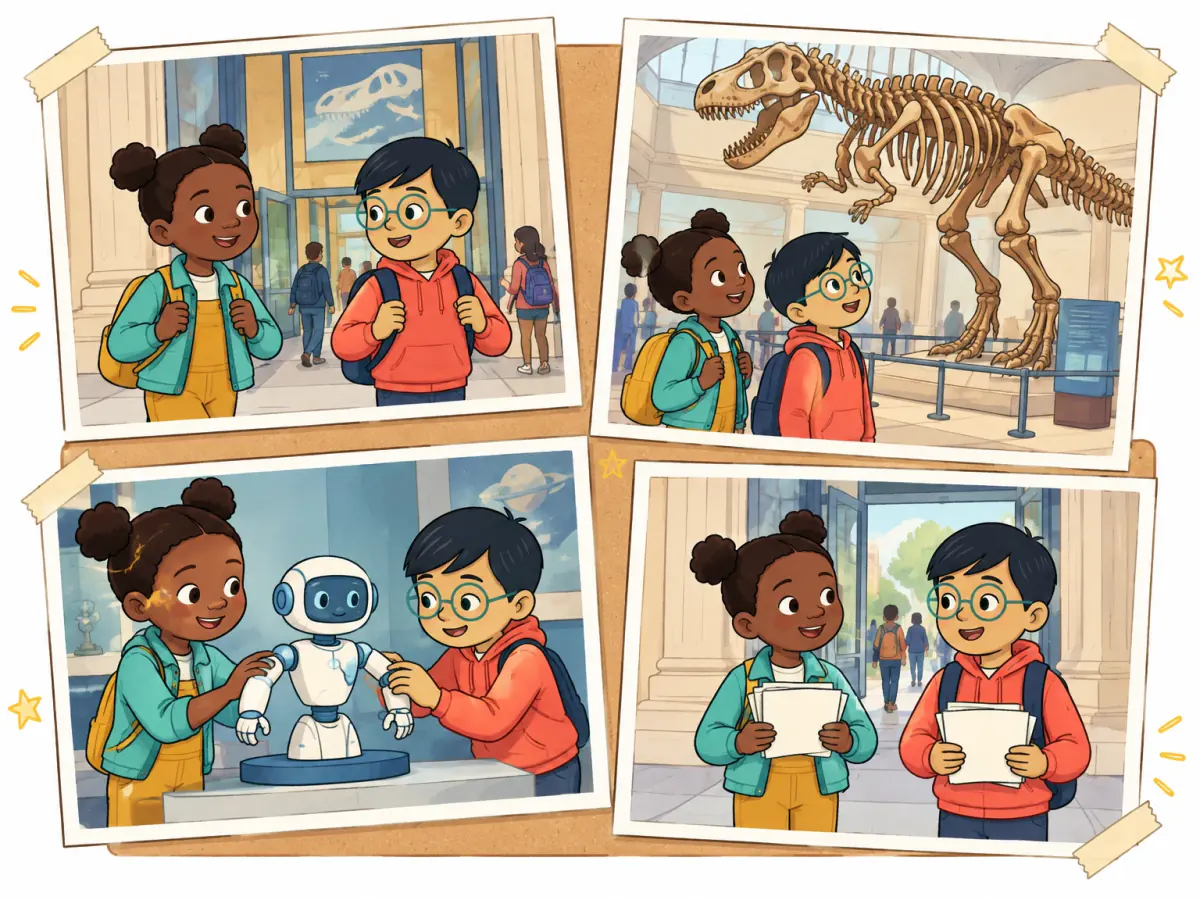
A school-trip memory board shows two children entering the museum, seeing a large skeleton, testing a robot model and leaving with blank sketch cards.

子どもが過去の見学について英語でたずね、答えられるようにしましょう(A2、8~11歳)。Did you…?、didn’t、What did…?、博物館の言葉、そして感嘆符を上手に使う4文の見学ウェブページまで扱います。

過去の見学について英語でたずねるときは、didを使います:“Did you see the skeleton?” didのあとの動詞はもとの形にもどるので、“saw”ではなく“see”です。短い答えは“Yes, I did.”または“No, I didn’t.”です。くわしく聞くときは疑問詞を前に置きます:“What did you like best?” このA2のテーマは、went、sawなどの過去形をすでに知っている8~11歳くらいの子どもに向いていて、感嘆符を使った4文の見学ウェブページで仕上げます。

この記事が向いている人

  • 簡単な過去の文が言える子どもの保護者:子どもが“We went to the park.”や“I played football.”と言えます。
  • 博物館、動物園、科学館によく出かける家庭:実際のお出かけがあると、子どもがたずねたり書いたりする本当の話題ができます。
  • 短い作文の目標がほしい保護者:最後に子どもが4文の見学ページを書きます。下の会話では、すべての文の音声が聞けます。
  • まだ早い場合:playedやwentなどの過去形にまだ慣れていないなら、下にある、clappedとstoppedでコンサートの記録を書くA2の記事から始めましょう。
  • 簡単すぎる場合:“Did you…?”と“What did…?”をまちがえずに使えるなら、下にある、mine、yours、itsを扱うA2の記事へ進みましょう。

サンプルページを開く

サンプルページを開く

単語カード

dinosaurdinosaur
museummuseum
modelmodel
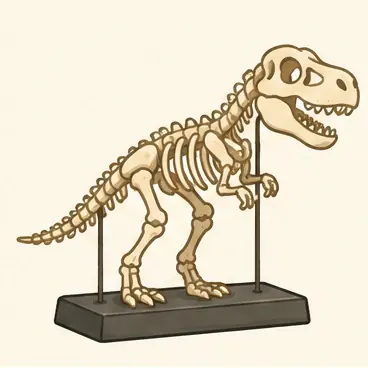
skeletonskeleton
scaryscary
screamscream
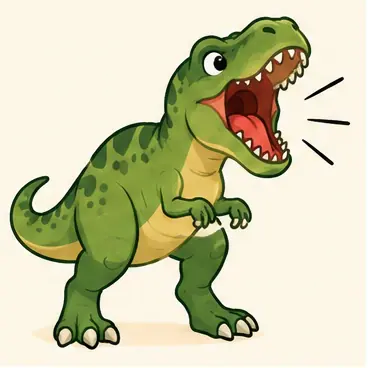
roarroar
alivealive
deaddead
robotrobot
Did you see the skeleton?

Yes, I did. It was enormous!

We didn't hear a real dinosaur.
What did the robot do?
It moved and roared.

会話

Nia Did you see the skeleton?

Leo Yes, I did. It was enormous!

Leo Did the dinosaur roar?

Nia No, it didn't. The robot roared.

Nia What did you like best?

Leo The fossil model.

文の形

Did you see the skeleton?

Yes, I did. It was enormous!

  • We didn't hear a real dinosaur.
  • What did the robot do?
  • It moved and roared.

追加の練習

Change the information

A school-trip memory board shows Nia and Leo entering the museum, seeing a large skeleton, testing a robot model and leaving with blank sketch cards.

Leo Did you see the dinosaur skeleton?

Nia Yes, I did. It was huge!

Nia Did the robot talk?

Leo No, it didn't. It moved its arms.

Leo What did we take home?

Nia We took home some drawing cards.

Did you see the skeleton?

Yes, I did. It was enormous!

  • We didn't hear a real dinosaur.
  • What did the robot do?
  • It moved and roared.

Writer’s studio

A school-trip memory board shows Nia and Leo entering the museum, seeing a large skeleton, testing a robot model and leaving with blank sketch cards.

Nia What will you write about?

Leo I will write a web page about our trip.

Nia How will you show the exciting parts?

Leo I will use exclamation marks!

What surprised you on the trip?

OUR LAB VISIT! We saw a huge skeleton. The robot moved and roared! I did not feel scared. Visit our class web page for three fossil facts.

  • We didn't hear a real dinosaur.
  • What did the robot do?
  • It moved and roared.
この単元を学ぶ
どの方法で学びますか?

博物館と恐竜の言葉

skeletonは体の骨全体(骨格)、fossilはとても古い動物や植物が岩の中に残ったもの(化石)、modelは本物をまねて作ったもの(模型)です。博物館では、ロボットの恐竜がほえる(roar)こともあれば、見学者が悲鳴をあげる(scream)こともあり、大きな骨格がこわく(scary)見えることもあります。

日本語の「スケルトン」は中が見える透明なデザインを指すことが多く、「モデル」と聞くとファッションモデルを思い浮かべがちですが、ここでのskeletonは骨格、modelは模型です。alive(生きている)とdead(死んでいる)は反対の言葉です:“Dinosaurs are not alive today.” ロボットは動いてほえることができますが、生き物ではなく機械です。

  • もの:dinosaur、skeleton、fossil、model、robot
  • 音:roar、scream
  • 様子を表す言葉:scary、enormous、huge、alive、dead

Did you…?:過去についての「はい・いいえ」の質問

もう終わったことをたずねるときは、didを文の最初に置きます:did+人+動詞。過去の意味はdidがすでに表しているので、動詞はもとの形のままです。“Did you saw…?”ではなく“Did you see the skeleton?”です。日本語は「見た?」のように動詞だけで過去のことをたずねられるので、子どもはdidを抜かして“You saw the skeleton?”と言ったり、動詞まで過去形にしたりしがちです。短い答えはdidをくり返します:“Yes, I did.”または“No, I didn’t.” 動物やものについてはitを使います:“No, it didn’t.”

“No”のあとに本当は何が起きたかを付け加えると、自然な答えになります。

Nia Did you see the skeleton?

Leo Yes, I did. It was enormous!

Leo Did the dinosaur roar?

Nia No, it didn't. The robot roared.

Didn’tと過去形:何があったかを言う

否定の文はdidn’tと動詞のもとの形を使います:“We didn’t hear a real dinosaur.” 肯定の文にはdidがなく、動詞そのものが変わります。規則動詞は-edをつけ(roared、moved)、よく使う不規則動詞はペアで覚えるのがいちばん簡単です。

  • see – saw: “We saw a huge skeleton.”
  • hear – heard: “I heard a loud roar.”
  • go – went: “We went to the museum.”
  • take – took: “We took home some drawing cards.”
  • fall – fell: “The dinosaur fell near a river.”

What did…?:くわしくたずねる

didの前に疑問詞を置くと、くわしい内容をたずねられます:“What did you like best?” “Where did you go?” “Who did you go with?” 答えにはdidを使わず、過去形か大事な言葉だけを言います:“What did the robot do?” “It moved and roared.” “The fossil model.”のような短い答えも自然です。

Nia What did you like best?

Leo The fossil model.

感嘆符を使って見学のウェブページを書く

クラスの見学ページは短くて生き生きしています。タイトル、何があったかを伝える3文、そして読む人に「もっと知りたい」と思わせる呼びかけの1行です。この例をまねて書き、それから内容を一つずつ変えてみましょう。

感嘆符(!)は、おどろき、わくわくする気持ち、大きな音を表します。ピリオドの代わりに1つだけ置きます:“It was enormous!!!”ではなく“It was enormous!”です。いちばん大事な場面の1~2か所にとっておきましょう。

  • “OUR LAB VISIT!”
  • “We saw a huge skeleton.”
  • “The robot moved and roared!”
  • “I did not feel scared.”
  • “Visit our class web page for three fossil facts.”
自分に合った方法でこの単元を学ぶ

つづりのコツ:phはfと同じ音

英語の多くの単語で、phはfとまったく同じ音です。phoneとfeetは同じ音で始まります。日本語の「フ」は上下の唇を近づけて出す音ですが、英語のfは上の歯を下唇に軽く当てて出します。単語を声に出して読み、2つの列に分けてみましょう。

  • f: feet, scarf, flamingo, fossil
  • ph: phone, photo, alphabet, elephant, dolphin

よくある間違いと簡単な直し方

A2の段階では自然な間違いです。正しい文で言い直して、そのまま続けましょう。

  • “Did you saw the skeleton?”:didのあとは動詞のもとの形です:“Did you see…?”
  • “I didn’t heard the roar.”:didn’tのあとも同じです:“I didn’t hear the roar.”
  • “What you liked best?”:didを入れ、動詞はもとの形にします:“What did you like best?”
  • “The robot roar!”:終わったできごとには過去形が必要です:“The robot roared!”
  • “It was fun!!!”:感嘆符は1つで十分です:“It was fun!”

家でできる博物館レポーターあそび

博物館、動物園、公園など、どこかへ出かけたあとは子どもがレポーターになります。保護者にDidの質問を3つとWhat didの質問を1つして、それから役を交代します。

今週はお出かけがありませんか?短い文をいっしょに読みましょう:“Long ago, a dinosaur walked across soft mud. Mud covered its footprints and slowly became rock.” そしてたずねます:“Did the footprints disappear?” “No, they didn’t.” 最後に、感嘆符を1つ使った4文のウェブページを書きます。

次のステップ

次は、mineとyoursで持ち主を言い、itsとit’sを区別します。やがて過去についての質問は、first、then、after thatを使った長いお話へとつながっていきます。

よくある質問

なぜ“Did you saw”ではなく“Did you see”なのですか?

didがすでに過去を表しているので、動詞はもとの形のままです:“Did you see…?”、“Did it roar?” didn’tも同じです:“We didn’t hear it.”

子どもはいつ感嘆符を使えばいいですか?

おどろき、強い気持ち、大きな音を表すときです:“The robot roared!” 感嘆符はピリオドの代わりに使い、短い文章なら1~2個で十分です。

化石、骨格、模型はどう違いますか?

skeleton(骨格)は体の骨全体です。fossil(化石)は、とても古い動物や植物が岩の中に残したものです。model(模型)は人が作った複製で、博物館の恐竜の骨格の多くは、本物の化石の骨から型をとって作った複製です。

この単元を学ぶ
どの方法で学びますか?

次は何をしましょうか?

ライブの先生と学ぼう

Flalingoのキッズレッスンでは、お子さまがこのような単元をライブの先生とマンツーマンで、同じ画面のゲームを通して練習します。

無料体験レッスンを予約