
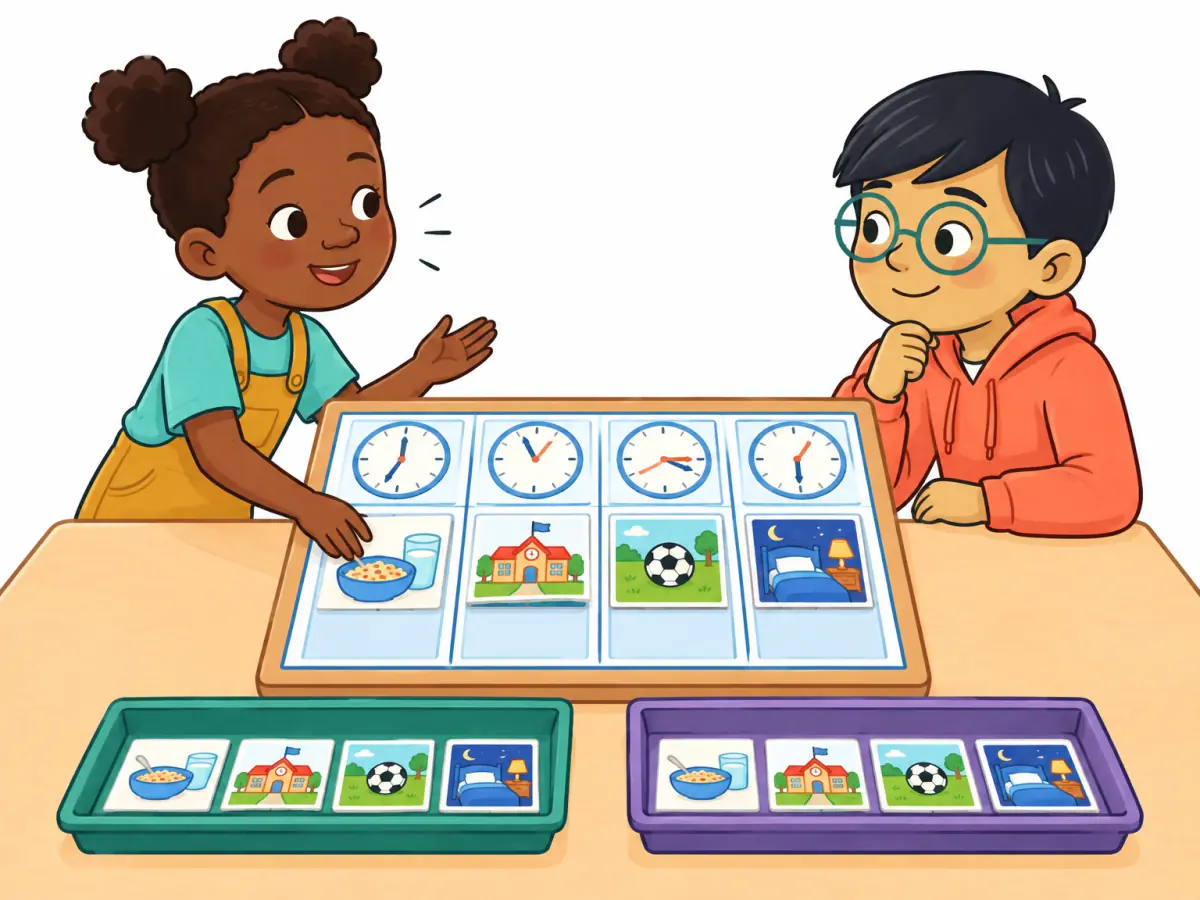
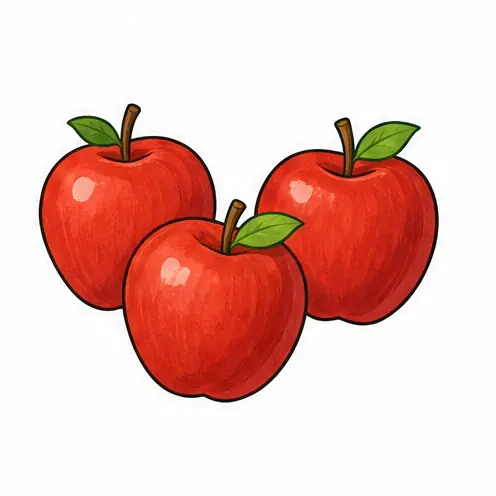
 apple
apple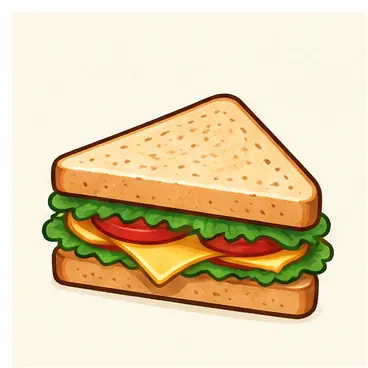 sandwich
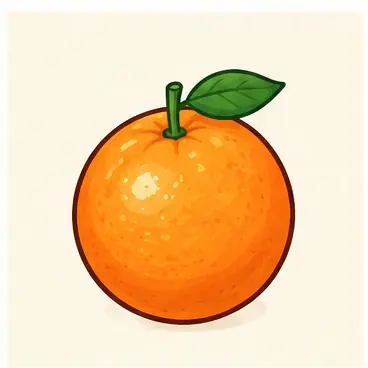 orange
 bowl of soup
 bread
bread rice
rice water
water juice
juice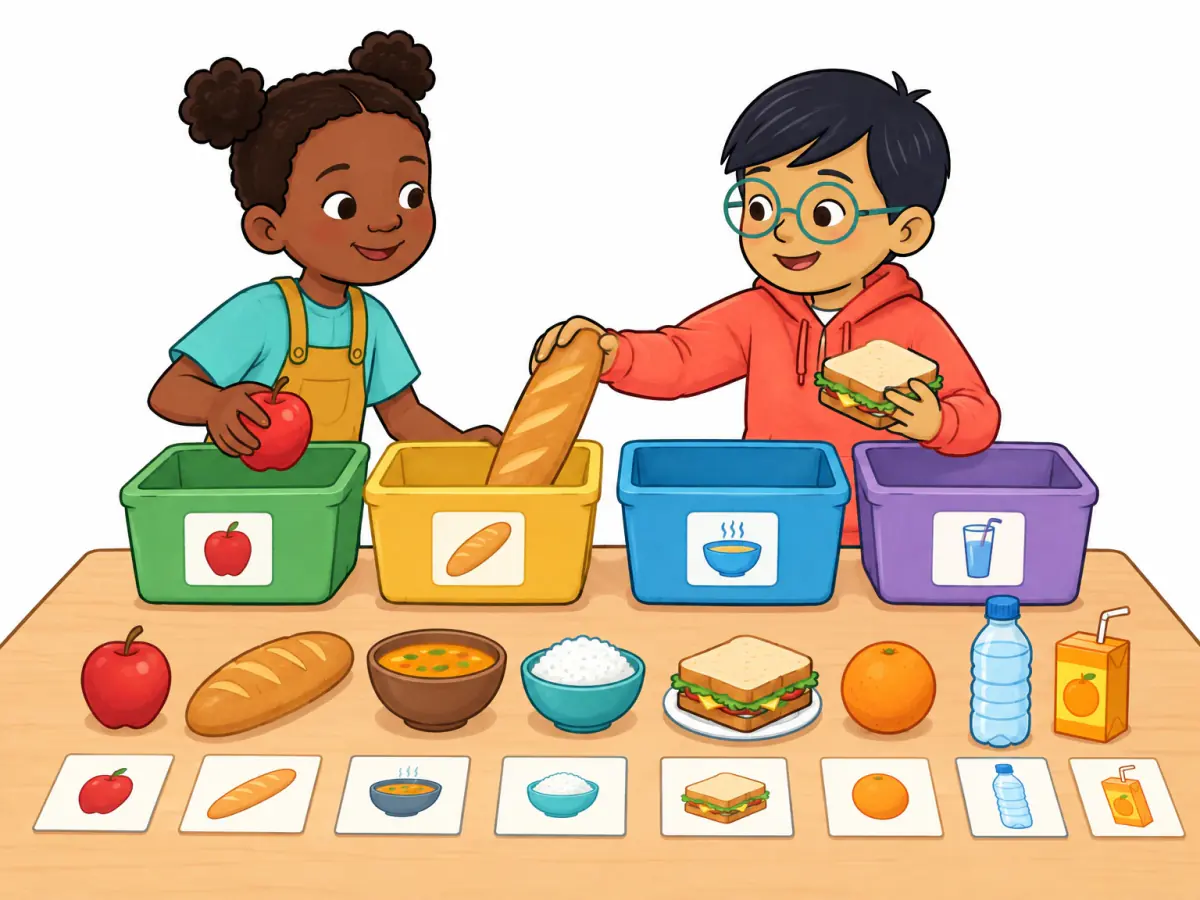
時刻の言い方:pastとto
この段階の子どもは「〇時ちょうど」から15分、30分の言い方へ進みます。“past”はその時刻を過ぎたこと、“to”は次の時刻までの残りを表します。日本語で5:30を「5時半」と言うように英語では“half past five”と言い、6:45を「7時15分前」と言うように英語では“quarter to seven”と言います。7時まであと15分だからです。
時刻の前には“at”を使います:“at four”、“at half past five”。“o’clock”はちょうどの時刻にだけ使うので、“at four o’clock”とは言えますが、“at half past five o’clock”とは言いません。一日のどの時間帯かを言うときは“in the afternoon”や“in the evening”をつけます。
- 3:00 – three o’clock
- 4:15 – quarter past four
- 5:30 – half past five
- 6:45 – quarter to seven
2つの予定をくらべる:earlier、later、better
短い形容詞には-erをつけます:“early”は“earlier”(yがiに変わる)、“late”は“later”になります。2つをくらべるときは“than”を使います:“Four o’clock is earlier than six o’clock.” 日本語の「もっと早い」をそのまま訳すと“more early”になりがちですが、短い形容詞には“more”を使いません。“good”は不規則で、比較の形は“better”です。“more good”とは言いません。
下の音声では、2人の友だちが2つの予定から1つを選びます。そのあと、子どもに“because”で理由を言ってもらいましょう:“The earlier plan is better because we can play longer.” どちらを選んでもかまいません。大切なのは理由です。
Leo One plan starts at four, and one starts at six. Which plan is better?
Nia The earlier plan is better.
Can I…?、Let’s…、going to
許可をもらういちばん日常的な言い方は、“Can I”のあとに動詞を続ける形です:“Can I bring my cousin?” 短い答えは“Yes, you can.”と“No, you can’t.”です。“can”のあとに“to”は入りません。時刻を決めるときは“Let’s”のあとに動詞を続けます:“Let’s meet at four.”
すでに決めた予定には“be going to”と動詞を使います:“What are we going to do?” “We are going to walk and have a picnic.” 日本語の「〜するつもり」「〜する予定」に近い言い方ですが、英語では人によって変わる“be”の部分(I am、she is、we are)を省くことはできません。
Nia Can I bring my cousin?
Leo Yes, you can. Let's meet at four.
Leo What are we going to do?
Nia We are going to walk and have a picnic.
ピクニックの食べ物:a、an、someのどれ?
数えられるものには“a”か“an”をつけ、複数形があります:“a sandwich”、“two sandwiches”。母音の音の前では“an”を使います:“an apple”、“an orange”。日本語では「サンドイッチ2つ」のように言葉の形が変わらないので、子どもは“two sandwich”のように-sを落としがちです。
bread、rice、water、juiceは数えられないので、“a”も複数形も使いません。“some”を使うか、入れ物を数えます:“some water”、“a bottle of water”、“a bowl of soup”。正確な量が必要なときは、ものか入れ物を数えます:“two sandwiches and three bottles of water”。たずねるときは“How many sandwiches?”、数えられないものは“How much juice?”です。
- 数えられる:an apple、a sandwich、an orange、a bowl of soup
- 数えられない:some bread、some rice、some water、some juice
- 好きなもの:“I like oranges.”(複数形)、でも“I like bread.”(sなし)
家でできる遊び:ピクニックの予定ごっこ
2枚の紙に4:15と5:30と書いて、たずねます:“One plan starts at quarter past four, and one starts at half past five. Which plan is better?” 子どもは1つを選び、時刻を声に出して読み、“because”で理由を加えます。それから、もう1つお願いをします:“Can I bring my cousin?”
次に、子どもがピクニックの持ち物を言います:“We are going to take two sandwiches, an apple and some water.” 紙で作った食べ物をかごに入れるとき、わざと1つだけ数をまちがえると、子どもが直してくれます:“No, two sandwiches, not three!” それから役を交代します。1回は5分くらいです。
よくある間違いと簡単な直し方
A2の段階では自然な間違いです。正しい文で言い直して、そのまま続けましょう。
- “quarter to seven”を7:15と読む:6:45です。7:15は“quarter past seven”です。
- “The more early plan”:短い形容詞には-erをつけます:“the earlier plan”。
- “Can I to bring my cousin?”:“can”のあとに“to”は入りません:“Can I bring my cousin?”
- “We going to walk.”:am、is、areを入れます:“We are going to walk.”
- “Two breads”:breadは数えられないので、“some bread”か“two slices of bread”と言います。
次のステップ
予定の話が楽になったら、習慣と過去の話に進みましょう。いつも食べるものと今日食べているものをくらべたり、お出かけのあとに何があったかを話したりできます:“We walked to the park. We had a picnic.”