
本文へ移動
Flalingo

英語の練習

小さな調査の結果を英語で誇張せずに説明する方法(B1):“tend to”“may”と慎重な主張

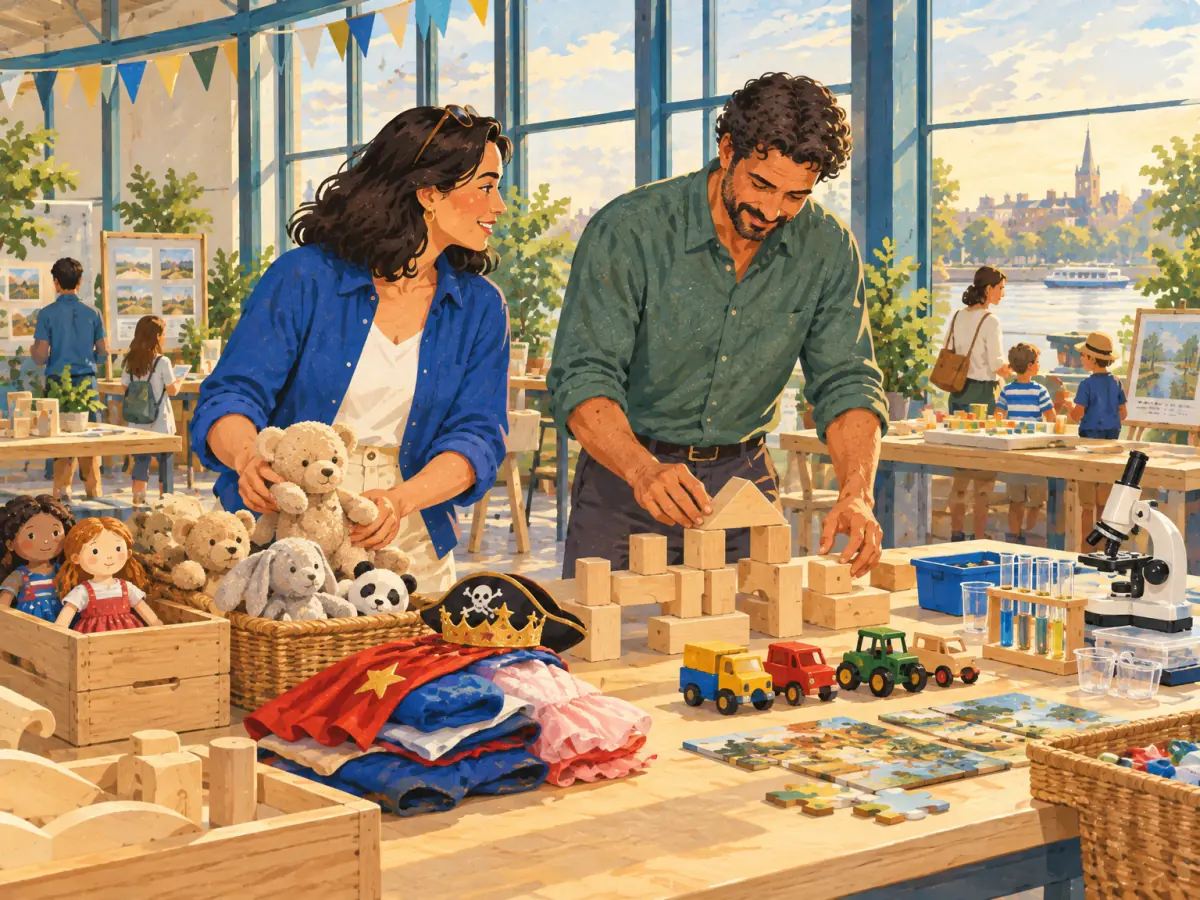
Two friends prepare varied children's activity materials for a family workshop.

B1の英語のヘッジ表現:一般化をやわらげる表現、“verify”“turn out”などの研究の動詞、前置詞とセットの形容詞を学び、一般化された主張に答える140〜170語のバランスのよい意見文で練習します。

観察したこと、そこから言えるかもしれないこと、証明していないことを分けて言いましょう。“The pilot doesn’t prove what all children prefer. It shows that adults and signs can influence a first choice.” “all”の代わりに“most”や“tend to”、“will”の代わりに“may”を使います。小さな調査に“prove”はたいてい強すぎ、“show”や“suggest”のほうが合います。このテーマはB1(中級)レベルで、結果やニュースについて英語で話すとき、自信なさげではなく慎重に聞こえたい大人向けです。

この記事が向いている人

  • 英語で意見は言えるけれど、どの主張も事実のように言ってしまう中級の大人。
  • 仕事や授業で結果を発表する人:アンケート、試行、パイロット調査、顧客テストなど。
  • ニュースや研究について英語で話し、「たいていは」「いつもとは限らない」を自然に言いたい人。
  • まだ早い場合:“will”と“going to”がまだ混ざる、または意見をいつも“I think”だけで言うなら、先に日常の習慣についてバランスのよい意見を書く練習をしましょう。この記事は理由を添えて話せることを前提にしています。
  • 簡単すぎる場合:すでに自然にヘッジ表現を使え、サンプルの大きさや限界について話せるなら、扱いにくい同僚を公平にバランスよく描写するC1の内容に進みましょう。

サンプルページを開く

サンプルページを開く

単語カード

Generally speaking, …

introduces a broad tendency while admitting exceptions

Generally speaking, children stay longer when several kinds of activity are visible.

On the whole, …

states an overall conclusion after considering different cases

On the whole, mixed displays encourage more exploration.

In general, …

describes what is usually true, not what is always true

In general, families responded well to signs without gender labels.

tend to + verb

describes a repeated tendency rather than a universal fact

Visitors tend to try more activities when staff demonstrate them.

most / many / some

quantifiers that identify the claimed proportion more responsibly than all

Some children made an immediate choice, while many explored several tables.

may / might / can

modal verbs that express possibility rather than certainty

Packaging may influence a first choice, but it cannot predict every child's interests.

verify

confirm that a claim is true using evidence

The observations verified that adult guidance affected the first table visited.

discover

find information that was previously unknown

The team discovered that demonstrations attracted visitors.

argue

give reasons for believing that a claim or proposal is right

Owen argued that branding did not need to divide the room.

turn out

become known or clear after uncertainty

The mixed layout turned out to support broader exploration.

会話

maya I'm pleased with the mixed layout. Most children tried at least three activities.

owen I'm pleased too, but I'm worried about making a large claim from sixteen families.

maya That's fair. The pilot doesn't prove what all children prefer. It shows that adults and signs can influence a first choice.

owen I was interested in the demonstration effect. Children were keen on whichever table the facilitator used first.

maya Yes, and the parents gave fewer directions when the room wasn't divided by colour.

owen So we agree about the layout. We only disagree about how strongly we describe the result.

maya Exactly. In general, open displays may support wider exploration, but we need a larger trial.

owen Then let's tell the sponsor that we're proud of the pilot and excited about testing it again.

文の形

Does your pilot prove that children naturally prefer different activities?

No. It only verifies that labels, demonstrations, and adult guidance may influence initial choices. On the whole, the mixed layout encouraged broader exploration in this small group.

A responsible summary separates observed evidence from a universal conclusion.

  • The result depends on…
  • We discovered that…
  • It turned out that…
  • The sample was limited.

追加の練習

The labels changed the path

Maya and Owen prepare varied children's activity materials for a family workshop.

Before the public opening, Maya invited sixteen local families to test two versions of the activity room. In the first version, the construction materials and toy vehicles were placed under a blue banner, while dolls, soft toys, and dressing-up clothes appeared under a pink banner. In the second version, the same materials were mixed and grouped by action: build, imagine, solve, and care.

The team recorded which table each child visited first and how many different activities each child tried. In the colour-coded room, twelve children went first to a table whose colour matched the section their parent initially pointed out. In the action-based room, parents gave fewer directional comments, and thirteen children used materials from at least three groups.

The small pilot does not prove that colour alone controls children's choices. It does verify that signs and adult guidance can shape the first route through a room. Maya discovered that the position of the demonstration table also mattered: whichever activity staff demonstrated attracted more visitors. Owen argued that the sponsor's colours could remain on the entrance sign without dividing the materials. It turned out to be a useful compromise, because the sponsor retained a visible identity while the children encountered a wider range of choices.

verify

confirm that a claim is true using evidence

The observations verified that adult guidance affected the first table visited.

discover

find information that was previously unknown

The team discovered that demonstrations attracted visitors.

argue

give reasons for believing that a claim or proposal is right

Owen argued that branding did not need to divide the room.

turn out

become known or clear after uncertainty

The mixed layout turned out to support broader exploration.

Present the pilot without exaggerating it

Does your pilot prove that children naturally prefer different activities?

No. It only verifies that labels, demonstrations, and adult guidance may influence initial choices. On the whole, the mixed layout encouraged broader exploration in this small group.

A responsible summary separates observed evidence from a universal conclusion.

  • The result depends on…
  • We discovered that…
  • It turned out that…
  • The sample was limited.

Model: a balanced response to a social claim

People sometimes claim that different groups naturally prefer different kinds of activity. In my opinion, this is too simple. Interests may be influenced by ability and personality, but they can also depend on advertising, adult expectations, previous experience, and which choices are visible.

A small pilot at a family workshop illustrates the problem. When activities were separated by colour, parents tended to direct children towards one section. In a mixed room, children explored more categories. The result does not prove that every mixed display will have the same effect. However, it verifies that the organization of a room can influence behaviour.

On the whole, adults should offer a broad range of choices without predicting an individual's interests from a group label. We should also be careful with research headlines: an observed tendency is not a rule about every person.

Structure

Organize the response in this order.

Introduce and qualify the claim. Explain several possible causes. Use a specific piece of evidence and state its limitation. Give a practical recommendation.

Language to use

Include these forms accurately.

Use one careful generalizer, one research verb, two dependent-preposition phrases, accurate articles for a specific study and for people in general, and one contrast connector.

Final check

Review before submitting.

Remove unsupported all-or-none claims and ensure every recommendation follows from the evidence.

この単元を学ぶ
どの方法で学びますか?
アカウントをお持ちですか?

無料アカウントで1つの単元をずっと開いておけます。

小さな調査でわかること、わからないこと

パイロット調査や顧客テストからわかるのは、この人たちがこの状況でどうしたかです。3つの層を分けましょう。観察(過去形、正確な数字)、解釈(“may”“tend to”“suggest”)、そして限界です。

  • 観察:“The parents gave fewer directions in the mixed room.”
  • 解釈:“Open displays may support wider exploration.”
  • 限界:“The pilot doesn’t prove what all children prefer.”
  • 次のステップ:“We need a larger trial.”

慎重な一般化:“all”から“some”へ

ここから1つか2つを選んで主張をやわらげます。全部を一度に使うと自信がなさそうに聞こえます。日本語の「〜かもしれない」は“may”“might”に、「〜ことがある」は“can”に近い意味です。

  • 量:“all”“most”“many”“some”“a few”。“Some children made an immediate choice, while many explored several tables.”
  • “tend to”+動詞の原形:“Visitors tend to try more activities when staff demonstrate them.”
  • “may”“might”:そうかもしれない。“can”:そういうこともある。“Packaging may influence a first choice, but it cannot predict every child’s interests.”
  • “Generally speaking”“in general”:たいていそうだ。“On the whole”:いろいろな場合を比べたうえでの全体的な判断。“On the whole, mixed displays encourage more exploration.”
  • 日本語には冠詞がないので注意しましょう。冠詞のない複数形は集団全体です。“Children need choices.” “the”は特定の集団です。“The children in the pilot tried more activities.”

研究の動詞:根拠に合う動詞を選ぶ

ニュースの見出しでは、研究が何かを「証明した」と言われがちです。自分の根拠に合う動詞を選びましょう。

  • “prove”:問題が決着している。小さな集団一つには強すぎます。
  • “verify”“show”:その集団について根拠が確かめている。“The observations verified that adult guidance affected the first table visited.”
  • “suggest”:一つの方向を示すが、さらにデータが必要。“The results suggest that signs matter.”
  • “discover”“turn out”:新しいことがはっきりした。“The mixed layout turned out to support broader exploration.”
  • “argue”:結果ではなく、理由を示して主張する。“One designer argued that branding did not need to divide the room.”

聞いてみよう:同じ結果、主張の強さは2通り

2人の同僚がパイロット調査について話しています。16家族が、テーブルを混ぜて配置した子ども向けの活動ルームを試しました。配置には賛成ですが、結果をどこまで強く言うかで意見が分かれています。

Maya I'm pleased with the mixed layout. Most children tried at least three activities.

Owen I'm pleased too, but I'm worried about making a large claim from sixteen families.

Maya That's fair. The pilot doesn't prove what all children prefer. It shows that adults and signs can influence a first choice.

Owen So we agree about the layout. We only disagree about how strongly we describe the result.

結果への反応:前置詞とセットの形容詞と動詞

結果についての気持ちは決まった前置詞といっしょに使い、前置詞の後ろは名詞か-ingです。日本語の助詞からは前置詞を推測しにくいので、かたまりで覚えましょう。

  • “pleased with”:“I’m pleased with the result.”
  • “worried about”:“I’m worried about making a large claim.”
  • “proud of”“excited about”:“We’re proud of the pilot and excited about testing it again.”
  • “interested in”:“I was interested in the demonstration effect.”
  • “depend on”:“The final layout depends on the number of tables available.”
自分に合った方法でこの単元を学ぶ

まず話して、それから140〜170語で書く

この質問について2分間、声に出して話しましょう。“What do people often say about a whole group, and what evidence would support it?”

次に、一般化された主張に4つの部分で答える文章を書きます。

  • 主張に条件をつける:“People sometimes claim that different groups naturally prefer different activities. In my opinion, this is too simple.”
  • 性格、経験、広告など、考えられる原因を挙げる。
  • 根拠を一つとその限界:“The result does not prove that every mixed display will have the same effect.”
  • 実行できる提案で締める:“On the whole, adults should offer a broad range of choices.”

よくある間違い

最初の2つは根拠よりも主張を強くしすぎる間違いで、残りは文法の間違いです。

  • 小さなパイロット調査について“The study proves that children prefer…”と言う。“The study suggests that…”と言いましょう。
  • “most”のつもりで“All people…”と言う。“Most people…”と言いましょう。
  • “People tend to trying…” “tend to”の後ろは動詞の原形です。“People tend to try…”
  • “I’m worried for making a mistake.” “I’m worried about making a mistake.”と言いましょう。
  • 子ども一般について“The children need choices”と言う。“Children need choices.”と言いましょう。

1日10分の練習法

書く前に、すべて声に出して言いましょう。

  • 2分:会話を聞き、ヘッジ表現をすべて書き出します。
  • 3分:ニュースから強い主張を一つ選び、2回書き直します。
  • 3分:今週のことについて、観察・解釈・限界を一つずつ言います。
  • 2分:“pleased with”と“worried about”を使って本当のことを文にします。

次のステップ

問題を伝えるときや、ルールの例外をお願いするときにも、同じ慎重さを生かしましょう。同じレベルで書く練習をするなら、映画をすべての人ではなく一部の観客にすすめる、バランスのよい映画レビューを書いてみましょう。

よくある質問

英語で主張を弱めるにはどうすればいいですか?

量(“all”ではなく“most”)や動詞(“tend to”“may”)をやわらげるか、“generally speaking”のような表現で始めます。1つか2つで十分です。

“prove”“show”“suggest”の違いは何ですか?

“prove”は問題が決着したという意味です。“show”は、調べた集団について根拠がはっきり支えているという意味です。“suggest”はもっと弱く、根拠が一つの方向を示しているものの、さらにデータが必要だという意味です。

“in general”と“on the whole”の違いは何ですか?

“in general”はたいてい当てはまることを表します。“on the whole”はいくつかの場合を比べたうえでの全体的な判断です。どちらも話し言葉と書き言葉の両方で使えます。

この単元を学ぶ
どの方法で学びますか?
アカウントをお持ちですか?

無料アカウントで1つの単元をずっと開いておけます。

次は何をしましょうか?

Flaiで練習を続けよう

Flaiは、音声会話、訂正内容、レッスンレポートでスピーキング練習を支えるFlalingoのAIアプリです。

ライブの先生と学ぶ

Flalingoのレッスンでは、このような単元をライブの先生とマンツーマンで練習します。