

Ir al contenido
Flalingo

Práctica de inglés

Since y for en inglés para niños (A2, 10–12 años): escribir una carta sobre un festival

An original travel article scene shows a small riverside harvest night with lantern boats, a shared soup table and musicians using handmade instruments.

Ayuda a tu peque a decir cuánto tiempo lleva en un sitio con for y since, a contar novedades con just y already y a escribir en inglés una carta amistosa sobre un festival (A2, 10–12 años).

Se usa for con una duración y since con el momento de inicio: “I have been here for two hours.” “I have been here since six.” Las dos frases usan el present perfect (have o has + participio), porque la visita empezó antes y sigue ahora. Los niños también aprenden just y already para dar novedades, el past simple cuando dicen cuándo pasó algo (“I came last year.”) y “had never… before” para una primera vez, y después escriben una carta amistosa sobre un festival. Este tema de nivel A2 es para niños de unos 10 a 12 años que ya cuentan hechos pasados con el past simple.

¿Para quién es este artículo?

  • Familias con peques que ya cuentan cosas del pasado: tu peque dice “I went to the park yesterday.” y reconoce formas como seen, been y tried.
  • Peques a los que les encantan las ferias, los mercados y las fiestas, o que escriben a un primo o a un amigo por carta: una salida real les da noticias reales que contar.
  • Familias que quieren practicar en casa: basta con cualquier salida en familia, y las tarjetas y la entrevista de abajo tienen el audio de cada palabra y cada frase.
  • Demasiado pronto: si todavía confunde “I go” y “I went”, practicad primero el past simple; el present perfect se apoya en esas formas.
  • Demasiado fácil: si ya usa bien for, since y had never, pasa al artículo de nivel A2 sobre explicar pasos con first, next y finally, enlazado abajo.

Abrir las páginas de muestra

Abrir las páginas de muestra

Tarjetas de vocabulario

amazingamazing
awfulawful
brightbright
deliciousdelicious
deserteddeserted
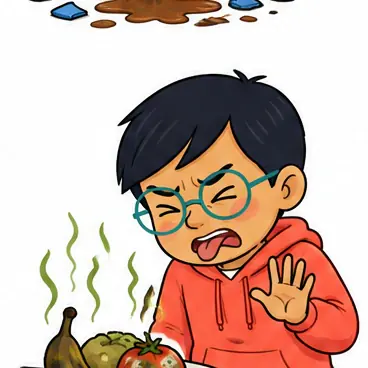
disgustingdisgusting
originaloriginal
traditionaltraditional
Have you tried the soup yet?

Yes, I have just tried it.

We have been here since six.
Leo has already seen the lantern boats.
I visited this town last year.
We have been here for two hours.

For gives a duration.

I had never tried it before today.

Before refers to earlier experience.

Conversación

Nia I am interviewing Leo at the Lantern Food Walk. How long have you been here?

Leo I have been here for two hours, since six.

Nia Have you visited this festival before?

Leo Yes. I came last year, but I had never tried the bean soup before today.

Nia What have you already seen?

Leo I have already seen the lantern boats, and I have just heard the drums.

Estructura de la frase

Have you tried the soup yet?

Yes, I have just tried it.

  • We have been here since six.
  • Leo has already seen the lantern boats.
  • I visited this town last year.

Más práctica

Talk with the grammar

At the riverside harvest night, Nia and Leo eat bean soup while lantern boats float past and musicians play handmade drums.

Nia Have you tried the soup yet?

Leo Yes, I have just tried it.

Leo How long have we been here?

Nia We have been here since six.

Nia Have you seen the lantern boats?

Leo Yes. I saw them ten minutes ago.

Have you tried the soup yet?

Yes, I have just tried it.

  • We have been here since six.
  • Leo has already seen the lantern boats.
  • I visited this town last year.

Lights on the river

An original travel article scene shows a small riverside harvest night with lantern boats, a shared soup table and musicians using handmade instruments.

LIGHTS ON THE RIVER

The town of Bellwater has held a harvest night for twenty years. Families have already placed lanterns in small boats, and musicians have just begun to play handmade drums. The traditional bean soup is mild and delicious. Last year, the old market lane was deserted, so young artists created a bright walking route there. Visitors now follow the lights from the bridge to a shared supper beside the river.

Writer's studio

An original travel article scene shows a small riverside harvest night with lantern boats, a shared soup table and musicians using handmade instruments.

Nia Who will read your text?

Leo My friend Sam will read it.

What will you tell a friend?

Dear Sam, I have been at Bellwater since six. I have already watched the lantern boats, and I have just tasted the soup. The musicians played near the bridge earlier. Would you like to come next year? Love, Nia

  • We have been here since six.
  • Leo has already seen the lantern boats.
  • I visited this town last year.
Aprende esta unidad
¿Cómo quieres aprender?

Ocho palabras para describir un festival

Una carta sobre un festival necesita palabras mejores que “nice”, como las ocho de abajo. Dos piden atención. Deserted significa vacío, sin nadie: es como “desierto” en “una calle desierta”, pero no se refiere a un desierto de arena. Original significa nuevo y diferente, como en “an original idea”. Con palabras fuertes como amazing, awful y disgusting se dice “really” o “absolutely”, no “very”.

  • Bueno: amazing (increíble); delicious (riquísimo, para la comida)
  • Malo: awful (horrible); disgusting (asqueroso)
  • Lo que se ve: bright (brillante, luminoso); deserted (desierto, sin gente)
  • Antiguo o nuevo: traditional (hecho igual desde hace años, tradicional); original (nuevo y distinto)

¿Cuánto tiempo? for y since

Cuando algo empezó en el pasado y sigue ahora, el inglés usa el present perfect: have o has + participio. En español decimos “Estoy aquí desde las seis” o “Llevo dos horas aquí”, en presente, así que es fácil decir “I am here since six.” Además, “desde hace dos horas” lleva a decir “since two hours”, pero una duración siempre va con for. For va con una duración; since, con el momento de inicio. Una prueba rápida: si la respuesta encaja con “How long?”, usa for; si encaja con “Since when?”, usa since.

  • for two hours, for three days, for ages
  • since six, since Monday, since breakfast

Nia I am interviewing Leo at the Lantern Food Walk. How long have you been here?

Leo I have been here for two hours, since six.

¿Una novedad o un momento terminado?

Para una novedad sin momento concreto, usa el present perfect con just (hace un momento), already (ya) o yet (al final de preguntas y negaciones): “Have you tried the soup yet?” Ojo: en las preguntas, el “ya” del español suele ser yet en inglés. En cuanto tu peque diga cuándo pasó algo, cambia al past simple: “I visited this town last year.” Compara:

  • Novedad, sin momento: “I have tried the soup.”
  • Momento terminado: “I tried the soup at seven.”
  • Sigue ahora: “We have been here since six.”

Nia What have you already seen?

Leo I have already seen the lantern boats, and I have just heard the drums.

Una primera vez: had never… before

“I had never tried the bean soup before today.” significa “Nunca había probado la sopa de alubias antes de hoy”: hoy fue la primera vez. Had + participio (el past perfect, parecido a nuestro “había probado”) mira desde un momento pasado hacia todo lo anterior. “I have never tried bean soup.” es distinto: quien lo dice todavía no la ha probado. Usa had never… before para contar qué fue nuevo en una fiesta o una salida:

  • “I had never seen a lantern boat before tonight.”
  • “Had you ever been to a night market before?”

Adjetivos que terminan en -ous

Muchos adjetivos ingleses son un sustantivo más -ous, y los de aquí siguen tres patrones de ortografía. Varios se parecen al español, porque -ous suele corresponder a -oso: dangerous (peligroso), famous (famoso), furious (furioso). Adventurous describe a alguien a quien le gustan las cosas nuevas y emocionantes.

  • Añade -ous: danger → dangerous, poison → poisonous, hazard → hazardous
  • Quita la e: fame → famous, adventure → adventurous
  • Cambia la y por i: fury → furious (muy, muy enfadado)
Aprende esta unidad a tu manera

Escribir una carta amistosa sobre un festival

Una carta amistosa tiene cuatro partes: saludo, noticias, invitación y despedida. Primero, tu peque planea tres noticias: cuánto tiempo lleva allí, qué ha hecho ya y un momento terminado. Este es un modelo sobre un festival imaginario:

“Dear Sam, We have been at the river festival since six. I have already seen the lantern boats, and I have just tried the bean soup. I had never tasted it before today. It was delicious! Would you like to come with us next year? Love, Ada”

Un juego en casa: reportero del festival

En vuestra próxima visita a un mercado, una feria o una fiesta familiar, tu peque hace de reportero. Te pregunta “How long have you been here?”, “What have you already seen?” y “Have you been here before?”, y tú respondes con for o since, just o already; luego cambiad los papeles. En casa, tu peque convierte las respuestas en una carta de cinco frases para un primo. Revisa solo for y since.

Errores frecuentes y cómo corregirlos

Son normales en el nivel A2. Repite la frase bien dicha y seguid hablando.

  • “I am here since six.”: sigue ahora, así que “I have been here since six.”
  • “since two hours”: una duración va con for: “for two hours”.
  • “I have visited it last year.”: un momento terminado lleva past simple: “I visited it last year.”
  • “I have seen already the boats.”: “I have already seen the boats.”

El siguiente paso

Después, tu peque puede explicar un proceso paso a paso con first, next y finally. El present perfect vuelve una y otra vez, por ejemplo con ever para preguntar por experiencias: “Have you ever tried sushi?”

Preguntas frecuentes

¿Qué diferencia hay entre for y since?

For indica una duración (“for two hours”); since, el momento de inicio (“since six”). Los dos suelen ir con el present perfect: “We have been here since six.”

¿Por qué está mal “I have visited it last year”?

El present perfect no se usa con un momento terminado como yesterday, last year o two days ago. Usa el past simple: “I visited it last year.”

¿Dónde van just, already y yet?

Just y already van entre have y el participio: “I have just eaten.” Yet va al final de preguntas y negaciones: “Have you finished yet?”

Aprende esta unidad
¿Cómo quieres aprender?

¿Qué viene después?

Clases individuales con un profesor en vivo

En las clases infantiles de Flalingo, tu hijo practica unidades como esta en clases individuales con un profesor en vivo, con juegos en la misma pantalla.

Reserva una clase de prueba gratis