
Ir al contenido
Flalingo

Práctica de inglés

Explicar pasos en inglés con niños (A2, 10–12 años): first, next, then y finally

An original book-extract scene follows a floating-library barge delivering books to three river villages.

Ayuda a tu peque de 10 a 12 años a explicar un proceso paso a paso en inglés con first, next, then y finally, y a contar un trabajo en curso con “have been + -ing” (A2).

Para explicar en inglés cómo se hace algo, cada paso se escribe como una instrucción que empieza con una palabra de secuencia: “First, put on a helmet. Next, check the brakes. Then, start on a clear path. Finally, stop in a safe place.” Para contar un trabajo que empezó antes y sigue en marcha, el inglés usa have o has been + -ing: “I have been testing it since eight this morning.” Este artículo de nivel A2 es para familias con niños de unos 10 a 12 años que necesitan ordenar con claridad un texto corto en inglés.

¿Para quién es este artículo?

  • Familias con peques que ya escriben frases cortas y cuentan qué hicieron ayer, y que ahora necesitan ordenar varias frases con claridad.
  • Niños a quienes les gustan las bicis, los barcos y las máquinas, o que quieren saber cómo funcionan las cosas: un proceso real les da algo que vale la pena explicar.
  • Familias que quieren ayudar con las redacciones del colegio: el plan del dibujo al texto sirve para cualquier texto de instrucciones, y cada frase de la entrevista tiene audio.
  • Demasiado pronto: si tu peque todavía no usa for y since con el present perfect, empieza por el artículo A2 sobre una carta de festival, enlazado abajo.
  • Demasiado fácil: si ya escribe un texto claro de cuatro pasos y dice “I have been waiting since nine.” sin ayuda, pasa al artículo A2 sobre la biografía de un inventor, enlazado abajo.

Abrir las páginas de muestra

Abrir las páginas de muestra

Tarjetas de vocabulario

hot-air balloonhot-air balloon
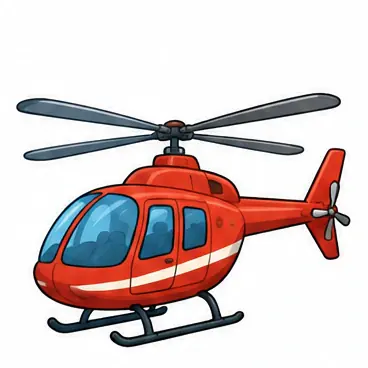
helicopterhelicopter
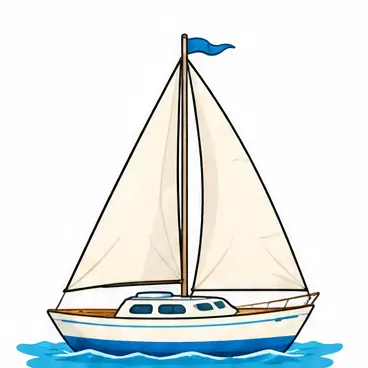
yachtyacht
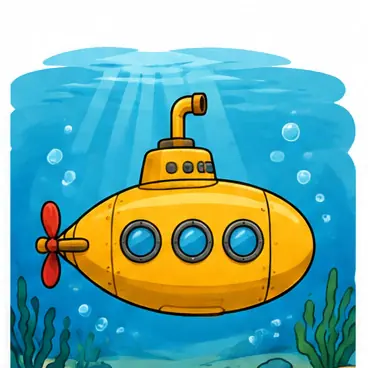
submarinesubmarine
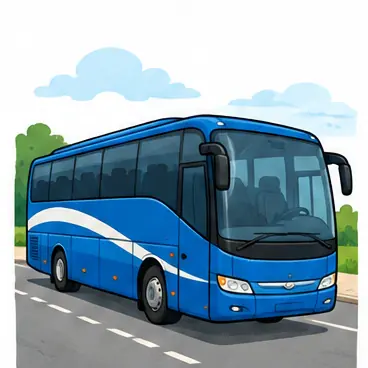
coachcoach
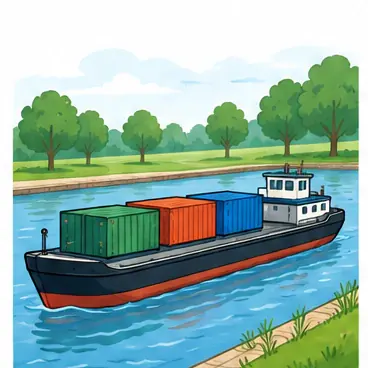
bargebarge
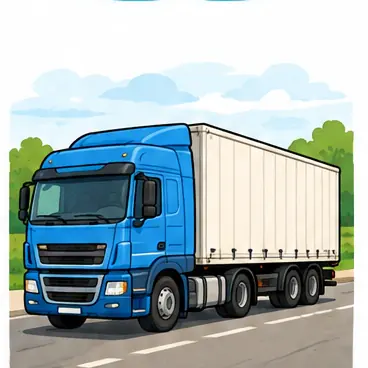
lorrylorry
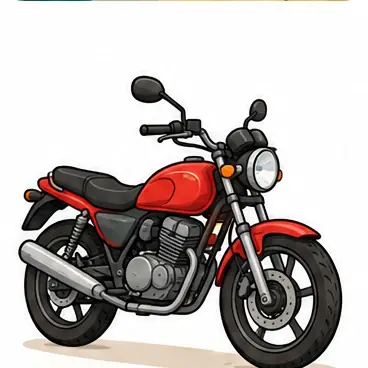
motorbikemotorbike
How long has the engineer been testing it?

He has been testing it all morning.

They have been travelling since eight.
Have you been looking after the batteries?
The team has been checking the panels since eight.

Conversación

Nia I am reporting from the harbour. Today Leo is playing the engineer of the solar ferry.

Nia How long have you been testing it?

Leo I have been testing it since eight this morning.

Nia What have you been checking?

Leo I have been checking the roof panels and recording their energy use.

Nia What has your team found?

Leo The batteries have been charging reliably, but we have not carried passengers yet.

Estructura de la frase

How long has the engineer been testing it?

He has been testing it all morning.

  • They have been travelling since eight.
  • Have you been looking after the batteries?
  • The team has been checking the panels since eight.

Más práctica

Talk with the grammar

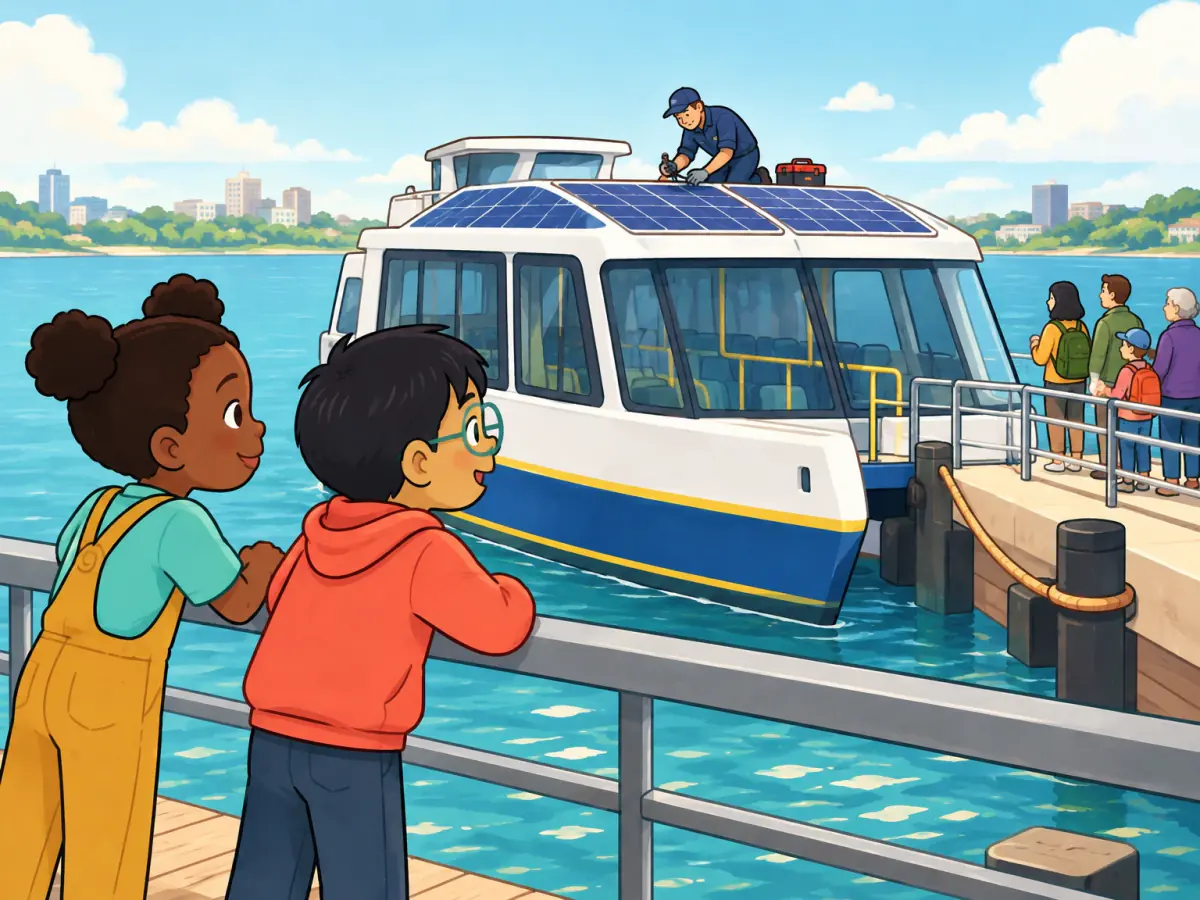
Nia and Leo observe a solar ferry prototype under repair; an engineer has been checking its roof panels all morning while visitors watch safely from the shore.

Leo How long has the engineer been testing it?

Nia He has been testing it all morning.

Nia What has he been checking?

Leo He has been looking after the roof panels.

Leo Have the visitors been waiting long?

Nia They have been waiting since eight.

How long has the engineer been testing it?

He has been testing it all morning.

  • They have been travelling since eight.
  • Have you been looking after the batteries?
  • The team has been checking the panels since eight.

Word study

look after

to take care of someone or something

The captain looks after the boat.

look up

to find information in a book or online

A librarian looks up each title.

look round

to look all around you, or visit all of a place

Put on a helmet and look round.

look forward to

to feel happy about something that will happen

I look forward to the first trip.

Books by barge

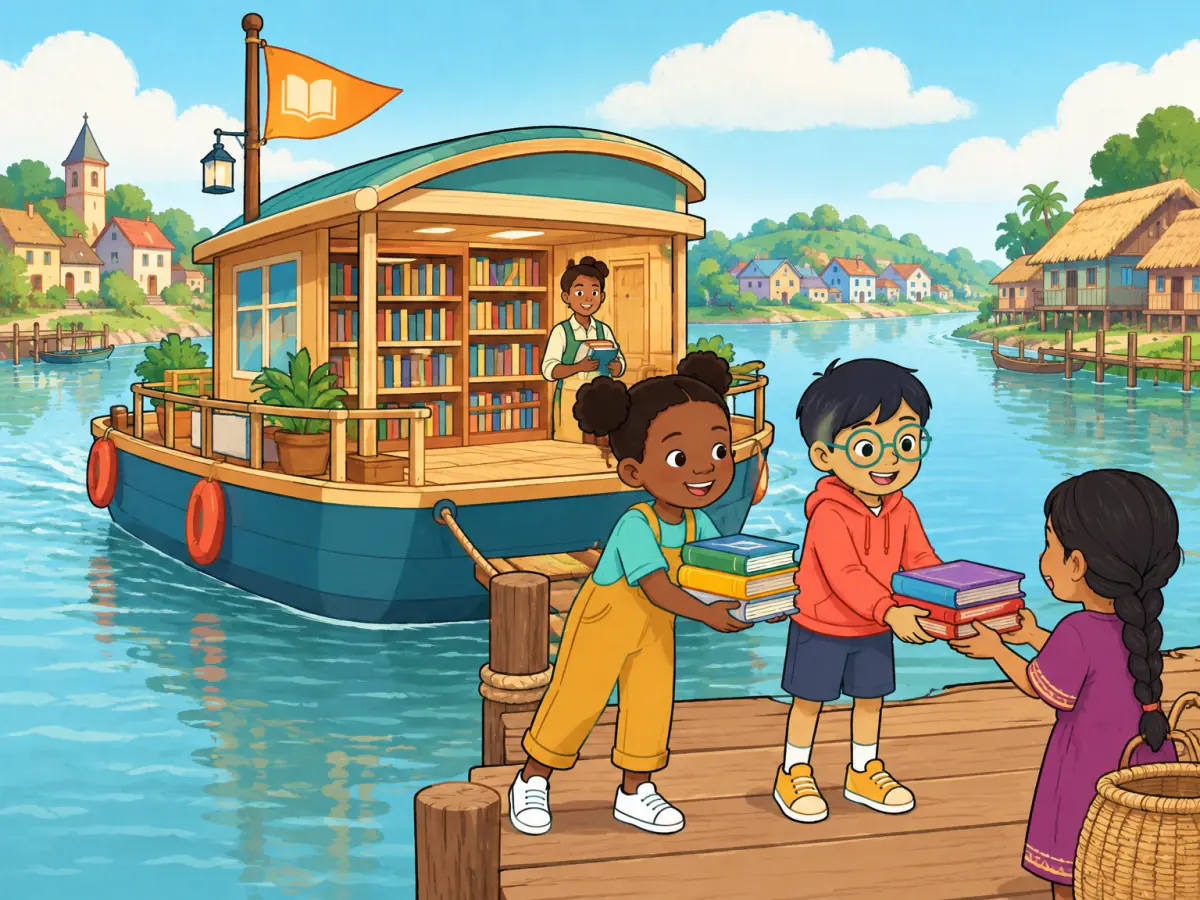
An original book-extract scene follows a floating-library barge delivering books to three river villages.

BOOKS BY BARGE

The blue library barge has been moving along the Willow River since Monday. Today, its crew has been carrying boxes to a village without a permanent library. Children have been waiting beside the safe landing stage since breakfast. The captain looks after the boat, while a librarian looks up each requested title. By evening, the barge will visit three communities and collect new reading requests.

Writer's studio

An original book-extract scene follows a floating-library barge delivering books to three river villages.

Nia Who will read your text?

Leo Children who are learning to ride will read it.

How do you ride safely?

HOW TO RIDE A BIKE First, put on a helmet and look round. Next, check the brakes and tyres. Then, start on a clear path and signal before you turn. Finally, slow down and stop in a safe place.

  • They have been travelling since eight.
  • Have you been looking after the batteries?
  • The team has been checking the panels since eight.
Aprende esta unidad
¿Cómo quieres aprender?

Pasos en orden: first, next, then, finally

Un texto de instrucciones le dice al lector qué hacer, paso a paso. Cada paso empieza con el verbo en su forma base, sin “you”: “Check the brakes.” La palabra de secuencia del principio muestra el orden y, por escrito, suele ir seguida de una coma. First y finally se usan una vez cada una; next y then pueden repetirse en cada paso intermedio.

  • First: el paso que va antes que todos (primero)
  • Next, Then, After that: los pasos intermedios (después, luego, a continuación)
  • Finally: el último paso (por último)

Del dibujo al texto de instrucciones

Primero, pregunta quién va a leer el texto: si son niños que aprenden a montar en bici, cada paso necesita una o dos acciones cortas. A muchos niños les resulta más fácil planificar con un dibujo: cuatro cajas unidas con flechas y un verbo debajo de cada una. Cada caja se convierte en una frase, y cada flecha, en una palabra de secuencia.

“HOW TO RIDE A BIKE. First, put on a helmet and look round. Next, check the brakes and tyres. Then, start on a clear path and signal before you turn. Finally, slow down and stop in a safe place.”

“Signal” es indicar con el brazo hacia dónde vas a girar. ¿Puede tu peque encontrar los ocho verbos del modelo y representarlos con mímica?

Contar un trabajo en curso: have been + -ing

Una instrucción dice qué hacer; un informe de progreso cuenta qué ha estado haciendo alguien hasta ahora. Para una actividad que empezó en el pasado y sigue en marcha, el inglés usa have o has + been + -ing (el present perfect continuous). A “How long…?” se responde con since y un punto de partida, o con for y una duración. En las preguntas, have va primero: “Have you been looking after the batteries?”

En español decimos “lo estoy probando desde las ocho”, en presente, y por eso es muy común oír “I am testing it since eight.” Lo correcto es “I have been testing it since eight.” Ayuda pensar en llevar + gerundio: “llevo dos horas probándolo” equivale a “I have been testing it for two hours.” Abajo, una reportera entrevista a un ingeniero que prueba un ferri solar, un barco de pasajeros que funciona con energía del sol.

Nia How long have you been testing it?

Leo I have been testing it since eight this morning.

Nia What have you been checking?

Leo I have been checking the roof panels and recording their energy use.

¿Sigue en marcha o es un resultado?

En los informes se mezclan a menudo dos formas. Have been + -ing describe la actividad, que todavía continúa. Have + participio (found, carried) da un resultado o dice si algo ha pasado o no. La respuesta del ingeniero, abajo, usa las dos.

  • Actividad: “The barge has been moving along the river since Monday.”
  • Resultado, o algo que aún no ha pasado: “We have not carried passengers yet.”

Nia What has your team found?

Leo The batteries have been charging reliably, but we have not carried passengers yet.

Aprende esta unidad a tu manera

Palabras del tema: transporte y look

Lorry y motorbike son de inglés británico; en inglés americano se dice truck y motorcycle. Un coach es un autocar para viajes largos. En yacht, la ch no se pronuncia, así que rima con “hot”. Look cambia de significado según la palabrita que lleva detrás. Después de look forward to va un sustantivo o un verbo en -ing, porque aquí to es una preposición.

  • Aire: hot-air balloon (globo aerostático), helicopter (helicóptero)
  • Agua: yacht (yate o velero), submarine (submarino), barge (barcaza, un barco plano que lleva carga por los ríos)
  • Carretera: coach (autocar), lorry (camión), motorbike (moto)
  • look after (cuidar): “The captain looks after the boat.”
  • look up (buscar información): “A librarian looks up each title.”
  • look round (mirar alrededor): “Put on a helmet and look round.”
  • look forward to (tener muchas ganas de algo): “I look forward to the first trip.”

Errores frecuentes y cómo corregirlos

Son normales en el nivel A2. Repite la frase bien dicha y seguid con la conversación.

  • “I am testing it since eight.”: “I have been testing it since eight.”
  • “since two hours”: una duración lleva for: “for two hours”.
  • “After, check the brakes.”: after no se usa solo con el sentido de después; di “Then” o “After that”.
  • “I look forward to ride.”: “I look forward to riding.”
  • “I have been knowing him for years.”: know no lleva -ing: “I have known him for years.”

Un juego en casa: sigue mis pasos

Elegid una tarea sencilla, como preparar un sándwich. Tu peque dibuja cuatro cajas y luego te da los pasos con first, next, then y finally. Síguelos al pie de la letra: si falta un paso, el sándwich sale mal y tu peque corrige el texto.

Después, cambiad los papeles: mientras cocinas, tu peque te pregunta “How long have you been cooking?” y “What have you been doing?”, y tú respondes con since o for.

El siguiente paso

Después, tu peque puede comparar dos textos cortos sobre tecnología y luego escribir una breve biografía de un inventor, desde la primera idea hasta un modelo que funciona.

Preguntas frecuentes

¿Qué son las palabras de secuencia en inglés?

Palabras como first, next, then, after that y finally, que muestran el orden de los pasos. En un texto de instrucciones, cada paso empieza con una de ellas, normalmente seguida de una coma.

¿Qué diferencia hay entre “I have tested it” y “I have been testing it”?

“I have been testing it” se centra en la actividad, que todavía continúa. “I have tested it” se centra en el resultado: la prueba ha terminado. Con verbos de acción, “How long…?” suele llevar -ing.

¿Se dice “look forward to see” o “look forward to seeing”?

Se dice “look forward to seeing”: aquí to es una preposición, así que va seguida de un sustantivo o de un verbo en -ing.

Aprende esta unidad
¿Cómo quieres aprender?

¿Qué viene después?

Clases individuales con un profesor en vivo

En las clases infantiles de Flalingo, tu hijo practica unidades como esta en clases individuales con un profesor en vivo, con juegos en la misma pantalla.

Reserva una clase de prueba gratis