Ir al contenido
Flalingo

Práctica de inglés

Too y enough en inglés para niños (A2, 9–12 años): comparar materiales y escribir la historia de un disfraz arreglado

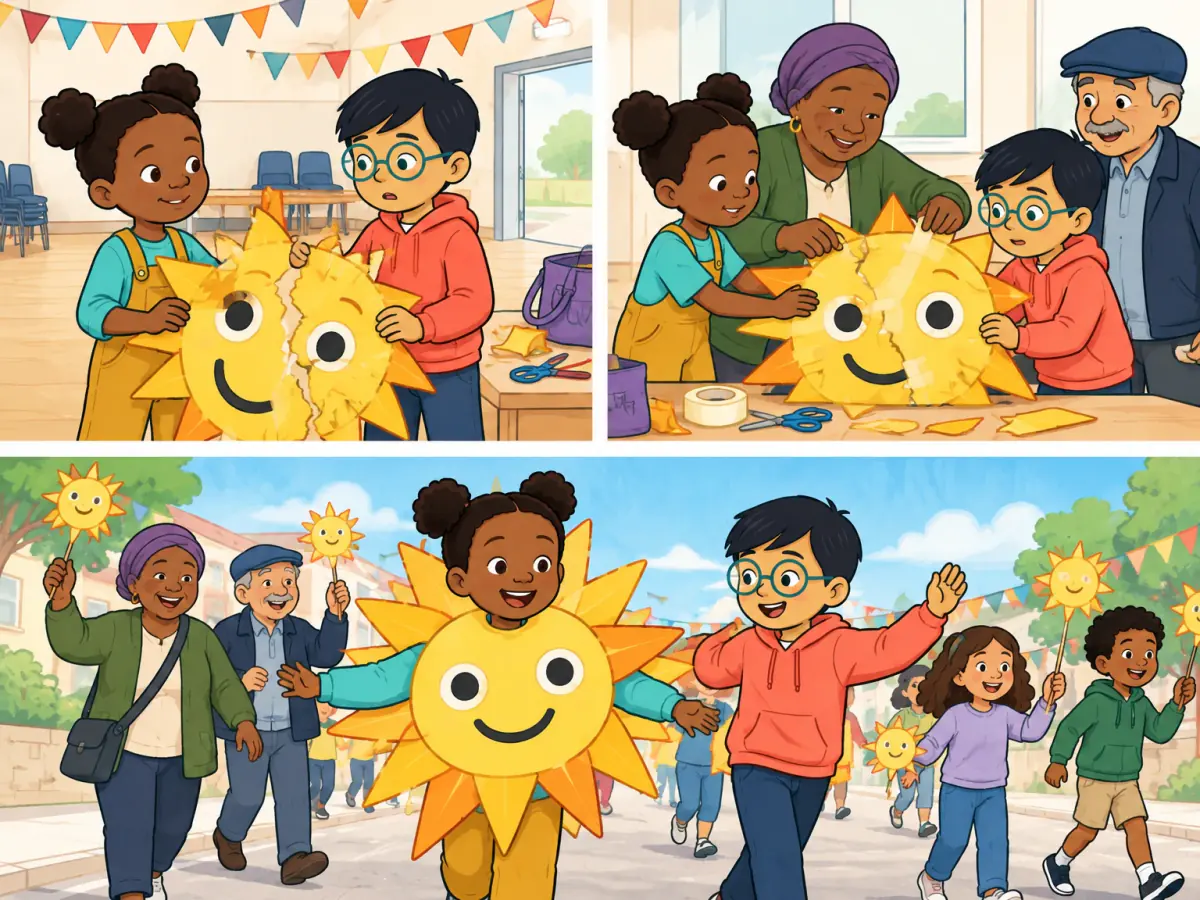
A three-part picture story: in a community hall, two children find the paper sun costume torn across its face; two neighbours help them tape it and add gold paper; one of the children wears the repaired sun in the bright parade.

Ayuda a tu peque de 9 a 12 años a usar too, enough y as … as en inglés (A2): comparar materiales de disfraz y escribir una historia corta en la que una capa demasiado larga queda lo bastante corta para ponérsela.

Para decir que algo no sirve para una tarea, el inglés pone “too” delante del adjetivo: “The sack is too rough.” Para decir que sí sirve, “enough” va detrás: “It is light enough to wear.” Al comparar, “as … as” significa igual y “not as … as”, menos: “The cloth is not as bright as the lampshade.” Este tema de nivel A2 es para niños de unos 9 a 12 años que ya usan “softer than” y “the brightest”. Termina con una historia corta sobre un disfraz que se arregla.

¿Para quién es este artículo?

  • Familias con peques que ya comparan: tu peque dice “The dog is bigger than the cat.” y “the tallest in my class”.
  • Peques a quienes les gusta disfrazarse, construir o arreglar cosas: los disfraces y el atrezo dan a “too” y “enough” un uso real.
  • Familias que quieren practicar en casa: bastan unos cuantos objetos de casa, y las tarjetas de esta página tienen el audio de cada palabra y frase.
  • Demasiado pronto: si todavía no usa “bigger than” ni “the biggest”, practica primero esas comparaciones con juguetes o con la familia.
  • Demasiado fácil: si ya escribe sin ayuda frases como “The box was too heavy, so we used a lighter one.”, pasa a los conectores en un texto corto (enlace abajo).

Abrir las páginas de muestra

Abrir las páginas de muestra

Tarjetas de vocabulario

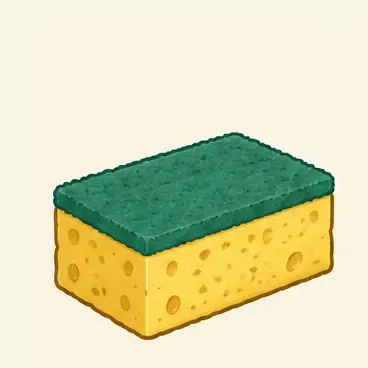
spongesponge
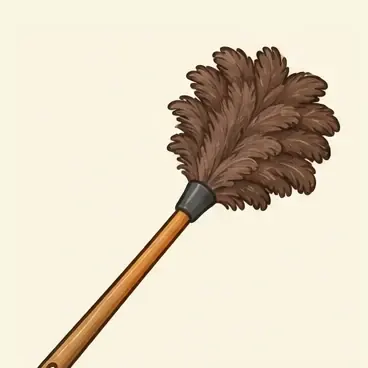
feather dusterfeather duster
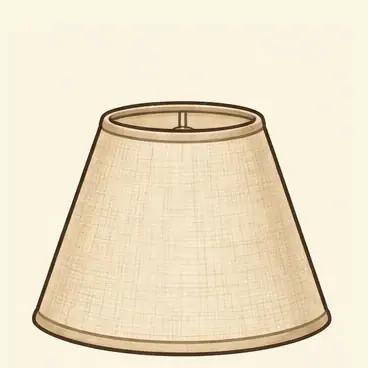
lampshadelampshade
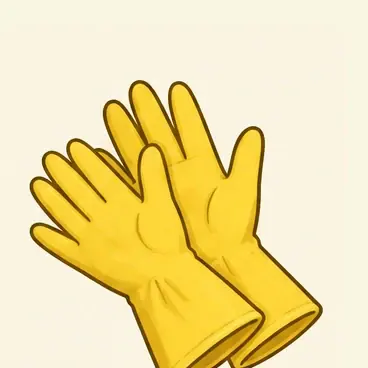
rubber glovesrubber gloves
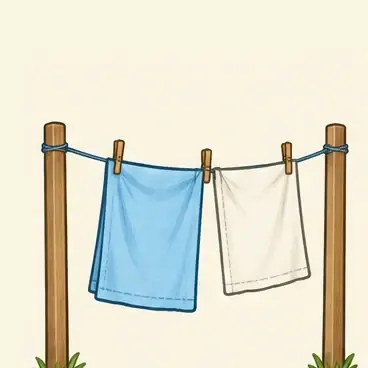
washing linewashing line
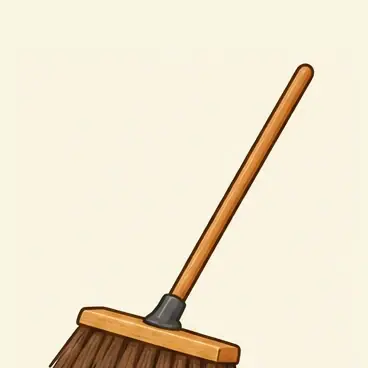
broombroom
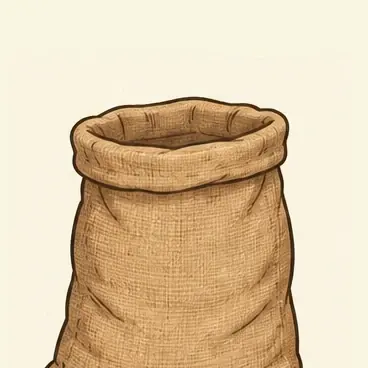
sacksack
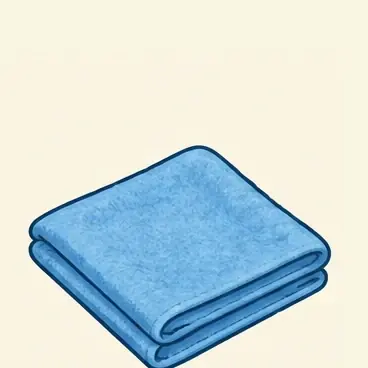
clothcloth
Is the cloth as bright as the lampshade?

Study how this model connects form with meaning.

No. It is not as bright, but it is light enough to wear.

Study how this model connects form with meaning.

The sack is too rough.

Study how this model connects form with meaning.

The sponge is as soft as the cloth.

Study how this model connects form with meaning.

The feather duster is softer than the broom.

A comparative compares two things.

The lampshade is the brightest item on the table.

A superlative compares one thing with the whole group.

Conversación

Nia What do you think will happen to the costume?

Leo I predict that the bright cloth will become a cape.

Nia Then Mara cuts the cloth and Amir ties the rope.

Leo Jo paints the lampshade, and Suri uses the sponge to add stars.

Nia Was your prediction correct?

Leo Yes. The cloth becomes a cape for the final scene.

Estructura de la frase

Is the cloth as bright as the lampshade?

No. It is not as bright, but it is light enough to wear.

  • The sack is too rough.
  • The sponge is as soft as the cloth.

Más práctica

Use the contrast

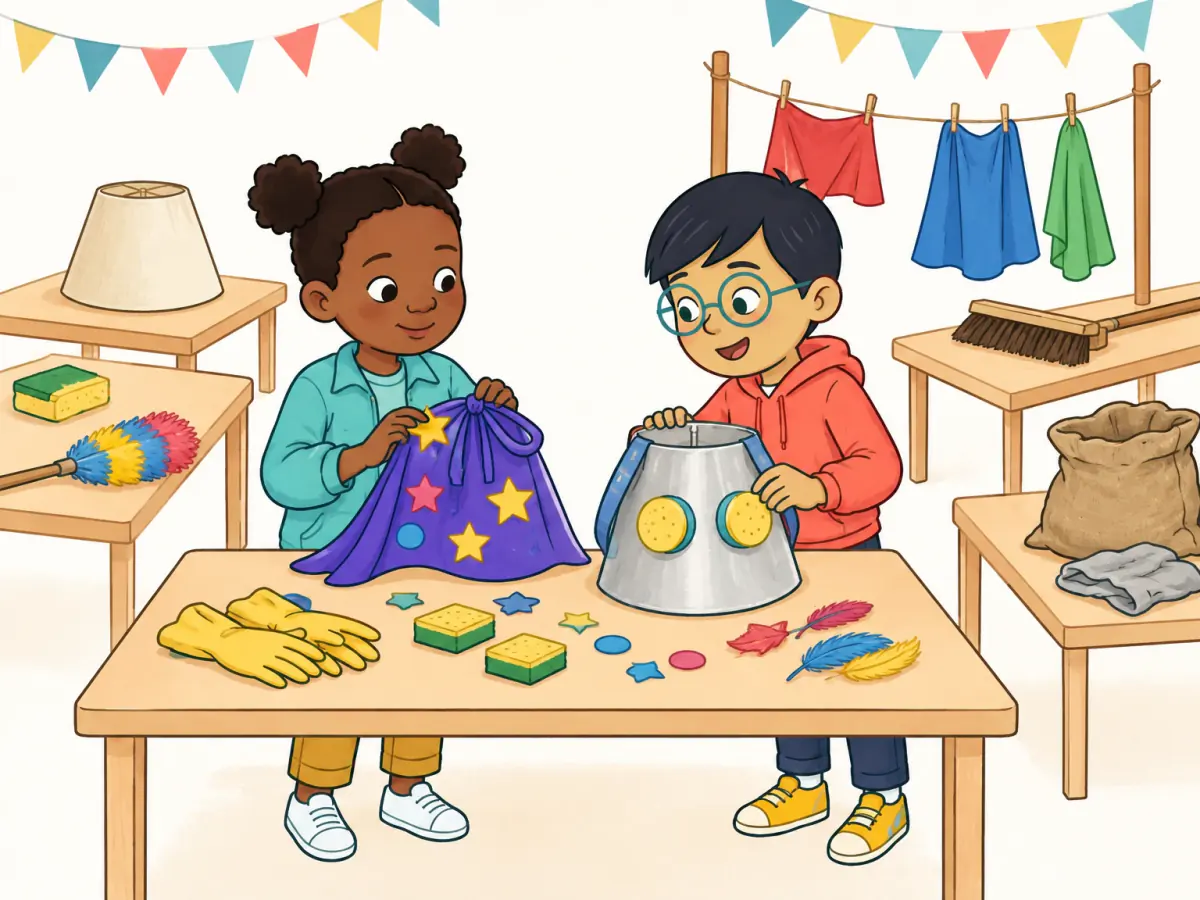
At a costume-repair party, a sponge, feather duster, lampshade, rubber gloves, washing line, broom, sack and cloth are arranged on separate tables. Nia and Leo design costumes without wearing unsafe household equipment.

Nia Is the cloth as bright as the lampshade?

Leo No. It is not as bright, but it is light enough to wear.

Leo Can we use the sack?

Nia No. It is too rough.

Nia Is the sponge soft enough?

Leo Yes. It is as soft as the cloth.

Is the cloth as bright as the lampshade?

No. It is not as bright, but it is light enough to wear.

  • The sack is too rough.
  • The sponge is as soft as the cloth.

The sun that tore

A three-part picture story: in a community hall, Nia and Leo find the paper sun costume torn across its face; two neighbours help them tape it and add gold paper; Nia wears the repaired sun in the bright parade.

THE SUN THAT TORE

On parade morning, the paper sun costume tore right across its smiling face. Nia feared that the opening scene was ruined. Leo found some clear tape, but it was not as bright as the paper. Two neighbours added thin strips of gold paper. The repair was strong enough and light enough to carry. When the parade began, the patched sun caught the light. The accident became the costume’s best detail.

Plan aloud

A three-part picture story: in a community hall, Nia and Leo find the paper sun costume torn across its face; two neighbours help them tape it and add gold paper; Nia wears the repaired sun in the bright parade.

Nia How will your party story end?

Leo The dancers will enter together, and the audience will cheer.

Leo What is the problem in your story?

Nia The silver cape is too long.

How will your party story end?

The music started, but the silver cape was too long. The two friends folded it and fixed it with cloth tape. It was short enough to wear safely. The dancers entered together, and the audience cheered.

  • problem
  • repair action
  • too/enough
  • resolved ending

Draft and revise

A three-part picture story: in a community hall, Nia and Leo find the paper sun costume torn across its face; two neighbours help them tape it and add gold paper; Nia wears the repaired sun in the bright parade.

Nia Who will read your text?

Leo Younger readers at our library will read my story.

Leo What will you check?

Nia I will check my spelling and punctuation.

How will your party story end?

The music started, but the silver cape was too long. The two friends folded it and fixed it with cloth tape. It was short enough to wear safely. The dancers entered together, and the audience cheered.

  • problem
  • repair action
  • too/enough
  • resolved ending
Aprende esta unidad
¿Cómo quieres aprender?

Palabras de casa y palabras para describir

Imagina una fiesta de disfraces en la que todo sale del armario: con una esponja se estampan estrellas y un trozo de tela se convierte en capa. Ojo con una palabra: “cloth” es la tela, el material; la ropa que llevamos es “clothes”.

Para comparar, añade parejas de contrarios: soft y rough (suave, áspero), light y heavy (ligero, pesado), bright y dark (brillante, oscuro), long y short (largo, corto).

  • sponge – esponja
  • feather duster – plumero
  • lampshade – pantalla de lámpara
  • rubber gloves – guantes de goma
  • washing line – cuerda de tender
  • broom – escoba
  • sack – saco grande de tela áspera
  • cloth – tela (para ropa o una capa)

Too y enough: ¿sirve para lo que queremos?

“Too” significa más de lo que conviene para un fin, así que hay un problema: “The sack is too rough.” “Enough” significa tanto como hace falta, así que funciona: “It is light enough.” Con “not”, indica lo que falta: “The string is not long enough.”

“Too” va delante del adjetivo y “enough”, detrás. Ojo con “bastante”: “bastante ligero” significa más bien ligero, mientras que “lo bastante ligero” equivale a “light enough”. Para decir el fin se añade “to” y un verbo: “too heavy to carry” (demasiado pesado para llevarlo), “light enough to wear” (lo bastante ligero para ponérselo).

  • “The cape is too long.”: hay un problema
  • “It is short enough to wear safely.”: problema resuelto

As … as, -er than y the -est

“As … as” dice que dos cosas son iguales, como “tan … como” en español: “The sponge is as soft as the cloth.” (La esponja es tan suave como la tela.) “Not as … as” dice que la primera tiene menos de esa cualidad. Seguramente tu peque ya conoce “-er than” para dos cosas (“The feather duster is softer than the broom.”) y “the -est” para una dentro de un grupo (“The lampshade is the brightest item on the table.”).

El patrón clave une una comparación y una decisión con “but”: “Is the cloth as bright as the lampshade?” “No. It is not as bright, but it is light enough to wear.” La tela pierde en brillo, pero aun así sirve.

Predecir, escuchar y comprobar

Antes de escuchar, pregunta “What do you think will happen to the costume?” y deja que tu peque responda con “I predict that… will…”. Después pon la conversación, pregunta “Who ties the rope?” y volved a escucharla para comprobarlo.

La predicción usa “will” porque habla del futuro; los pasos van en presente simple (“cuts”, “ties”), como cuando se resume una historia.

Nia What do you think will happen to the costume?

Leo I predict that the bright cloth will become a cape.

Nia Then Mara cuts the cloth and Amir ties the rope.

Leo Jo paints the lampshade, and Suri uses the sponge to add stars.

Nia Was your prediction correct?

Leo Yes. The cloth becomes a cape for the final scene.

Aprende esta unidad a tu manera

Escribir la historia de un disfraz arreglado

Una historia de arreglo tiene cuatro partes: un comienzo, un problema con “too” o “not … enough”, un arreglo y un final con “enough”. Que la escriba para un lector real, por ejemplo un primo más pequeño.

Un modelo para cambiar: “The music started, but the silver cape was too long. The two friends folded it and fixed it with cloth tape. It was short enough to wear safely. The dancers entered together, and the audience cheered.”

  • Planificar: el disfraz, el problema, el arreglo
  • Escribir: cuatro frases en pasado simple con “too” y “enough”
  • Revisar: una comparación, mayúsculas y puntos

Errores frecuentes y cómo corregirlos

Son normales en el nivel A2: repite la frase bien dicha y seguid.

  • “It is enough light.”: “enough” va detrás del adjetivo: “It is light enough.”
  • “The cape is too much long.”: sobra “much”: “The cape is too long.”
  • “Your costume is too beautiful!”: si no hay problema, usa “really”: “Your costume is really beautiful!”
  • “too heavy for carry”: delante de un verbo va “to”: “too heavy to carry”. El error viene de “para llevar”.
  • “as bright than”: se dice “as bright as” o “brighter than”.

Un juego en casa: el reto del disfraz

Reúne unas cuantas cosas seguras, como una bufanda, un paño de cocina, una bolsa de papel y una caja, y elegid un disfraz, por ejemplo una capa de superhéroe. Tu peque coge cada cosa y decide: “The tea towel is too small.” “The scarf is long enough.” Tú preguntas: “Is the bag as strong as the box?”

Luego cambiad los papeles y añadid una predicción: “What do you think will happen to the box?” “I predict that it will become a robot head.”

El siguiente paso

Cuando too y enough le resulten fáciles, tu peque puede unir ideas con conectores: “The cape was too long, so we folded it.” Eso lleva a textos informativos cortos que explican causas y consecuencias.

Preguntas frecuentes

¿Qué diferencia hay entre “too” y “very”?

“Very” solo refuerza una palabra: “The box is very heavy, but I can carry it.” “Too” indica que hay un problema: “The box is too heavy. I can’t carry it.” Es la misma diferencia que entre “muy” y “demasiado”.

¿“Enough” va antes o después de la palabra?

Después de un adjetivo y antes de un sustantivo: “The coat is warm enough.” “We haven’t got enough coats.”

¿“Not as bright as” es lo mismo que “less bright than”?

Casi. “Not as … as” suena más natural en el inglés de cada día, así que conviene aprenderlo primero.

Aprende esta unidad
¿Cómo quieres aprender?

¿Qué viene después?

Clases individuales con un profesor en vivo

En las clases infantiles de Flalingo, tu hijo practica unidades como esta en clases individuales con un profesor en vivo, con juegos en la misma pantalla.

Reserva una clase de prueba gratis