Skip to content
Flalingo

English practice

Usually or yesterday? Present simple and past simple in English for children (A2, ages 8–11)

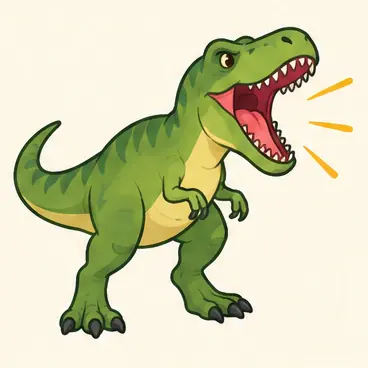
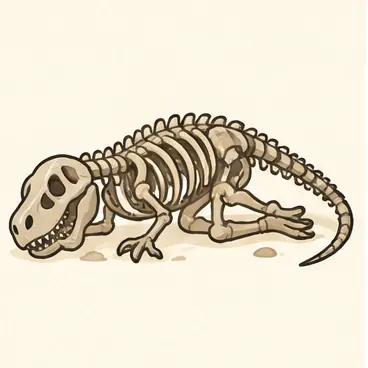
At an explorer workshop, three large stations represent Units 1, 2 and 3 with their objects arranged in separate zones and no printed labels.

Help your child choose between habits and finished events in English (A2, ages 8–11): usually questions, Did you…? with “Yes, we did.”, one extra detail, and questions about Saturdays and last weekend.

English uses the present simple for habits, often with usually: “We usually eat soup.” For a finished event it uses the past simple, and yes/no questions start with did: “Did you have a concert yesterday?” “Yes, we did.” A good answer then adds one detail: “We played outside.” This A2 review suits children of about 8–11 who have met both forms and now need to choose between them, and it ends with a home interview game.

Who this is for

  • Parents of children who know both forms but mix them up: your child says “We usually eat soup.” and “We played.”, yet sometimes “Yesterday we eat soup.”
  • Families who want English to connect with real weekends: Saturday habits and last weekend’s outing give your child true things to say.
  • Parents who want a quick check-in: a short interview a few times a week shows what has stuck, and the dialogues below have a recording of every line.
  • Too early: if habit sentences like “We usually eat soup.” are still new, start with the A2 article on breakfast habits with usually, linked below.
  • Too easy: if your child switches between usually and yesterday and adds a detail every time, move on to the A2 reading article on clues that change a first guess, linked below.

Open the sample pages

Open the sample pages

Word cards

waiterwaiter
waitresswaitress
uniformuniform
menumenu
customercustomer
bottle of waterbottle of water
cup of coffeecup of coffee
glass of milkglass of milk
bowl of soupbowl of soup
plate of saladplate of salad
concertconcert
drumsdrums
instrumentsinstruments
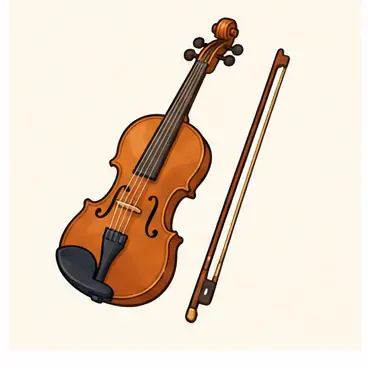
violinviolin
audienceaudience
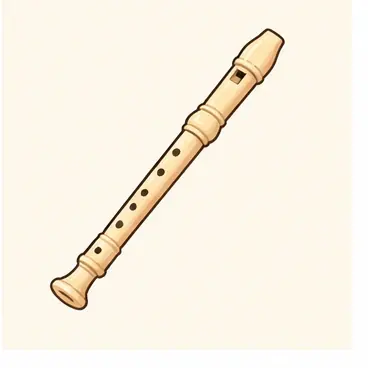
recorderrecorder
cheercheer
stagestage
programmeprogramme
trumpettrumpet
dinosaurdinosaur
museummuseum
modelmodel
skeletonskeleton
scaryscary
screamscream
roarroar
alivealive
deaddead
robotrobot

Conversation

Nia What does your family usually eat?

Leo We usually eat soup.

Leo Did you have a concert yesterday?

Nia Yes, we did. We played outside.

Nia Did you see the skeleton?

Leo Yes, I did. It was enormous!

Language pattern

What does your family usually eat?

We usually eat soup.

  • We usually eat soup.
  • Yes, we did. We played outside.
  • Yes, I did. It was enormous!

More practice

Three purposes

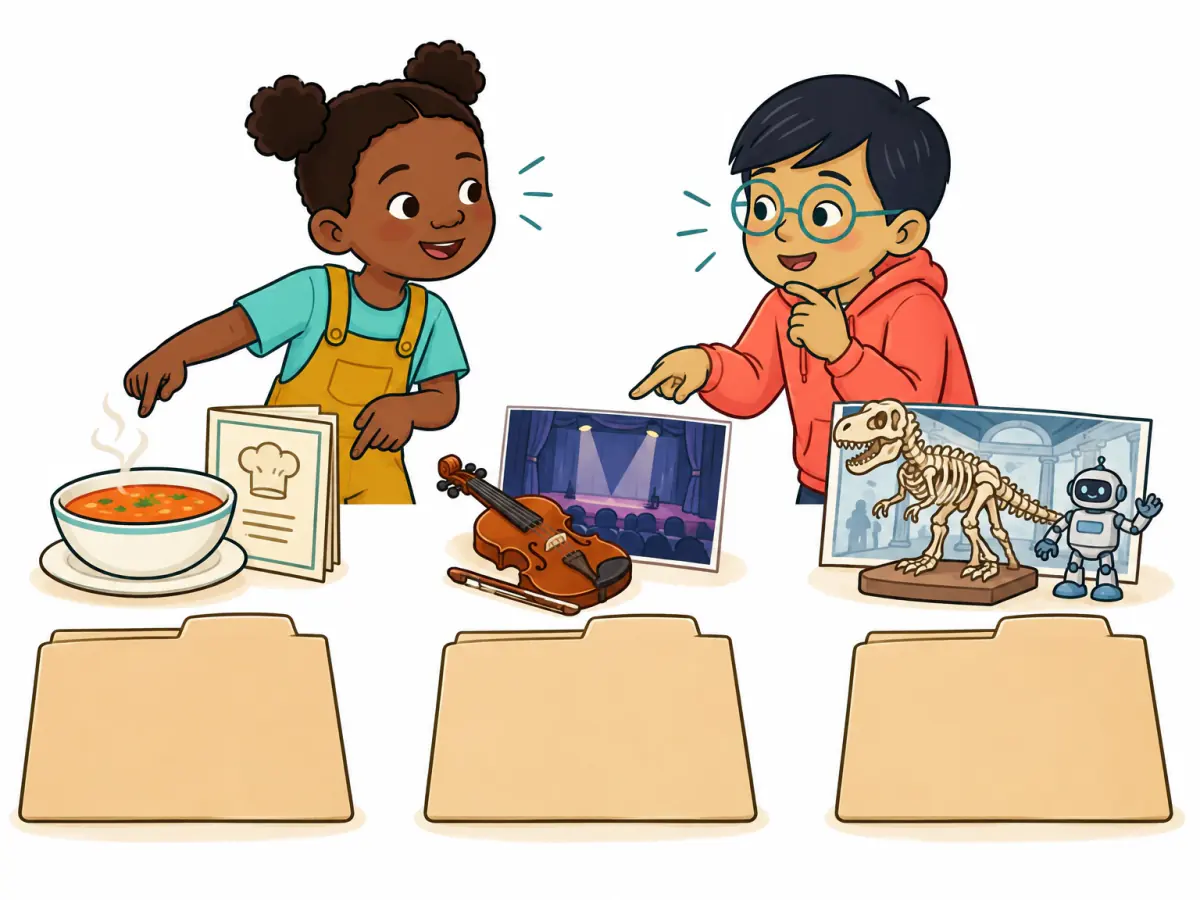
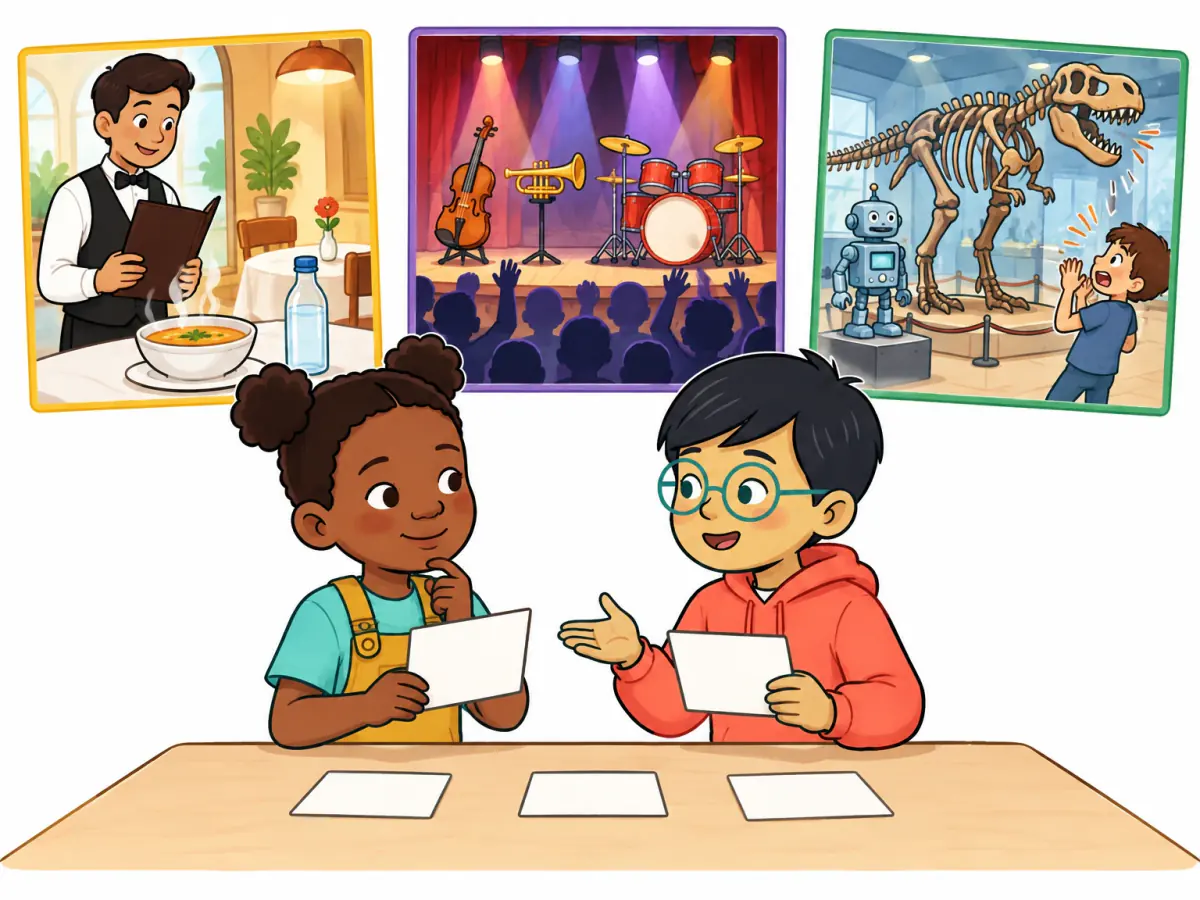
Nia and Leo compare three blank case files, ask one question for each unit and place picture evidence beside the matching file.
What does your family usually eat?

We usually eat soup.

Did you have a concert yesterday?

Yes, we did. We played outside.

Did you see the skeleton?

Yes, I did. It was enormous!

Your own case

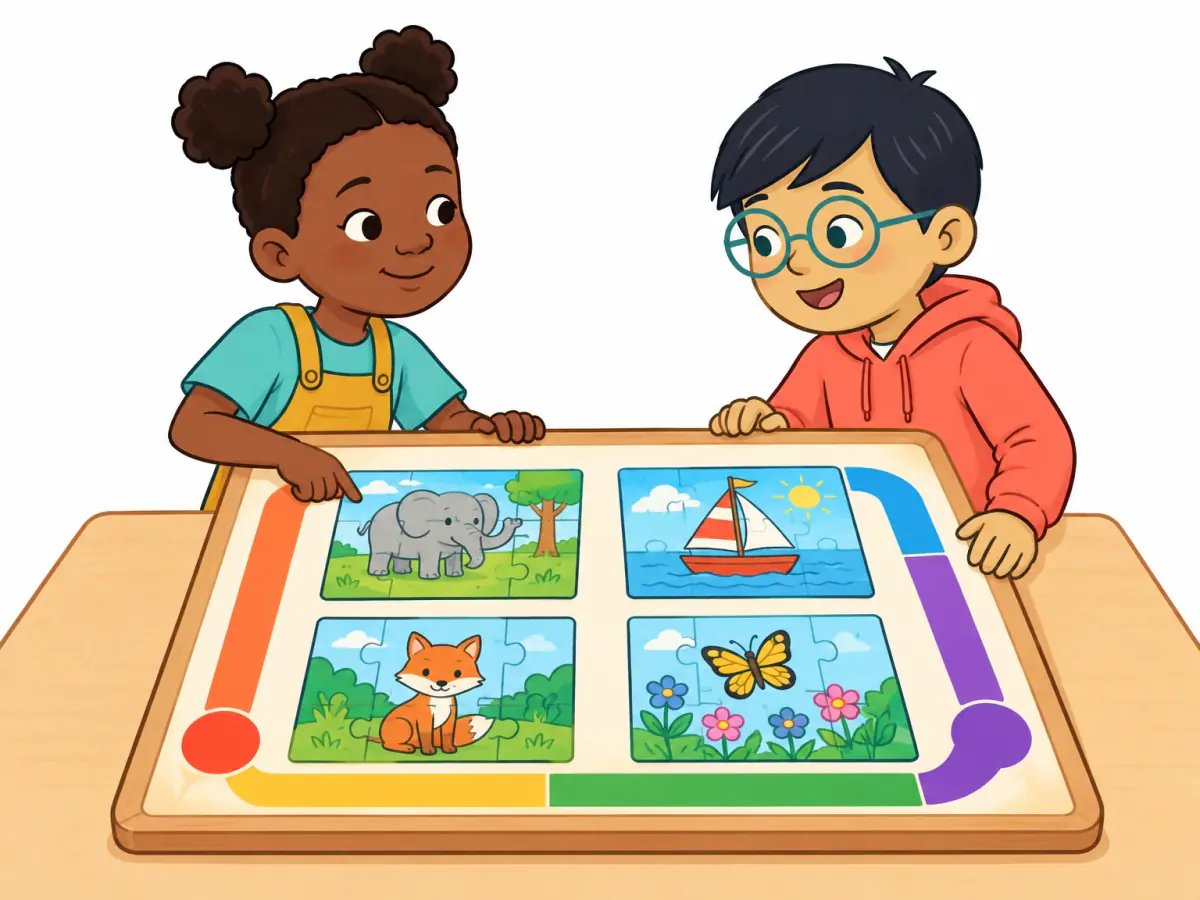
A finished explorer board shows one solved picture challenge from each unit and a sound-pattern trail made from blank colour bands.

Leo What do you usually do on Saturdays?

Nia I usually do jigsaw puzzles with my family.

Nia Did you see a film last weekend?

Leo Yes, I did. It was very funny.

What do you usually do on Saturdays?

I usually do jigsaw puzzles with my family.

  • Did you see a film last weekend?
  • Yes, I did. It was very funny.
Learn this unit
How would you like to learn?

Usually or yesterday: the question to ask first

Before answering, your child needs one decision: does this happen again and again, or did it happen once and finish? Habits take the present simple; finished events take the past simple. The time words in the question are the clue.

  • Habit words: usually, often, every day, on Saturdays
  • Finished-event words: yesterday, last weekend, last night, two days ago

Habits: does in the question, no -s after we

A habit question about “your family”, “he” or “she” uses does: “What does your family usually eat?” The answer often starts with we, so the verb has no -s: “We usually eat soup.” With “my family”, the -s comes back: “My family usually eats soup.” Usually goes before the main verb but after am, is or are: “Our kitchen is usually busy.”

Nia What does your family usually eat?

Leo We usually eat soup.

Finished events: Did you…? plus one detail

A yes/no question about a finished event starts with did, and the verb stays in its base form: “Did you see the skeleton?”, not “Did you saw…?” The short answer repeats did and matches the person: “Yes, we did.” for a whole class, “Yes, I did.” for one child.

A bare “Yes.” ends the talk, so add one detail: what happened (“We played outside.”) or what it was like (“It was enormous!”).

Leo Did you have a concert yesterday?

Nia Yes, we did. We played outside.

Nia Did you see the skeleton?

Leo Yes, I did. It was enormous!

On Saturdays or last weekend: questions about real life

Real weekends give the best practice. “On Saturdays”, with an -s, means every Saturday: a habit. “On Saturday” usually means one Saturday, past or coming. There is no on before last: “last weekend”, not “on last weekend”.

  • “What do you usually do on Saturdays?” “I usually do jigsaw puzzles with my family.”
  • “Did you see a film last weekend?” “Yes, I did. It was very funny.”
  • “What did you do on Saturday?” “We went to the park.”

Café, concert and museum words to reuse

Ask your child to use each word twice, once as a habit and once as a finished event: “The waiter usually brings the menu.” “Yesterday the waiter brought our soup.”

  • Café: waiter, waitress, customer, menu, uniform; a bottle of water, a cup of coffee, a glass of milk, a bowl of soup, a plate of salad
  • Concert: concert, stage, audience, programme, cheer; instruments: drums, violin, recorder, trumpet
  • Museum: museum, dinosaur, skeleton, model, robot; roar, scream, scary, alive, dead
Learn this unit your way

Spelling review: one sound, different letters

One long vowel sound can have several spellings. Say each group aloud and ask which letters make the sound.

  • long a: train, tray, cake
  • long e: tree, leaves, key
  • long i: light, cry, bike
  • long o: boat, blow, bone
  • long oo: room, blue, flute
  • f: feet, scarf, flamingo; ph: phone, alphabet, nephew

Common mistakes and quick fixes

These are normal at A2. Repeat the sentence correctly and carry on.

  • “Yesterday we eat soup.”: a finished event needs the past: “Yesterday we ate soup.”
  • “We usually eats soup.”: no -s after we: “We usually eat soup.”
  • “Did you saw the skeleton?”: after did, use the base form: “Did you see the skeleton?”
  • “Yes, I saw.”: the short answer is “Yes, I did.”, or say what you saw: “Yes, I saw it.”

A case-file interview game at home

Write three cards: USUALLY, YESTERDAY and LAST WEEKEND. Your child picks one and asks you a matching question, such as “What do you usually eat for lunch?” or “Did you cook yesterday?” Give a short answer plus one detail, then swap roles. The rule: every “Yes” or “No” needs a detail.

Finish with a two-line “case file” in a notebook: “I usually play football on Saturdays. Last weekend I saw a film.”

What comes next

Next, your child can follow past events in a short story and notice how clues change a first guess. Later, both forms meet in one sentence: “We usually eat soup, but yesterday we had pizza.”

Frequently asked questions

What is the difference between present simple and past simple?

Present simple is for habits: “We usually eat soup.” Past simple is for finished events: “We ate pizza yesterday.” Words like usually and yesterday show which to use.

Why is the short answer “Yes, I did.” and not “Yes, I saw.”?

“Did you see…?” uses did, so the short answer repeats it: “Yes, I did.” If your child uses saw, they need to say what they saw: “Yes, I saw it.”

Is it “on Saturday” or “on Saturdays”?

“On Saturdays” means every Saturday, a habit: “I usually swim on Saturdays.” “On Saturday” means one Saturday, often the last or the next one: “What did you do on Saturday?”

Learn this unit
How would you like to learn?

What comes next?

One-to-one lessons with a live teacher

In Flalingo kids lessons, your child practises units like this one-to-one with a live teacher, through games on the same screen.

Book a free trial lesson