Skip to content
Flalingo

English practice

Talking about a school concert in English for children (A2, ages 8–11): past simple with “played” and “clapped”

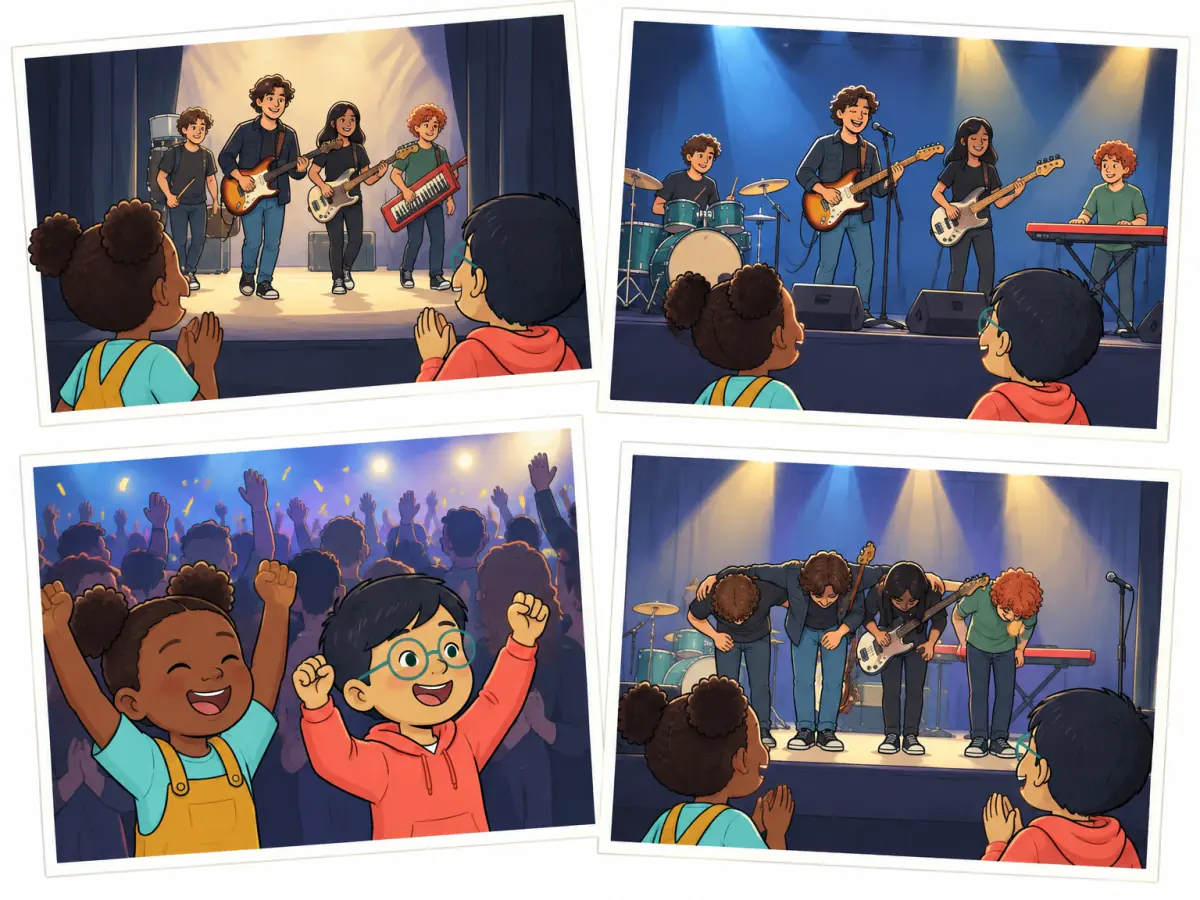
Four concert-memory pictures show musicians entering the stage, playing instruments, the audience cheering and the group bowing at the end.

Help your child tell the story of a concert in English (A2, ages 8–11): past simple -ed verbs, questions with did and the short answer “Yes, we did.”, the double letters in clapped and stopped, and a four-sentence recount.

To talk about a concert that has already happened, English uses the past simple. Most verbs add -ed: “We played outside.” “The audience cheered.” Short verbs like clap and stop double their last letter first: clapped, stopped. Questions use did and keep the plain verb: “Did you have a concert yesterday?” “Yes, we did.” This is an A2 topic for children of about 8–11 who are ready to tell a short story about a real event.

Who this is for

  • Parents of children who can talk about the present: your child says “I usually play football.” and understands words like yesterday and last weekend.
  • Families with a real event to tell: a school concert, a music lesson, a choir or a show your child watched.
  • Parents who want a writing goal: by the end, your child writes four sentences in order about one event, and the dialogue below has a recording of every line.
  • Too early: if present sentences like “We usually eat soup.” are still hard, start with the A2 article on breakfast habits, linked below.
  • Too easy: if your child already uses -ed verbs, did and was without mistakes, move on to the A2 article on asking about a museum trip, linked below.

Open the sample pages

Open the sample pages

Word cards

concertconcert
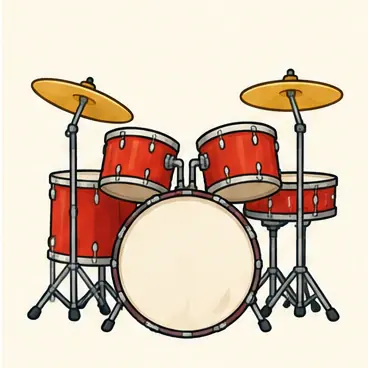
drumsdrums
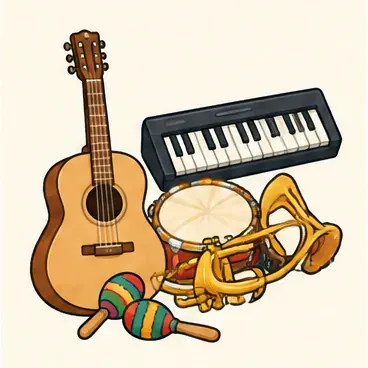
instrumentsinstruments
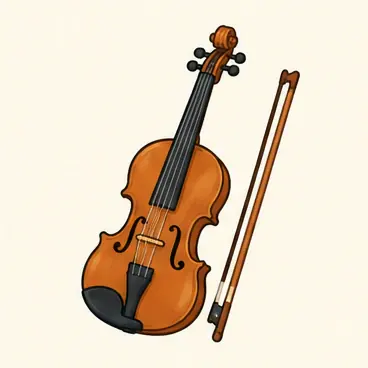
violinviolin
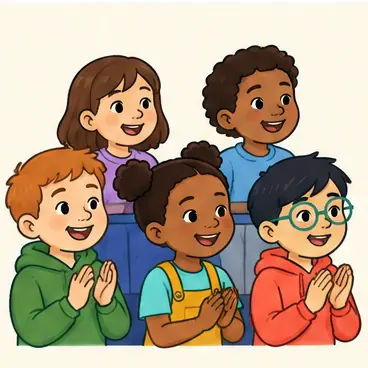
audienceaudience
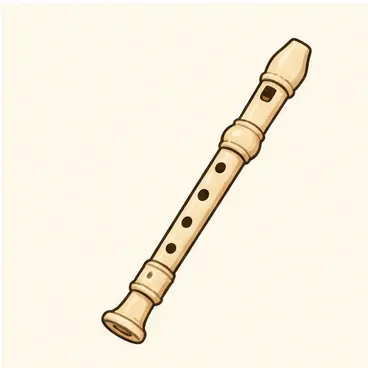
recorderrecorder
cheercheer
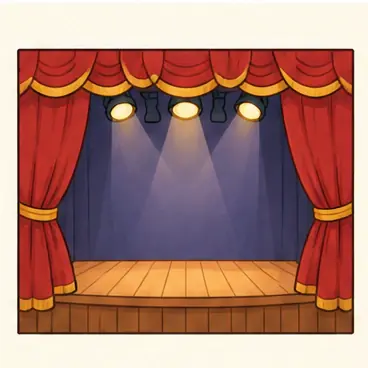
stagestage
programmeprogramme
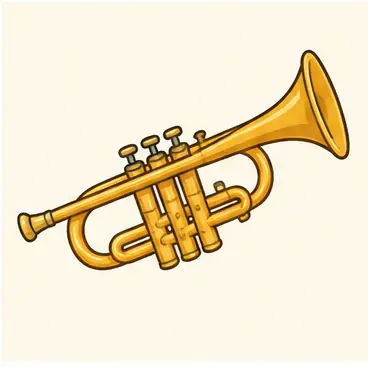
trumpettrumpet
Did you go to a concert yesterday?

Yes, we did. We watched a band.

The stage was bright.
We had four instruments.
The audience cheered.

Conversation

Leo Did you have a concert yesterday?

Nia Yes, we did. We played outside.

Leo What did you play?

Nia I played the trumpet.

Leo Was the audience quiet?

Nia No. Everyone cheered.

Language pattern

Did you go to a concert yesterday?

Yes, we did. We watched a band.

  • The stage was bright.
  • We had four instruments.
  • The audience cheered.

More practice

Change the information

Four concert-memory pictures show musicians entering the stage, playing instruments, the audience cheering and the group bowing at the end.

Nia Was the concert good?

Leo Yes, it was great!

Leo How many instruments did the band have?

Nia They had four instruments.

Nia What did the audience do?

Leo They clapped and cheered.

Did you go to a concert yesterday?

Yes, we did. We watched a band.

  • The stage was bright.
  • We had four instruments.
  • The audience cheered.

Writer’s studio

Four concert-memory pictures show musicians entering the stage, playing instruments, the audience cheering and the group bowing at the end.

Nia What will you write about?

Leo I will describe the concert picture.

Nia Which verbs have double letters?

Leo Clapped and stopped have double letters.

What happened in the picture?

The band walked onto the stage. They played the guitars, the drums and the keyboard. Nia and Leo clapped and cheered. When the music stopped, the band bowed.

  • The stage was bright.
  • We had four instruments.
  • The audience cheered.
Learn this unit
How would you like to learn?

Concert words: the stage, the music and the audience

The performers are on the stage; the audience is everyone watching. Audience is one word for the whole group, so one concert has one audience: “The audience cheered.” A programme is the paper that lists the music; American English spells it program. A recorder is the small pipe many children learn at school. With instruments, English usually puts “the” before the name: “I played the trumpet.”

  • Instruments: drums, violin, recorder, trumpet
  • The place: concert, stage, programme
  • The people: the band, the audience
  • Actions: play, watch, cheer, clap, bow

Past simple with -ed: played, watched, cheered

Most verbs make the past with -ed: play – played, watch – watched, cheer – cheered. The form is the same for I, you, she, we and they. Verbs ending in e add only -d: smile – smiled. A few common verbs are irregular and are learned as new words: have – had, go – went, is – was: “We had four instruments.”

The -ed ending has three sounds. Say these groups aloud together:

  • A t sound after p, k, s, ch and sh: clapped, walked, watched
  • A d sound after most other sounds: played, cheered, bowed
  • An extra syllable, id, only after t or d: started, ended

Why clapped and stopped have double letters

When a short verb ends in one vowel and one consonant, that consonant doubles before -ed. The double letter keeps the vowel short, so “hopped” (from hop) and “hoped” (from hope) sound different.

  • Doubles: clap → clapped, stop → stopped, plan → planned
  • Two vowels, no doubling: cheer → cheered
  • Two consonants, no doubling: jump → jumped
  • Ends in w, x or y, no doubling: bow → bowed, play → played

Questions and short answers with did

Past questions use did, and the verb stays plain: “Did you have a concert?”, not “Did you had…?” The short answer repeats did: “Yes, we did.” or “No, we didn’t.” With was, there is no did: “Was the stage bright?” “Yes, it was.” In the recording, each answer adds one detail.

Leo Did you have a concert yesterday?

Nia Yes, we did. We played outside.

Leo What did you play?

Nia I played the trumpet.

Leo Was the audience quiet?

Nia No. Everyone cheered.

Played or watched? On the stage or in the audience

“Did you have a concert?” usually asks if your child’s class performed; “Did you go to a concert?” asks if they watched one. “We played outside.” comes from a performer, “We watched a band.” from the audience. Before your child tells the story, ask: were you on the stage or in a seat? A performer says “I” and “we”; someone watching calls the band “they”.

Learn this unit your way

Writing a four-part concert story

A recount tells events in order. At A2, four sentences are enough: the start, the music, the audience and the end. Read the model together, then let your child change every detail to match a show they really saw. Last, check that every verb is in the past and that clapped and stopped have double letters.

  • “First, the band walked onto the stage.”
  • “Then they played the guitars, the drums and the keyboard.”
  • “After that, everyone clapped and cheered.”
  • “When the music stopped, the band bowed.”

Common mistakes and quick fixes

These are normal at A2. Repeat the sentence correctly and carry on.

  • “Yesterday we play the trumpet.”: a finished event needs the past: “Yesterday we played the trumpet.”
  • “Did you played?”: after did, the verb stays plain: “Did you play?”
  • “Yes, we had.”: the short answer uses did: “Yes, we did.”
  • “claped”, “stoped”: one vowel and one consonant double: clapped, stopped.

A concert reporter game at home

Use any performance: a school show, a band in a video, or a living-room concert where your child plays and you are the audience. Afterwards, interview each other like reporters: “What did the band play?” “What did the audience do?” Then fold paper into four boxes, draw the four moments and write one past sentence under each. Next time, swap roles: performer one day, audience the next.

What comes next

Next, add negatives and more irregular verbs: “We didn’t hear the drums.” “We saw a huge skeleton!” Then your child can ask careful questions about a school trip and use exclamations like “It was enormous!”

Frequently asked questions

When do you double the last letter before -ed?

When a short verb ends in one vowel and one consonant: stop – stopped, plan – planned. Not after two vowels (cheer – cheered), two consonants (jump – jumped) or w, x and y (play – played).

How do you pronounce -ed in past verbs?

In three ways: t in “clapped” and “watched”, d in “played” and “cheered”, and an extra syllable, id, in “started” and “ended”. The extra syllable only comes after t or d.

Is it “Did you played?” or “Did you play?”

“Did you play?” is correct. Did already shows the past, so the verb after it stays plain, just as with didn’t: “We didn’t play.”

Learn this unit
How would you like to learn?

What comes next?

One-to-one lessons with a live teacher

In Flalingo kids lessons, your child practises units like this one-to-one with a live teacher, through games on the same screen.

Book a free trial lesson