
 fossils
 claim
 evidence
 change
Four words for reading like a scientist
At A2, reading questions also ask “How do you know?” These four words help your child answer. Evidence has no plural: say “some evidence”, never “evidences”.
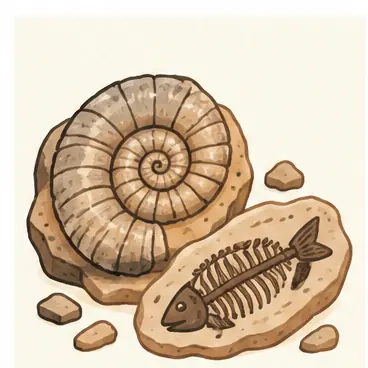
- fossil – what is left of a very old animal or plant in rock
- claim – an idea someone says is true: “It’s a giant leaf.”
- evidence – facts or words that show whether a claim is true
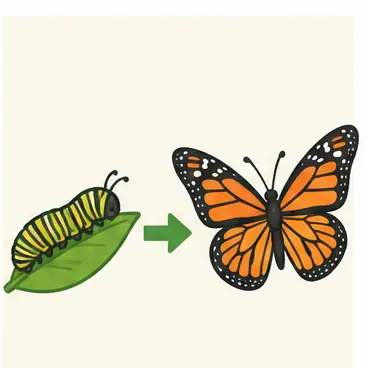
- change – what you do to a guess when the evidence points elsewhere
A short discovery text to practise with
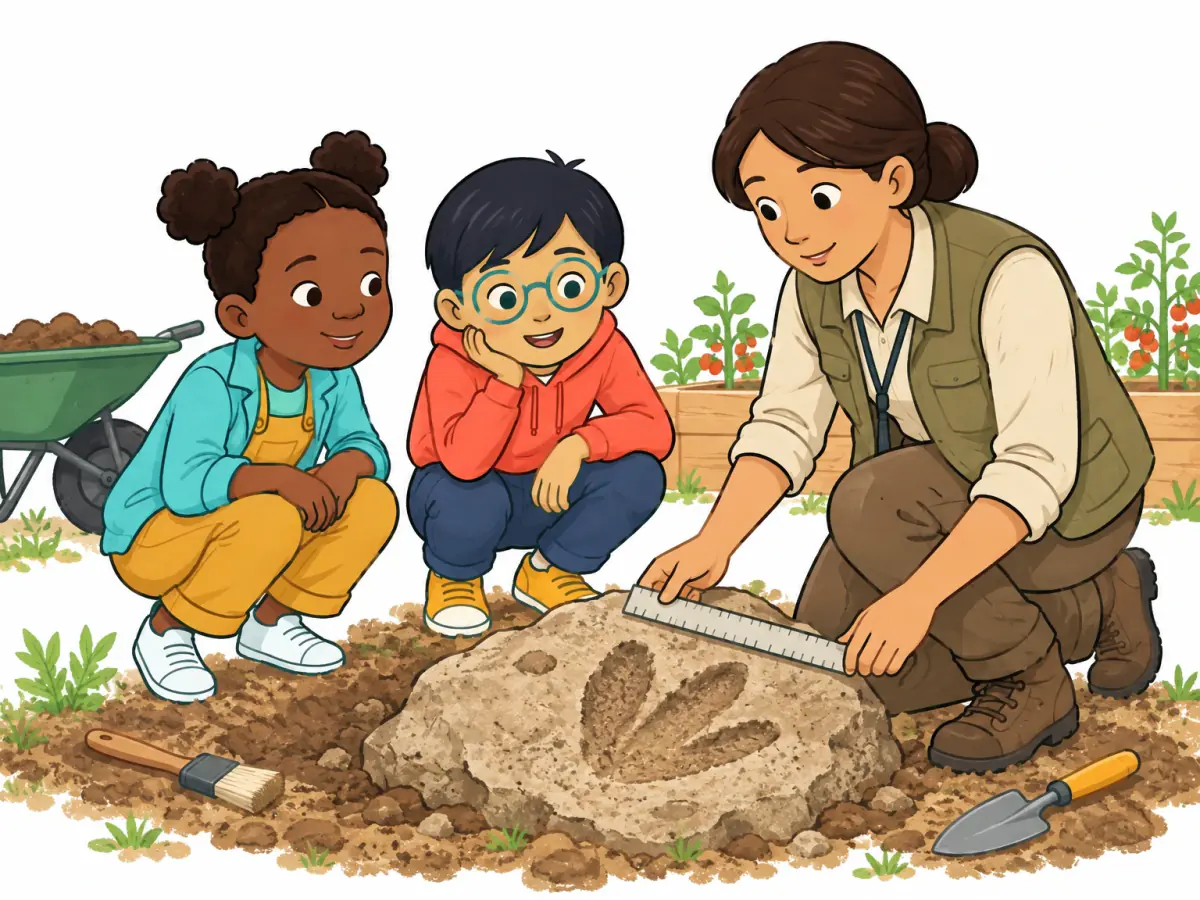
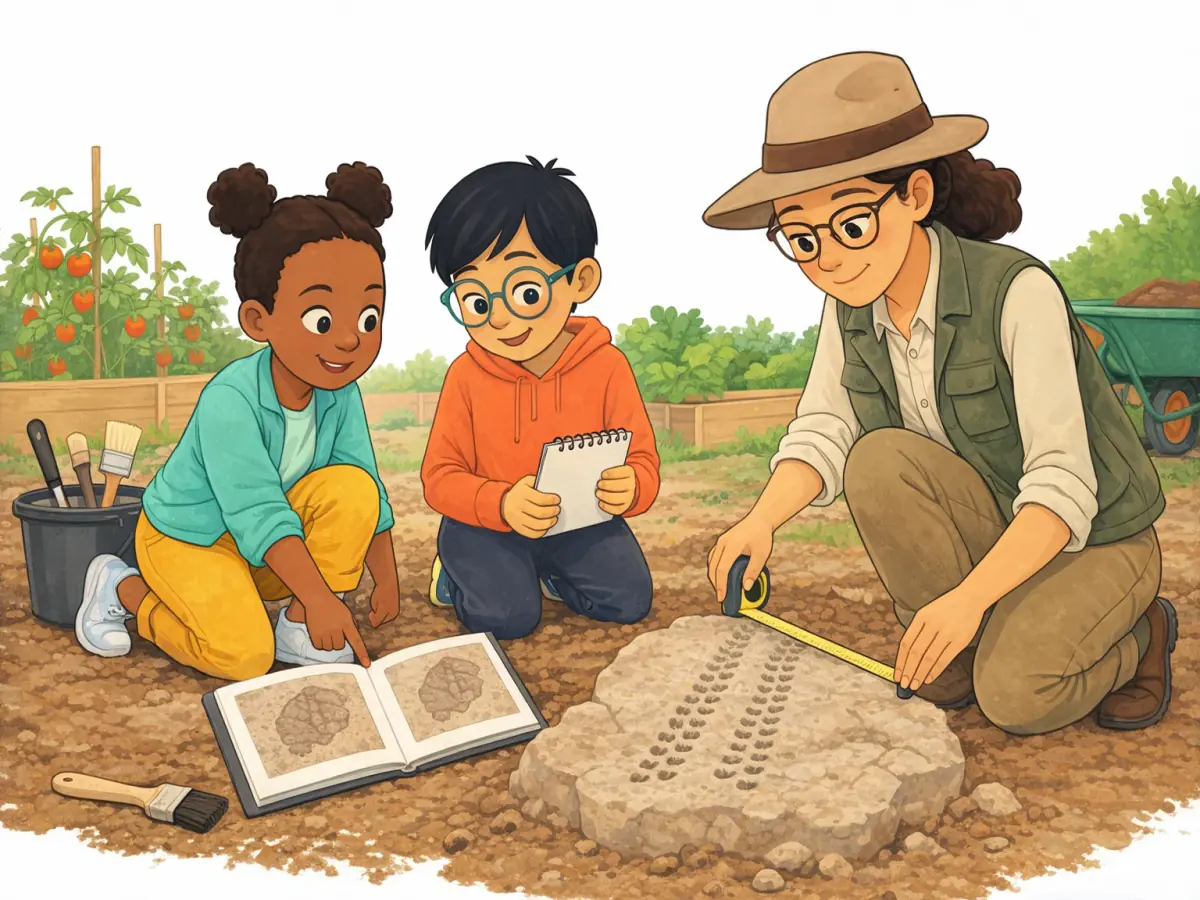
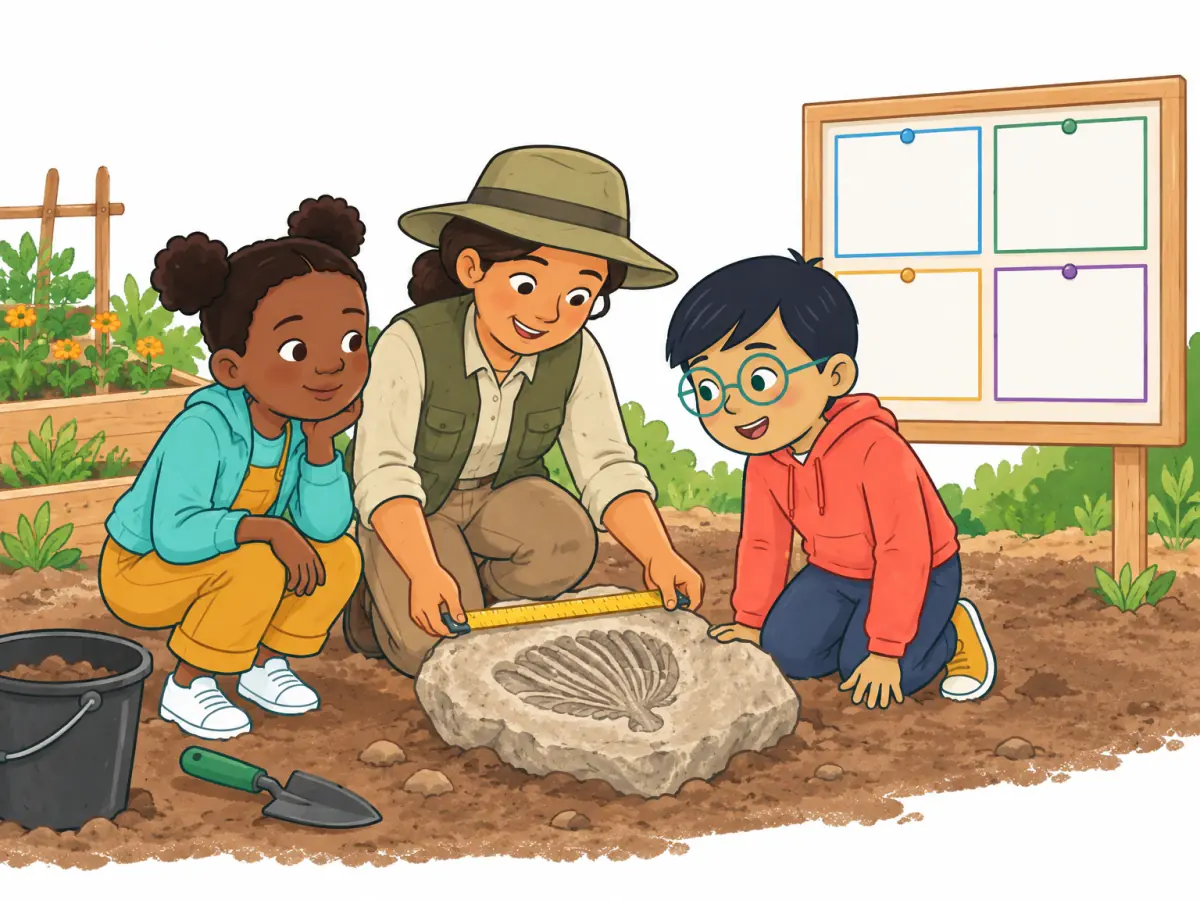
Practise with a text where the first idea turns out wrong. For example: during a garden path repair, a volunteer finds a stone with a repeating pattern, and the children first think it is a giant leaf. A rock scientist photographs and measures it before anyone moves it, and explains it might be a footprint fossil, which shows where an animal moved, not its body. Comparing the mark with local rock records, the team discovers it came from a small ancient sea animal.
Stop after the first sentence for a guess, then ask which sentence changes it: the rock records. That is the evidence.
Might or discovered? A possibility and a finding
Might, may and could show a possibility: an idea nobody has checked yet. Discovered, found out and showed mean the checking is done. After might, use the base form of the verb: “It might be a fossil.”, not “It might is a fossil.”
- Possibility: “It might be a footprint.” “It could be a leaf.”
- Finding: “They discovered it came from a small ancient sea animal.”
First and before: keeping events in order
Reading checks often test order. “The children moved the stone before recording it.” is false: the scientist measured it before anyone moved it. Before can take a whole sentence or a verb with -ing; “before move it” is wrong.
- first: “The children first thought it was a giant leaf.”
- before + sentence: “She measured it before anyone moved it.”
- before + -ing: “She measured it before moving it.”
Talking about evidence: two key questions
The two questions below turn reading into a conversation. “Pointed to” means “suggested”, and “It shows that…” introduces what the evidence proves. Listen together, take a role each, then swap and ask the same questions about another story.
Nia Which evidence changed the first guess?
Leo The local rock record pointed to a sea animal.
Leo Why does that evidence matter?
Nia It shows that the first guess was wrong.
Writing four connected sentences
A short response gives four sentences four jobs, one per starter on the cards below, each building on the one before. “In my opinion,” takes a comma; “The text says” needs the s, and only words really in the text can follow it.
- “I think the first guess was wrong.” (the claim)
- “The text says the team compared the mark with local rock records.” (the evidence)
- “It is important because one exciting guess is not enough.” (why it matters)
- “In my opinion, measuring a find before moving it is a good idea.” (your child’s own view)
Common mistakes and quick fixes
These are normal at A2. Repeat the sentence correctly and carry on.
- “There are many evidences.”: evidence has no plural: “There is a lot of evidence.”
- “The text say it was a leaf.”: add s: “The text says…”
- “It might is a fossil.”: base form after might: “It might be a fossil.”
- “She measured it before move it.”: “before moving it” or “before anyone moved it”.
- “The text says it was the best find ever.”: that is an opinion, so start with “In my opinion,…”
A home game: the mystery print
Press a fork, a key and a bottle cap into play dough out of your child’s sight. Show one print; your child guesses with “It might be…”. Add evidence one piece at a time: a second print, then a card showing the possible objects, your “rock record”. When a clue changes the guess, your child says “This evidence changed my first guess.”
Finish with four sentences using the starters. For reading, take a short children’s news article and ask: “Which line changed your first idea?”
What comes next
Next, your child can compare two texts and say which one gives stronger evidence. Later, the four sentences grow into a paragraph joined with because, but and so.