
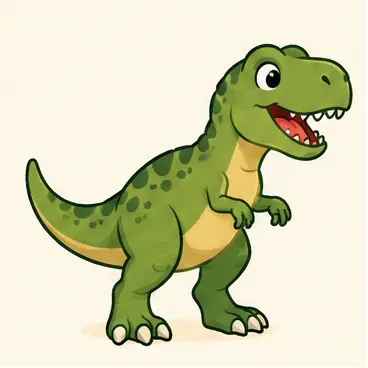
 dinosaur
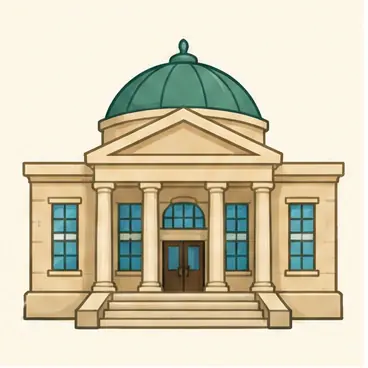 museum
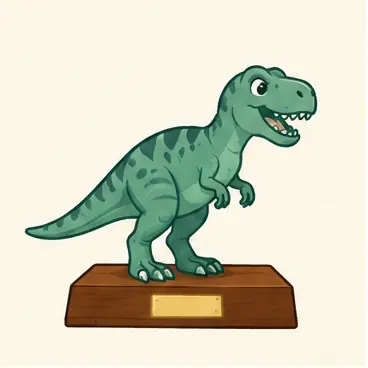 model
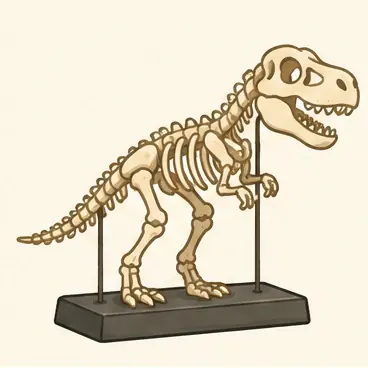 skeleton
 scary
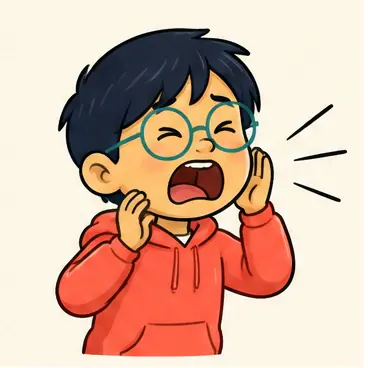 scream
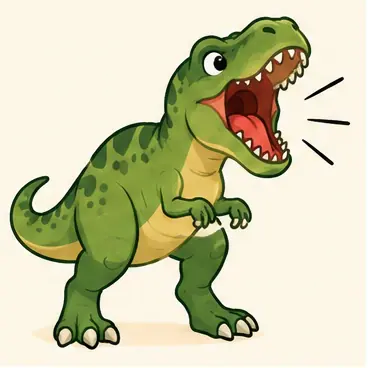 roar
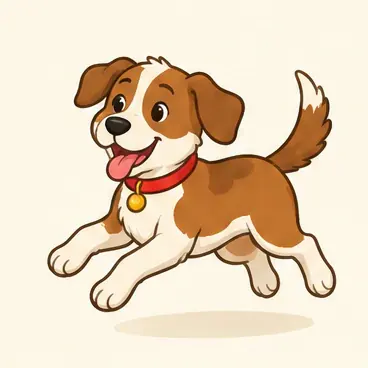 alive
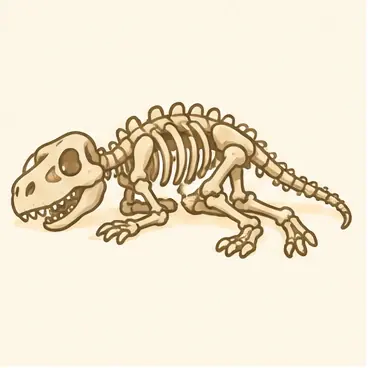 dead
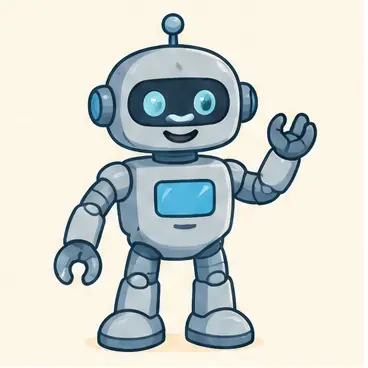 robot
Museum and dinosaur words
A skeleton is all the bones of a body, a fossil is part of a very old animal or plant kept in rock, and a model is a copy of the real thing. In a museum, a robot dinosaur may roar, a visitor may scream, and a big skeleton can look scary.
Alive and dead are opposites: “Dinosaurs are not alive today.” A robot can move and roar, but it is a machine, not a living animal.
- Things: dinosaur, skeleton, fossil, model, robot
- Sounds: roar, scream
- Describing words: scary, enormous, huge, alive, dead
Did you…? Yes/no questions about the past
To ask about a finished event, put did first: did + person + verb. Did already shows the past, so the verb stays in its base form: “Did you see the skeleton?”, not “Did you saw…?” The short answer repeats did: “Yes, I did.” or “No, I didn’t.” For an animal or a thing, use it: “No, it didn’t.”
After “No”, the speaker adds what really happened, which sounds natural.
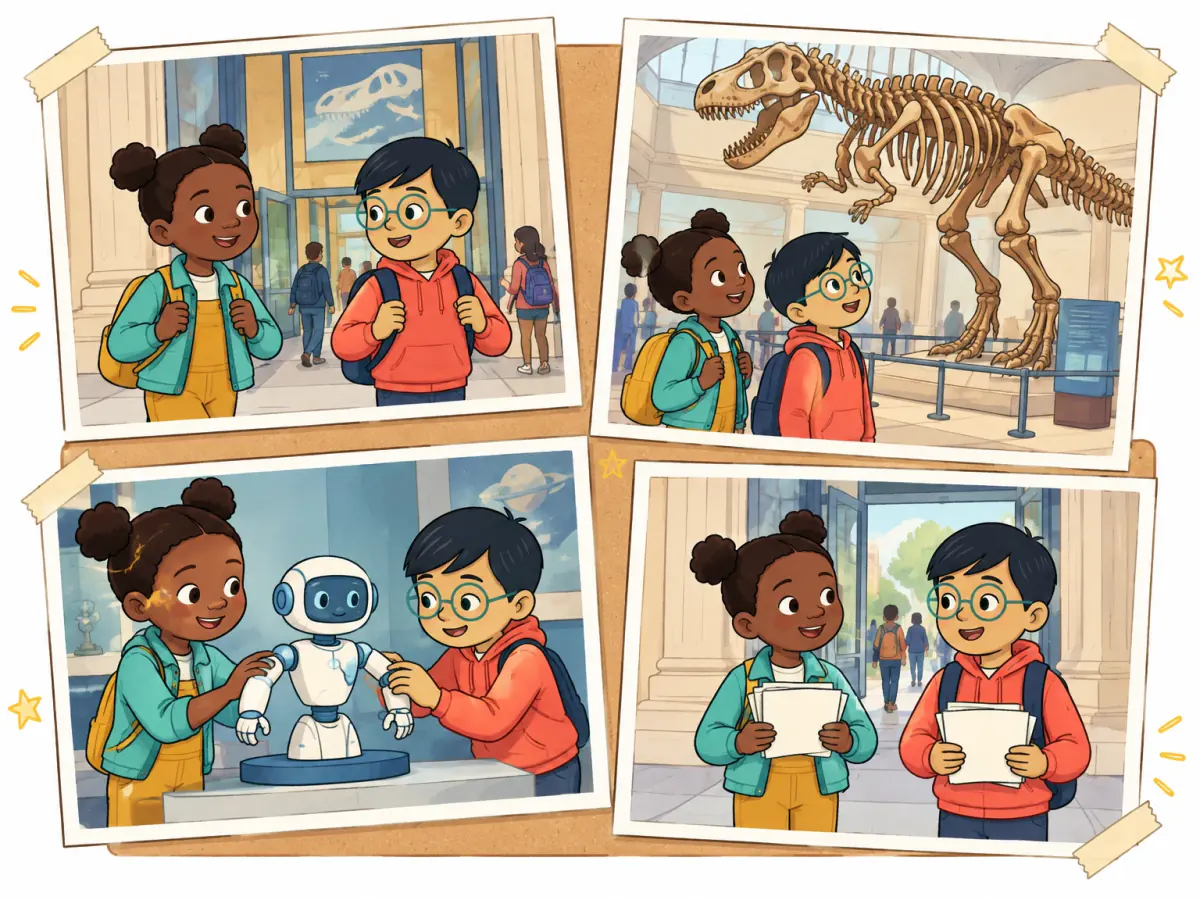
Nia Did you see the skeleton?
Leo Yes, I did. It was enormous!
Leo Did the dinosaur roar?
Nia No, it didn't. The robot roared.
Didn’t and past forms: saying what happened
Negatives use didn’t with the base form: “We didn’t hear a real dinosaur.” Positive sentences have no did; the verb itself changes. Regular verbs add -ed (roared, moved); learn common irregular verbs as pairs.
- see – saw: “We saw a huge skeleton.”
- hear – heard: “I heard a loud roar.”
- go – went: “We went to the museum.”
- take – took: “We took home some drawing cards.”
- fall – fell: “The dinosaur fell near a river.”
What did…? Asking for details
A question word before did asks for details: “What did you like best?” “Where did you go?” “Who did you go with?” The answer has no did; it uses the past form or just the key words: “What did the robot do?” “It moved and roared.” A short answer like “The fossil model.” is natural too.
Nia What did you like best?
Leo The fossil model.
Writing a trip web page with exclamation marks
A class trip page is short and lively: a title, three sentences about what happened, and a line inviting readers to find out more. Copy this model, then change every detail.
An exclamation mark shows surprise, excitement or a loud sound. It replaces the full stop, and one is enough: “It was enormous!”, not “It was enormous!!!” Save it for one or two big moments.
- “OUR LAB VISIT!”
- “We saw a huge skeleton.”
- “The robot moved and roared!”
- “I did not feel scared.”
- “Visit our class web page for three fossil facts.”
Spelling tip: ph sounds like f
In many English words, ph sounds exactly like f: phone and feet start with the same sound. Say each word aloud and sort it into a column.
- f: feet, scarf, flamingo, fossil
- ph: phone, photo, alphabet, elephant, dolphin
Common mistakes and quick fixes
These are normal at A2. Repeat the sentence correctly and carry on.
- “Did you saw the skeleton?”: after did, use the base form: “Did you see…?”
- “I didn’t heard the roar.”: the same after didn’t: “I didn’t hear the roar.”
- “What you liked best?”: add did and use the base form: “What did you like best?”
- “The robot roar!”: a finished event needs the past: “The robot roared!”
- “It was fun!!!”: one is enough: “It was fun!”
A museum reporter game at home
After any outing, to a museum, a zoo or a park, your child becomes a reporter: three Did questions and one What did question for you, then swap roles.
No trip this week? Read a short fact together: “Long ago, a dinosaur walked across soft mud. Mud covered its footprints and slowly became rock.” Ask: “Did the footprints disappear?” “No, they didn’t.” Then write a four-sentence web page with one exclamation mark.
What comes next
Next, your child can say who owns things with mine and yours and check its against it’s. Later, past questions grow into longer stories with first, then and after that.