

Skip to content
Flalingo

English practice

Talking about breakfast habits in English for children (A2, ages 8–11): “usually” and “right now”

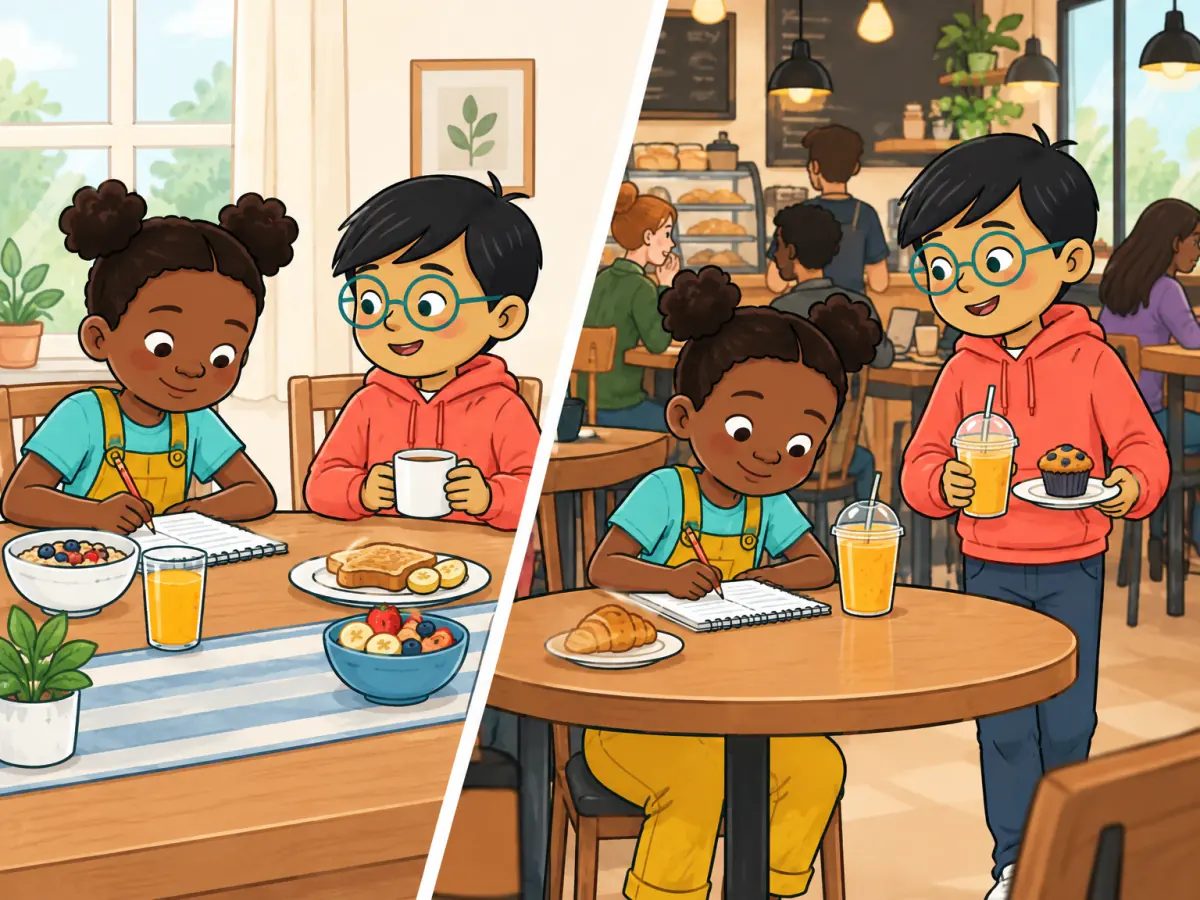
A split café scene contrasts a quiet family breakfast table used every week with the busy café right now. A child records meal habits while another child carries no hot items.

Help your child talk about family breakfasts in English (A2, ages 8–11): habits with usually, often and rarely, what is happening right now with am, is, are + -ing, and four linked sentences to write.

English uses two forms here. Habits take the present simple with a frequency word: “We usually eat toast.” “I rarely drink fizzy drinks.” Something happening at this moment takes am, is or are with an -ing verb: “Right now, we are making pancakes.” This is an A2 topic for children of about 8–11 who can already say “I eat toast.” and are ready to compare a normal morning with today.

Who this is for

  • Parents of children who can make simple present sentences: your child says “I like milk.” or “I eat toast.” without help.
  • Families who want English to connect with daily life: breakfast happens every day, so practice fits into real mornings.
  • Parents who want a writing goal: by the end, your child writes four connected sentences about the family breakfast, and the dialogues below have a recording of every line.
  • Too early: if simple sentences like “I eat toast.” or questions like “Where are you from?” are still hard, start with the A1 article on asking where people are from, linked below.
  • Too easy: if your child already switches between “usually” and “right now” without mistakes, move on to the A2 article on usual days and yesterday, linked below.

Open the sample pages

Open the sample pages

Word cards

waiterwaiter
waitresswaitress
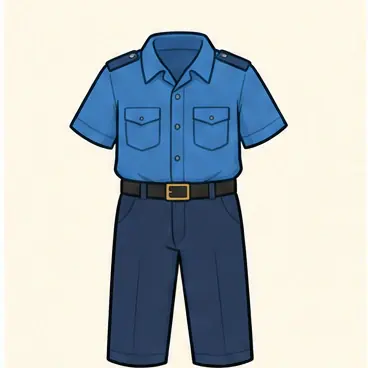
uniformuniform
menumenu
customercustomer
bottle of waterbottle of water
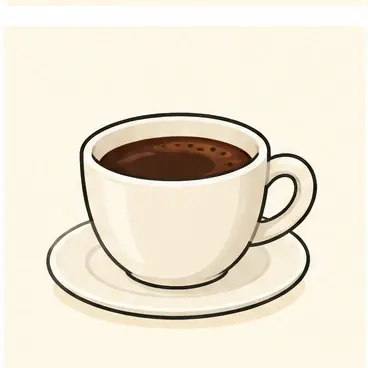
cup of coffeecup of coffee
glass of milkglass of milk
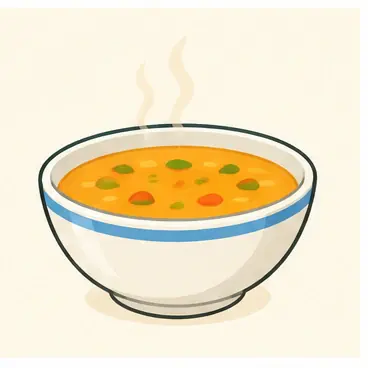
bowl of soupbowl of soup
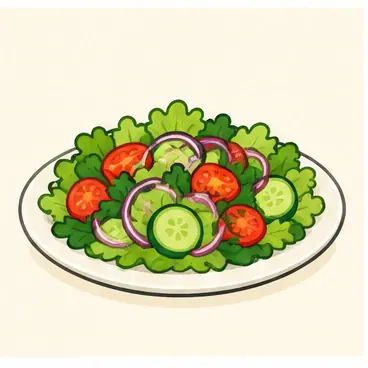
plate of saladplate of salad
What does your family usually eat?

We usually eat toast and fruit.

I rarely drink fizzy drinks.
Right now, Leo is carrying a muffin.
Today, the café is getting busy.

Conversation

Nia What does your family usually eat?

Leo We usually eat soup.

Leo Do you often eat at a café?

Nia No. We rarely eat out.

Nia What are we doing right now?

Leo We are choosing salad.

Language pattern

What does your family usually eat?

We usually eat toast and fruit.

  • I rarely drink fizzy drinks.
  • Right now, Leo is carrying a muffin.
  • Today, the café is getting busy.

More practice

Change the information

A split café scene contrasts a quiet family breakfast table used every week with the busy café right now. Nia records meal habits while Leo carries no hot items.

Nia What do you usually have for breakfast at home?

Leo I usually have toast and fruit.

Leo What are you doing right now?

Nia I am writing in my notebook.

Nia What are you carrying today?

Leo I am carrying a muffin and some juice.

What does your family usually eat?

We usually eat toast and fruit.

  • I rarely drink fizzy drinks.
  • Right now, Leo is carrying a muffin.
  • Today, the café is getting busy.

Three breakfast tables

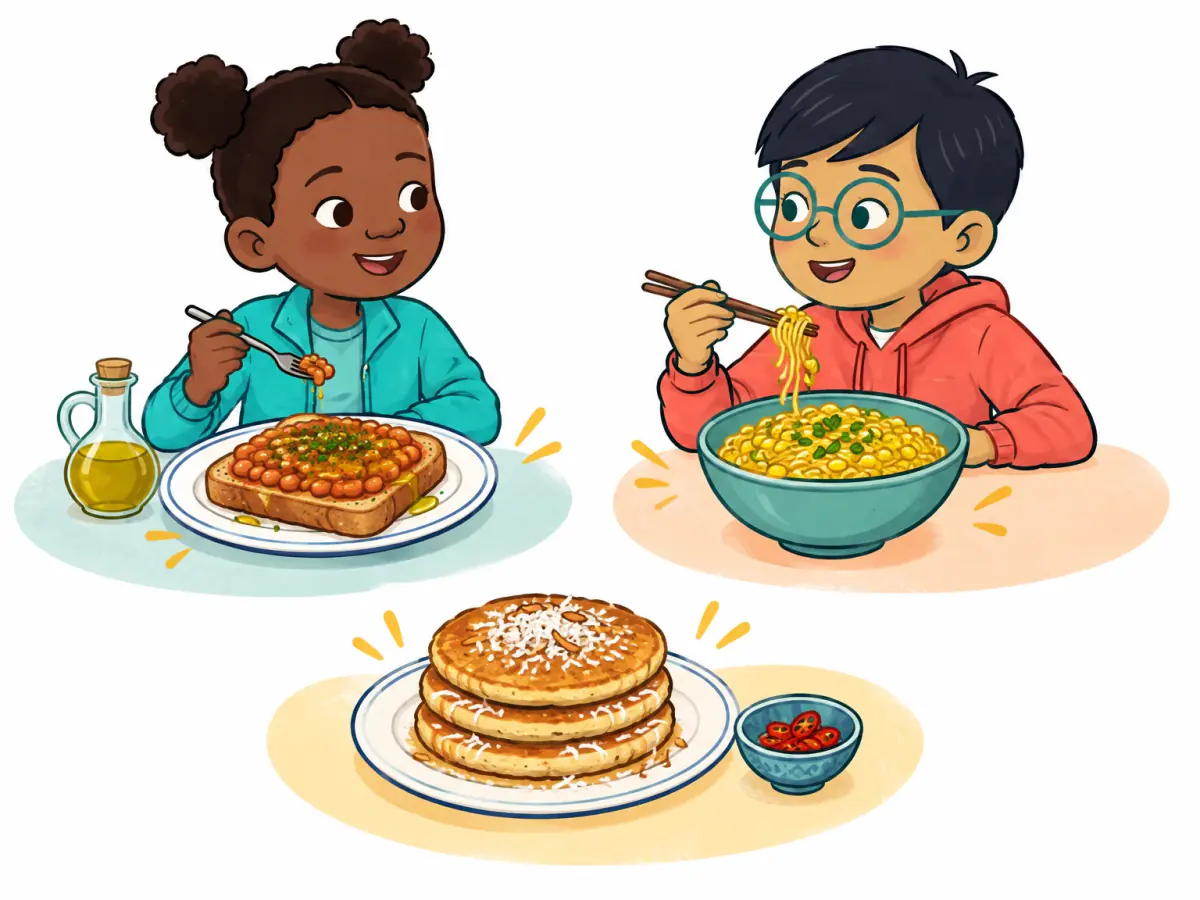
Three distinct breakfast tables show toast with beans, noodles with corn, and coconut pancakes with chilli kept separate.

THREE BREAKFAST TABLES

Families start the day in different ways. Nia's family usually shares toast with beans and a little olive oil. Leo's family often has noodles with corn, but today they are eating coconut pancakes. Their neighbours, the Silva family, rarely eat together on weekdays; one adult likes chilli, so it stays in a separate bowl. On Saturday, all three families are meeting at a neighbourhood café. A good breakfast can look different in every home.

Writer’s studio

A split café scene contrasts a quiet family breakfast table used every week with the busy café right now. Nia records meal habits while Leo carries no hot items.

Nia What will you write about?

Leo I will write about my family's breakfast.

Nia Which time words will you use?

Leo I will use usually, rarely and today.

What are your eating habits?

I usually eat bread for breakfast. I rarely drink fizzy drinks. Today, I am having fruit.

  • I rarely drink fizzy drinks.
  • Right now, Leo is carrying a muffin.
  • Today, the café is getting busy.
Learn this unit
How would you like to learn?

Habits or right now: two forms

English separates what happens again and again from what is happening now. Habits use the present simple; this moment uses am, is or are plus -ing. Many languages use one present form for both, so this is the key difference to practise. Time words are the best clue: usually, every morning and on Sundays call for the habit form; right now, at the moment and “Look!” call for -ing.

  • Habit: “My mum usually drinks tea.”
  • Today: “Today she is drinking coffee.”

Usually, often, rarely: saying how often

Teach frequency words as a line from “every time” to “not at all”, and place real family habits on it. The word goes before the main verb (“I usually eat eggs.”) but after am, is or are (“He is usually hungry at eleven.”). Rarely already means “not often”, so it never takes “don’t”: “We rarely eat out.” Eating out means eating at a café or restaurant.

  • always: every time
  • usually: most of the time
  • often: many times
  • sometimes: now and then
  • rarely: not often
  • never: not at all

Asking about habits with do and does

Habit questions use do or does: “Do you often eat at a café?” With he, she, a name or “my family”, use does and a plain verb: “What does your family usually eat?” Answers with these subjects add -s: “My brother usually eats cereal.”

Nia What does your family usually eat?

Leo We usually eat soup.

Leo Do you often eat at a café?

Nia No. We rarely eat out.

Right now and today: am, is, are + -ing

For this moment: “I am writing in my notebook.” “Today, the café is getting busy.” Watch the spelling: a silent final e drops (choose, choosing) and some short verbs double the last letter (get, getting; sit, sitting). Describing a café photo or your kitchen table is good practice: “The waiter is carrying a tray.”

Nia What are we doing right now?

Leo We are choosing salad.

Breakfast and café words

Collect the foods your family really eats: toast, beans, olive oil, noodles, corn, pancakes, coconut, chilli. At a café, children meet the menu, the customer, and the waiter or waitress in a uniform. Drinks and soup need a container: “a glass of milk”, not “a milk”. Adults often order “a coffee”, but the full phrase is always correct. Clap syllables for spelling: pan-cakes (2), co-co-nut (3).

  • a bottle of water
  • a cup of coffee
  • a glass of milk
  • a bowl of soup
  • a plate of salad
Learn this unit your way

Writing four connected sentences about breakfast

Aim for a short paragraph, not a list: a habit, a second habit with another frequency word, something your family rarely does, and what is different today. And, but, because and so join them into one text. Read the model, then let your child change every detail:

  • “On school days, my family usually eats toast and eggs.”
  • “My dad often drinks coffee, but I drink milk.”
  • “We rarely eat pancakes because they take a long time.”
  • “Today is Saturday, so we are making pancakes right now!”

Common mistakes and quick fixes

These are normal at A2. Repeat the sentence correctly and carry on.

  • “My dad usually drink coffee.”: with he, she or a name, add -s: “My dad usually drinks coffee.”
  • “I am usually eat toast.”: habits need no am, is or are: “I usually eat toast.”
  • “Right now I eat a pancake.”: use -ing for this moment: “Right now I am eating a pancake.”
  • “We don’t rarely eat out.”: rarely is already negative: “We rarely eat out.”

A breakfast reporter game at home

Give your child a small notebook as a breakfast journal. At breakfast, they interview one person with two habit questions, such as “What do you usually eat on Sundays?”, and one right-now question: “What are you eating right now?” Afterwards, they write four sentences from the answers. Swap roles the next day so your child practises answering too.

What comes next

Next, add the past: “We usually eat toast, but yesterday we ate pancakes.” Then your child can retell an event in order with past verbs like clapped and stopped.

Frequently asked questions

What is the difference between “I eat” and “I am eating”?

“I eat toast.” is a habit. “I am eating toast.” is happening now. A time word helps: every morning for the first, right now for the second.

Where does “usually” go in an English sentence?

Before the main verb: “We usually eat soup.” After am, is or are: “She is usually early.” It can also start a sentence: “Usually, we eat at seven.” At this level, keep rarely and never in the middle.

Can you say “I am having breakfast”?

Yes, when “have” means eat or drink: “We are having breakfast.” When it means own, it stays simple: “I have a cat.”, not “I am having a cat.”

Learn this unit
How would you like to learn?

What comes next?

One-to-one lessons with a live teacher

In Flalingo kids lessons, your child practises units like this one-to-one with a live teacher, through games on the same screen.

Book a free trial lesson