Skip to content
Flalingo

English practice

If sentences about sports for children (A2, ages 10–12): first and second conditional

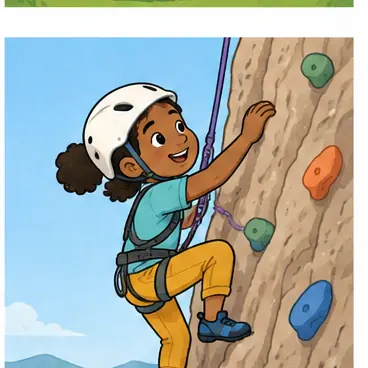
An original youth profile shows a child climbing indoors in a harness while another child plans easier routes for a younger group.

Help your child talk about sports in English and make plans with if: “If it rains, I will train indoors.” for real plans and “If I tried caving, I would go with a guide.” for imagined ones (A2, ages 10–12).

English has two common if sentences. For something that can really happen, use the present after if and will in the other half: “If it rains, I will train indoors.” For something your child is only imagining, use the past after if and would: “If I tried caving, I would go with a guide.” Children practise both with adventure sports and use them in a short sports leaflet. This A2 topic suits children of about 10–12 who already make plans with will and going to.

Who this is for

  • Parents of children who already talk about plans: your child can say “I’m going to play football on Saturday.” and “I’ll help you.”
  • Children who love sport, outdoor trips or adventure films: choosing between a safe plan and a wild idea gives them a real reason to use if.
  • Parents who want to practise at home: a weather forecast or a leaflet from a local pool is enough, and the cards and interview below have a recording of every line.
  • Too early: if your child still mixes up will and going to, start with the A2 article on future plans, linked below.
  • Too easy: if your child already uses both kinds of if sentence correctly, go to the A2 article on a festival letter with since and for, linked below.

Open the sample pages

Open the sample pages

Word cards

ice skatingice skating
skiingskiing
baseballbaseball
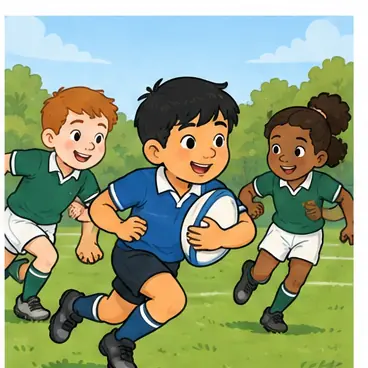
rugbyrugby
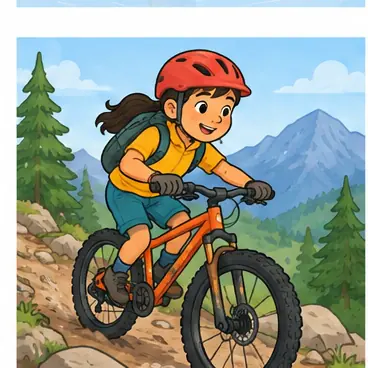
mountain bikingmountain biking
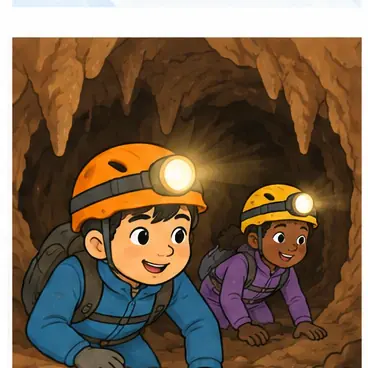
cavingcaving
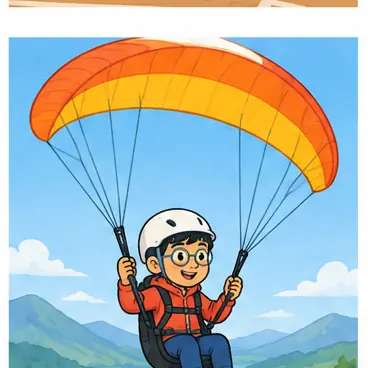
paraglidingparagliding
rock climbingrock climbing
What will you do if the weather changes?

If it rains, I will train indoors.

If I tried caving, I would go with a guide.
Would you try paragliding?
If the path is dry, we will ride.

Conversation

Nia Today’s sports profile is about Dani, a young adventure athlete. Which sport is her main focus?

Leo Dani says that she trains for rock climbing competitions.

Nia How experienced is she?

Leo She has climbed for four years and completed her first outdoor route last spring.

Nia How often does she train?

Leo She trains indoors three evenings a week, and she goes mountain biking on Sundays.

Language pattern

What will you do if the weather changes?

If it rains, I will train indoors.

  • If I tried caving, I would go with a guide.
  • Would you try paragliding?
  • If the path is dry, we will ride.

More practice

Talk with the grammar

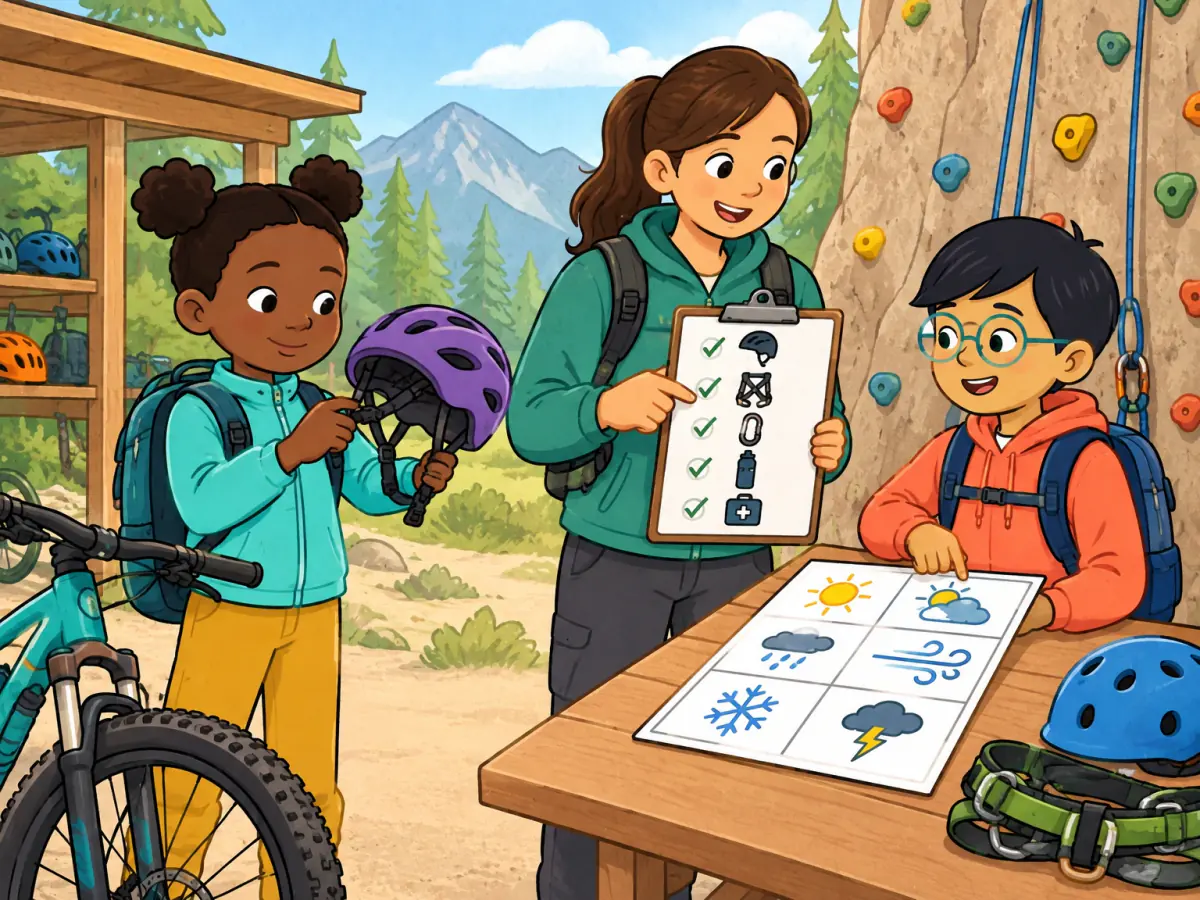
Nia checks a helmet before mountain biking while Leo studies weather symbols beside a climbing wall; an instructor holds the safety list.

Leo What will you do if the weather changes?

Nia If it rains, I will train indoors.

Nia Would you try paragliding?

Leo I would try it with an experienced instructor.

Leo What if the path is dry?

Nia We will go mountain biking.

What will you do if the weather changes?

If it rains, I will train indoors.

  • If I tried caving, I would go with a guide.
  • Would you try paragliding?
  • If the path is dry, we will ride.

A route for everyone

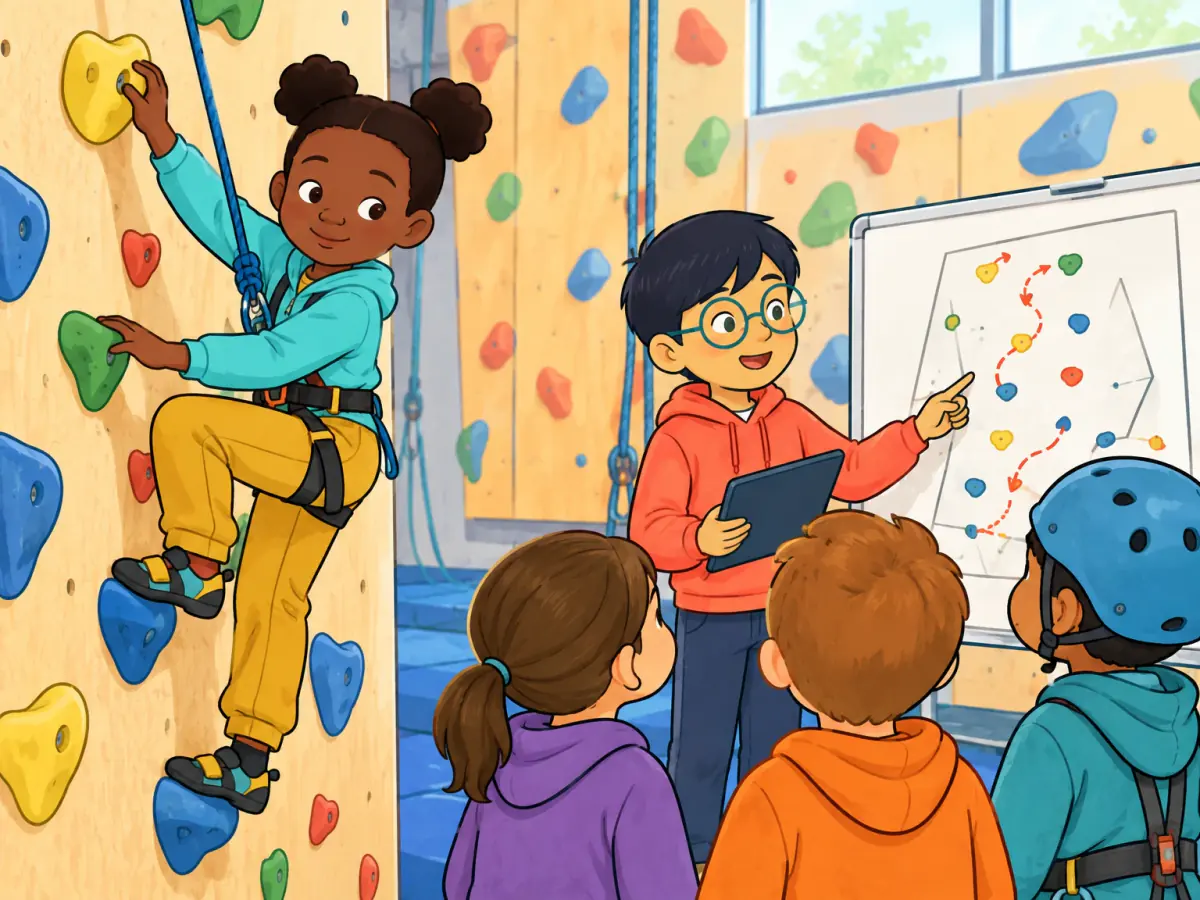
An original youth profile shows Nia climbing indoors in a harness while Leo plans easier routes for a younger group.

A ROUTE FOR EVERYONE

Nia trains on an indoor climbing wall twice a week. She studies each route before she moves and uses a harness checked by her coach. Her friend Leo designs lower starts for younger climbers. If a hold is too far away, he tests another safe route. Nia says that courage is not ignoring danger. It is making an honest plan, listening to advice and trying again.

Writer's studio

An original youth profile shows Nia climbing indoors in a harness while Leo plans easier routes for a younger group.

Nia Who will read your text?

Leo Visitors to the Ridge Centre will read it.

What should visitors know?

TRY THE RIDGE CENTRE Choose climbing, biking or skating. If you are new, an experienced coach will help you. Bring comfortable clothes and follow every safety rule. Ask a coach to help you choose your activity and equipment.

  • If I tried caving, I would go with a guide.
  • Would you try paragliding?
  • If the path is dry, we will ride.
Learn this unit
How would you like to learn?

Eight sports and the verbs that go with them

Most children know some of these sports already; the useful new step is the verb in front. Caving means exploring caves under the ground, and paragliding means flying from a hill under a fabric wing. Ask your child to sort the eight into two groups:

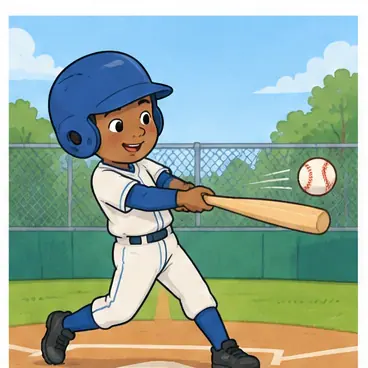
  • play + ball and team games: “play baseball”, “play rugby”
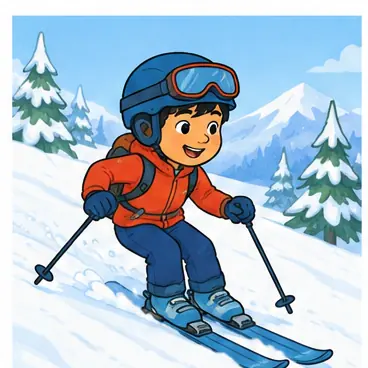
  • go + activities ending in -ing: “go skiing”, “go ice skating”, “go mountain biking”, “go caving”, “go paragliding”, “go rock climbing”

How long and how often: describing an athlete

A sports profile uses three tenses. A routine takes the present simple: “She trains three evenings a week.” Something still going on takes the present perfect with for: “She has climbed for four years.” A finished time such as “last spring” takes the past simple. In this interview about a young climber, ask your child which tense each answer uses.

Nia How experienced is she?

Leo She has climbed for four years and completed her first outdoor route last spring.

Nia How often does she train?

Leo She trains indoors three evenings a week, and she goes mountain biking on Sundays.

Real plans: if + present, then will

Use this for something that may really happen. The if half uses the present, even though it is about the future: “What will you do if the weather changes?” “If it rains, I will train indoors.” The halves can swap: “I will train indoors if it rains.” Use a comma only when if comes first.

  • If the path is dry, we will ride.

Imagined choices: if + past, then would

For an imagined situation, use the past after if and would in the other half: “If I tried caving, I would go with a guide.” Tried does not mean yesterday here; the past form marks an imagined plan. Compare “If we go skiing this winter, I will take lessons.” (a possible trip) with “If I went skiing, I would take lessons first.” (just imagining). Discuss these questions and ask for a reason every time.

  • Would you try paragliding? Why or why not?
  • If you went caving, what would you take?

Opposites with dis- and in-

Many English opposites are made with a prefix, and no simple rule says which one, so learn each pair together: “An inexperienced climber should go with an experienced coach.” Avoid “unhonest” and “uncorrect”.

  • honest – dishonest
  • like – dislike
  • obey – disobey
  • correct – incorrect
  • experienced – inexperienced
  • sensitive – insensitive
Learn this unit your way

From a concept map to a visitor leaflet

A concept map puts the place in the middle with three branches: what visitors can do, who helps them, and what they must bring. Each branch becomes a sentence or two, often an instruction such as “Choose…” or “Bring…”. Check that no branch is lost; the help branch is easy to forget. An example for an imaginary park:

  • TRY THE RIVERSIDE BIKE PARK
  • Choose the easy track or the hill track.
  • If you are new, a coach will help you.
  • Bring a helmet, gloves and water.
  • If it rains, the hill track will close.

A home game: plan A and plan B

Check tomorrow’s weather forecast together. Your child makes two real plans: “If it is sunny, we will ride to the park. If it rains, we will play table tennis.” Then name a sport and ask “Would you try it?”; your child answers with would and a reason. On another day, draw a concept map for a pool or park you know and write a four-sentence leaflet.

Common mistakes and quick fixes

Repeat the sentence back correctly and keep talking.

  • “If it will rain…”: no will after if: “If it rains, I will stay inside.”
  • “If I would try caving…”: would goes in one half only: “If I tried caving, I would…”
  • “She climbs for four years.”: still going on: “She has climbed for four years.”
  • “She has finished the route last spring.”: a finished time takes the past simple: “She finished the route last spring.”
  • “play skiing”, “play caving”: “go skiing”, “go caving”.

What comes next

Next, your child can describe experiences with have and has, plus since, for, just and already: “We have been here since six.” Later, would also gives advice: “If I were you, I would wear a helmet.”

Frequently asked questions

What is the difference between the first and second conditional?

The first, with will, is for real possibilities: “If it rains, I will train indoors.” The second, with would, is for imagined ones: “If I tried caving, I would go with a guide.”

Why is it “if it rains” and not “if it will rain”?

In if sentences about the future, the if half takes the present and will goes in the result: “If it rains, we will stay indoors.”

Is it “play skiing” or “go skiing”?

“Go skiing”. Use play for ball and team games, and go with most activities ending in -ing: “go caving”.

Learn this unit
How would you like to learn?

What comes next?

One-to-one lessons with a live teacher

In Flalingo kids lessons, your child practises units like this one-to-one with a live teacher, through games on the same screen.

Book a free trial lesson