

 amazing
 awful
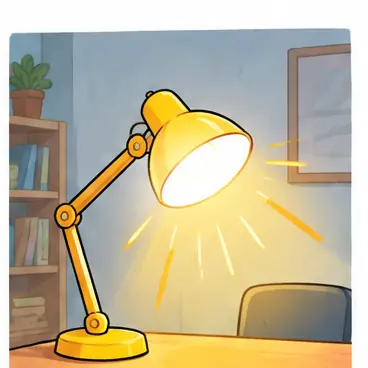 bright
 delicious
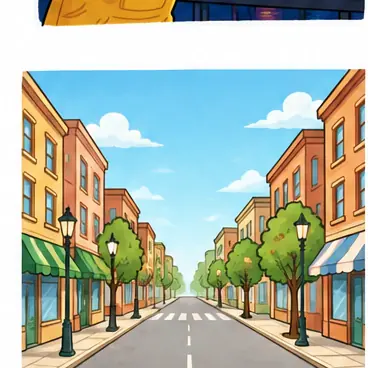 deserted
 disgusting
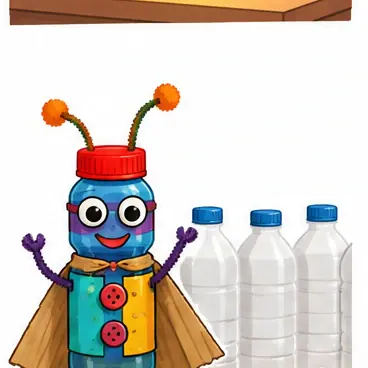 original
 traditional
Eight words to describe a festival
A festival letter needs better words than “nice”, such as the eight below. Two need care: deserted means empty, with nobody there, not sandy like a desert; original means new and different, as in “an original idea”. With strong words like amazing, awful and disgusting, say “really” or “absolutely”, not “very”.
- Good: amazing; delicious (for food)
- Bad: awful; disgusting
- What you can see: bright (strong light or colour); deserted (no people)
- Old or new: traditional (done the same way for years); original
How long? for and since
When something started in the past and is still going on, English uses the present perfect: have or has + past participle. For goes with a length of time; since goes with the starting point. A quick test: if the answer fits “How long?”, use for; if it fits “Since when?”, use since.
- for two hours, for three days, for ages
- since six, since Monday, since breakfast
Nia I am interviewing Leo at the Lantern Food Walk. How long have you been here?
Leo I have been here for two hours, since six.
Fresh news or a finished time?
For fresh news without a time, use the present perfect with just (a moment ago), already (by now) or yet (at the end of questions and negatives): “Have you tried the soup yet?” Once your child says when, switch to the past simple: “I visited this town last year.” Compare:
- News, no time given: “I have tried the soup.”
- A finished time: “I tried the soup at seven.”
- Still going on: “We have been here since six.”
Nia What have you already seen?
Leo I have already seen the lantern boats, and I have just heard the drums.
A first time: had never… before
“I had never tried the bean soup before today.” means today was the first time. Had + past participle (the past perfect) looks back from a past moment to everything before it. “I have never tried bean soup.” is different: that speaker still has not tried it. Use had never… before to say what was new at an event:
- “I had never seen a lantern boat before tonight.”
- “Had you ever been to a night market before?”
Describing words that end in -ous
Many English adjectives are a noun plus -ous, and the ones here follow three spelling patterns. Adventurous describes someone who likes new and exciting things.
- Add -ous: danger → dangerous, poison → poisonous, hazard → hazardous
- Drop the e: fame → famous, adventure → adventurous
- Change y to i: fury → furious (very, very angry)
Writing a friendly letter about a festival
A friendly letter has four parts: a greeting, the news, an invitation and a closing. First, your child plans three pieces of news: how long, what they have already done, and one finished moment. Here is a model about an imaginary festival:
“Dear Sam, We have been at the river festival since six. I have already seen the lantern boats, and I have just tried the bean soup. I had never tasted it before today. It was delicious! Would you like to come with us next year? Love, Ada”
A home game: festival reporter
At your next market, fair or family party, your child is the reporter. They ask you “How long have you been here?”, “What have you already seen?” and “Have you been here before?” You answer with for or since, just or already; then swap roles. At home, your child turns the answers into a five-sentence letter to a cousin. Check only for and since.
Common mistakes and quick fixes
These are normal at A2. Repeat the sentence correctly and keep talking.
- “I am here since six.”: it is still going on, so “I have been here since six.”
- “since two hours”: a length of time takes for: “for two hours”.
- “I have visited it last year.”: a finished time takes the past simple: “I visited it last year.”
- “I have seen already the boats.”: “I have already seen the boats.”
What comes next
Next, your child can explain a process step by step with first, next and finally. The present perfect keeps coming back, for example with ever for life experiences: “Have you ever tried sushi?”