
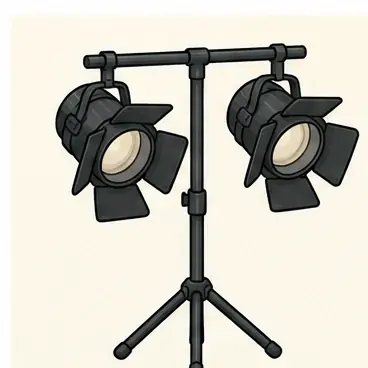
 lights
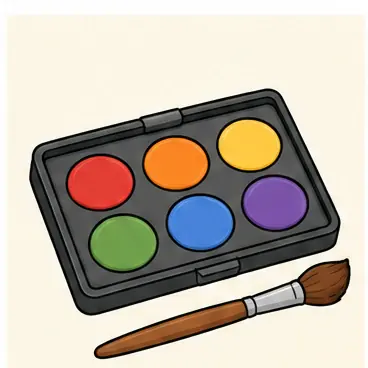 make-up
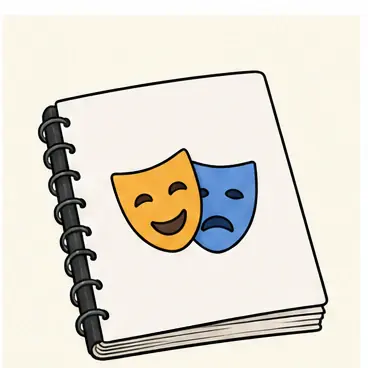 script
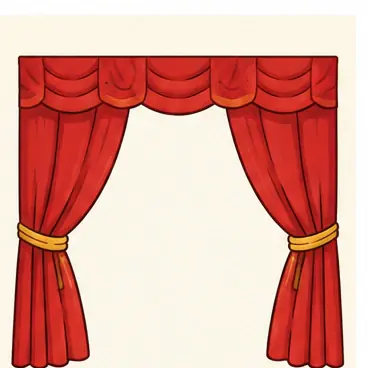 curtain
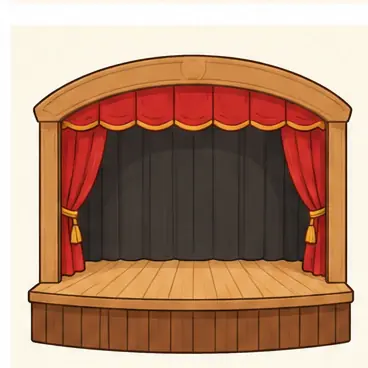 stage
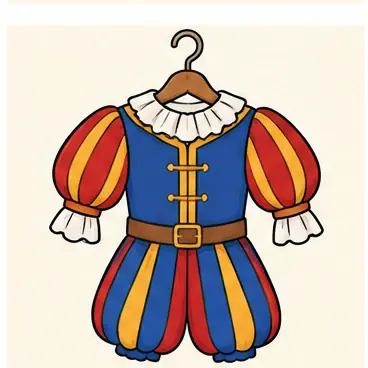 costume
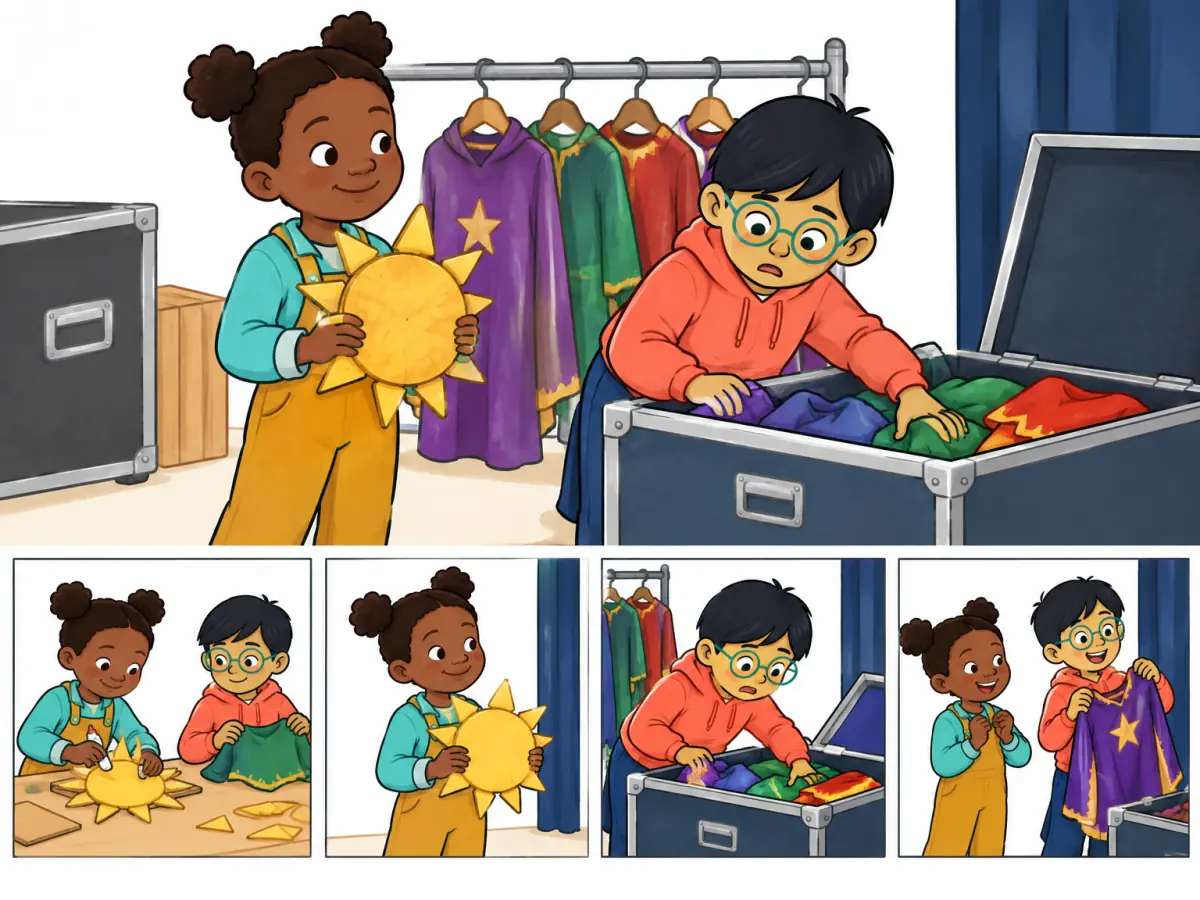
Show words for getting ready
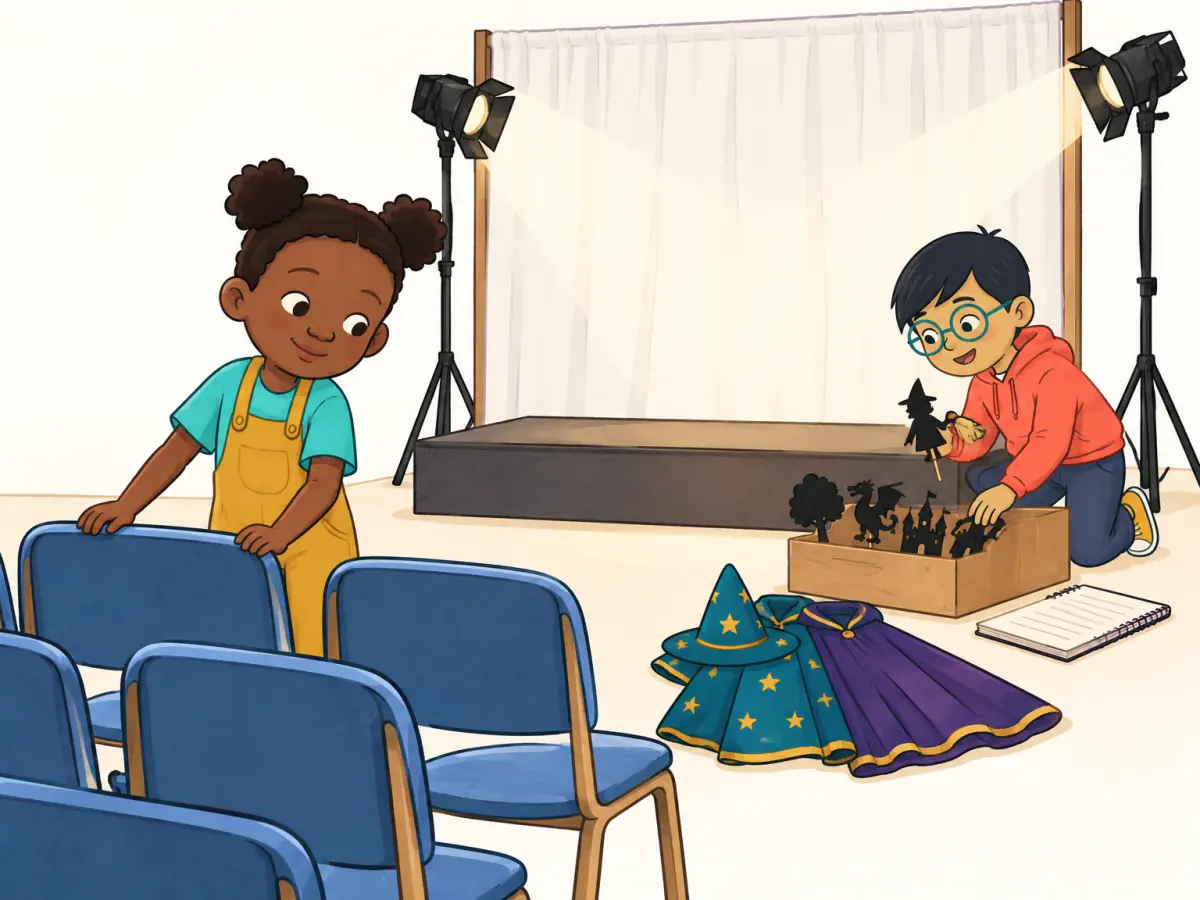
Getting a show ready is a natural place for this grammar, because everyone keeps checking what is done. Two words usually need explaining: a character is a person or creature in a story or play, and the audience is the people watching. One spelling trap: the gh in “lights” is silent, as in “night”.
- stage – where the actors perform
- curtain – the cloth in front of the stage
- script – the written lines of the play
- costume, make-up – what actors wear
The present perfect: have or has + past participle
The present perfect links a past action to now: “We have tested the lights.” means the test is over and the lights are ready now. Regular verbs add -ed: finished, tested. Irregular verbs have their own form, not always the same as the past simple: write, wrote, written.
Questions put have or has before the subject: “Have you found the costume?” Negatives are usually short: “I haven’t found it.”
- I, you, we, they: “We have tested the lights.”
- he, she, it: “She has found the costume.”
Just, already, yet and never
“Just” and “already” go between have and the past participle. “Just” means a very short time ago: “We have just tested the lights.” “Already” means done, often sooner than expected: “I have already checked the ending.”
“Yet” is for questions and negatives and goes at the very end: “No, I have not found it yet.” The short answer “Not yet.” is very natural. “Never” means not at any time up to now: “I have never performed this part before.”
Nia Have you found the costume?
Leo No, I have not found it yet.
Leo What have we just tested?
Nia We have just tested the lights.
Present perfect or past simple?
This is the key choice. If you say or ask when something happened (yesterday, ten minutes ago, last year), use the past simple, and “When…?” questions do too. If no time is given and the result matters now, use the present perfect.
Real answers mix the two. Below, the answer tells finished steps in the past simple, then the newest news with “have just”.
- “I have checked the costume box.”: no time given
- “I checked it ten minutes ago.”: a finished time
Leo Have you finished the script yet?
Nia Yes. First I finished it yesterday. Then I checked the ending, and we have just tested the lights.
Writing a short play scene
The same language suits a short play about something that goes missing before a show. List the characters, name the scene, then write each speaker’s name with a colon. Stage directions go in brackets, in the present simple. A model your child can change:
“CHARACTERS: Fox, Child, Narrator. SCENE: Behind the theatre curtain. (Child lifts a silver string.) FOX: I have just found the moon puppet. CHILD: The audience is waiting! NARRATOR: The light returns and the scene ends.”
- Plan: what is missing, where people look, where it is
- Check: one “just”, one “already” or “yet”, a clear ending, then perform it together
Common mistakes and quick fixes
These are normal at A2. Say the sentence back correctly and carry on.
- “I have finished it yesterday.”: a finished time needs the past simple: “I finished it yesterday.”
- “I have already finish.”: use the past participle: “I have already finished.”
- “Have you yet finished?”: “yet” goes at the end: “Have you finished yet?”
- “I have found it yet.”: positive sentences use “already”: “I have already found it.”
A home game: the backstage checklist
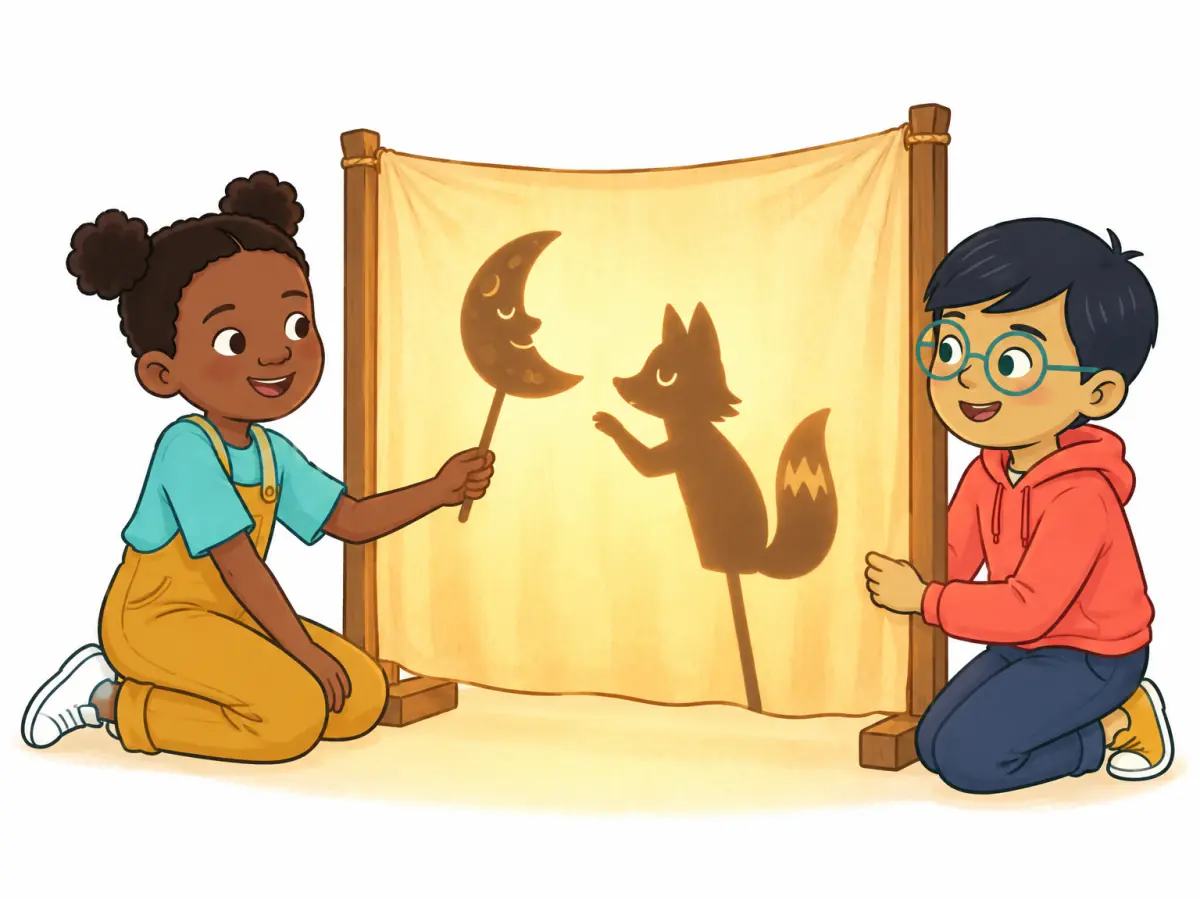
Before a real event, such as a school trip, write six jobs on a list. Ask: “Have you packed your water bottle yet?” Your child answers “Yes, I have already packed it.”, “Not yet.” or “I have just done it!” Then swap roles. In round two, ask “When did you do it?” to bring in the past simple. For a bigger version, put on a shadow puppet show with a torch and a sheet.
What comes next
Next, your child can describe problems and fixes with too and enough: “The costume is too big.” “The string is not long enough.” That leads to a short story about a costume that goes wrong.