Skip to content
Flalingo

English practice

Too and enough for children (A2, ages 9–12): compare materials and write a costume repair story

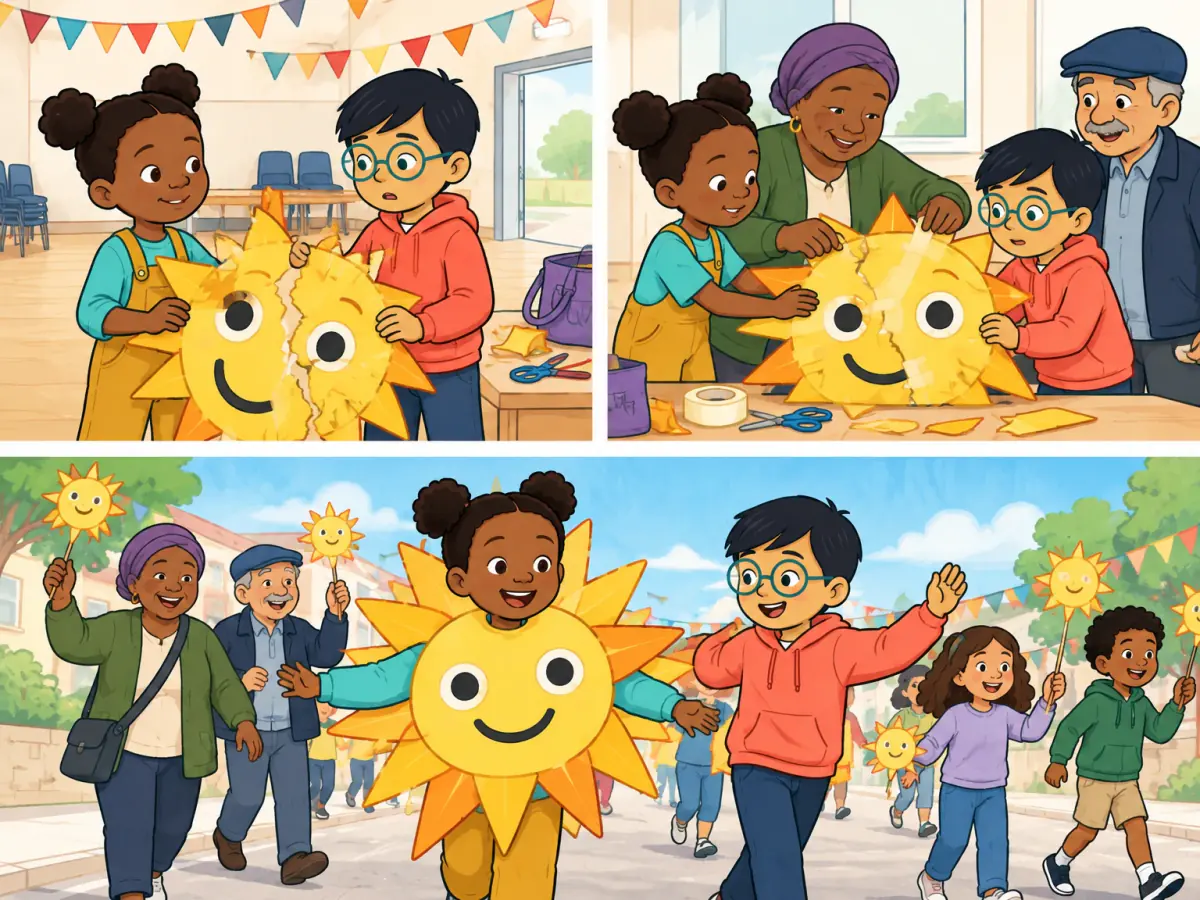
A three-part picture story: in a community hall, two children find the paper sun costume torn across its face; two neighbours help them tape it and add gold paper; one of the children wears the repaired sun in the bright parade.

Help your 9–12-year-old use too, enough and as … as in English at A2: compare costume materials, then write a short story in which a cape that is too long becomes short enough to wear.

To say that something is wrong for a job, English puts “too” before the adjective: “The sack is too rough.” To say that it works, “enough” goes after it: “It is light enough to wear.” To compare, “as … as” means equal and “not as … as” means less: “The cloth is not as bright as the lampshade.” This A2 topic suits children of about 9–12 who already use “softer than” and “the brightest”. It ends with a short costume repair story.

Who this is for

  • Parents of children who already compare things: your child can say “The dog is bigger than the cat.” and “the tallest in my class”.
  • Children who like dressing up, making things or fixing them: costumes and props give “too” and “enough” a real job.
  • Parents who want to practise at home: a few household objects are all you need, and the cards on this page play each word and sentence.
  • Too early: if your child does not use “bigger than” and “the biggest” yet, practise those comparisons first with toys or family members.
  • Too easy: if your child already writes “The box was too heavy, so we used a lighter one.” without help, go to linking words in a short text (linked below).

Open the sample pages

Open the sample pages

Word cards

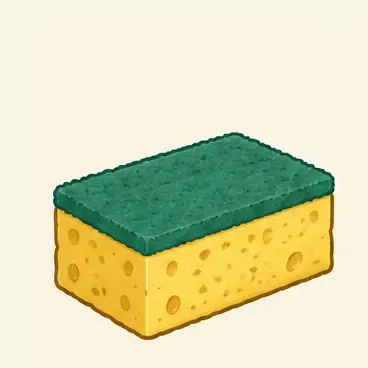
spongesponge
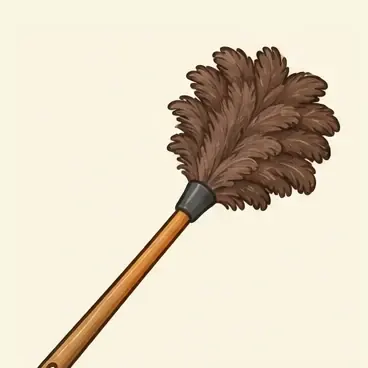
feather dusterfeather duster
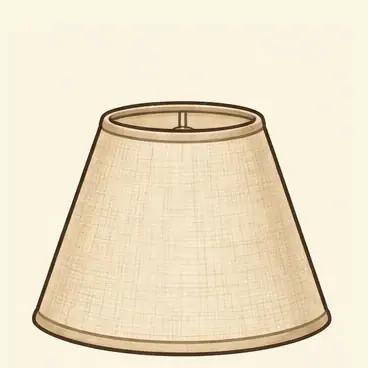
lampshadelampshade
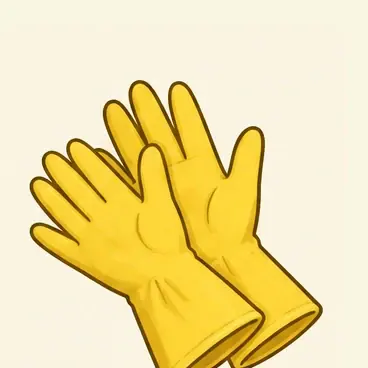
rubber glovesrubber gloves
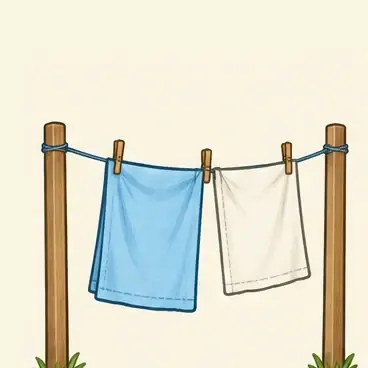
washing linewashing line
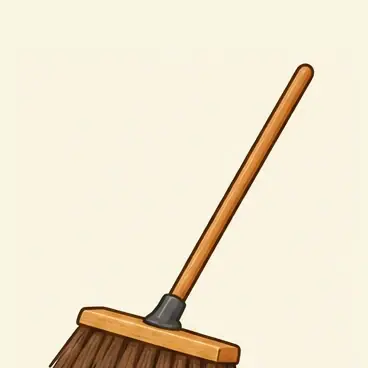
broombroom
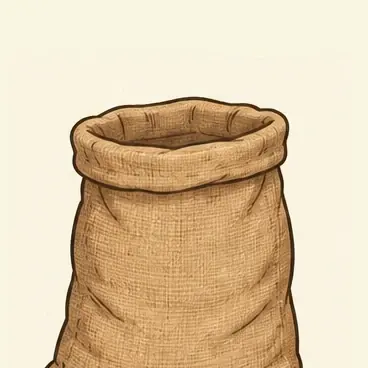
sacksack
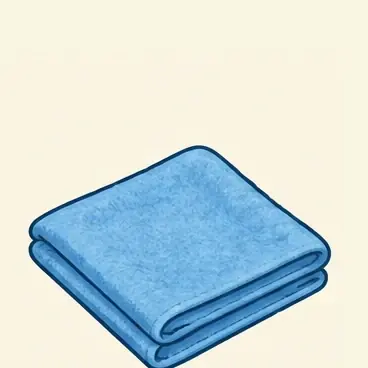
clothcloth
Is the cloth as bright as the lampshade?

Study how this model connects form with meaning.

No. It is not as bright, but it is light enough to wear.

Study how this model connects form with meaning.

The sack is too rough.

Study how this model connects form with meaning.

The sponge is as soft as the cloth.

Study how this model connects form with meaning.

The feather duster is softer than the broom.

A comparative compares two things.

The lampshade is the brightest item on the table.

A superlative compares one thing with the whole group.

Conversation

Nia What do you think will happen to the costume?

Leo I predict that the bright cloth will become a cape.

Nia Then Mara cuts the cloth and Amir ties the rope.

Leo Jo paints the lampshade, and Suri uses the sponge to add stars.

Nia Was your prediction correct?

Leo Yes. The cloth becomes a cape for the final scene.

Language pattern

Is the cloth as bright as the lampshade?

No. It is not as bright, but it is light enough to wear.

  • The sack is too rough.
  • The sponge is as soft as the cloth.

More practice

Use the contrast

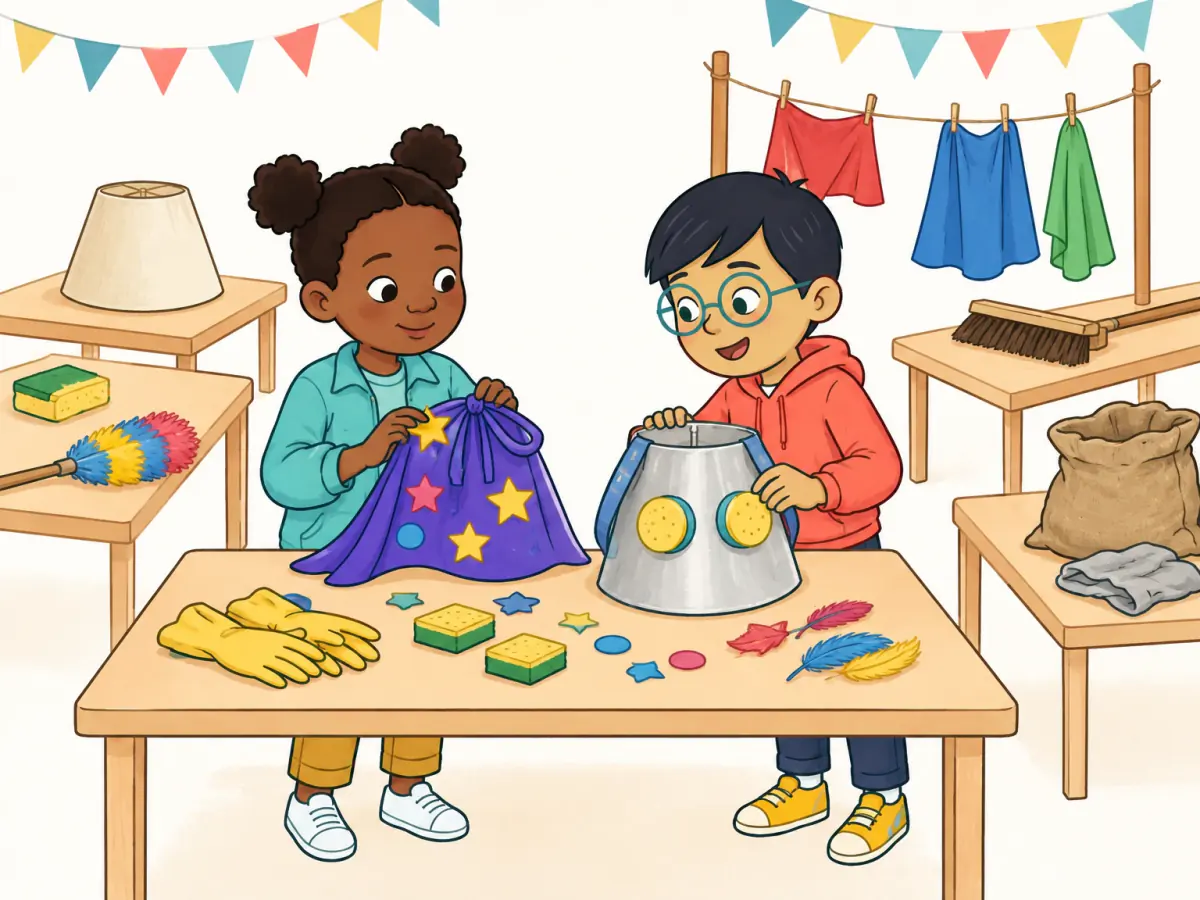
At a costume-repair party, a sponge, feather duster, lampshade, rubber gloves, washing line, broom, sack and cloth are arranged on separate tables. Nia and Leo design costumes without wearing unsafe household equipment.

Nia Is the cloth as bright as the lampshade?

Leo No. It is not as bright, but it is light enough to wear.

Leo Can we use the sack?

Nia No. It is too rough.

Nia Is the sponge soft enough?

Leo Yes. It is as soft as the cloth.

Is the cloth as bright as the lampshade?

No. It is not as bright, but it is light enough to wear.

  • The sack is too rough.
  • The sponge is as soft as the cloth.

The sun that tore

A three-part picture story: in a community hall, Nia and Leo find the paper sun costume torn across its face; two neighbours help them tape it and add gold paper; Nia wears the repaired sun in the bright parade.

THE SUN THAT TORE

On parade morning, the paper sun costume tore right across its smiling face. Nia feared that the opening scene was ruined. Leo found some clear tape, but it was not as bright as the paper. Two neighbours added thin strips of gold paper. The repair was strong enough and light enough to carry. When the parade began, the patched sun caught the light. The accident became the costume’s best detail.

Plan aloud

A three-part picture story: in a community hall, Nia and Leo find the paper sun costume torn across its face; two neighbours help them tape it and add gold paper; Nia wears the repaired sun in the bright parade.

Nia How will your party story end?

Leo The dancers will enter together, and the audience will cheer.

Leo What is the problem in your story?

Nia The silver cape is too long.

How will your party story end?

The music started, but the silver cape was too long. The two friends folded it and fixed it with cloth tape. It was short enough to wear safely. The dancers entered together, and the audience cheered.

  • problem
  • repair action
  • too/enough
  • resolved ending

Draft and revise

A three-part picture story: in a community hall, Nia and Leo find the paper sun costume torn across its face; two neighbours help them tape it and add gold paper; Nia wears the repaired sun in the bright parade.

Nia Who will read your text?

Leo Younger readers at our library will read my story.

Leo What will you check?

Nia I will check my spelling and punctuation.

How will your party story end?

The music started, but the silver cape was too long. The two friends folded it and fixed it with cloth tape. It was short enough to wear safely. The dancers entered together, and the audience cheered.

  • problem
  • repair action
  • too/enough
  • resolved ending
Learn this unit
How would you like to learn?

Household words and describing words

Picture a costume party where everything comes from the cupboard: a sponge prints stars, a piece of cloth becomes a cape. Note that “cloth” is material; what we wear is “clothes”.

For comparing, add opposite pairs: soft and rough, light and heavy, bright and dark, long and short.

  • sponge – soft, with holes, for washing
  • feather duster – feathers on a stick
  • lampshade – the cover over a lamp
  • rubber gloves – for washing up
  • washing line – where wet clothes dry
  • broom – a long brush for the floor
  • sack – a big, rough bag
  • cloth – material for clothes or a cape

Too and enough: is it right for the job?

“Too” means more than is good for a purpose, so there is a problem: “The sack is too rough.” “Enough” means as much as we need, so it works: “It is light enough.” With “not”, it shows what is missing: “The string is not long enough.”

“Too” comes before the adjective, “enough” after it. Add “to” and a verb to name the purpose: “too heavy to carry”, “light enough to wear”.

  • “The cape is too long.”: a problem
  • “It is short enough to wear safely.”: problem solved

As … as, -er than and the -est

“As … as” says two things are equal: “The sponge is as soft as the cloth.” “Not as … as” says the first has less. Your child probably knows “-er than” for two things (“The feather duster is softer than the broom.”) and “the -est” for one in a group (“The lampshade is the brightest item on the table.”).

The key pattern joins a comparison and a decision with “but”: “Is the cloth as bright as the lampshade?” “No. It is not as bright, but it is light enough to wear.” The cloth loses the comparison but still gets the job.

Predict, listen and check

Before listening, ask “What do you think will happen to the costume?” and let your child answer with “I predict that… will…”. Then play the conversation, ask “Who ties the rope?” and replay to check.

The prediction uses “will” because it is about the future; the steps use the present simple (“cuts”, “ties”), as in a story summary.

Nia What do you think will happen to the costume?

Leo I predict that the bright cloth will become a cape.

Nia Then Mara cuts the cloth and Amir ties the rope.

Leo Jo paints the lampshade, and Suri uses the sponge to add stars.

Nia Was your prediction correct?

Leo Yes. The cloth becomes a cape for the final scene.

Learn this unit your way

Writing a costume repair story

A repair story has four parts: a start, a problem with “too” or “not … enough”, a repair, and an ending with “enough”. Write it for a real reader, such as a younger cousin.

A model to change: “The music started, but the silver cape was too long. The two friends folded it and fixed it with cloth tape. It was short enough to wear safely. The dancers entered together, and the audience cheered.”

  • Plan: the costume, the problem, the fix
  • Write: four past simple sentences with “too” and “enough”
  • Check: one comparison, capital letters, full stops

Common mistakes and quick fixes

These are normal at A2: repeat the sentence correctly and carry on.

  • “It is enough light.”: “enough” follows an adjective: “It is light enough.”
  • “The cape is too much long.”: no “much”: “The cape is too long.”
  • “Your costume is too beautiful!”: with no problem, use “really”: “Your costume is really beautiful!”
  • “too heavy for carry”: before a verb, use “to”: “too heavy to carry”.
  • “as bright than”: say “as bright as” or “brighter than”.

A home game: the costume challenge

Collect a few safe things, such as a scarf, a tea towel, a paper bag and a box, and choose a costume, such as a superhero cape. Your child holds up each thing and decides: “The tea towel is too small.” “The scarf is long enough.” You ask: “Is the bag as strong as the box?”

Then swap roles and predict: “What do you think will happen to the box?” “I predict that it will become a robot head.”

What comes next

When too and enough feel easy, your child can join ideas with linking words: “The cape was too long, so we folded it.” That leads to short information texts that explain reasons and results.

Frequently asked questions

What is the difference between “too” and “very”?

“Very” only makes a word stronger: “The box is very heavy, but I can carry it.” “Too” means there is a problem: “The box is too heavy. I can’t carry it.”

Does “enough” go before or after the word?

After an adjective and before a noun: “The coat is warm enough.” “We haven’t got enough coats.”

Is “not as bright as” the same as “less bright than”?

Almost. “Not as … as” sounds more natural in everyday English, so learn it first.

Learn this unit
How would you like to learn?

What comes next?

One-to-one lessons with a live teacher

In Flalingo kids lessons, your child practises units like this one-to-one with a live teacher, through games on the same screen.

Book a free trial lesson