Skip to content
Flalingo

English practice

Talking about hobbies in English for children (A1): “I like taking photos” and a first penfriend email

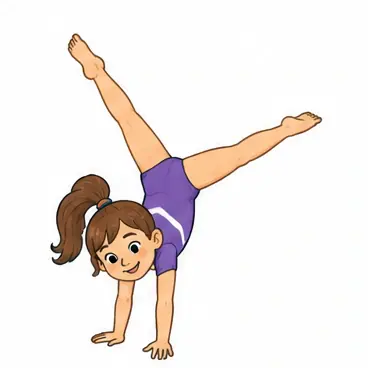
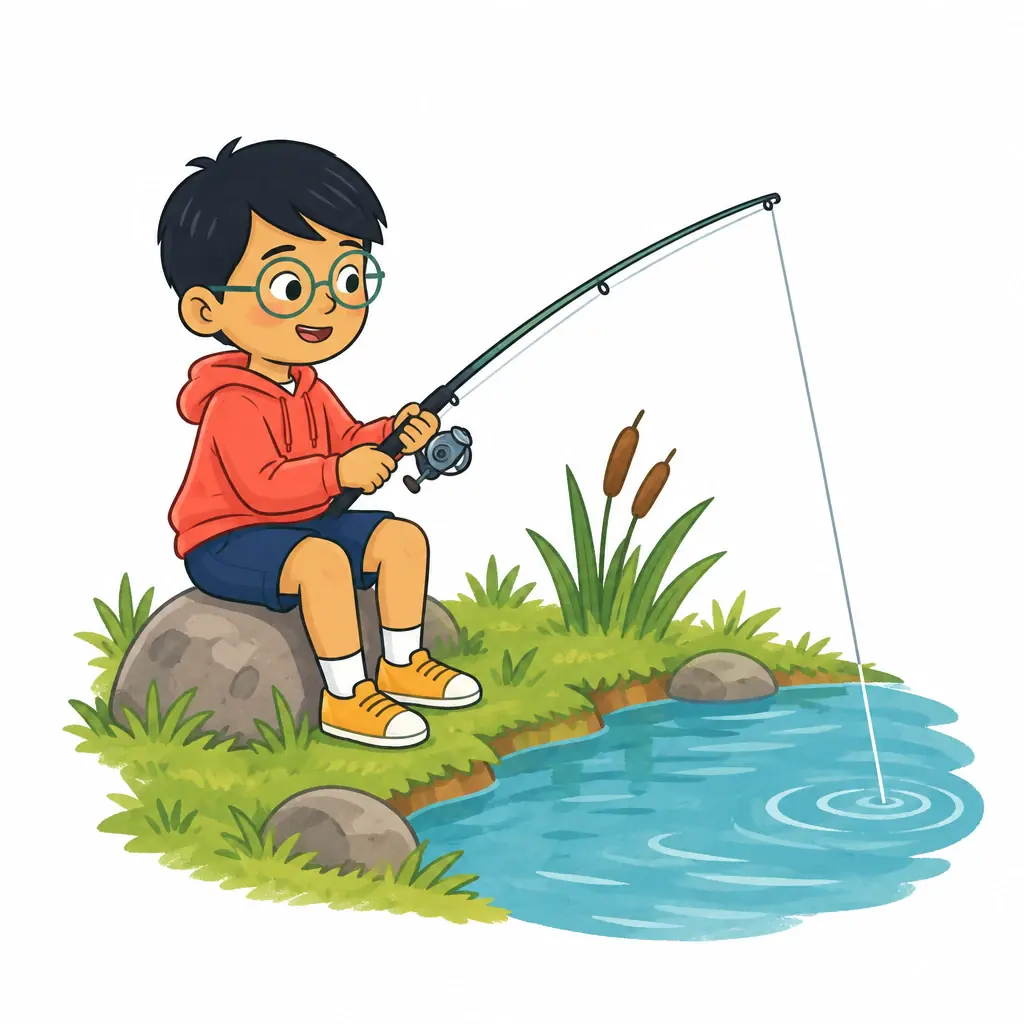
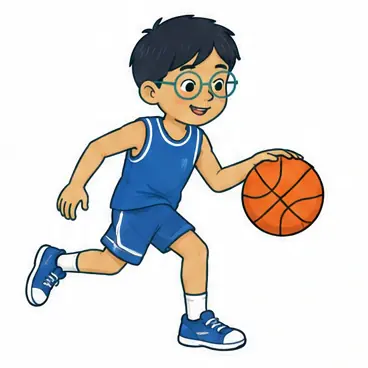
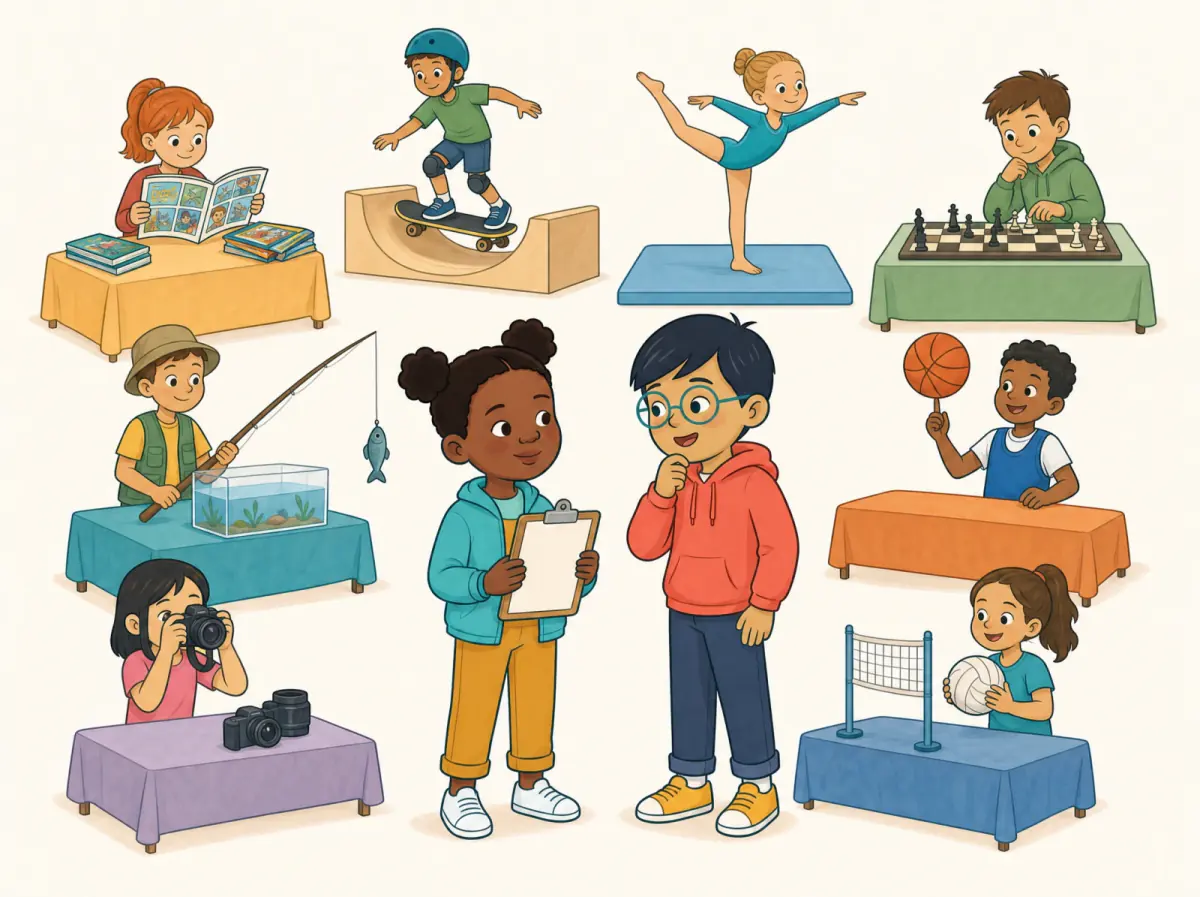
At a library hobby fair, eight clear stations show reading comics, skateboarding, gymnastics, chess, fishing, basketball, photography and volleyball. A child holds a safe activity-choice clipboard without writing.

Help your child talk about weekend hobbies in English (A1, ages 7–10), from “I like playing chess.” and “Does she like fishing?” to a short penfriend email with I’m, I’ve got and I don’t.

To talk about hobbies in English, children say “I like” plus a verb with -ing: “I like taking photos.” “I don’t like fishing.” To ask a friend: “Do you like reading comics?” “Yes, I do.” About someone else: “Does she like fishing?” “No, she doesn’t.” This is an A1 topic for children of about 7–10 who can already say a few sentences about themselves. By the end, your child can find a shared hobby and write a short email to a penfriend.

Who this is for

  • Parents of children who can already say a few things about themselves, such as “I’m nine.” and “I’m from Spain.”
  • Families whose child has a friend abroad, a pen pal or a new classmate: hobbies are usually the first thing children ask each other about.
  • Parents who want to practise at home: paper, a pencil and a few hobby pictures are enough, and the cards and the conversation below have a recording of every word.
  • Too early: if your child can’t yet ask “Where are you from?” or say where they are from, start with the A1 article on countries, linked below.
  • Too easy: if your child already writes “I like taking photos, but I don’t like fishing.” without help, go to the A1 article on collections and asking to borrow things, linked below.

Open the sample pages

Open the sample pages

Word cards

read comicsread comics
skateboardskateboard
do gymnasticsdo gymnastics
play chessplay chess
fishfish
play basketballplay basketball
take photostake photos
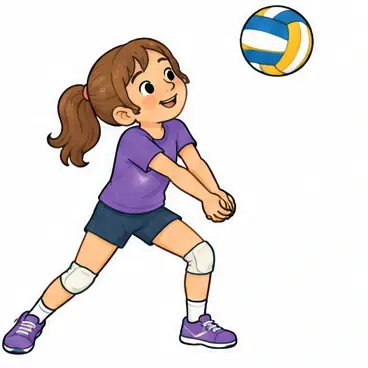
play volleyballplay volleyball
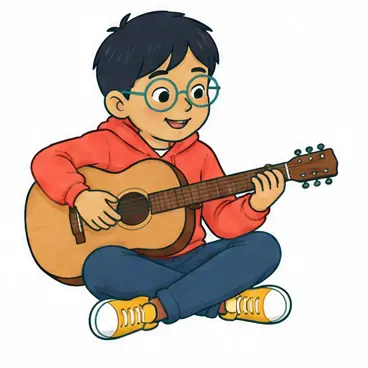
play the guitarplay the guitar
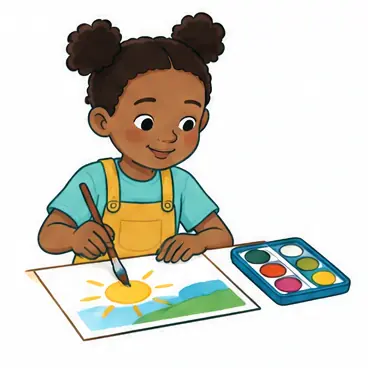
paint picturespaint pictures
go shoppinggo shopping
cookcook
visit familyvisit family
play the pianoplay the piano
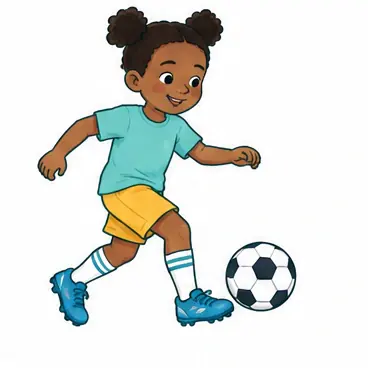
play footballplay football
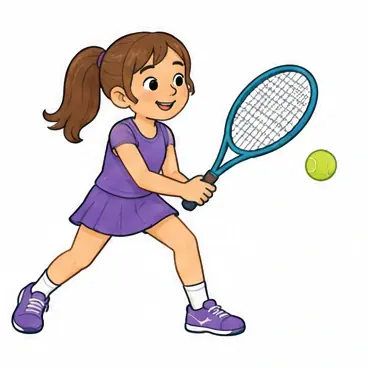
play tennisplay tennis

Conversation

Nia What do you like doing at the weekend?

Leo I like playing chess and taking photos.

Leo Does Mina like fishing?

Nia No, she doesn’t. She likes doing gymnastics.

Nia Do you like reading comics?

Leo Yes, I do.

Language pattern

Do you like reading comics?

Yes, I do.

  • I like taking photos.
  • I don’t like fishing.
  • Does she like doing gymnastics? Yes, she does.

More practice

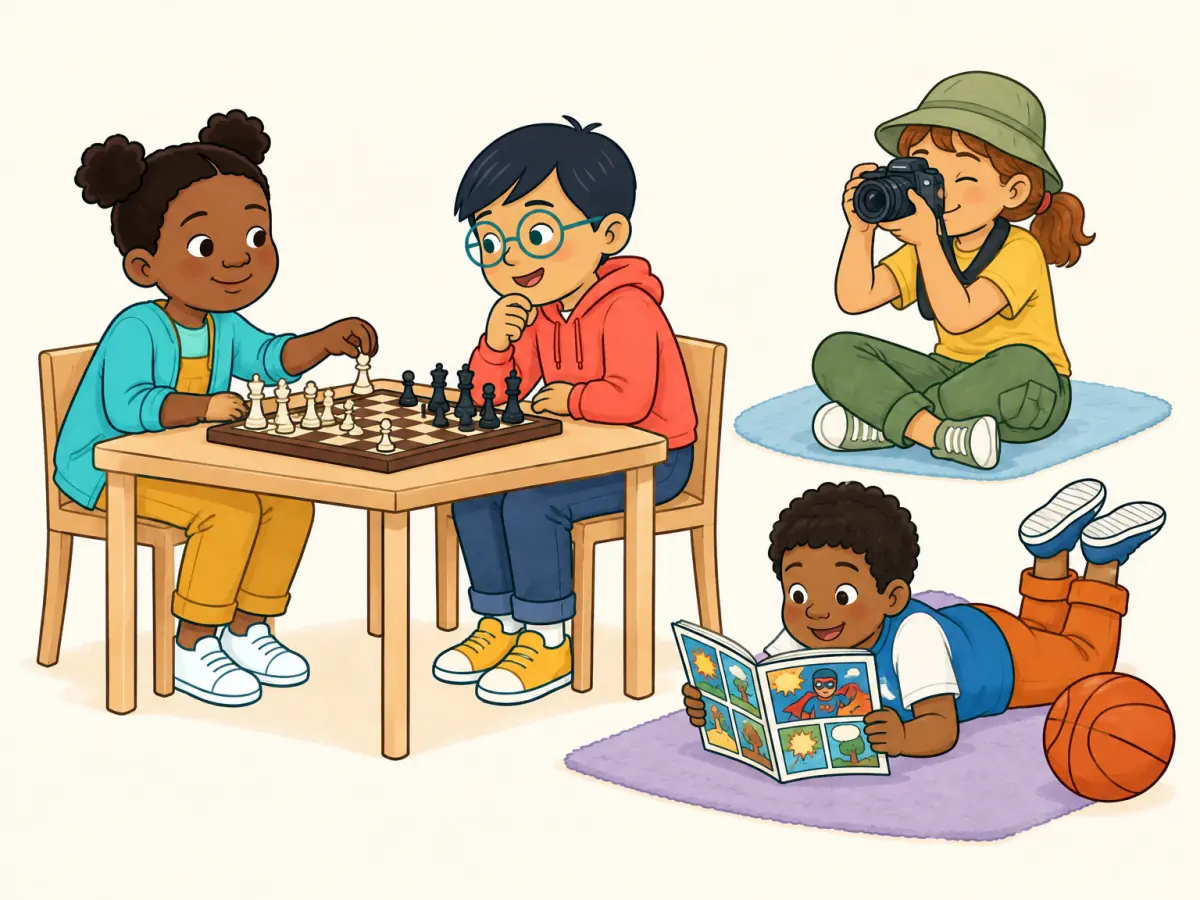
Three weekend profiles

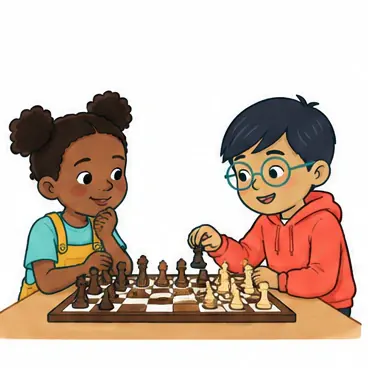
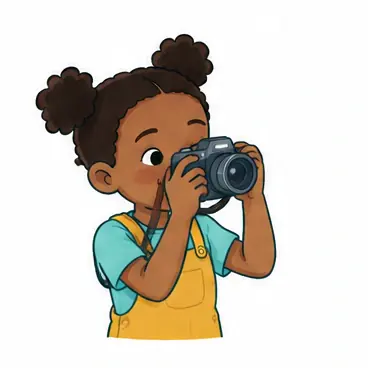
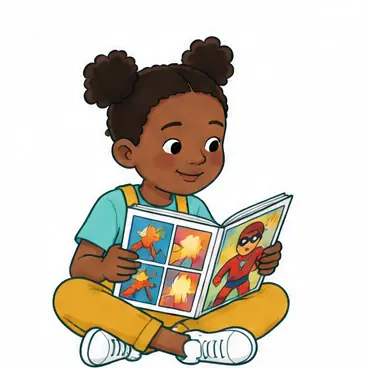
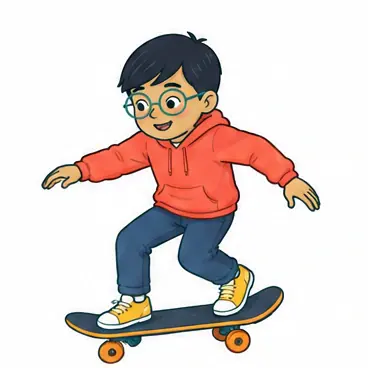
Nia and Leo play chess, Mina holds a camera, and Sam reads a comic next to his basketball.

WEEKEND LINK

Mina wants a penfriend for the school photo club. She likes taking photos and painting pictures, but she doesn’t like fishing. Sam likes reading comics and playing basketball. He likes taking photos too, but he doesn’t like going shopping. Nia and Leo like playing chess. Mina writes to Sam because they both like taking photos.

Writer’s notebook

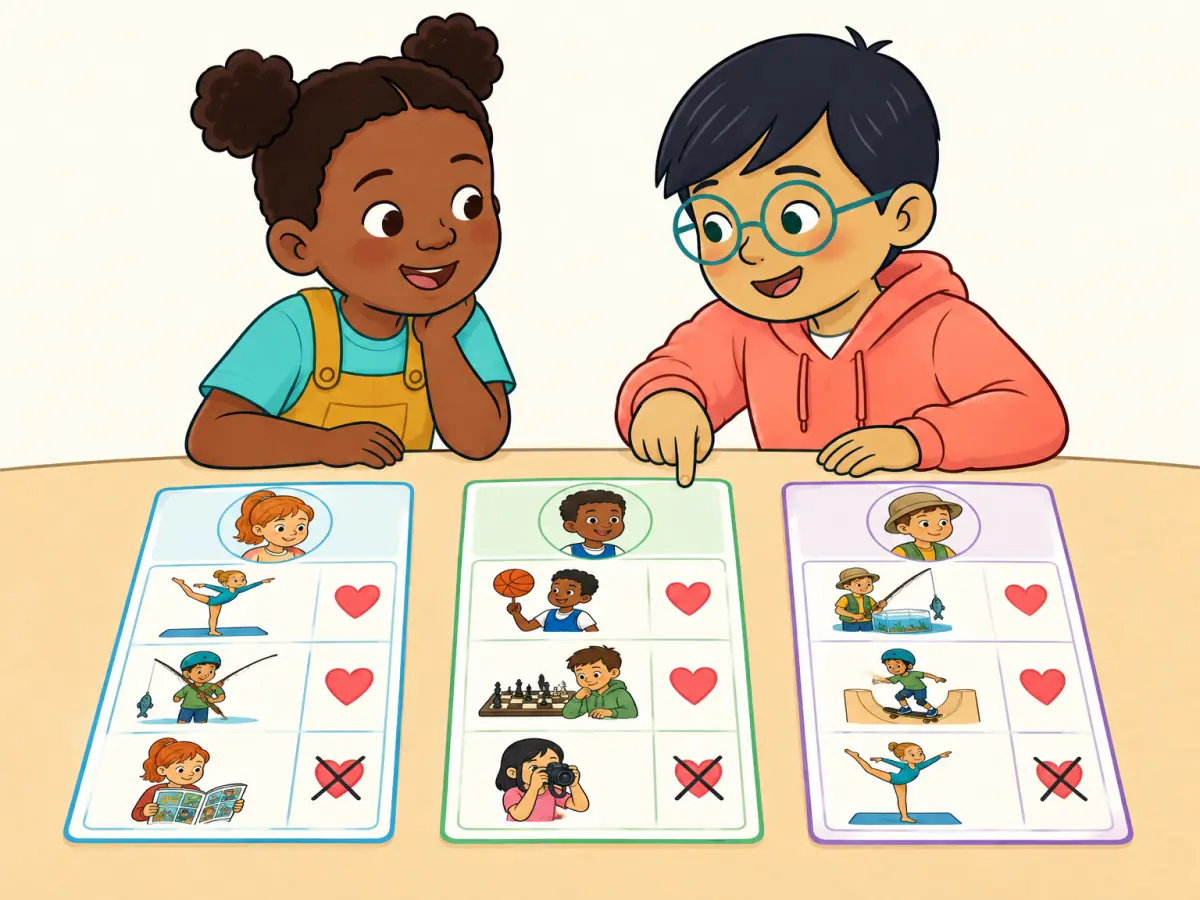
Nia and Leo compare three penfriend profiles using only activity pictures and heart or crossed-heart preference icons.

Leo Who are you writing to?

Nia My penfriend, Sam.

Leo What will you tell Sam?

Nia I’ve got a camera, and I like taking photos.

Leo Use short forms.

Nia Yes! I’m, I’ve got and I don’t.

What do you write to a penfriend?

Hi Sam, I’m Nia. I’ve got a camera. I like taking photos and playing chess. I don’t like fishing. Please write to me! Nia

  • I am → I’m
  • I have got → I’ve got
  • I do not → I don’t
Learn this unit
How would you like to learn?

Sixteen weekend hobbies, grouped by verb

Most hobby phrases start with a verb, so group them by that verb: your child learns a pattern, not a list. “Play” works for games, sports and instruments; instruments usually take “the”: play the guitar, but play football. In American English, football is usually “soccer”.

  • play + game or sport: play chess, football, basketball, volleyball, tennis
  • play the + instrument: play the guitar, play the piano
  • do and go: do gymnastics, go shopping
  • Other verbs: take photos, read comics, paint pictures, visit family
  • One verb alone: fish, cook, skateboard

“I like playing chess”: like + -ing

After “like” and “don’t like”, the verb takes -ing, and only the verb changes: take photos becomes “I like taking photos.” With he, she or a name, “like” becomes “likes”: “She likes painting pictures.” In the negative, the -s moves to “doesn’t”: “He doesn’t like going shopping.”

Verbs ending in a silent “e” drop it: take → taking. That silent “e” also changes the vowel sound in words children learn to read at this level: “kit” and “kite”, “cub” and “cube”. Try reading face, space, kite, bike, rope, stone, June, cube.

  • I / you / we / they: “We like playing volleyball.” “They don’t like fishing.”
  • he / she / a name: “He likes playing the piano.” “She doesn’t like skateboarding.”

Asking about hobbies: do and does

To ask the person you are talking to, start with “Do”: “Do you like reading comics?” “Yes, I do.” or “No, I don’t.” About one other person, start with “Does”, and “like” loses its -s: “Does she like fishing?” “No, she doesn’t.” Below, two children talk about the weekend and a friend called Mina. Listen for what Mina likes and doesn’t like.

Nia What do you like doing at the weekend?

Leo I like playing chess and taking photos.

Leo Does Mina like fishing?

Nia No, she doesn’t. She likes doing gymnastics.

Nia Do you like reading comics?

Leo Yes, I do.

Finding a shared hobby: both, too and but

Read three short profiles together and ask: who has the same hobby as Ana? Your child gives the reason with “both”, “too” or “but”: “Ana and Ben both like cooking.” “Ben likes cooking too.” “Kai likes skateboarding, but Ana doesn’t.”

  • Ana: “I like playing tennis and cooking. I don’t like skateboarding.”
  • Ben: “I like playing the piano and cooking.”
  • Kai: “I like skateboarding and playing football.”
Learn this unit your way

Writing a first penfriend email

A penfriend (in American English, a pen pal) is a child you write to, often in another country. A first email needs a greeting, at least four short sentences and a closing. Short forms such as I’m, I’ve got and I don’t make it friendly; aim for at least two. “I’ve got a camera.” means “I have a camera.”

  • Greeting: “Hi Ben,”
  • About you: “I’m Ana. I’m nine and I’m from Spain.”
  • Something you’ve got: “I’ve got a tennis racket.”
  • Two likes and a dislike: “I like playing tennis and cooking. I don’t like skateboarding.”
  • Closing: “Do you like cooking too? Please write to me! Ana”

A home game: hobby match

Each player draws six hobby cards and secretly circles three they like. Take turns asking “Do you like…?” and answering only “Yes, I do.” or “No, I don’t.” When you find a shared hobby, say it together: “We both like cooking!” Then your child reports to someone else: “Dad likes playing chess. He doesn’t like fishing.” The report practises likes and doesn’t. Across a week, play twice and keep one day for the email.

Common mistakes and quick fixes

These are normal. Repeat the sentence back correctly and carry on.

  • “I like play chess.”: add -ing: “I like playing chess.”
  • “She like taking photos.”: with he, she and a name, add -s: “She likes taking photos.”
  • “Does she likes fishing?”: the -s is already in “does”: “Does she like fishing?”
  • “Yes, I like.”: short answers use do: “Yes, I do.”
  • “I don’t like fish.” about the hobby: that means the food or the animal; the hobby is “fishing”.

What comes next

Next, your child can say how often they do a hobby (“I play tennis on Saturdays.”), talk about things they collect and ask to borrow something: “Can I use your camera, please?”

Frequently asked questions

Is it “I like playing” or “I like to play”?

Both are correct and, for hobbies, mean almost the same. This topic practises -ing, which also names a hobby: “Fishing is fun.” Accept the other form when your child hears it.

What should a child write in a first penfriend email?

A greeting, their name, age and country, one thing they’ve got, two likes, one dislike, a question and a closing such as “Write soon!” before their name.

Why is it “Does she like” and not “Does she likes”?

“Does” already carries the -s, so “like” stays plain: “Does she like tennis?” “She doesn’t like tennis.” Only a positive sentence adds it: “She likes tennis.”

Learn this unit
How would you like to learn?

What comes next?

One-to-one lessons with a live teacher

In Flalingo kids lessons, your child practises units like this one-to-one with a live teacher, through games on the same screen.

Book a free trial lesson