Skip to content
Flalingo

English practice

Asking “Where are you from?” in English for children (A1): countries with he, she, it, we and they

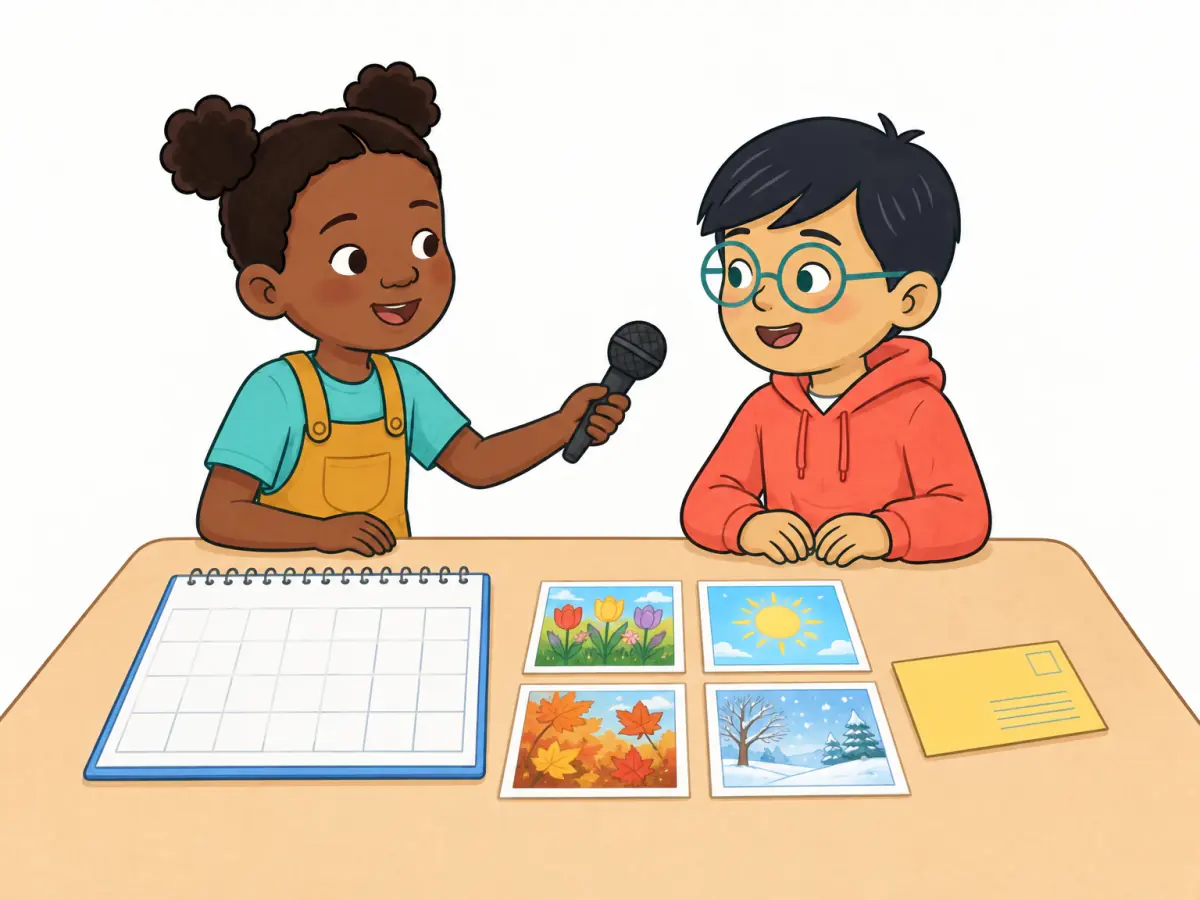
At the postcard club, a child interviews another child beside a blank monthly calendar, four season picture cards and a yellow postcard.

Help your child ask and answer “Where are you from?” in English (A1, ages 7–10), name eight countries and switch between I, he, she, it, we and they, from “I’m from Brazil.” to “It’s from Thailand.”

To ask where someone comes from, English uses “Where are you from?” and the answer is “I’m from Brazil.” The pattern stays the same for everyone; only the small verb and the subject change: “Where is he from? He’s from Egypt.” For an object such as a postcard, children use “it”: “It’s from Thailand.” This is an A1 topic for children of about 7–10 who can already say simple sentences such as “I’m eight.” By the end, your child can write a three-sentence profile about themselves.

Who this is for

  • Parents of children who can say a few sentences about themselves, such as “I’m eight.” and “I like football.”
  • Families starting a new school year or coming back after a break: meeting new friends is a natural reason to ask where people are from.
  • Parents who want to practise at home: a world map and a few postcards or flag pictures are enough, and the dialogue below has a recording of every line.
  • Too early: if your child can’t yet answer “What’s this?” with “It’s a…”, start with the pre-A1 article on school things, linked below.
  • Too easy: if your child already uses all six subjects without thinking, go to the A1 article on a penfriend email about shared hobbies, linked below.

Open the sample pages

Open the sample pages

Word cards

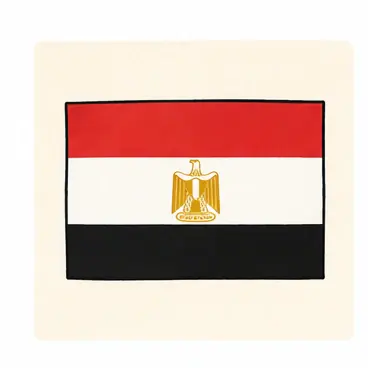
EgyptEgypt
the UKthe UK
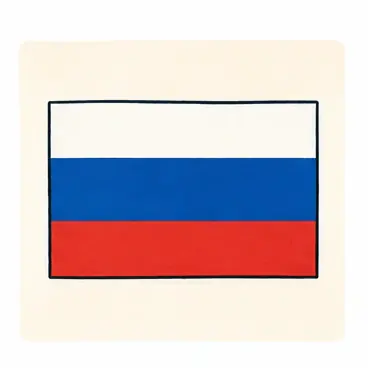
RussiaRussia
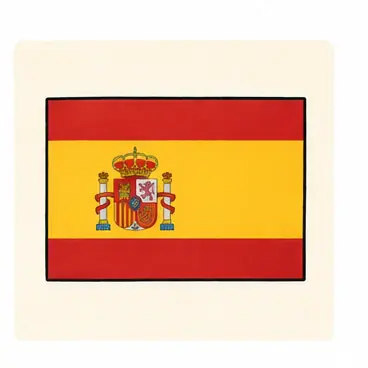
SpainSpain
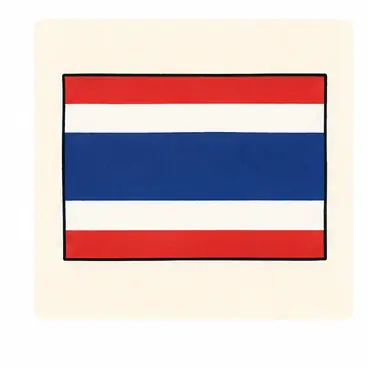
ThailandThailand
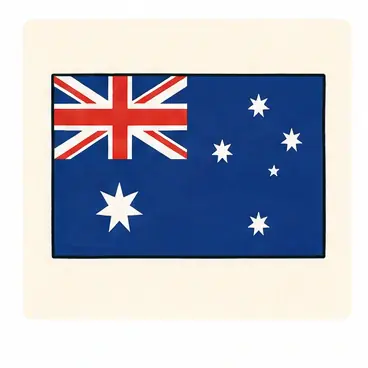
AustraliaAustralia
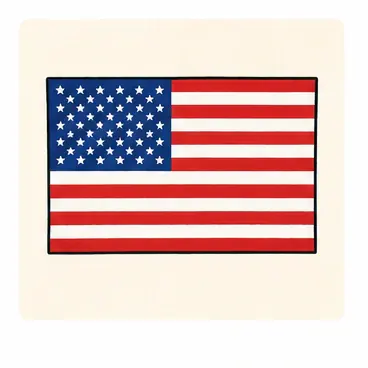
the USAthe USA
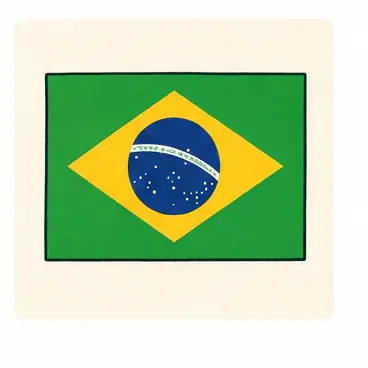
BrazilBrazil
I / you

Where are you from? I'm from Egypt.

he

Where is he from? He's from Brazil.

she

Where is she from? She's from Spain.

it

Where is it from? It's from Thailand.

we

Where are we from? We're from the UK.

they

Where are they from? They're from Australia.

Conversation

Nia Where are you from, Leo?

Leo I'm from Brazil.

Leo Where is Mina from?

Nia She's from Spain.

Nia I chose the postcard. Where is it from?

Leo It's from Thailand.

Language pattern

Where are you from?

I'm from Brazil.

  • Where is he from? He's from Brazil.
  • She's from Spain.
  • Where is it from? It's from Thailand.
  • We're from the UK.
  • Where are they from? They're from Australia.

More practice

Nia and Leo investigate

At the postcard club, Nia interviews Leo beside a blank monthly calendar, four season picture cards and a yellow postcard.

Nia How old are you?

Leo I'm nine.

Nia When is your birthday?

Leo My birthday is in June.

Nia Where are you from?

Leo I'm from Brazil.

Nia What's your favourite season?

Leo My favourite season is winter.

How old are you?

I'm nine.

  • My birthday is in June.
  • I'm from Brazil.
  • My favourite season is winter.

My useful examples

At the postcard club, Nia interviews Leo beside a blank monthly calendar, four season picture cards and a yellow postcard.

Leo Where is she from?

Nia She's from Spain.

Nia Where are they from?

Leo They're from Australia.

Where is she from?

She's from Spain.

  • We're from the UK.
  • They're from Australia.

Writer’s notebook

At the postcard club, Nia interviews Leo beside a blank monthly calendar, four season picture cards and a yellow postcard.

Nia What will you write about?

Leo I will write about me.

Nia What will you say first?

Leo I'm nine. I'm from Brazil.

What facts describe you?

I'm nine. I'm from Brazil. My favourite season is winter.

  • She's from Spain.
  • We're from the UK.
  • My favourite season is spring.
Learn this unit
How would you like to learn?

Eight countries to start with

Point to each country on a map or a flag picture as you say it, then mix them up and ask your child to point again. Two names need “the”: “the UK” (the United Kingdom) and “the USA” (the United States of America).

Two sounds surprise children: “Egypt” starts with an “ee” sound, and the “h” in “Thailand” is silent, so it starts like “tie”.

  • Egypt, Russia, Spain, Thailand
  • Australia, Brazil
  • the UK, the USA
  • Your own country: add it from the first day

“Where are you from?” with six subjects

The question always has the same shape: Where + is or are + subject + from? Use “is” with he, she and it, and “are” with you, we and they. “From” stays at the end of the question and moves in front of the country in the answer. Spoken answers use short forms: I’m, he’s, she’s, it’s, we’re, they’re.

“You” can mean one person or several, so two children asked together can answer “We’re from the UK.”

  • I / you: “Where are you from?” “I’m from Egypt.”
  • he: “Where is he from?” “He’s from Brazil.”
  • she: “Where is she from?” “She’s from Spain.”
  • it: “Where is it from?” “It’s from Thailand.”
  • we: “Where are you from?” (to two people) “We’re from the UK.”
  • they: “Where are they from?” “They’re from Australia.”

People and things: he, she or it

When you ask about someone by name, use “is”: “Where is Mina from?” In the answer, the name becomes “he” or “she”. Objects come from places too, and for a thing English always uses “it”, never “he” or “she”. Pointing helps: the person for he and she, the object for it. Below, two friends talk first about one of them, then about a third child, then about a postcard.

Nia Where are you from, Leo?

Leo I'm from Brazil.

Leo Where is Mina from?

Nia She's from Spain.

Nia I chose the postcard. Where is it from?

Leo It's from Thailand.

Four questions for meeting someone new

Children often ask three more questions when they meet someone. Months take “in” (“in June”) and countries take “from”. The seasons are spring, summer, autumn and winter; in American English, autumn is usually “fall”.

  • “How old are you?” “I’m nine.”
  • “When is your birthday?” “My birthday is in June.”
  • “Where are you from?” “I’m from Brazil.”
  • “What’s your favourite season?” “My favourite season is winter.”
Learn this unit your way

A home game: interview and report

Put country cards or postcards face down. Each player secretly takes one and becomes a visitor from that country. Your child interviews you with the four questions, then turns to a toy or another family member and reports: “She’s from Spain. She’s nine.” The report matters most, because it makes your child switch from “I” to “he” or “she”.

For “it”, stick a country note on a few objects and ask “Where is it from?” Then swap roles.

Writing a three-sentence profile with capital letters

Once your child can say the answers, they can write them: “I’m nine. I’m from Brazil. My favourite season is winter.” Check the capitals together before reading it aloud.

  • Every sentence starts with a capital letter.
  • “I” is always a capital.
  • Countries and months start with a capital: Spain, the UK, June.
  • Seasons do not: spring, summer, autumn, winter.

Common mistakes and quick fixes

These are normal at this stage. Repeat the sentence back the right way and carry on.

  • “Where you are from?”: “are” comes before “you”: “Where are you from?”
  • “Where is they from?”: with you, we and they it is “are”.
  • “I’m from UK.”: add “the”: “I’m from the UK.”
  • “He’s from Thailand.” about a postcard: things are “it”.
  • “I’m Brazil.”: add “from”: “I’m from Brazil.”
  • “i’m from spain.”: capitals for “I” and the country: “I’m from Spain.”

What comes next

When these questions are easy, add a hobby: “Do you like painting?” “Yes, I do.” Your child can then write a short message to a penfriend about where they are from and what they like. Later, nationality words such as Spanish give a second way to answer.

Frequently asked questions

How do you answer “Where are you from?” in English?

Say “I’m from” and the country: “I’m from Spain.” The nationality word is also correct: “I’m Spanish.” At A1, “I’m from…” is easier, because it works for every country.

Is it “Where are you from?” or “Where do you come from?”

Both ask the same thing; “Where are you from?” is more common. “Where are you coming from?” is different: it asks where someone has just been.

Why is it “the UK” and “the USA” but just “Spain”?

Names with a word such as “kingdom” or “states”, and plural names, take “the”: the United Kingdom, the United States, the Netherlands. Most one-word names, such as Spain, do not.

Learn this unit
How would you like to learn?

What comes next?

One-to-one lessons with a live teacher

In Flalingo kids lessons, your child practises units like this one-to-one with a live teacher, through games on the same screen.

Book a free trial lesson