
 Egypt
 the UK
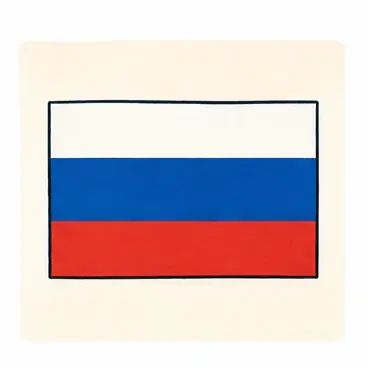 Russia
 Spain
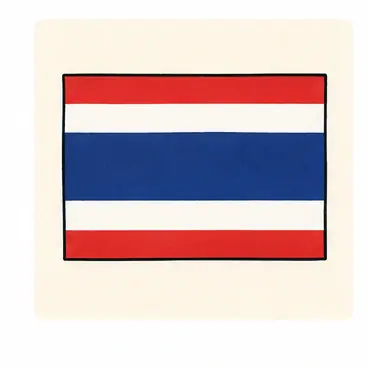 Thailand
 Australia
 the USA
 spring
 Brazil
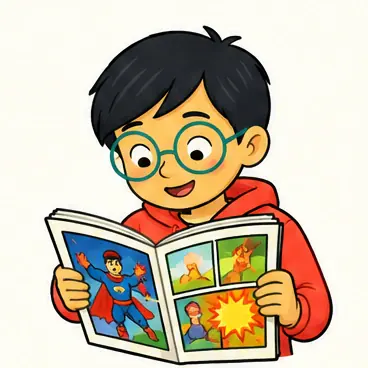 read comics
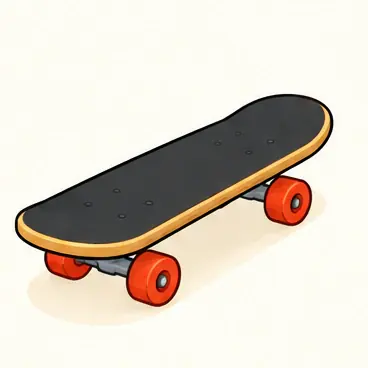 skateboard
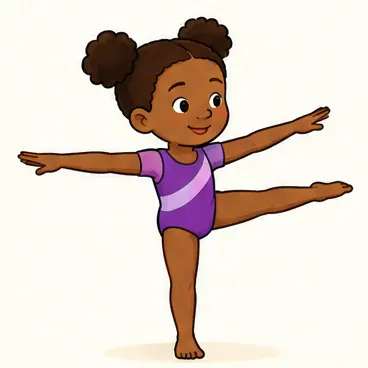 do gymnastics
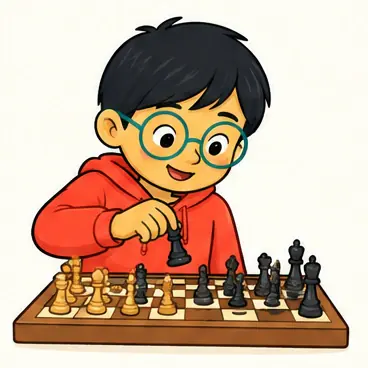 play chess
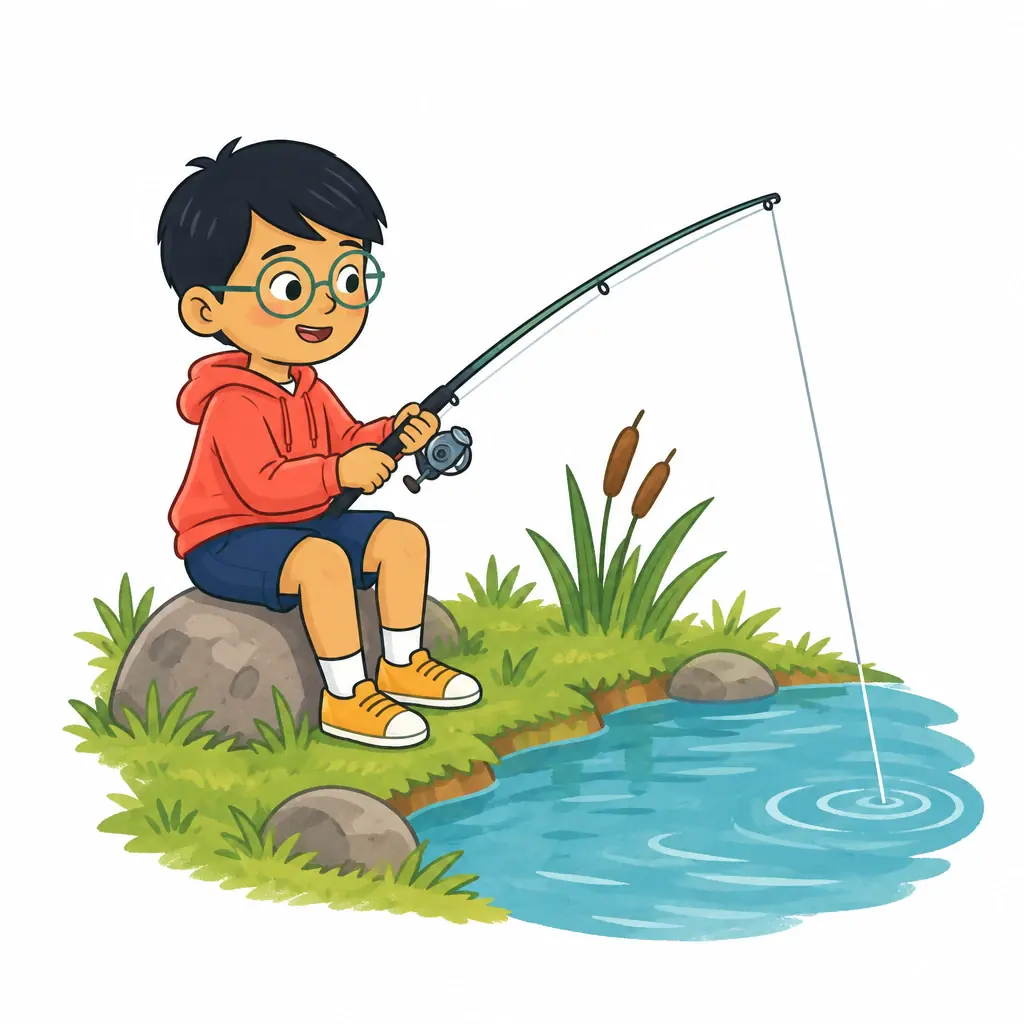 fish
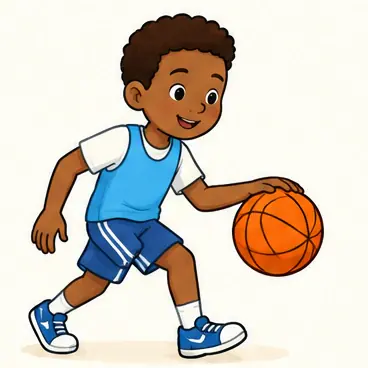 play basketball
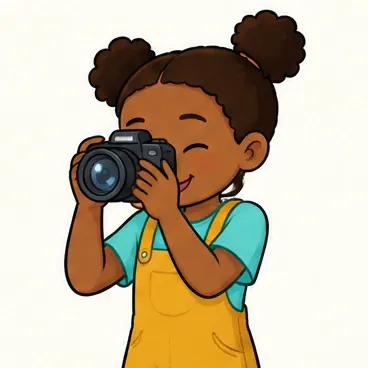 take photos
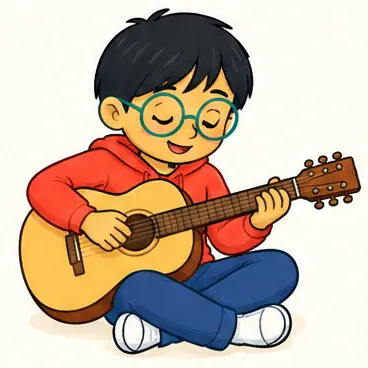 play the guitar
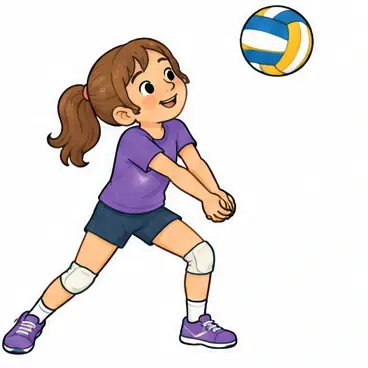 play volleyball
 computer
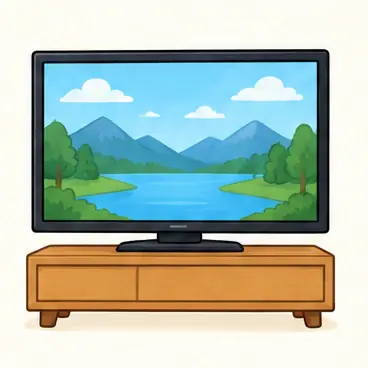 TV
 DVD player
 CD player
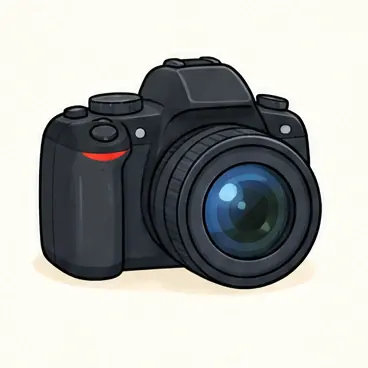 camera
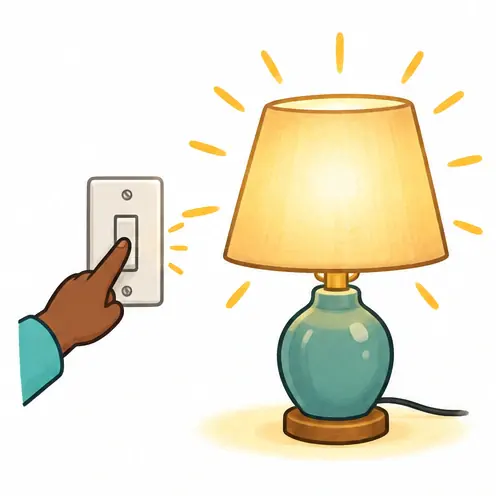 turn on
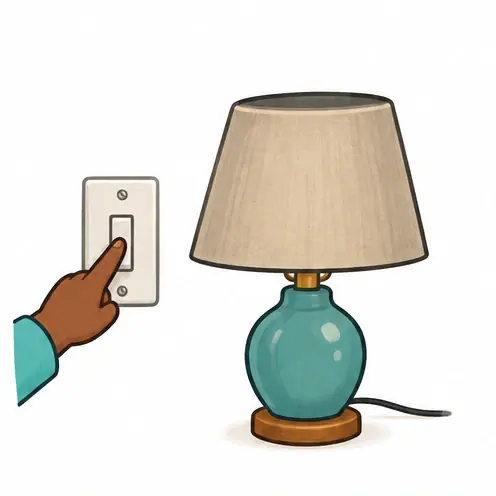 turn off
 stickers
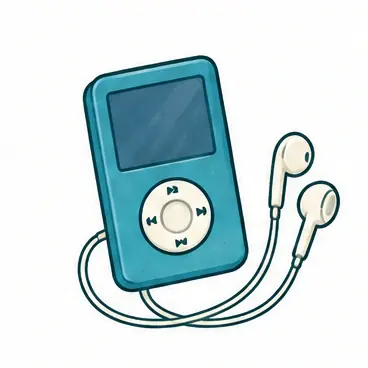 MP3 player
Three questions, three jobs
Children often learn these questions in different weeks, so each feels easy alone. A review mixes them. A quick test: a question word such as “Where” asks for information; “Does” or “Can” at the start asks for “Yes” or “No”, and the answer repeats that word.
- Information: “Where are you from?” “I’m from Brazil.”
- Another person: “Does she like taking photos?” “Yes, she does.” or “No, she doesn’t.”
- Permission: “Can I use your camera?” “Yes, you can.” or “Sorry, you can’t.”
Countries: “Where are you from?”
The answer is “I’m from” plus a country: “I’m from Spain.” About someone else, the verb changes: “Where is he from?” “He’s from Egypt.” Country names start with a capital letter, and two in this group take “the”: the UK and the USA.
- No “the”: Egypt, Russia, Spain, Thailand, Australia, Brazil
- With “the”: the UK, the USA
- About others: “She’s from Thailand.” “They’re from Australia.”
Other people’s hobbies: “Does she like…?”
To ask about one other person, start with “Does”, then the person, then “like” and a verb with -ing: “Does he like playing chess?” The -s is already in “does”, so “like” has no -s. The short answer changes the name to he or she and repeats “does”: “Does Mina like fishing?” “No, she doesn’t.”
- play chess → playing chess
- play the guitar → playing the guitar
- take photos → taking photos
- read comics → reading comics
- do gymnastics → doing gymnastics
- fish → fishing, skateboard → skateboarding
Asking to use things: “Can I use your…?”
Liking photos does not give anyone the right to take a camera: “Can I…?” asks the owner, who decides. Add “please” to sound polite: “Can I use your computer, please?” The owner answers about the asker: “Yes, you can.”
Machines also need “turn on” and “turn off”: “Can I turn on the TV?” With “it”, say “Can I turn it off?”
- Things to ask about: computer, TV, camera, MP3 player, DVD player, CD player, stickers
- “Can I turn off the computer?” “No, you can’t. I’m using it.”
Listen: the three questions in one conversation
In the recording, two children ask all three questions: where one is from, whether a friend called Mina likes taking photos, and whether one can use the other’s camera. Listen once, then pause after each question so your child answers first. Then take a role each, swap, and change a country, hobby or object.
Nia Where are you from?
Leo I'm from Brazil.
Nia Does Mina like taking photos?
Leo Yes, she does.
Nia Can I use your camera?
Leo Yes, you can.
A home game: clue cards
Clues make your child choose the topic alone. Each player secretly picks a person or object and gives two clues; the others guess. Pretend people allow any country or hobby. When an object is guessed, the winner asks to use it.
- Person: “Clue one: she’s from Spain. Clue two: she likes playing the guitar. Who is she?”
- Object: “Clue one: you take photos with it. Clue two: it’s small. What is it?” “It’s a camera!”
- Finish: “Can I use your camera?” “Yes, you can.”
Spelling sounds to read aloud
This review also revisits three spelling patterns. Blend the sounds, say the word, then use it in a phrase: “a star in the sky”.
- Two consonants at the start: crayon, draw, drink, spoon, snake, play, space
- A silent “e” at the end changes the vowel: kite, bike, rope, stone, June, cube
- “ar” as in car: car, park, shark, star, scarf
Common mistakes and quick fixes
These are normal when three topics meet. Repeat the sentence correctly and keep playing.
- “Yes.” to “Where are you from?”: the question wants a place: “I’m from Russia.”
- “Does she likes taking photos?”: “Does she like taking photos?”
- “Yes, she likes.”: the short answer repeats “does”: “Yes, she does.”
- “Yes, I can.” after “Can I…?”: the owner answers about the asker: “Yes, you can.”
What comes next
Next, children describe what people are doing now: “What is she doing?” “She’s swimming.” Compare “I like swimming.” (a hobby) with “I’m swimming.” (happening now). Then they write a short postcard about a day out.