
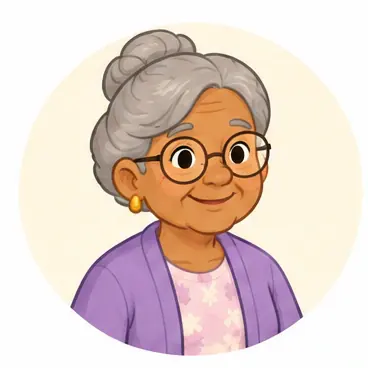
 grandma
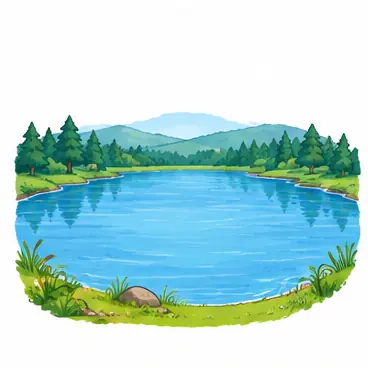 lake
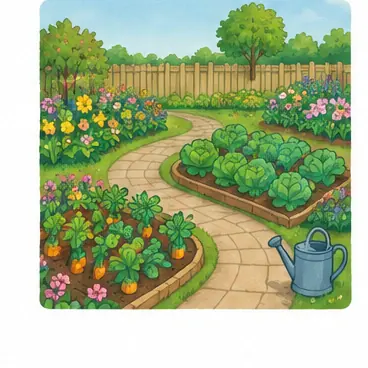 garden
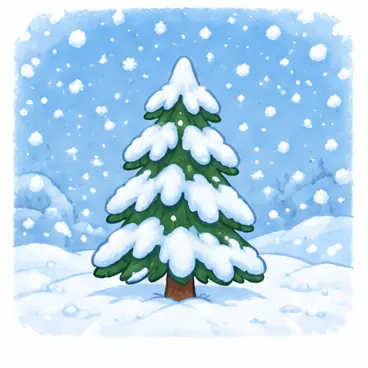 snow
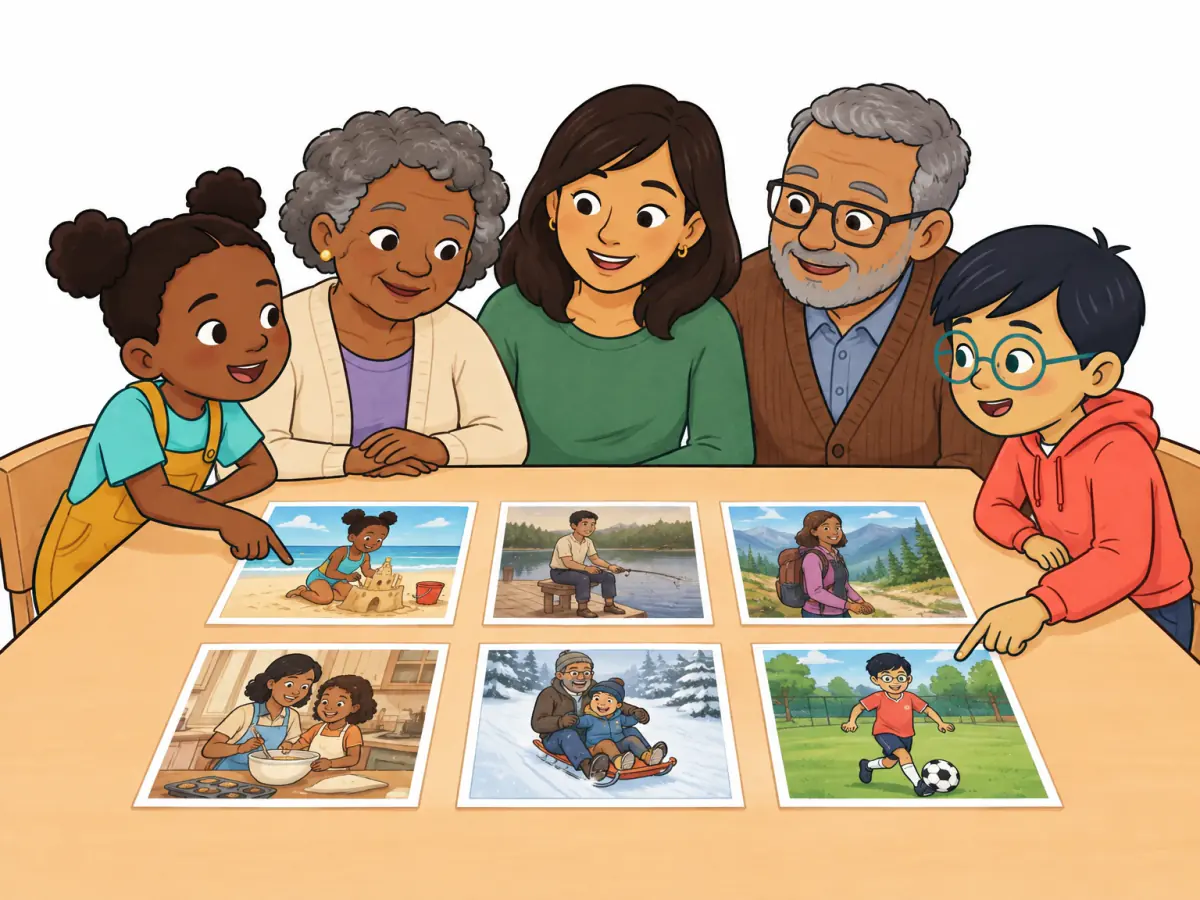
Four words and a guess
Good readers guess first. Play the four word cards from this article’s example story and ask for a prediction with two of them: “I think the story is about a grandma and her garden.” Wrong guesses are fine; your child reads to check.
- grandma – a grandmother
- lake – a big area of water with land around it
- garden – land by a house for flowers or vegetables
- snow – soft white ice that falls in winter
Who likes what?
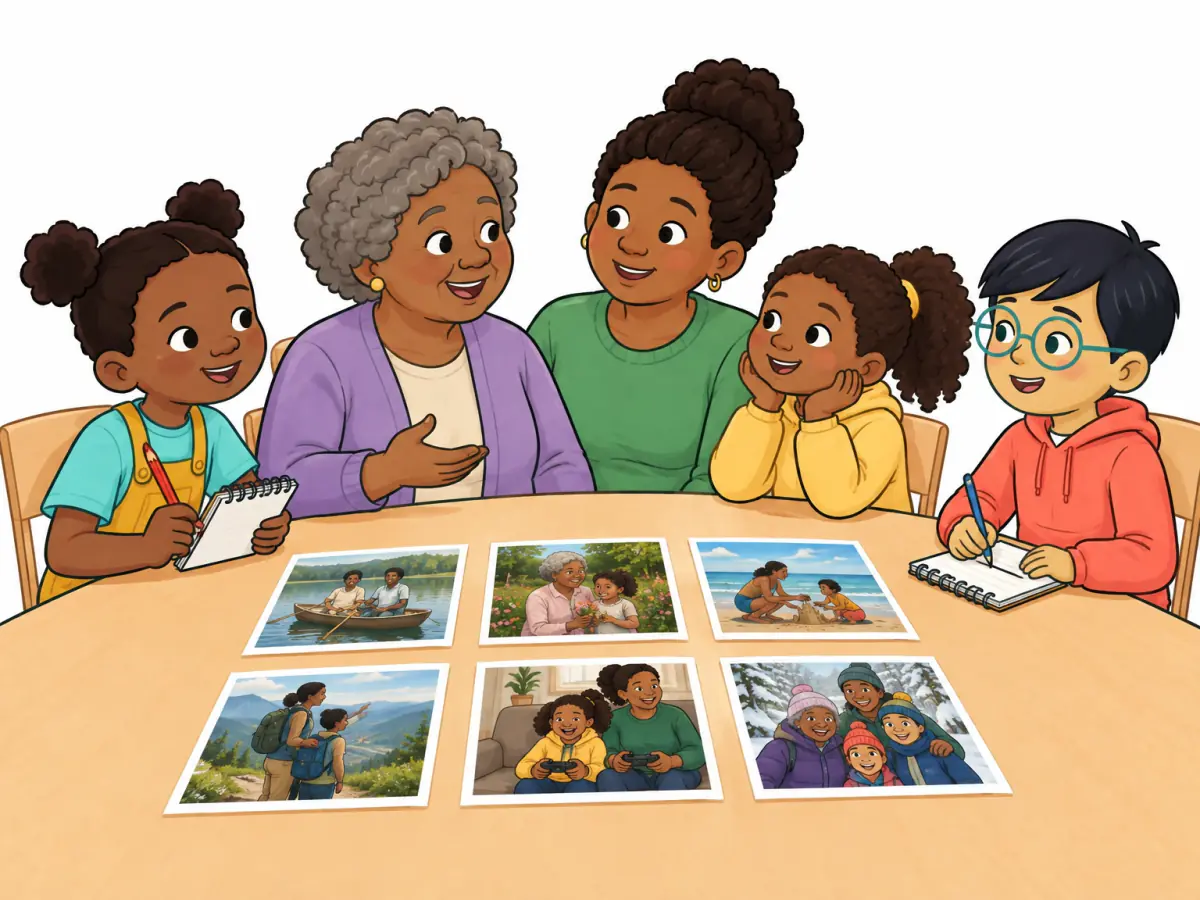
The example story in short: a family meets at one table every Saturday. When Grandma Hana was young, she loved rowing a boat on the lake. Now she loves gardening with her granddaughter, Lina. Lina likes playing video games with her mum, but her mum likes hiking. Next winter, they will all play in the snow.
“Her” points back to a woman or girl: “her mum” is Lina’s mum. “But” signals a difference. A table with one name and one hobby per row keeps people apart.
- Grandma Hana, then: rowing a boat
- Grandma Hana, now: gardening
- Lina: playing video games
- Lina’s mum: hiking
- Everyone, next winter: playing in the snow
Then, now and next
English shows time twice, in a time word and in the verb. “When she was young” and “loved” say past; “Now” and “loves” say today, and with he, she or a name the present verb takes -s. The future uses will. Your child underlines each time word, then finds its verb. Regular past verbs end in -ed (love, loved), but after did the verb stays basic.
- “When she was young, she loved rowing a boat.”
- “Now she loves gardening.”
- “Next winter, they will play in the snow.”
- “What did she love?”
Talking about the story
Listen for a question and answer about the past, then the present with a reason after because. Take a role each, then swap and change one detail.
Nia What did Grandma Hana love when she was young?
Leo She loved rowing a boat on the lake.
Leo Which hobby do you like?
Nia I like hiking because I love the mountains.
Proving answers with the text
Reading tasks often ask “True or false?” Your child finds the line that proves the answer. “Lina likes hiking in the mountains.” is false: the story says her mum likes hiking.
For longer answers, four starters help: for order, the key fact, a change and an opinion with a reason. Each has a recording on the cards.
- “First, Grandma Hana brings old and new photos.”
- “The key detail is that everyone listens.”
- “This changed because Grandma Hana is older now.”
- “I think the family is happy because they play in the snow together.”
Writing the next scene: First, Then, Finally
Before writing, your child plans three details: what happens first, where everyone goes and how it ends. Each becomes one sentence with a sequencing word. A comma usually follows “First” and “Finally”; after “Then” it is optional. Here is a model answer to “What happens next winter?”
- “First, the family puts on warm hats.”
- “Then they walk to the park.”
- “Finally, Grandma Hana and Lina make a snowman.”
A home game: the family hobby table
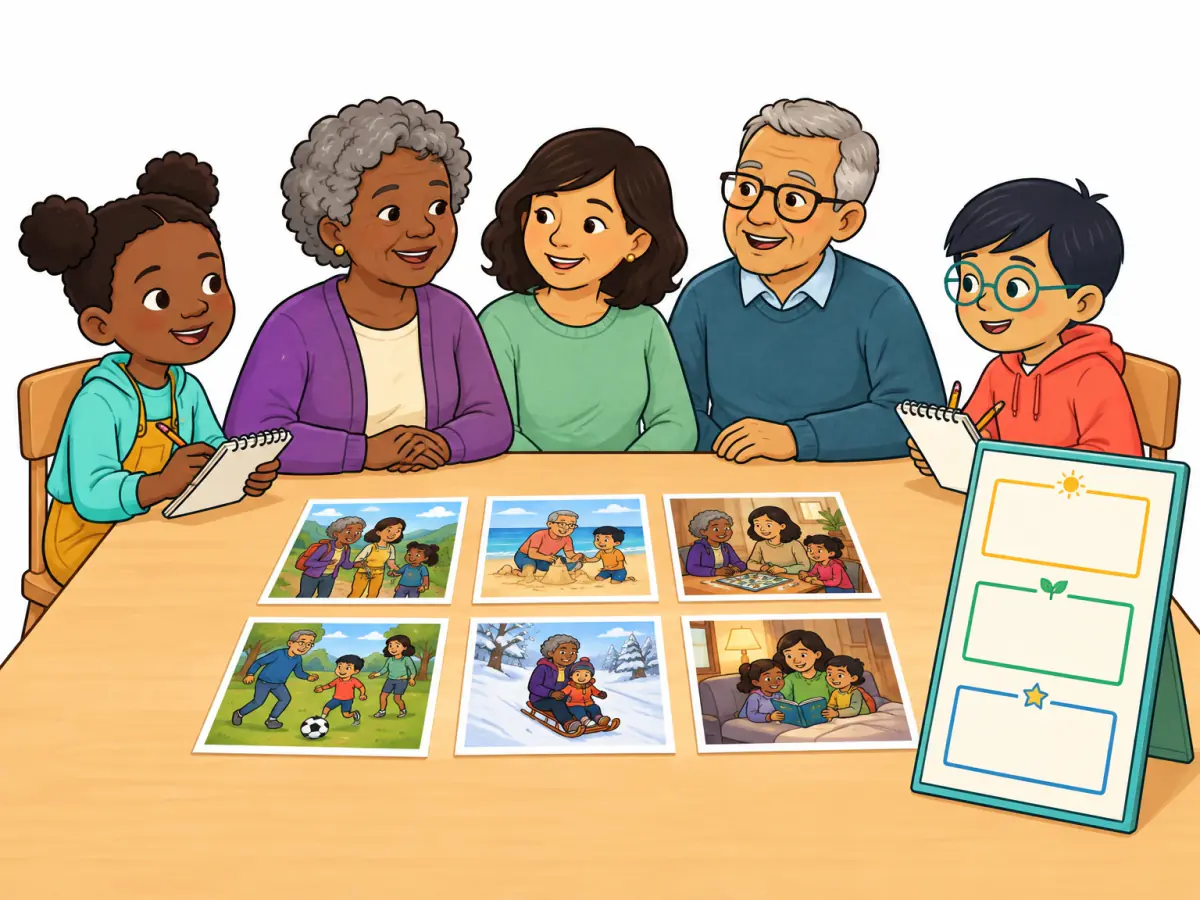
Draw three columns: name, then, now. Your child asks two relatives “What did you love when you were young?” and “What do you love now?”, and notes the answers in English. Then your child reports one row: “Grandpa loved fishing. Now he loves cooking.” In a second 15-minute session, write three sentences about a family plan with First, Then and Finally.
Common mistakes and quick fixes
Repeat the sentence correctly and carry on.
- Wrong person: check the name before the verb. Her mum likes hiking, not Lina.
- “When she was young, she loves rowing.”: past time, past verb: “she loved rowing.”
- “What did she loved?”: did already shows the past: “What did she love?”
- “Now she love gardening.”: with she, add -s: “she loves”.
- Three steps in one long sentence: one step, one sentence.
What comes next
Next, your child can describe what people are doing now, as on a beach postcard: “Mum is swimming.” Later, A2 stories ask why a first guess changes; proving answers from the text helps there too.