Skip to content
Flalingo

English practice

Mine, yours, hers and theirs in English for children (A2, ages 8–11): “Whose jacket is this?” and its or it’s

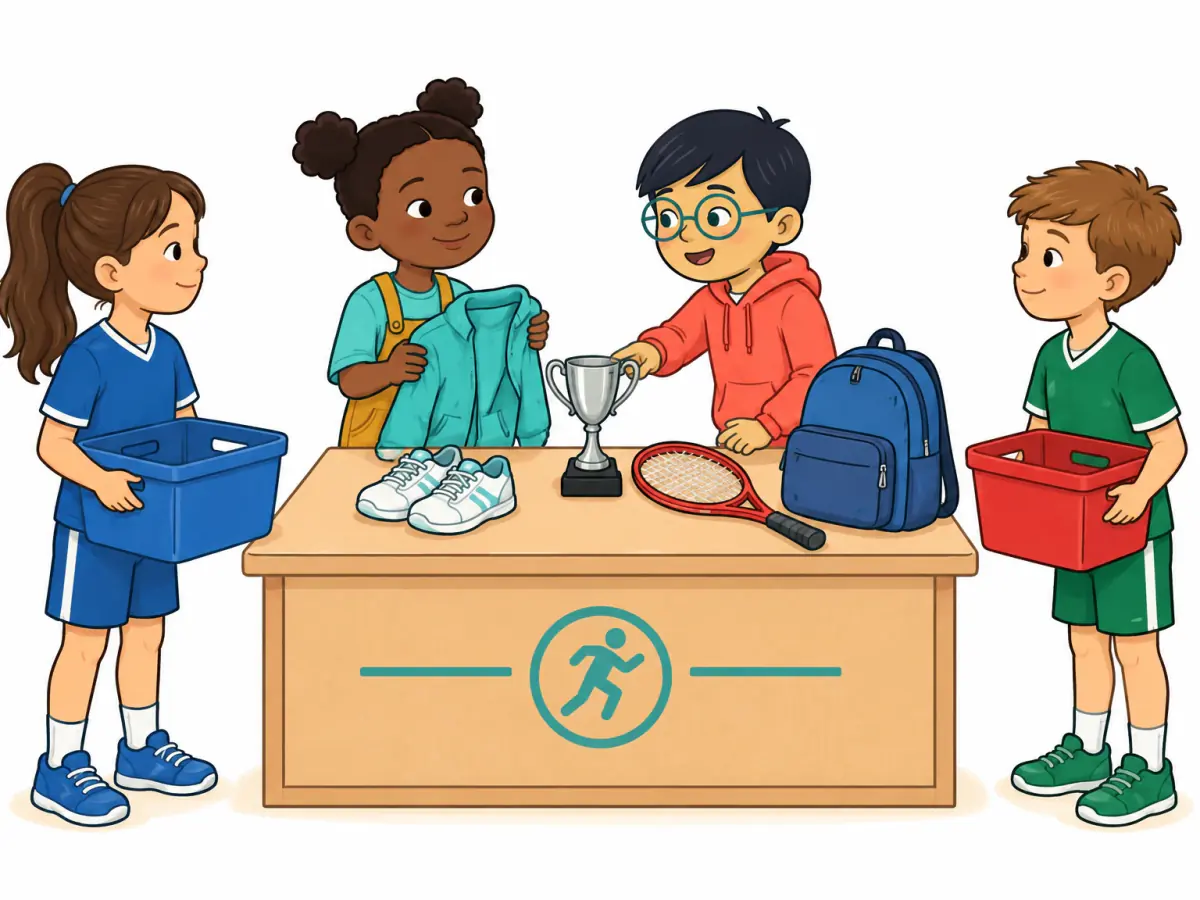
At a community sports desk, two teams return a jacket, trainers, trophy, racket and rucksack. A girl holds her teal jacket; a boy points to a silver trophy while two players wait beside blank team baskets.

Help your child say who owns sports kit in English (A2, ages 8–11): “Whose jacket is this?” “It’s mine.”, the six owner words from mine to theirs, sports words, and when to write its or it’s in team-game rules.

To say who owns something in English, children answer “Whose…?” with mine, yours, his, hers, ours or theirs: “Whose jacket is this?” “It’s mine.” These words need no noun after them and no apostrophe. Its goes before a noun (“Its colour is blue.”); it’s always means it is or it has. This A2 topic suits children of about 8–11 who already use my, your, his and her. It ends with short team-game rules, where its and it’s are easy to mix up.

Who this is for

  • Parents of children who already use my, your, his and her: your child can say “This is my bag.” and “Her name is Sara.”
  • Families with children who play a sport or take kit to school: lost jackets and odd trainers give your child something real to talk about.
  • Parents who want to check writing at home: the its or it’s test takes seconds, and the dialogues below have a recording of every line.
  • Too early: if my, your, his and her before a noun are still new, practise those first with things at home: “my bag”, “your book”.
  • Too easy: if your child already says “The trophy is ours.” and never writes it’s for its, move on to the A2 article on invitations with directions and because, linked below.

Open the sample pages

Open the sample pages

Word cards

teamteam
jacketjacket
trainerstrainers
trophytrophy
playerplayer
kickkick
score a goalscore a goal
racketracket
rucksackrucksack
Whose jacket is this?

It is mine.

The jacket is mine.
The trainers are yours.
The ball is his.
The racket is hers.
Its colour is blue.
The trophy is ours.
The bags are theirs.

Conversation

Nia Which sport does Ava like best?

Leo She likes tennis best. The racket is hers.

Leo What is Ben's favourite sport?

Nia Football. He plays carefully and often scores a goal.

Nia Do they both like basketball?

Leo No. Ava likes tennis, and Ben likes football.

Language pattern

Whose jacket is this?

It is mine.

  • The jacket is mine.
  • The trainers are yours.
  • The ball is his.
  • The racket is hers.
  • Its colour is blue.
  • The trophy is ours.
  • The bags are theirs.

More practice

Change the information

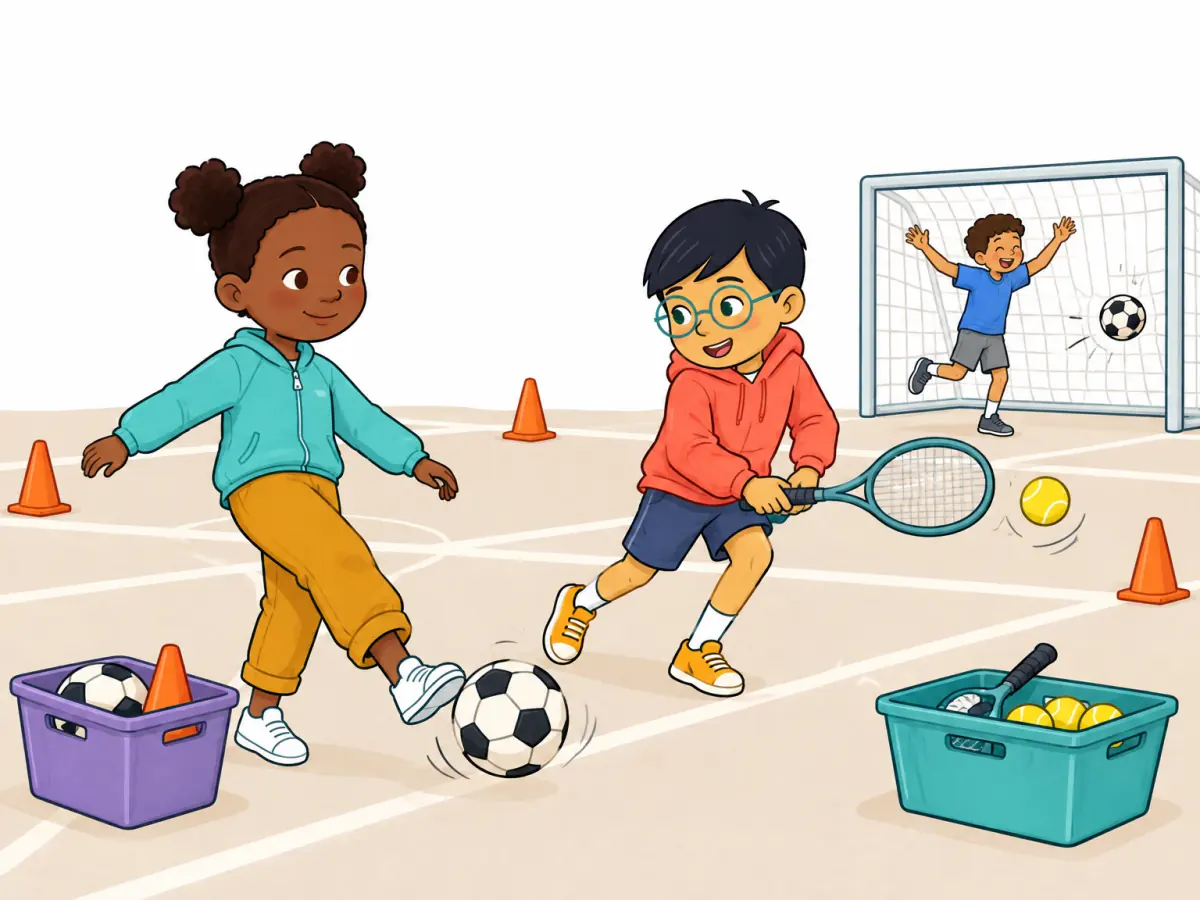
On a practice court, Nia kicks a ball carefully, Leo moves quickly with a racket and another player scores a goal. Each child keeps a separate labelled-space basket with no readable text.

Leo Whose jacket is this?

Nia It is mine.

Nia Are these trainers yours?

Leo No, they aren't mine. Ben's name is on them, so they are his.

Leo Who played well today?

Nia Everyone played carefully.

Whose jacket is this?

It is mine.

  • The jacket is mine.
  • The trainers are yours.
  • The ball is his.
  • The racket is hers.
  • Its colour is blue.
  • The trophy is ours.
  • The bags are theirs.

Apply it to your world

On a practice court, Nia kicks a ball carefully, Leo moves quickly with a racket and another player scores a goal. Each child keeps a separate labelled-space basket with no readable text.

Leo Whose pencil case is this?

Nia It is mine. Thank you!

Nia Are these trainers yours or mine?

Leo They are yours. Mine are blue.

Whose pencil case is this?

It is mine. Thank you!

  • The trainers are yours.
  • The ball is his.
  • The racket is hers.
  • Its colour is blue.
  • The trophy is ours.
  • The bags are theirs.

Writer’s studio

On a practice court, Nia kicks a ball carefully, Leo moves quickly with a racket and another player scores a goal. Each child keeps a separate labelled-space basket with no readable text.

Nia What will you write about?

Leo I will write rules for a team game.

Nia How will you check its and it’s?

Leo I will write it's only when I mean it is.

How do you play safely?

It's a team game. Its rules keep everyone safe. Pass carefully, move quickly and wait patiently for your turn.

  • The jacket is mine.
  • The trainers are yours.
  • The ball is his.
  • The racket is hers.
  • Its colour is blue.
  • The trophy is ours.
  • The bags are theirs.
Learn this unit
How would you like to learn?

Sports kit words

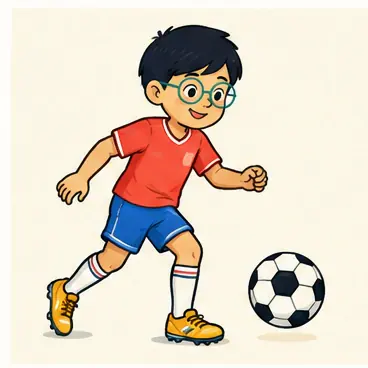
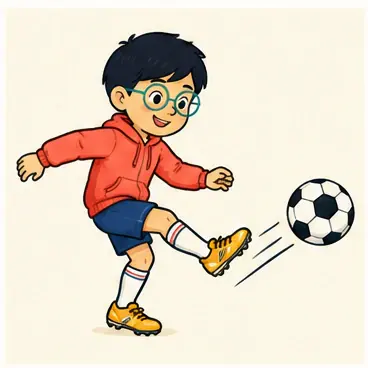
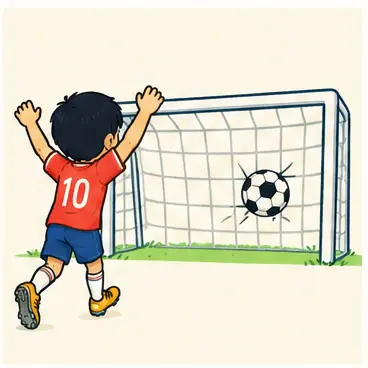
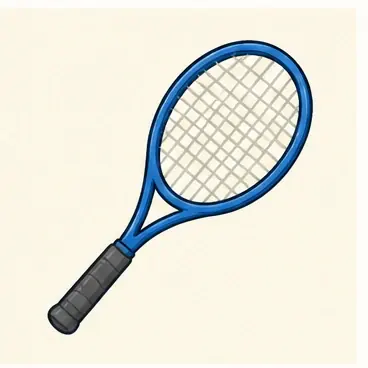
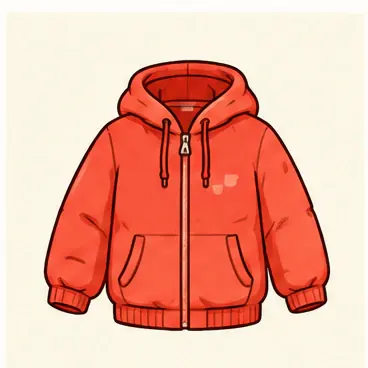
A team is a group of players, and a trophy is the cup a team wins. School kit often goes in a rucksack: a jacket, trainers and, for tennis, a racket. You kick a ball, and in football you score a goal, not “make a goal”.

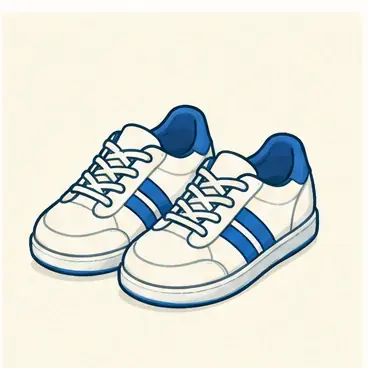
Trainers are sports shoes, usually plural like shoes: “My trainers are blue.” American English says sneakers and backpack.

  • People and prizes: team, player, trophy
  • Kit: jacket, trainers, racket, rucksack
  • Actions: kick the ball, score a goal

Whose is it? Six owner words

Ask with whose: “Whose jacket is this?” “Whose trainers are these?” Answer with a name and ’s (“It’s Sam’s.”) or an owner word, which replaces my, your and so on plus the noun.

Mine, yours, hers, ours and theirs never come before a noun or take an apostrophe. His works both ways: “his ball”, “The ball is his.” The word follows the owner: one jacket or three, it is still “mine”.

  • I → mine: “The jacket is mine.”
  • you → yours: “The trainers are yours.”
  • he → his: “The ball is his.”
  • she → hers: “The racket is hers.”
  • we → ours: “The trophy is ours.”
  • they → theirs: “The bags are theirs.”

Nia Which sport does Ava like best?

Leo She likes tennis best. The racket is hers.

Its or it’s?

Its is the owner word for a thing or an animal, and it goes before a noun: “Its colour is blue.” It’s is short for it is or it has: “It’s a team game.”

The test: read the sentence with “it is” or “it has”. If it makes sense, write it’s; if not, write its. Memory hook: his and hers have no apostrophe, and neither does its.

  • “It’s a team game.” = It is a team game.
  • “The basket had a hole in its base.” = the basket’s base

Favourite sports and how people play

Ask “What is your favourite sport?” or “Which sport do you like best?” Answer “I like tennis best.” or just “Football.” For another person, add -s: “She likes tennis best.”

To say how someone plays, put an adverb after the verb or its object: “He plays carefully.” “Pass the ball carefully.” Many are an adjective plus -ly: carefully, quickly, patiently. Often goes before the main verb: “He often scores a goal.”

Leo What is Ben's favourite sport?

Nia Football. He plays carefully and often scores a goal.

Nia Do they both like basketball?

Leo No. Ava likes tennis, and Ben likes football.

Writing team-game rules with its and it’s

Game rules are short: one sentence about the game, then three or four instructions. An instruction starts with a verb (“Pass carefully.”) or uses must. This model uses its and it’s correctly:

Before your child shares the rules, check every its and it’s with the “it is” test.

  • “It’s a team game.”
  • “Its rules keep everyone safe.”
  • “Pass carefully, move quickly and wait patiently for your turn.”
  • “Every player must pass before anyone can score.”
Learn this unit your way

Spelling: double ll and rr

Some short words end in double l after one vowel: smell, bell, shell, ball. Others have rr in the middle: mirror, carrot, cherry. The pair makes one sound, so children need to see it, not hear it: say, write, underline.

  • ll: smell, bell, shell, ball
  • rr: mirror, carrot, cherry

Common mistakes and quick fixes

These are normal at A2. Say the sentence back correctly and carry on.

  • “The trainers are mines.”: mine has no s, even for two things: “They are mine.”
  • “The racket is her’s.”: no apostrophe in hers, yours, ours or theirs: “The racket is hers.”
  • “The dog wagged it’s tail.”: it’s means it is, so write “its tail”.
  • “He plays careful.”: to say how, add -ly: “He plays carefully.”

A lost-property game at home

Put six or seven family things in a box: a jacket, trainers, a ball, keys. One player runs the lost-property desk, holds up an item and asks: “Whose jacket is this?” The other answers, “It’s mine.” or “I think it’s hers.”, with a reason: “Her name is on it.” Then swap.

Finish by writing three or four rules for a family game and checking each its and it’s.

What comes next

When owner words are easy, your child can answer whose, why and which questions in one conversation, then write an invitation with directions and a reason with because.

Frequently asked questions

What is the difference between its and it’s?

It’s means it is or it has: “It’s a team game.” Its shows that something belongs to a thing or an animal: “Its rules are simple.”

What is the difference between my and mine?

My goes before a noun: “my jacket”. Mine stands alone: “The jacket is mine.” Your and yours, her and hers, our and ours, their and theirs work the same way.

Is it “whose” or “who’s”?

They sound the same. Whose asks about the owner: “Whose racket is this?” Who’s means who is or who has: “Who’s on your team?”

Learn this unit
How would you like to learn?

What comes next?

One-to-one lessons with a live teacher

In Flalingo kids lessons, your child practises units like this one-to-one with a live teacher, through games on the same screen.

Book a free trial lesson