Skip to content
Flalingo

English practice

Can and can’t in English for children (A1, ages 6–9): sports and “Can you skateboard?”

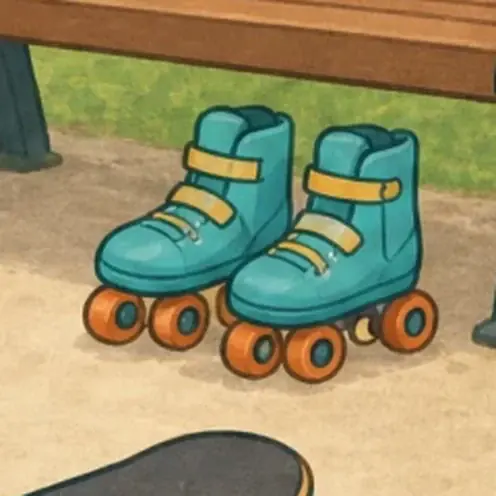
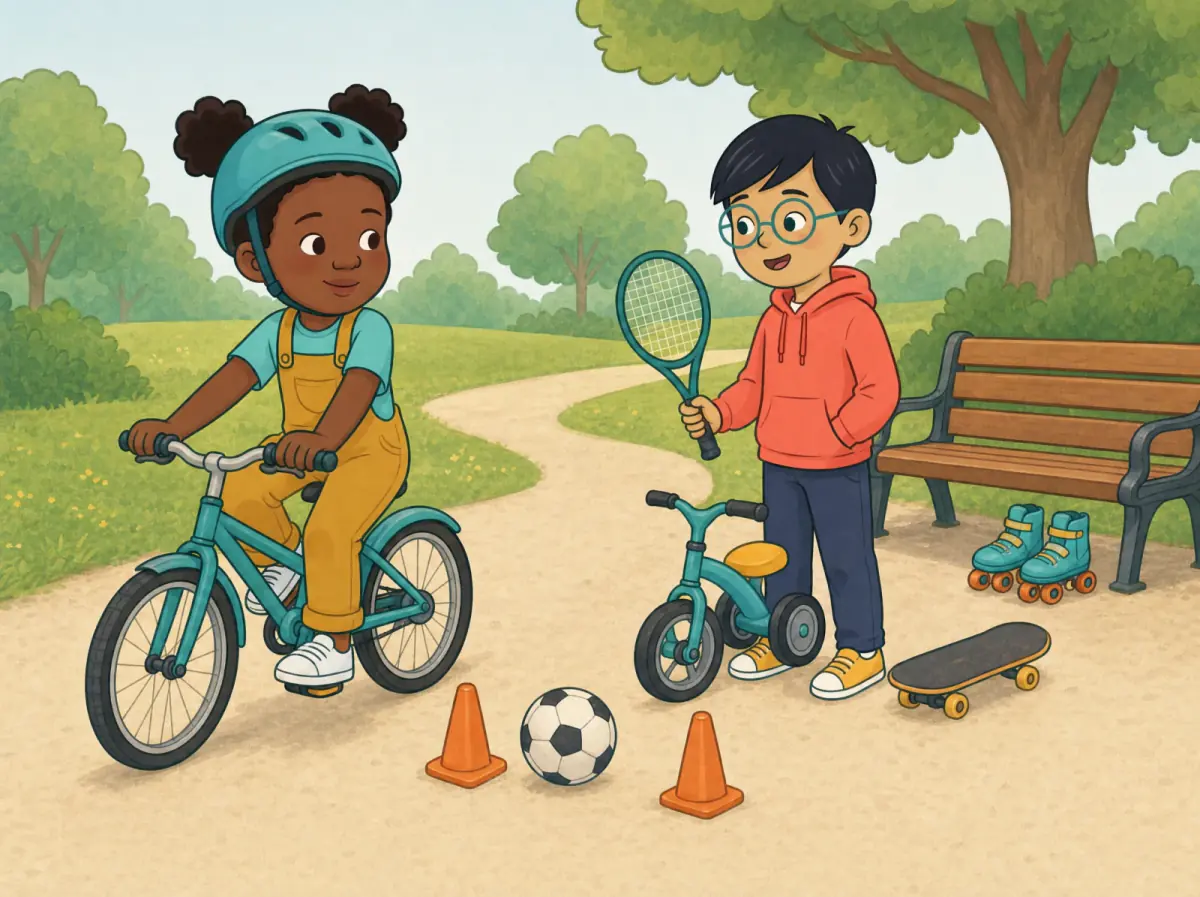
At a park skills fair, a child rides a bike. Another child stands beside a skateboard and a tricycle. A football is between two cones, and roller skates are under a bench.

Help your child talk about sports and park activities with can and can’t (A1): answer “Can you…?” and “Can she…?”, say where things are and choose a or an.

To say what someone is able to do, children put “can” before an action: “I can ride a bike.” The negative is “can’t”: “I can’t skateboard.” Questions start with “Can”: “Can you play tennis?” “Yes, I can.” or “No, I can’t.” This A1 topic suits children of about 6–9 who already know some English, and it fits naturally with sports and the park. Your child also learns to say where things are and to choose “a” or “an”.

Who this is for

  • Parents of children who know basic English: your child can say “This is my bike.” and knows a few action words.
  • Sporty children and families who spend time in the park: every bike ride or ball game is a chance to ask “Can you…?”
  • Parents who want to practise at home: paper, a pen and a few small toys are enough, and the cards below play every word.
  • Too early: if simple action words such as run, jump and swim, or a question like “Can it fly?”, are still new, start with those first.
  • Too easy: if your child already says “I can play tennis, but I can’t skateboard.” without help, go to “What comes next” at the end.

Open the sample pages

Open the sample pages

Word cards

ride a bikeride a bike
ride a horseride a horse
skateskate
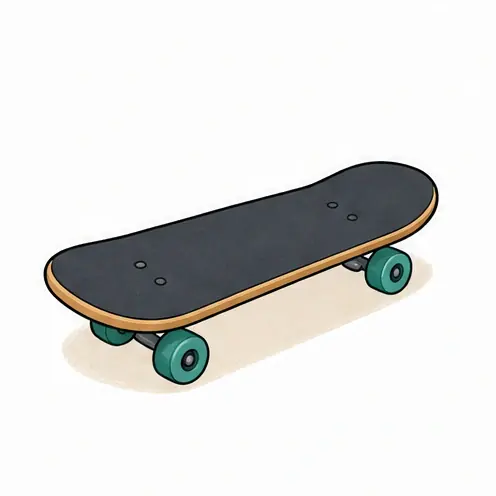
skateboardskateboard
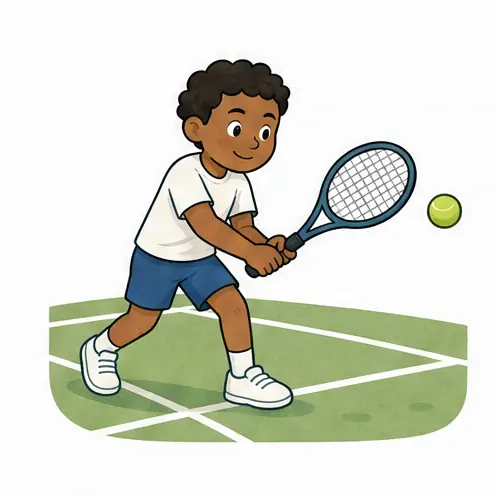
play tennisplay tennis
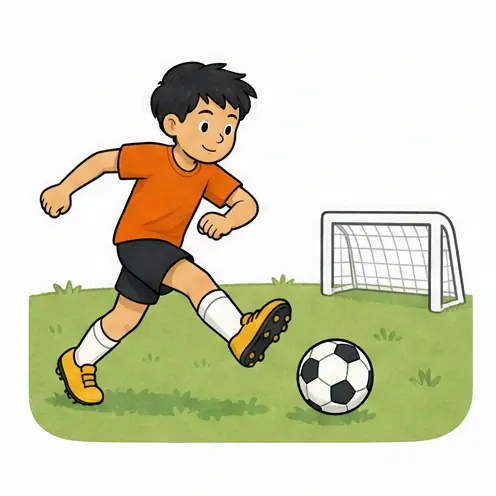
play footballplay football
roller skatesroller skates
tricycletricycle

Conversation

Leo Look! Roller skates, a skateboard, a tricycle and a bike.

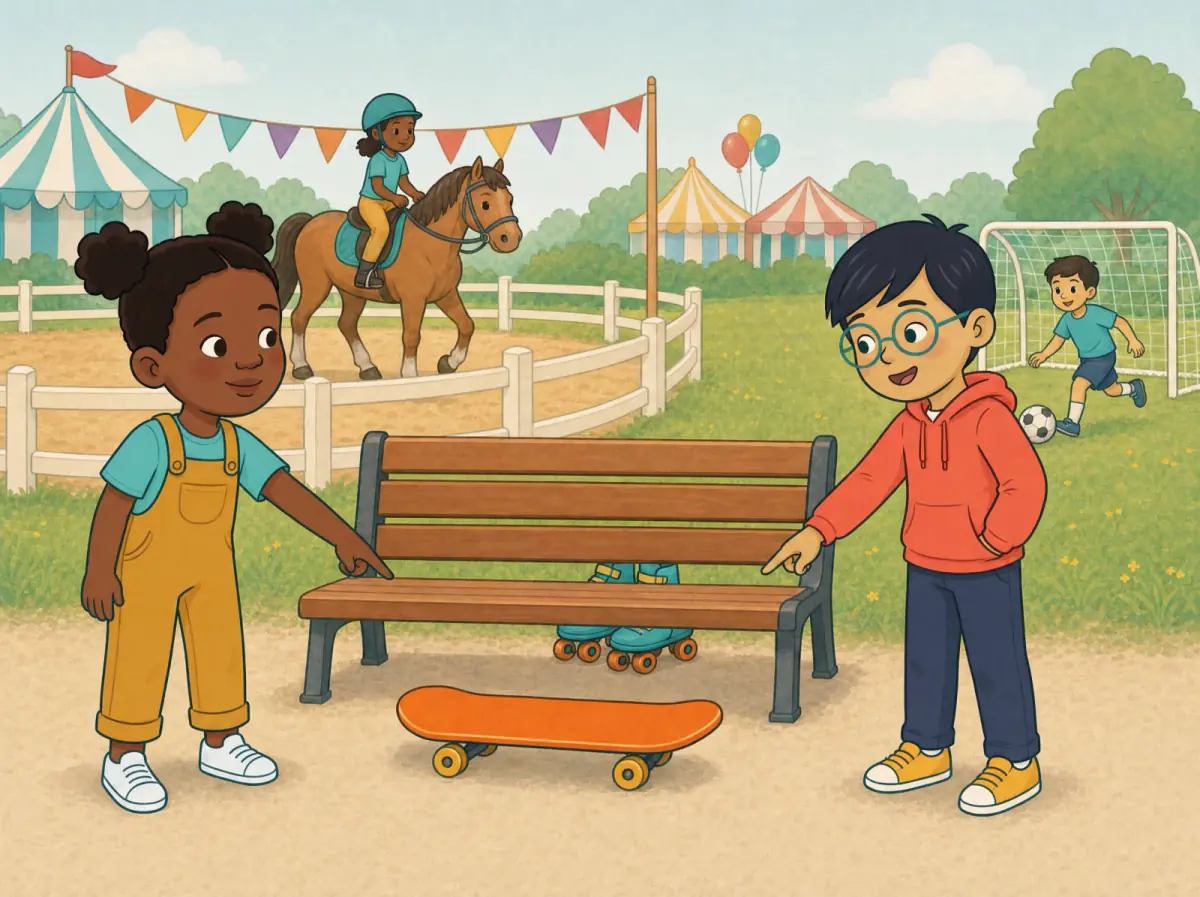
Nia The roller skates are under the bench.

Leo You can ride a bike. Can you skateboard?

Nia No, I can't.

Nia Where is the football?

Leo It's between the cones.

Language pattern

Can she skateboard?

No, she can't.

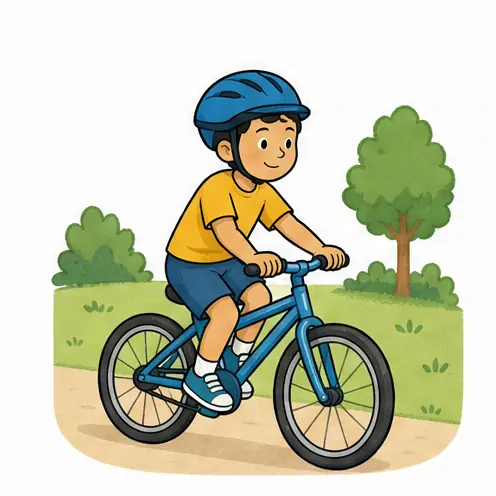
  • She can ride a bike.
  • The ball is between the cones.
  • The skates are under the bench.

More practice

Writer's picture page

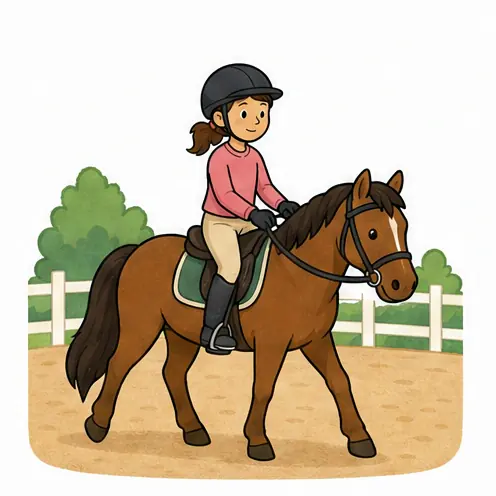
A horse, football next to a small goal, orange skateboard in front of a bench, and roller skates under the bench.
an apple / a blue doll

Choose the article from the next sound.

an orange bike / a skateboard

Choose the article from the next sound.

an umbrella / a banana

Choose the article from the next sound.

I can ride ___ ___.

I can ride a bike.

I can eat ___ ___.

I can eat an apple.

I can't ___.

Write one true or chosen ability.

I can't skateboard.

The ___ is ___ the ___.

Write one clear location sentence.

The skateboard is in front of the bench.

Nia What can you do?

Leo I can ride a bike. I can eat an apple. The skateboard is in front of the bench.

Leo What about you?

Nia I can't skateboard. I can eat an orange.

What can you do?

I can ride a bike. I can eat an apple. The skateboard is in front of the bench.

  • She can ride a bike.
  • The football is next to the small goal.
  • The skates are under the bench.
Learn this unit
How would you like to learn?

Park words: actions and things

This topic uses eight words from a park or a sports day. Six are actions: ride a bike, ride a horse, skate, skateboard, play tennis and play football. Two are things: roller skates and a tricycle. Only an action can follow “can”: “I can skate.”, not “I can roller skates.”

“Skateboard” is both the board and the action: “I can skateboard.”

  • With ride: ride a bike, ride a horse
  • With play: play tennis, play football
  • On wheels: skate, skateboard
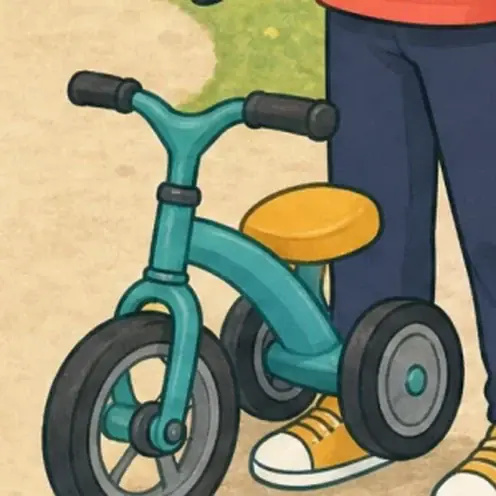
  • Things: roller skates, a tricycle (a bike with three wheels)

Can and can’t: one form for everyone

“Can” is the same for every person: “I can”, “you can”, “she can”, “they can”, with no “s” for he or she. The action after it stays in its basic form, with no “to”: “She can ride a horse.” The negative is “can’t”, short for “cannot”: “He can’t skate.”

The two words are easy to mix up when you listen, so let your child add a gesture: a nod for can, a head shake for can’t.

  • I can ride a bike. / I can’t ride a horse.
  • She can play tennis. / She can’t play football.

Asking “Can you…?” and “Can she…?”

To ask, put “Can” first: “Can you skateboard?” The short answer repeats “can” and stops: “Yes, I can.” or “No, I can’t.” The question says “you”, but the answer says “I”, because the speaker is talking about themselves. About another person, the answer matches that person: “Can she skateboard?” “No, she can’t.”

In this recording, one child asks about something new and hears an honest “No, I can’t.” At home, praise a no as much as a yes: the aim is a true sentence.

Leo You can ride a bike. Can you skateboard?

Nia No, I can't.

Where is it? Under, between and next to

“Where is the football?” asks about a thing, not an ability, so the answer is a place: “It’s between the cones.” For two or more things, say “Where are…?” and “They’re…”. “Between” needs something on each side.

  • under the bench
  • between the cones
  • next to the goal
  • behind the skateboard
  • in front of the bench

Nia The roller skates are under the bench.

Nia Where is the football?

Leo It's between the cones.

Learn this unit your way

A or an? Listen to the next sound

Before one thing, use “an” if the next word starts with a vowel sound (a, e, i, o, u) and “a” before other sounds: “a bike”, “an apple”. The word right after decides, so a colour can change it: “an orange bike” but “a blue doll”. It is the sound that counts, so later your child will meet “an hour” and “a uniform”.

  • a bike, a skateboard, a tricycle
  • an apple, an orange, an umbrella

A home game: draw a park skills map

Draw a simple park on paper: a bench, two cones and a goal. Add a ball or a toy bike. Take turns hiding the ball and asking “Where is the ball?” The answer is one sentence: “It’s under the bench.”

Then make a skills chart: family names down the side, a bike, a ball and a racket along the top. Your child asks each person “Can you ride a bike?”, adds a tick or a cross, then reads one row aloud: “Dad can ride a bike. He can’t play tennis.” Older children can write two “can” sentences and one “where” sentence.

Common mistakes and quick fixes

These are normal at this stage. Repeat the sentence back correctly and carry on.

  • “She cans skate.”: can never takes “s”: “She can skate.”
  • “I can to ride a bike.”: no “to” after can: “I can ride a bike.”
  • “Can you skate?” “Yes, you can.”: answer about yourself with I: “Yes, I can.”
  • “I can play the tennis.”: no “the” before a sport: “I can play tennis.”
  • “a apple”, “a orange bike”: use an before a vowel sound: “an apple”.

What comes next

When can and can’t feel easy, join two ideas with “but”: “I can play tennis, but I can’t skateboard.” Then ask “What can you do?” and wait for two or three sentences. Next comes classroom English, such as asking someone to repeat or spell a word.

Frequently asked questions

How can my child hear the difference between “can” and “can’t”?

In a sentence like “I can swim.”, “can” is quick and weak, almost “kn”, while “can’t” is stressed with a clear vowel; in British English it is often long, like the “a” in “car”. The final “t” is often hard to hear, so listen for the stress.

Is it “can not” or “cannot”?

Write one word, “cannot”, or the short form “can’t”, which children use most.

When do you use “an” instead of “a”?

Use “an” before a vowel sound: “an apple”. The next word decides, so “an apple” becomes “a red apple”.

Learn this unit
How would you like to learn?

What comes next?

One-to-one lessons with a live teacher

In Flalingo kids lessons, your child practises units like this one-to-one with a live teacher, through games on the same screen.

Book a free trial lesson