
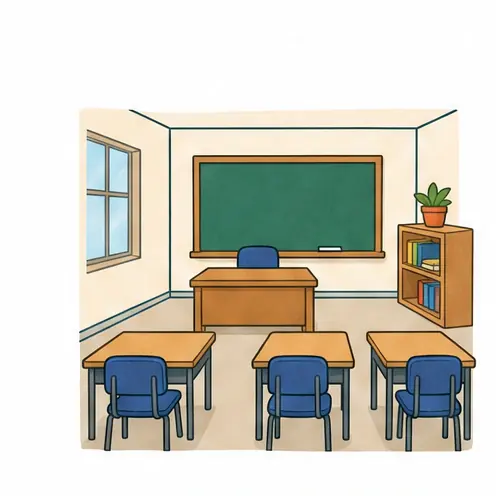
 classroom
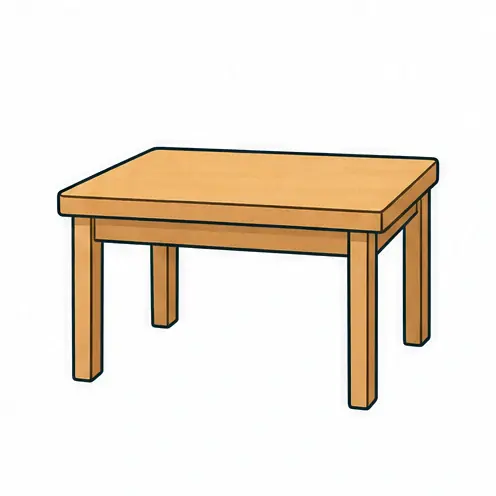 table
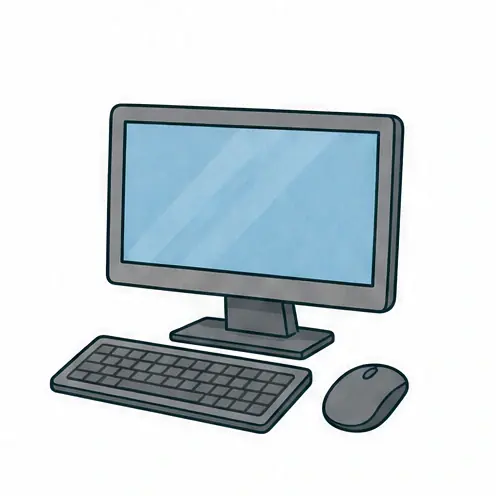 computer
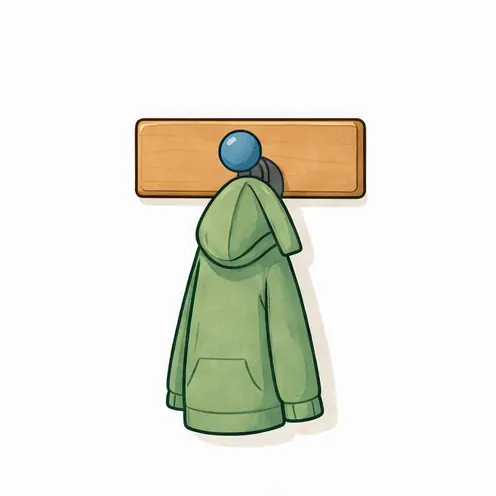 peg
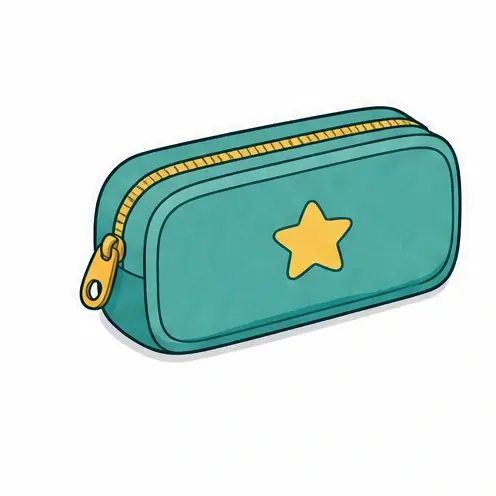 pencil case
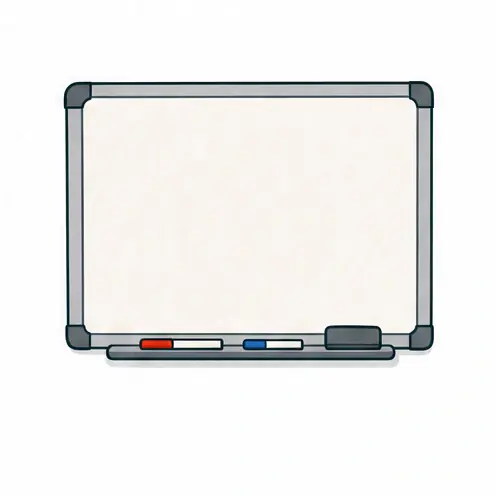 board
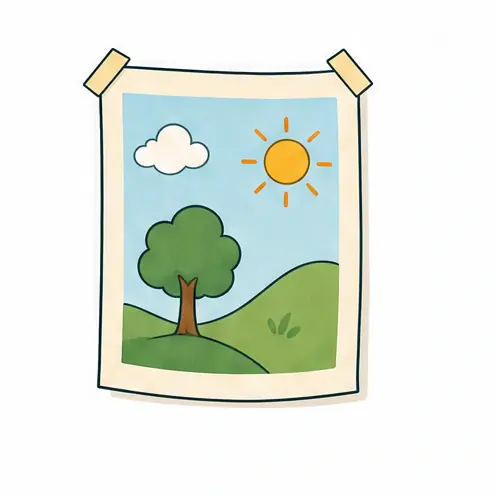 poster
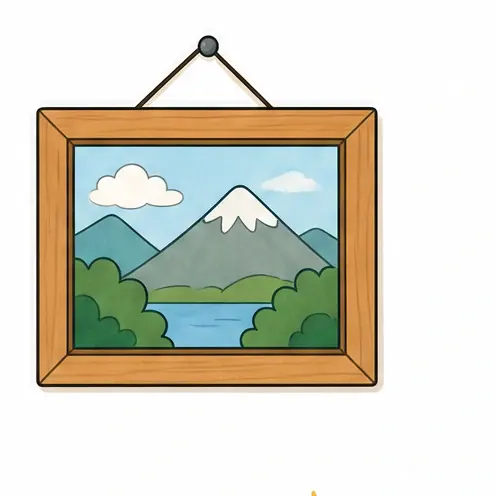 picture
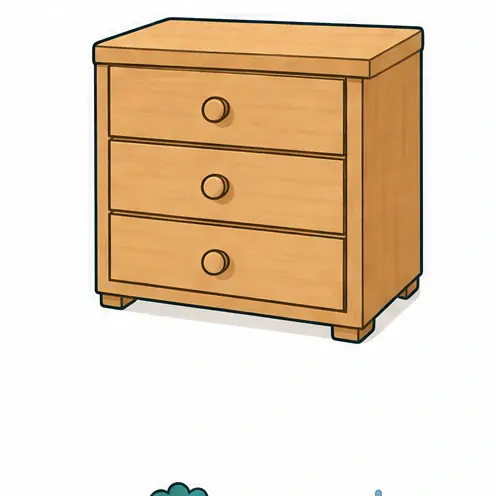 drawers
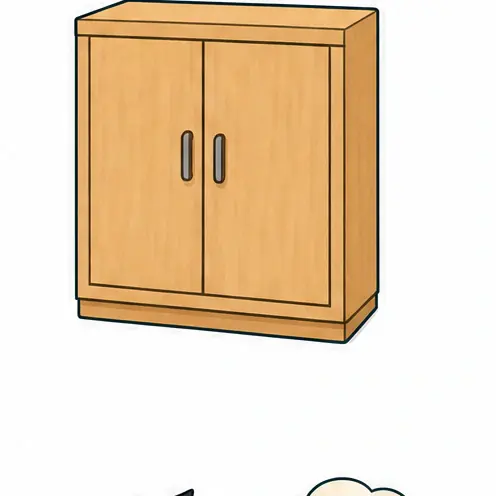 cupboard
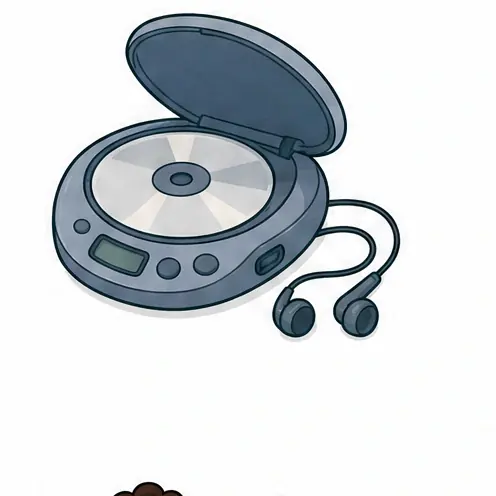 CD player
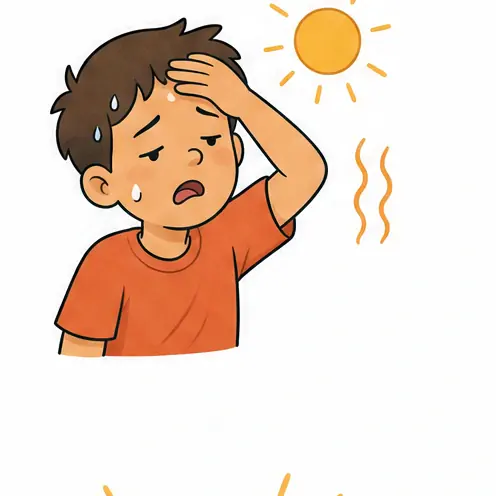 hot
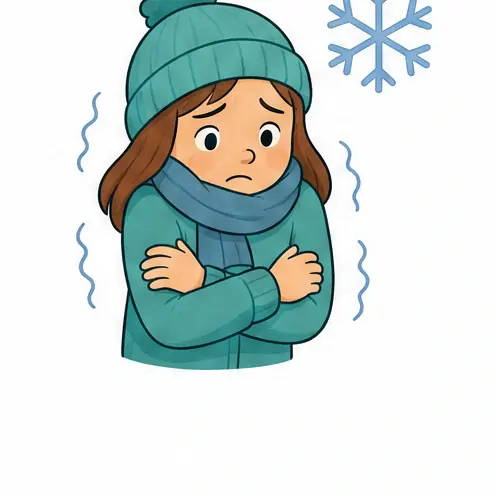 cold
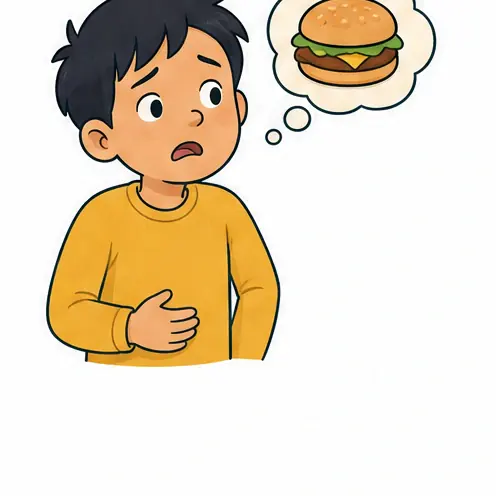 hungry
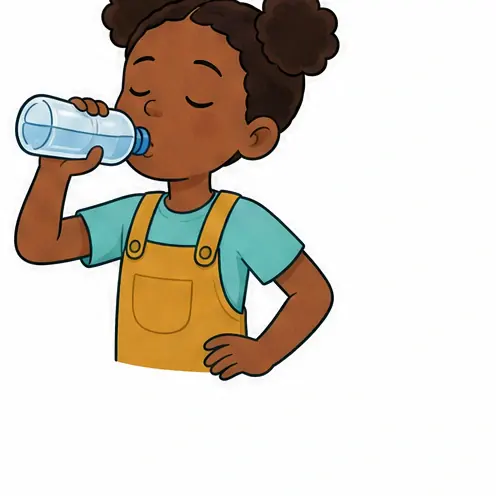 thirsty
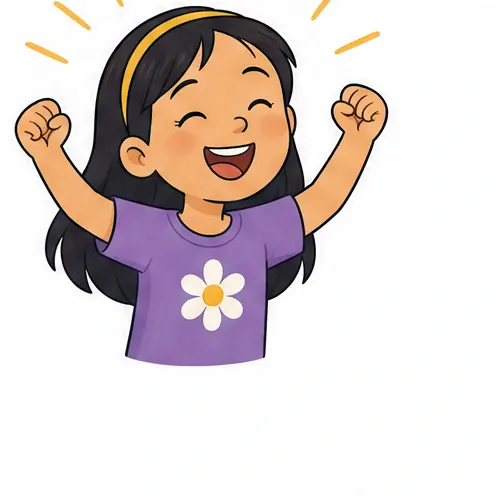 happy
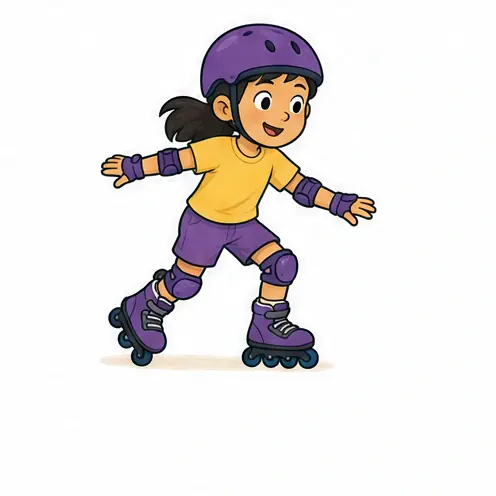 skate
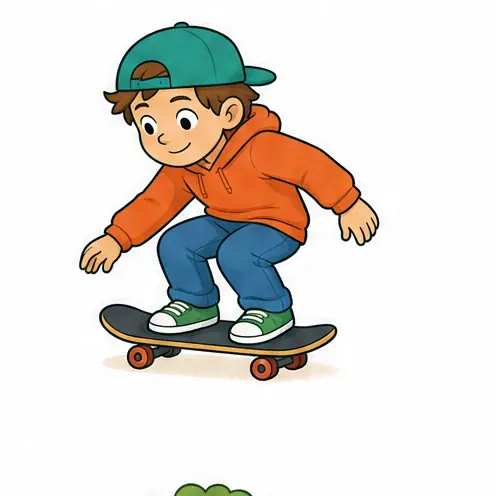 skateboard
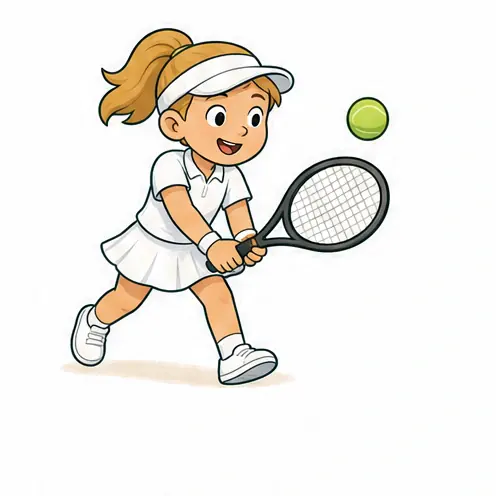 play tennis
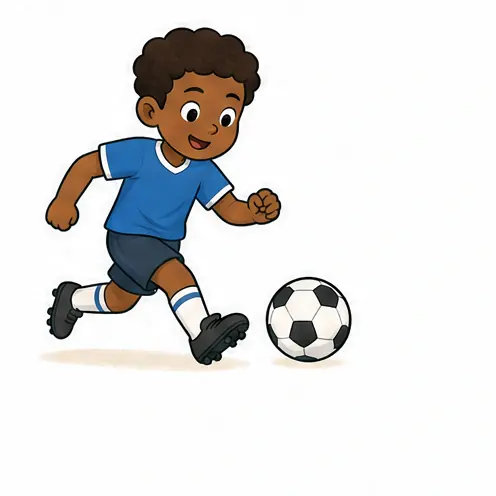 play football
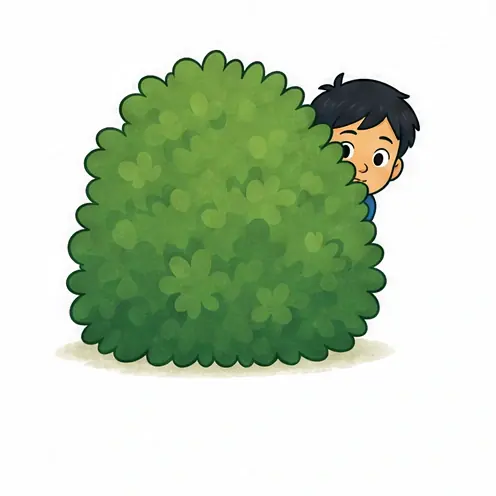 behind
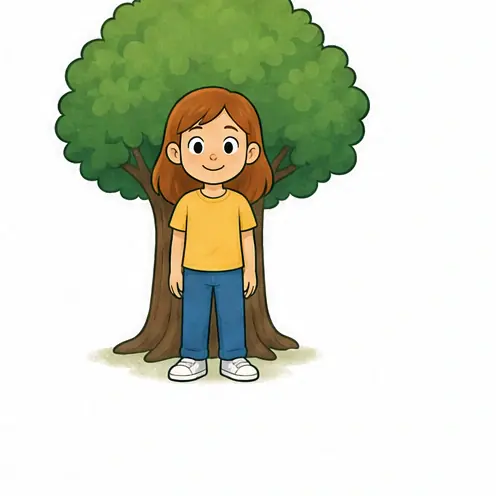 in front of
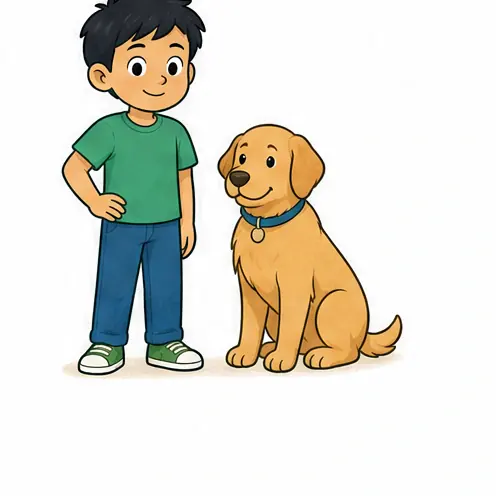 next to
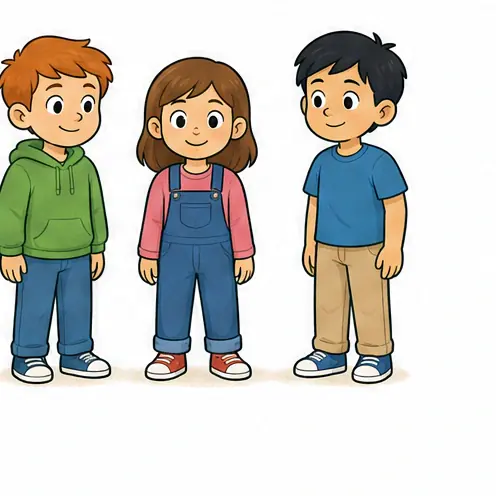 between
What this review brings together
At A1, children usually meet one pattern at a time: classroom things, then feelings, then sports with “can”. A review mixes them, so your child can’t guess which answer is coming. That listening, more than any new word, is what this page practises.
- Things in a room: “What are those?” “Those are pegs.”
- How people feel: “Are they thirsty?” “Yes, they are.”
- What someone can do: “Can you skateboard?” “No, I can’t.”
Listen to the first word of the question
The first word tells your child what kind of answer to give. “What” wants a name, so “yes” or “no” makes no sense: “Those are pegs.”, or in everyday speech “They’re pegs.” “Are” and “Can” want yes or no, and the short answer borrows the same word. A bare “Yes.” is fine in casual talk, but children practise the full short answer.
“Those” points at things further away; “they” is a group that doesn’t include you or me. When the question says “you”, the answer says “I”.
- What…? → a name: “Those are pegs.”
- Are…? → “Yes, they are.” or “No, they aren’t.”
- Can…? → “Yes, I can.” or “No, I can’t.”
Hear the three questions together
In the recording, one child asks another three questions in a row, each about something new: pegs on a wall, a group of people, then the listener. Before you play it, set out three things to point at: coat hooks, a picture of people who look hot and thirsty, and your child. Move your finger when the topic changes, so “they” clearly means the people, not the pegs.
Play it once while you point. Then you ask, your child answers, and you swap.
Nia What are those?
Leo Those are pegs.
Nia Are they thirsty?
Leo Yes, they are.
Nia Can you skateboard?
Leo No, I can't.
Words to bring back
The cards above play every word in the review. Use “this” and “these” for things near you, “that” and “those” for things further away. Feelings go with “am” or “are”, not “have”: “We’re hungry.” Sports follow “can” in their plain form: “She can play tennis.” For position words, hide a toy and give one clue: “It’s behind the cupboard.” “Between” always needs two things.
- Classroom: table, computer, pencil case, board, poster, picture, cupboard, CD player
- Feelings: hot, cold, hungry, thirsty, happy
- Abilities: skate, skateboard, play tennis, play football
- Position: behind, in front of, next to, between
A clue game at home
A review ends with your child making new questions, not only answering old ones. Play three short rounds: point across the room and ask “What are those?”; hold up a picture from a magazine and ask “Are they happy?”; then ask about a sport: “Can you play football?” After each round, your child asks you a new question of the same kind.
Riddles work too: “It’s across the room. It’s big. We write on it.” “A board!” Now and then, get an answer wrong on purpose; most children love correcting a grown-up.
Sounds to review: ch, sh and th
The review also goes back over three letter pairs that each make one sound. Ask your child to sort six words by sound: “ch” in chair and teacher, “sh” in shoes and fish, “th” in thumb and bath. For “th”, the tip of the tongue goes between the teeth and air flows out softly.
Common mistakes and quick fixes
These slips are normal when topics are mixed. Say the right version back and keep playing.
- “Yes.” to “What are those?”: give a name: “Those are pegs.”
- “Yes, they’re.”: end with the full word: “Yes, they are.”
- “No, you can’t.” about yourself: say “I”: “No, I can’t.”
- “They thirsty.”: feelings need “are”: “They are thirsty.”
- “Those are peg.”: more than one needs an “s”: “Those are pegs.”
What comes next
When your child switches between these questions without stopping to think, move on to asking for help with words (“Can you say that again, please?”) and to food with “have got” and “has got”: “I’ve got an apple.”