

Skip to content
Flalingo

English practice

Have got and has got for children (A1, ages 6–9): food questions like “Have you got fries?”

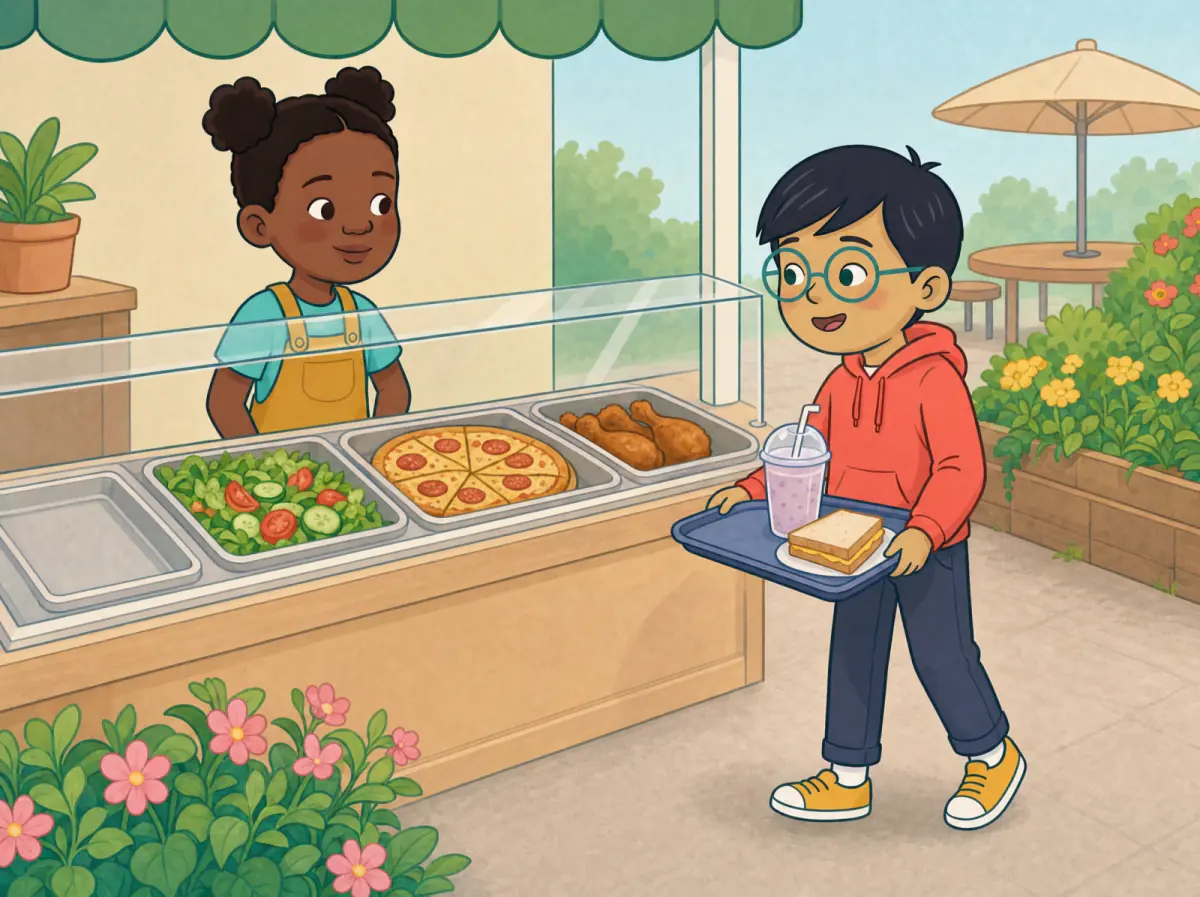
At a garden lunch stand, a child serves salad, pizza and chicken. Another child has a milkshake and a cheese sandwich. The fries tray is empty.

Help your child ask and answer food questions with have got and has got (A1): “Have you got fries?”, “Has he got pizza?” and the short answers “Yes, I have.” and “No, he hasn’t.”

To ask whether someone has something, children use “Have you got…?”: “Have you got fries?” The short answer is “Yes, I have.” or “No, I haven’t.” For another person, “have” becomes “has”: “Has he got pizza?” “No, he hasn’t.” This A1 topic suits children of about 6–9 who know some English, and a pretend food stall makes it easy to practise at home. Your child also learns twelve food words and counts in tens to 100.

Who this is for

  • Parents of children who know basic English: your child can name some food and say “I like pizza.”
  • Families who like playing shop or café: a toy kitchen, a lunch box or the fruit bowl is all you need.
  • Parents who want to practise at home: the cards below play every food word, and the recordings give you the questions and answers.
  • Too early: if food words and “I’ve got an apple.” are still new, start by naming what is in your child’s lunch box.
  • Too easy: if your child already asks “Has your brother got a bike?” and answers without help, go to “What comes next” at the end.

Open the sample pages

Open the sample pages

Word cards

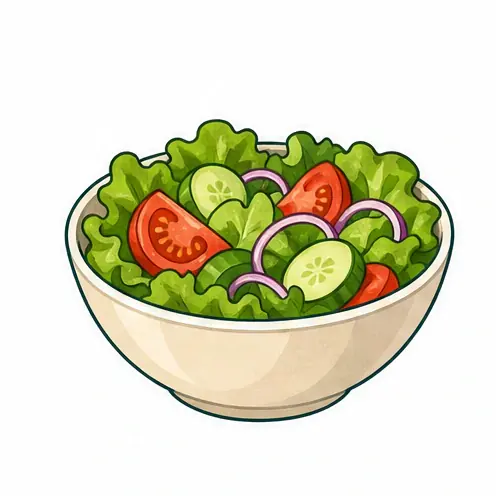
saladsalad
friesfries
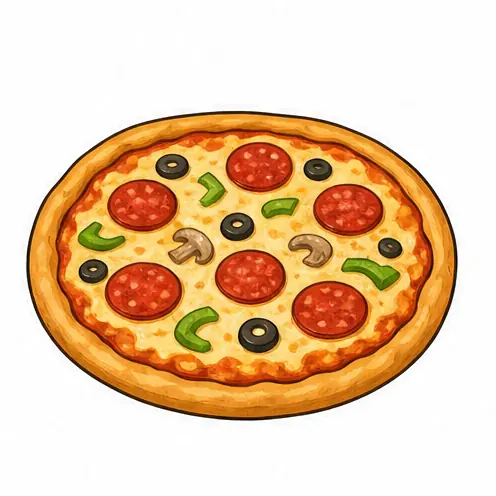
pizzapizza
milkshakemilkshake
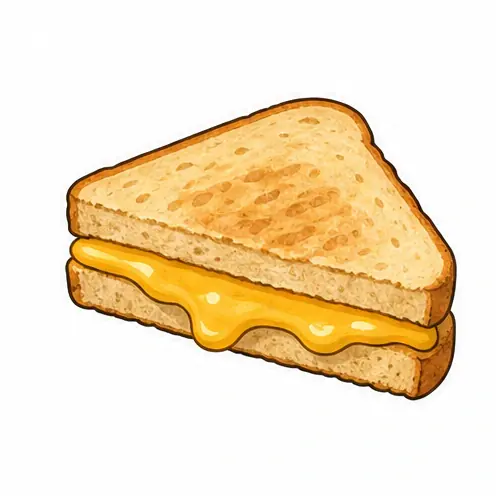
cheese sandwichcheese sandwich
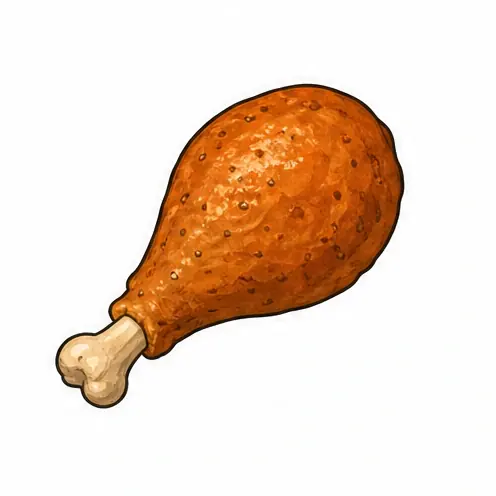
chickenchicken
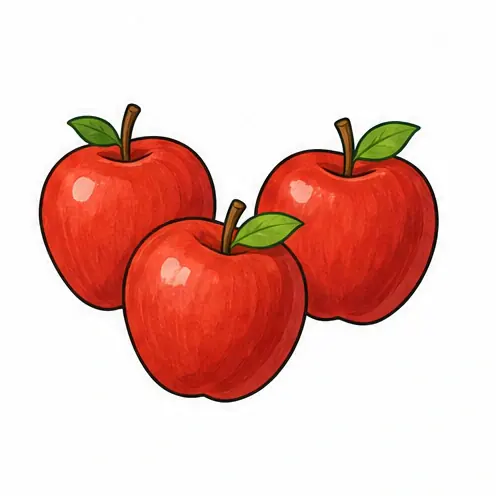
applesapples
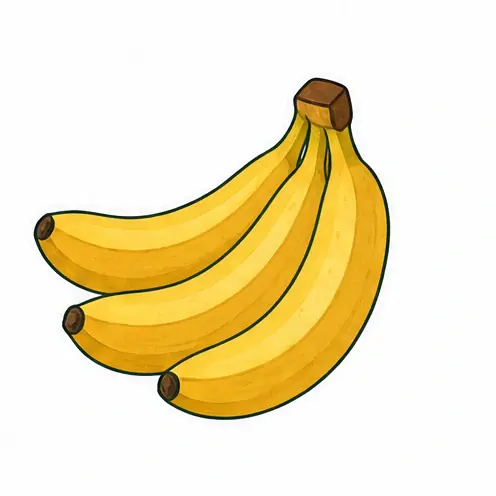
bananasbananas
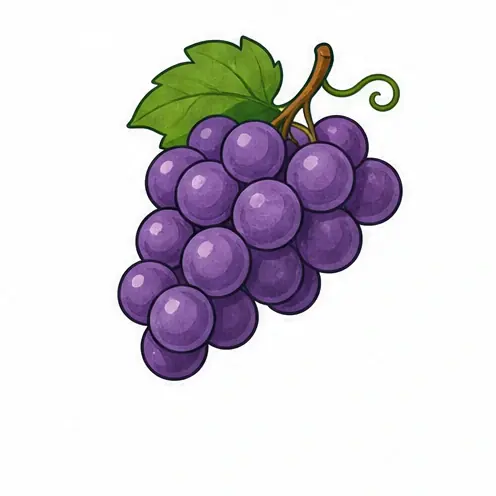
grapesgrapes
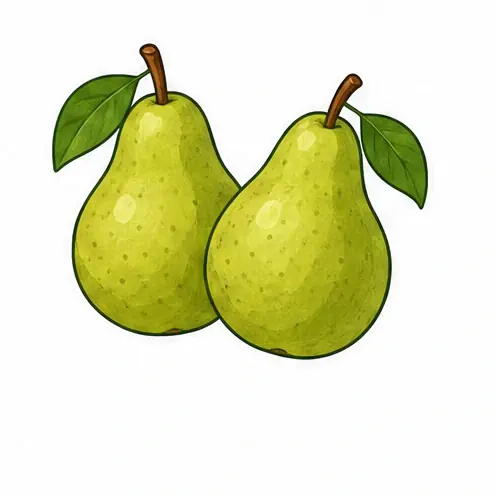
pearspears
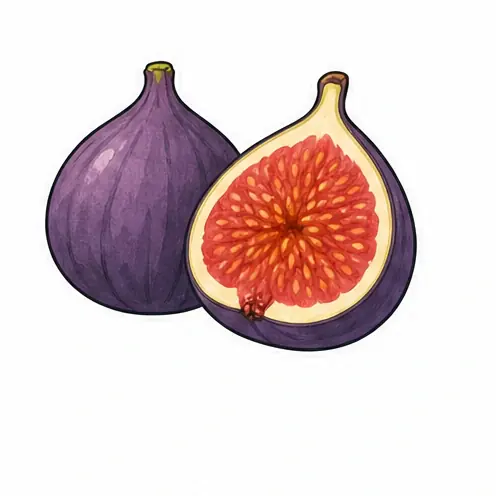
figsfigs
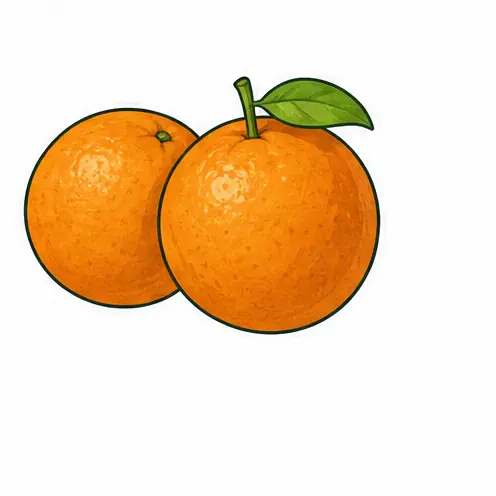
orangesoranges

Conversation

Leo Have you got fries?

Nia No, I haven't. The fries tray is empty.

Nia Have you got a milkshake?

Leo Yes, I have.

Teacher Has Leo got a cheese sandwich?

Nia Yes, he has.

Teacher Has Leo got pizza?

Nia No, he hasn't.

Teacher Has Nia got pizza?

Leo Yes, she has.

Language pattern

Have you got fries?

No, I haven't.

Use have with I and you. Use has with he and she.

  • Have you got a milkshake? Yes, I have.
  • Has he got a cheese sandwich? Yes, he has.
  • Has he got pizza? No, he hasn't.

More practice

What is available?

Leo Have you got apples?

Nia Yes, we have.

Leo Have you got bananas or pears?

Nia No, we haven't got bananas, and we haven't got pears.

Leo What about grapes and oranges?

Nia Yes, we've got grapes and oranges.

Leo Have you got figs?

Nia No, we haven't.

Have you got apples?

Yes, we have.

Listen for the fruit name and the yes or no answer.

  • Have you got grapes?
  • Yes, we have.
  • No, we haven't.

Run a tiny stall

saladsalad
friesfries
pizzapizza
milkshakemilkshake
cheese sandwichcheese sandwich
chickenchicken

Nia Have you got pizza?

Leo No, we haven't.

Nia Have you got chicken?

Leo Yes, we have.

Have you got grapes?

Yes, we have. / No, we haven't.

Choose four food cards for your stall. Your partner cannot see them.

  • Have you got a cheese sandwich?
  • Has Nia got chicken?
  • Yes, she has.
  • No, she hasn't.
Learn this unit
How would you like to learn?

Food and fruit words for this topic

Point to the real food or a picture as you say each word. Notice the small word in front: one thing you can count takes “a” (“a milkshake”), or “an” before a vowel sound (“an apple”). Fries and the fruit words end in “s” for more than one, so there is no “a”: “Have you got grapes?” Pizza, salad and chicken often have no “a” either: “Has he got pizza?”

“Grapes” and “fries” start with two consonants. Help your child join them with no vowel in between: “grapes”, not “guh-rapes”. In British English, fries are also called “chips”.

  • Lunch food: salad, fries, pizza, milkshake, cheese sandwich, chicken
  • Fruit: apples, bananas, grapes, pears, figs, oranges

Have you got…? Questions with you

Put “Have” first, then “you got” and the food: “Have you got a milkshake?” The short answer repeats “have” and drops “got”: “Yes, I have.” or “No, I haven’t.” A child can add a reason after “No”, as in the recording: “The fries tray is empty.”

Someone answering for a stall or a family uses “we”: “Yes, we have.” “No, we haven’t.” In full sentences, “I have got” is usually shortened to “I’ve got”.

Leo Have you got fries?

Nia No, I haven't. The fries tray is empty.

Nia Have you got a milkshake?

Leo Yes, I have.

Has he got…? Has she got…? Questions about others

With he, she or one person’s name, “have” becomes “has”: “Has he got a cheese sandwich?” “Yes, he has.” “Has she got pizza?” “No, she hasn’t.” When the question uses a name, the answer still uses “he” for a boy and “she” for a girl, as in the recording below. A short rule helps: I, you and we take “have”; he and she take “has”.

Teacher Has Leo got a cheese sandwich?

Nia Yes, he has.

Teacher Has Leo got pizza?

Nia No, he hasn't.

Teacher Has Nia got pizza?

Leo Yes, she has.

Counting in tens: 10 to 100

From 20 to 90, the tens end in “-ty”, with the stress on the first part: “THIR-ty”. In “thir-TEEN” the stress moves to the end, which helps your child hear the difference. Spell “forty” without the “u” of “four”. At home, make piles of ten pasta pieces and count the piles: “ten, twenty, thirty…”

  • 10 ten, 20 twenty, 30 thirty, 40 forty, 50 fifty
  • 60 sixty, 70 seventy, 80 eighty, 90 ninety, 100 one hundred
Learn this unit your way

A pretend food stall at home

Use a box as the counter and hide four food pictures or toy foods behind it. Your child, the customer, asks three questions: “Have you got pizza?” You answer for the stall: “Yes, we have.” or “No, we haven’t.” Give a teddy one food, and your child asks about it: “Has Teddy got chicken?” “Yes, he has.” Then swap roles. Five minutes is plenty.

Writing a lunch-box note

Once the questions are easy, your child can write four lines about a real or imagined lunch box: one question and three answers. The question ends with a question mark and each statement with a full stop.

  • Have you got fruit?
  • I’ve got an apple in my lunch box.
  • I’ve also got a cheese sandwich.
  • I haven’t got fries.

Common mistakes and quick fixes

These are normal at this stage. Repeat the sentence correctly and carry on.

  • “Have he got pizza?”: with he, she and a name, use “has”: “Has he got pizza?”
  • “Yes, I have got.”: the short answer stops at “have”: “Yes, I have.”
  • “Yes, I’ve.”: never shorten a yes answer: “Yes, I have.”
  • “Have you got milkshake?”: one thing you can count needs “a”: “Have you got a milkshake?”
  • “Has Tom got pizza?” “Yes, she has.”: a boy is “he”: “Yes, he has.”

What comes next

When this is easy, add “they”: “Have they got bananas?” “No, they haven’t.” Then join two ideas with “but”: “I’ve got grapes, but I haven’t got figs.” Next, the same pattern describes a school week: “What have we got on Monday?”

Frequently asked questions

What is the difference between “Have you got…?” and “Do you have…?”

They mean the same. “Have you got…?” is very common in British English; “Do you have…?” is used everywhere and is the usual form in American English. The short answers differ: “Yes, I have.” and “Yes, I do.” Practise one; both are correct.

When do you use “has” instead of “have”?

Use “has” with he, she, it and one person’s name: “Mum has got a sandwich.” Use “have” with I, you, we and they: “Have they got grapes?”

Why is there no “got” in the short answer?

Short answers repeat only the first verb: “Have you got fries?” “Yes, I have.” Adding “got”, or saying “Yes, I’ve.”, is not correct.

Learn this unit
How would you like to learn?

What comes next?

One-to-one lessons with a live teacher

In Flalingo kids lessons, your child practises units like this one-to-one with a live teacher, through games on the same screen.

Book a free trial lesson