
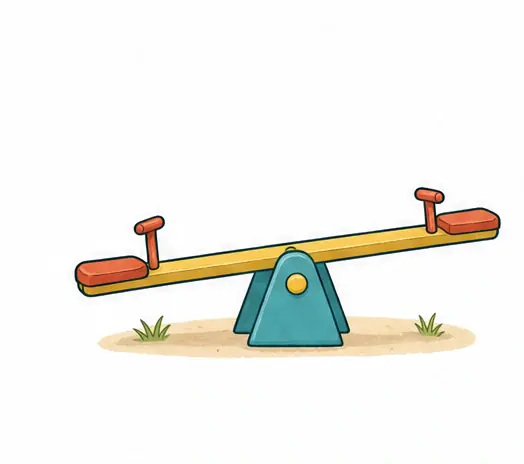
 seesaw
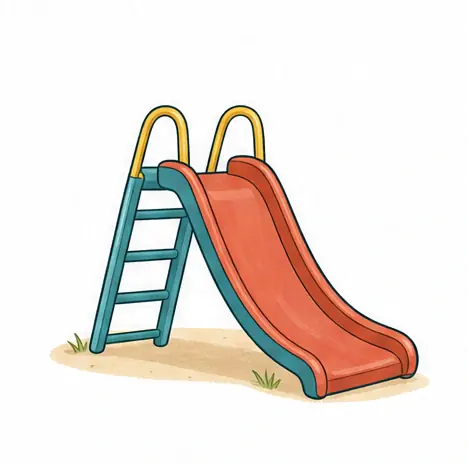 slide
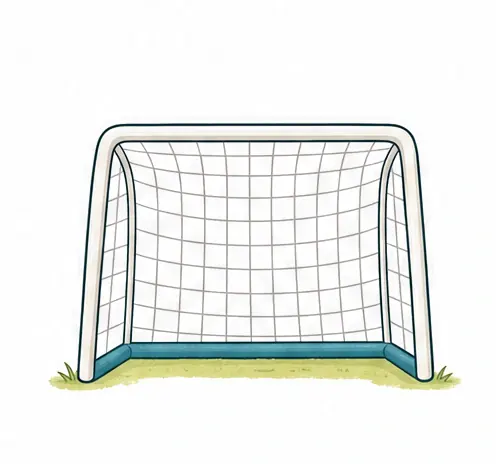 net
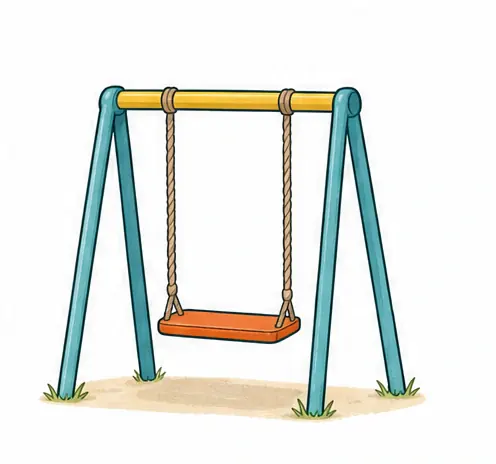 swing
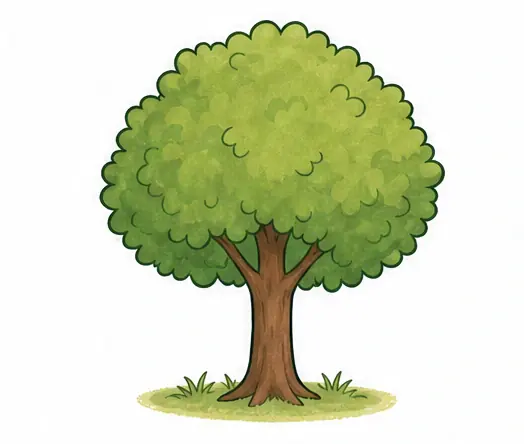 tree
Park words to start with
Begin with five things from a playground. Each card above has audio: let your child listen and point first, and say the word later.
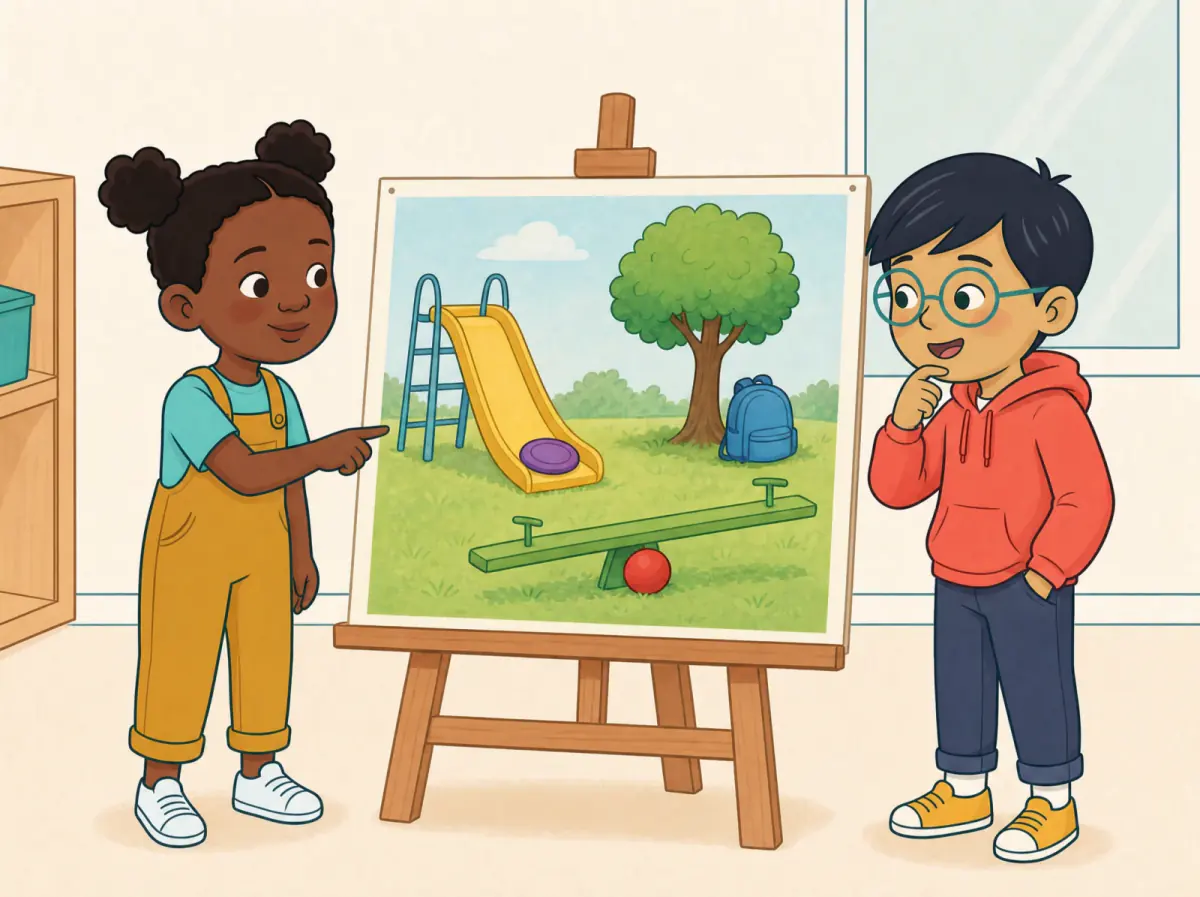
Five more words make the park bigger: pool, armbands, ice cream, frisbee and climbing frame. Americans usually say “water wings” for armbands and “jungle gym” for a climbing frame.
- seesaw: goes up and down
- slide: climb up, slide down
- swing: sit on it and go back and forth
- net: the net of a football goal
- tree: tall, with branches
In, on and under: one picture for each word
Show each word with a toy and a box first: in the box, on the box, under the box.
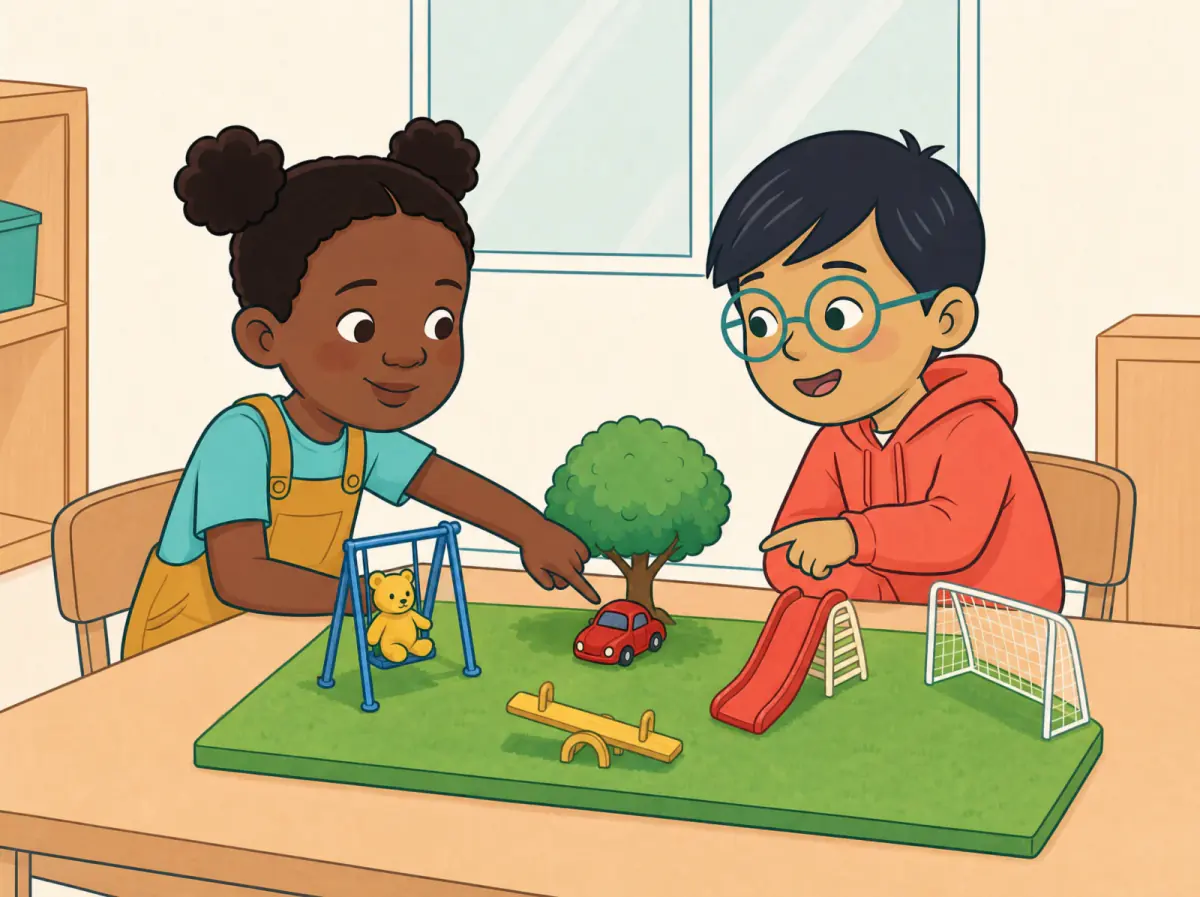
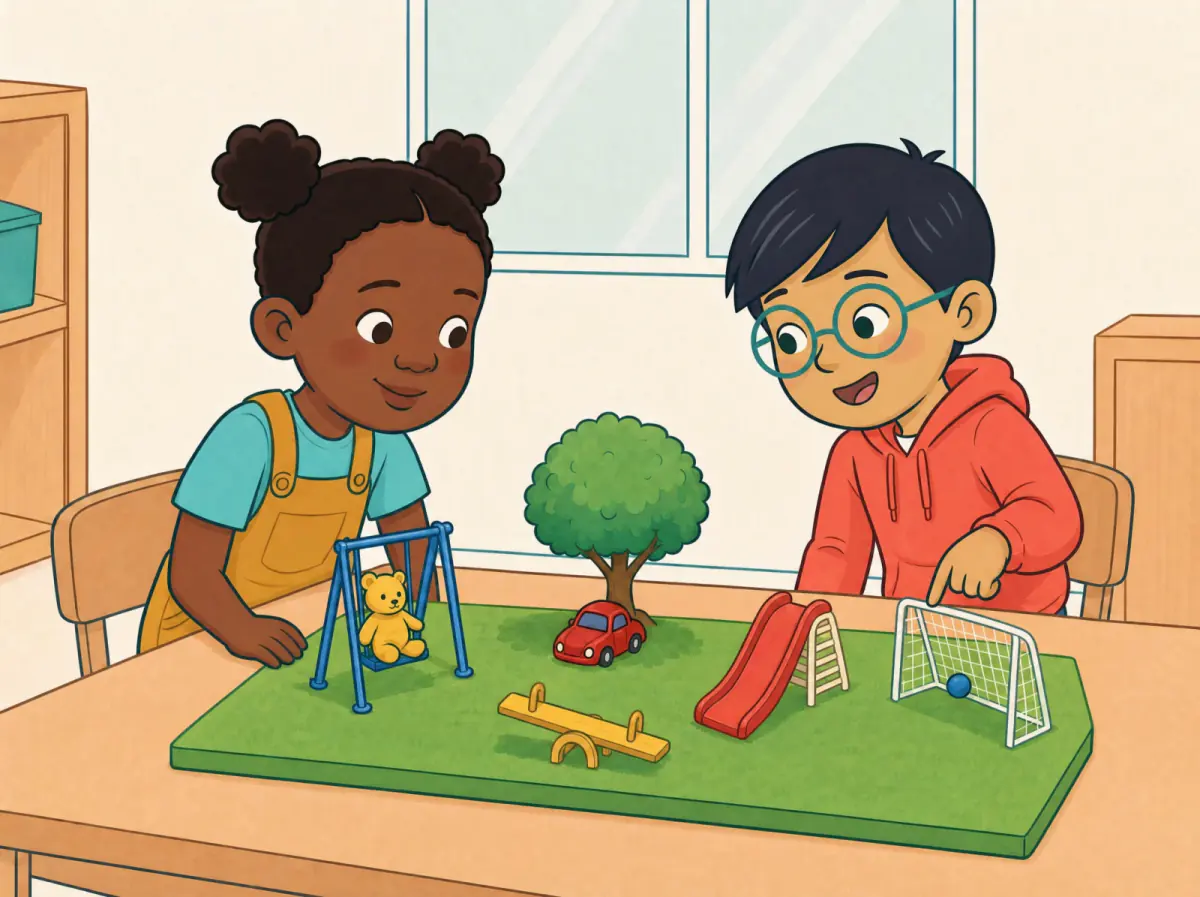
“In” means inside: the ball is in the net. “On” means on top and touching: the teddy is on the swing. “Under” means below: the car is under the tree. The little word always comes before “the” and the place: “under the tree”.
- in: The ball is in the net.
- on: The teddy is on the swing.
- under: The car is under the tree.
Asking “Where’s the ball?” and answering “It’s in the net.”
“Where’s” is short for “where is”, and “It’s” for “it is”. The answer swaps the thing for “it”, so your child doesn’t repeat the name: “Where’s the car?” “It’s under the tree.”
In a quick game, “Under the tree!” is fine too. Accept it, then say the full sentence back once.
- Where’s the car? It’s under the tree.
- Where’s the frisbee? It’s on the slide.
- Where’s the ball? It’s in the net.
Listen: where is each toy?
Two children build a little park for their toys. Listen together and point at the cards, then pause after each question so your child answers first.
“And the teddy?” is a handy shortcut: once the question is clear, English speakers often shorten it like this.
Leo Where's the car?
Nia It's under the tree.
Leo And the teddy?
Nia It's on the swing.
Leo Where's the ball?
Nia It's in the net!
Sounds to play with: q, r, s, t and u
Five letters go with this topic. Q nearly always comes with u, and together they say “kw”: “queen”. For r, the tongue doesn’t touch the top of the mouth. S hisses like a snake. The u in “umbrella” is short, like the “uh” in “up”: the same sound that starts “under”.
- q: queen
- r: rabbit
- s: sofa, seesaw, slide, swing
- t: teddy, table
- u: umbrella, under, up
Three five-minute games at home
Short and often beats one long session. Stop while your child still wants more.
- Tabletop park: make a tiny park from things at home: a ruler leaning on a book is a slide, a cup is a pool. Hide a small toy and ask “Where’s the car?” Your child finds it: “It’s under the slide!” Then swap.
- What changed?: your child closes their eyes while you move one toy, say from the swing to the slide. Then your child spots it: “The teddy is on the slide!”
- My park page: your child draws a friend in a park, and you write one sentence together: “Sam is on the swing.” Check the capital letter in the name; younger children just say it.
Common mistakes and quick fixes
These slips are normal. Don’t stop the game; just say the right version back.
- “Is under the tree.”: many languages drop the word for “it”; English can’t. Say it back: “It’s under the tree.”
- “It’s under tree.”: add “the”: “under the tree”, “on the swing”.
- Mixing up in and on: put the toy inside a box, then on the lid: “in the box”, “on the box”.
- “sam is on the swing.”: a name always starts with a capital letter: “Sam”.
What comes next
When in, on and under come easily, let your child hide the toy and ask. Then try more than one thing: “Where are the balls?” “They’re under the bed.” Add next to, behind and in front of at tidy-up time: “Your shoes are under the chair.”