Skip to content
Flalingo

English practice

Family members in English for children (Pre-A1, ages 5–8): “Grandma’s hat”, “Dad’s book” and the possessive ’s

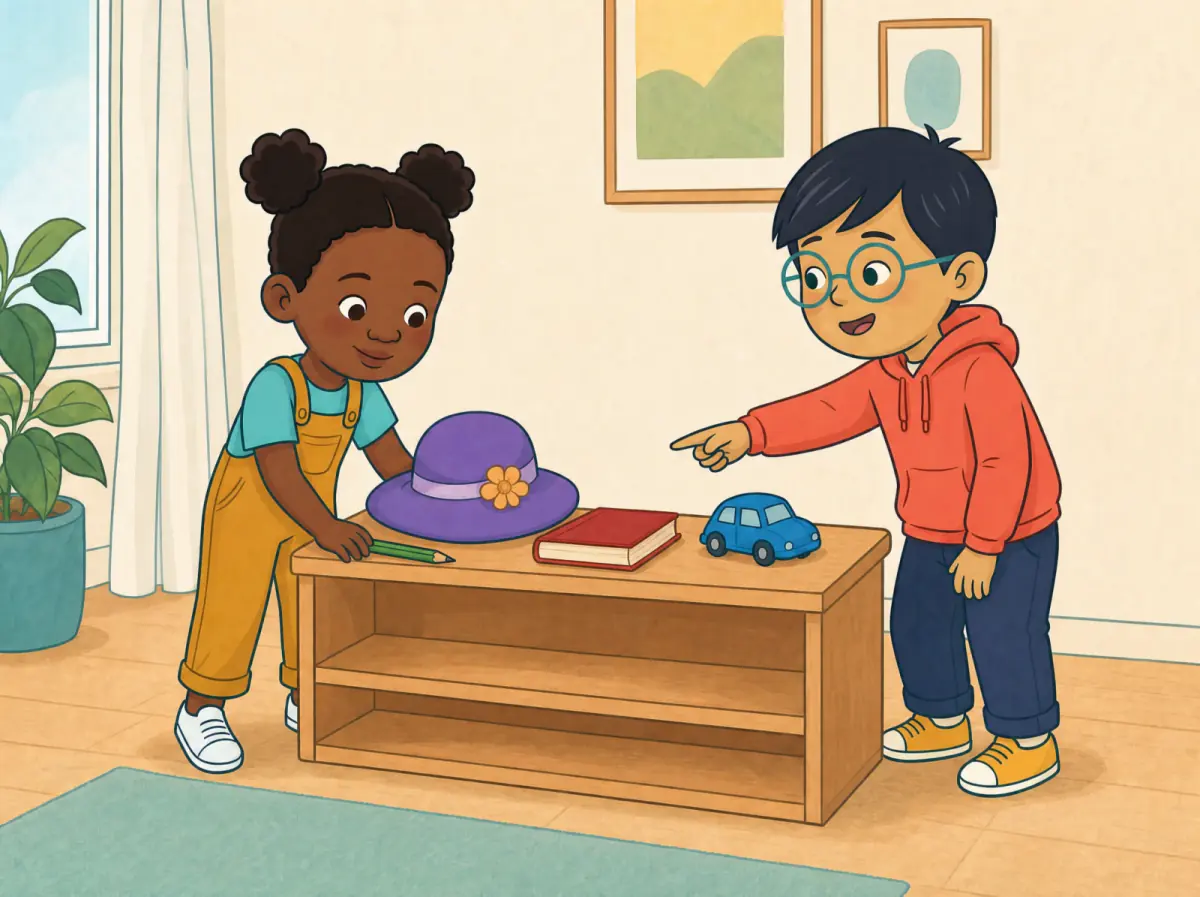
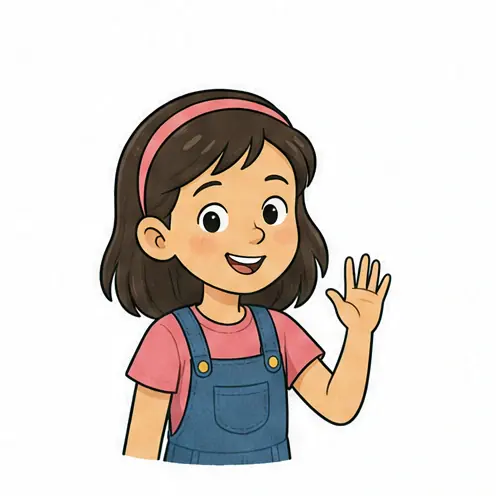
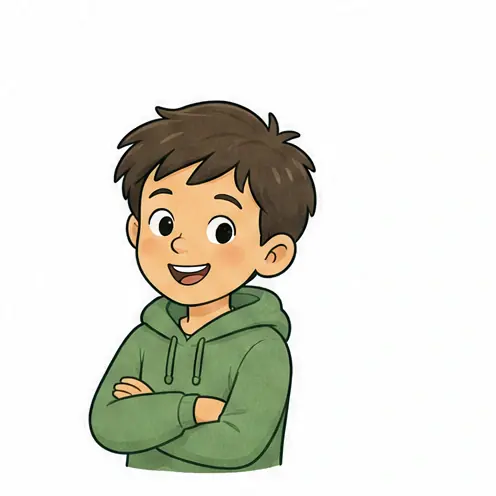
A girl shows a boy her grandma’s purple hat and her dad’s red book.

Teach your child (Pre-A1, ages 5–8) nine family words, how ’s shows whose something is (“This is Grandma’s hat.”) and how to answer “Is this your car?”, with three short games for home.

Children learn family words fastest with real things that belong to real people. Hold up a cup and say “This is Dad’s cup.”, or point to a photo: “Who’s this?” “It’s my aunt.” The small ’s after a person shows the owner: Grandma’s hat, my brother’s car. This is a very first topic (Pre-A1) for children of about 5–8. Five minutes a day is enough, and you don’t need to speak English: the cards and recordings play every word.

Who this is for

  • Parents of children starting English: your child knows some object words, such as toys, colours or school things, and is ready to talk about the family.
  • Parents who aren’t confident in English: every family word has audio on the cards, and the sentences you need are written out here.
  • Children who meet family words or ’s at school: for short games at home with things that really belong to someone.
  • Too early: if “my” and “your” are still new, start with the my, your and its toy review linked at the end.
  • Too easy: if your child already says “This is my sister’s bag.” without help, go on to his and her with puppet clothes, linked at the end.

Open the sample pages

Open the sample pages

Word cards

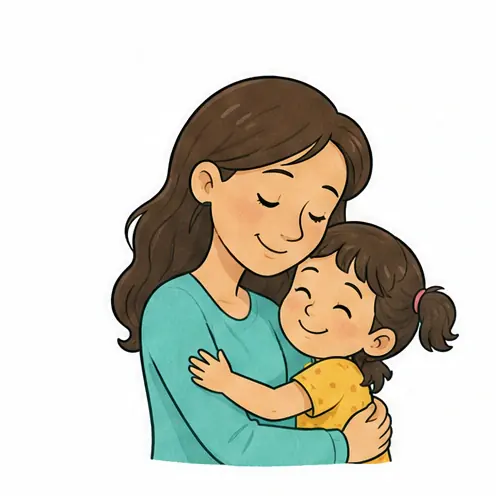
mummum
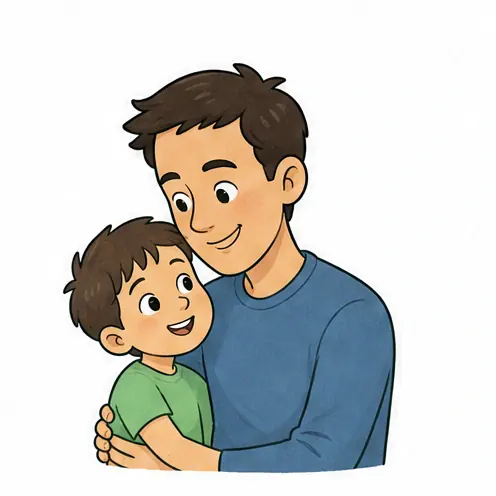
daddad
sistersister
brotherbrother
grandmagrandma
grandpagrandpa
auntaunt
uncleuncle
cousincousin

Conversation

Nia This is Grandma's hat.

Leo And this book?

Nia It's Dad's book.

Leo Is this your car?

Nia No, it's my brother's car.

Leo And this pencil?

Nia It's my pencil!

Leo Your family shelf!

Language pattern

What's this?

This is Grandma's hat.

  • This is Dad's book.
  • Is this your brother's car?
  • Yes, it is.

More practice

What's this?

Nia shows Leo her grandma’s purple hat and her dad’s red book.

Leo What's this?

Nia This is Grandma's hat.

Nia This is Dad's book.

Leo Is this your brother's car?

Nia Yes, it is.

What's this?

This is Grandma's hat.

  • This is Dad's book.
  • Is this your brother's car?
  • Yes, it is.

Who's this?

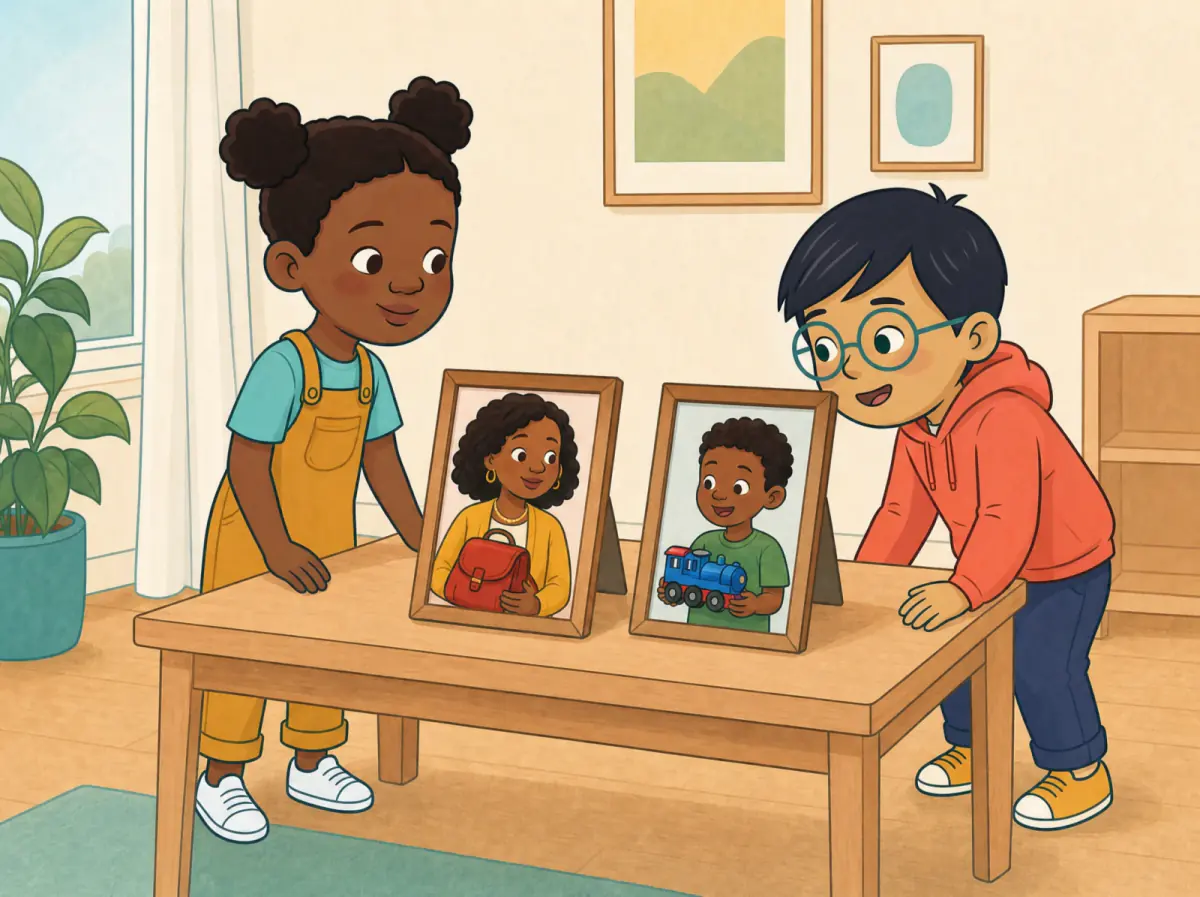
Nia shows photos of her aunt with a red bag and her cousin with a blue train.

Leo Who's this?

Nia It's my aunt.

Nia This is my aunt.

Leo Is it your aunt's bag?

Nia Yes, it's my aunt's bag.

Nia This is my cousin.

Who's this?

It's my aunt.

  • This is my aunt.
  • It's my aunt's bag.
  • This is my cousin.

My little page

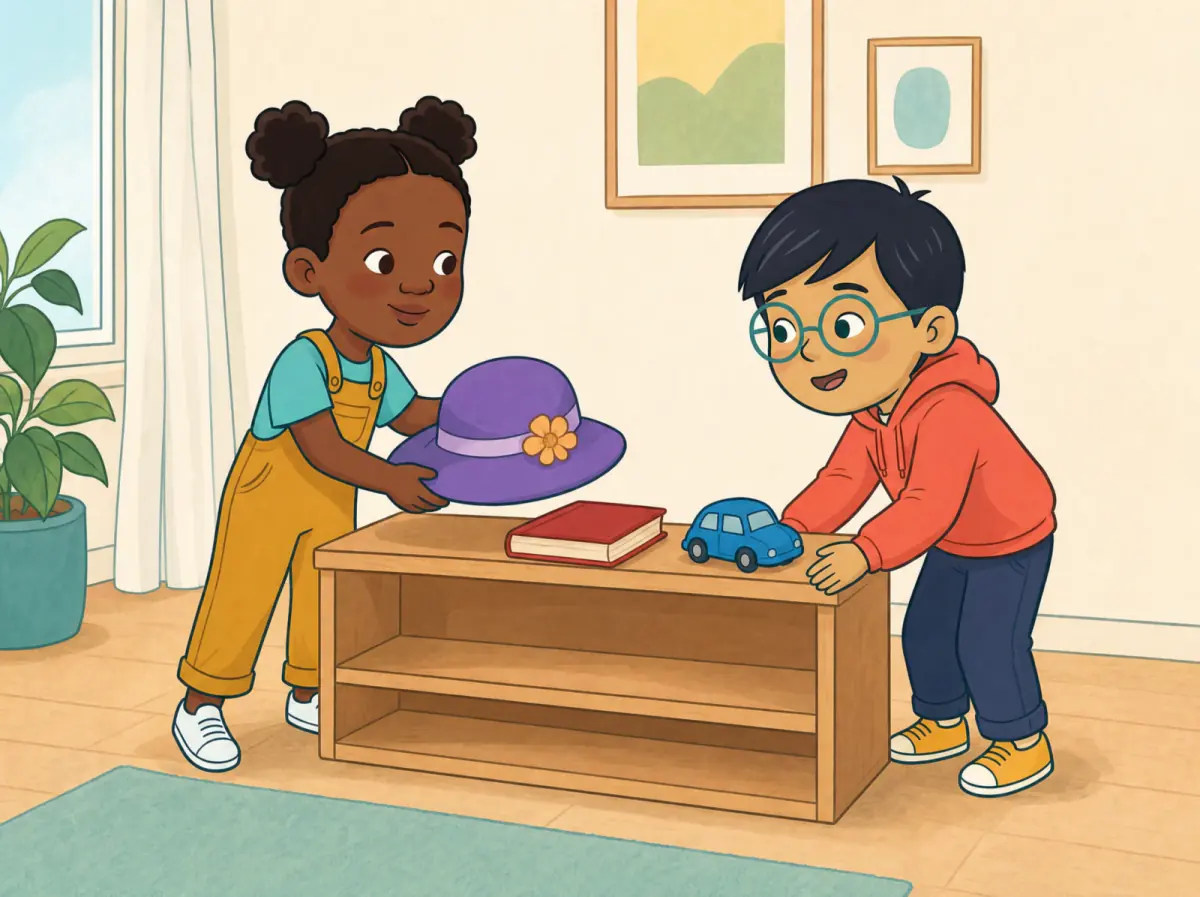
Nia adds her own green pencil to the family shelf.

Nia Who's this? This is my aunt. This is my aunt's bag.

My writing model

Who's this? This is my aunt. This is my aunt's bag.

Learn this unit
How would you like to learn?

Nine family words to start with

Start with the six people closest to your child, then add aunt, uncle and cousin. Each card above has audio: let your child listen and point first, and speak later. A real family photo works even better.

“Mum” is British; Americans say “Mom”. “Aunt” sounds like “ahnt” in British English and like “ant” in most American English. A cousin can be a boy or a girl.

  • mum, dad: mother and father
  • sister, brother: older or younger
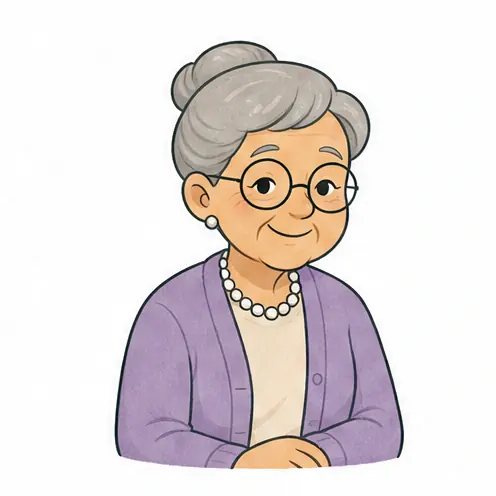
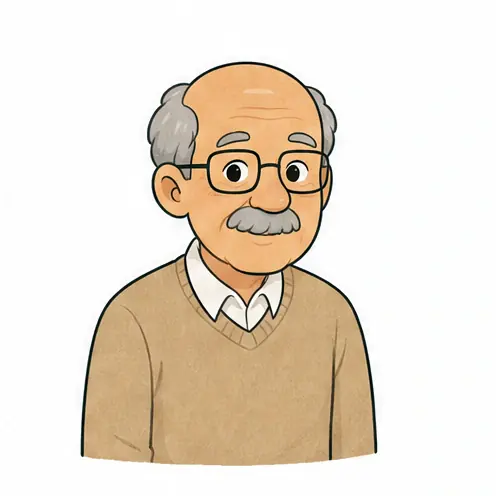
  • grandma, grandpa: Mum’s or Dad’s parents
  • aunt, uncle: Mum’s or Dad’s sister and brother
  • cousin: an aunt’s or uncle’s child

’s shows whose it is: “Grandma’s hat”

Add ’s to the person, then say the thing: Grandma + ’s + hat = “Grandma’s hat”. The owner always comes first; “the hat of Grandma” sounds strange in English.

Mum, Dad and Grandma take a capital letter when used like a name: “This is Dad’s book.” After “my” they take a small letter: “It’s my dad’s book.”

  • This is Grandma’s hat.
  • It’s Dad’s book.
  • It’s my brother’s car.

“Is this your car?”: yes, no and the real owner

Questions about one thing start with “Is this …?”. The short answers are “Yes, it is.” and “No, it isn’t.” After a no, your child names the real owner: “No, it’s my brother’s car.”

For any object, ask “What’s this?”: “This is Grandma’s hat.”

  • Is this your brother’s car? Yes, it is.
  • Is this your car? No, it’s my brother’s car.

Listen: things on a family shelf

Two children look at a family shelf. Listen together and point to the right card each time a person is named; pause after each question so your child answers first.

In “It’s my pencil!”, “my” replaces a name because the speaker owns it.

Nia This is Grandma's hat.

Leo And this book?

Nia It's Dad's book.

Leo Is this your car?

Nia No, it's my brother's car.

Leo And this pencil?

Nia It's my pencil!

Leo Your family shelf!

“Who’s this?” or “What’s this?”: people and things

Ask “Who’s this?” about a person and “What’s this?” about a thing. Point to someone in a photo: “Who’s this?” “It’s my aunt.” Then point to what she holds: “Is this your aunt’s bag?” “Yes, it’s my aunt’s bag.”

  • Who’s this? It’s my aunt.
  • Who’s this? This is my cousin.
Learn this unit your way

Sounds to play with: v, w, x, y and z

For v, the top teeth touch the bottom lip and the sound buzzes; for w, the lips make a small circle without the teeth. In short words, x comes at the end and says “ks”: box, six. Y sounds like the start of “yes”, and z buzzes like a bee.

  • v: van
  • w: window
  • x: box
  • y: yo-yo
  • z: zebra

Three five-minute games at home

Short and often beats one long session. Stop while your child still wants more.

  • Family shelf: put one small thing from each person at home on a tray: Dad’s cup, Grandma’s scarf, your child’s pencil. Hold one up: “What’s this?” “This is Dad’s cup.”
  • Wrong owner: guess wrong on purpose: “Is this Mum’s scarf?” Your child puts you right: “No, it’s Grandma’s scarf!” Then swap roles.
  • My family page: your child draws a relative with a favourite thing, and you write together: “Who’s this? This is my aunt. This is my aunt’s bag.” Point out the question mark; younger children just say it.

Common mistakes and quick fixes

These slips are normal. Don’t stop the game; just say the right version back.

  • “It’s Dad book.”: add the ’s with a little stress: “It’s Dad’s book.”
  • “The hat of Grandma.”: owner first: “Grandma’s hat.”
  • “Yes, it’s.”: say “Yes, it is.”
  • “What’s this?” about a person: point and say “Who’s this?”
  • “Dads book” in writing: the apostrophe goes before the s: “Dad’s book”.

What comes next

When ’s comes easily, let your child ask while you answer. Then swap the name for a short word: “Grandma’s hat” becomes “her hat”, and “Dad’s book” becomes “his book”. His and her are the natural next step.

Frequently asked questions

How do you teach the possessive ’s to children?

With real things that belong to people your child knows. Hold up an object and name the owner: “This is Mum’s phone.” Then ask “Is this Dad’s phone?” so your child answers “No, it’s Mum’s phone.”

What is the difference between “who’s” and “whose”?

“Who’s” means “who is” and asks about a person: “Who’s this?” “It’s my aunt.” “Whose” asks about the owner: “Whose bag is this?” “It’s my aunt’s.” They sound the same; teach the meaning first.

Is it “Mum” or “Mom” in English?

“Mum” is British and “Mom” is American; both mean mother. Use a capital letter when it works as a name (“Mum’s bag”) and a small letter after “my” (“my mum’s bag”).

Learn this unit
How would you like to learn?

What comes next?

One-to-one lessons with a live teacher

In Flalingo kids lessons, your child practises units like this one-to-one with a live teacher, through games on the same screen.

Book a free trial lesson