Skip to content
Flalingo

English practice

This, that, these and those for children (A1, ages 6–9): classroom things near and far

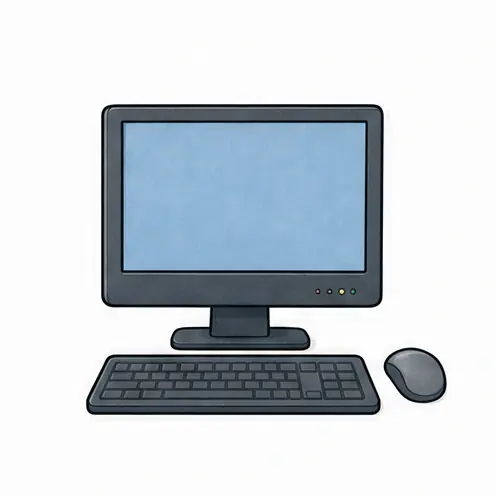
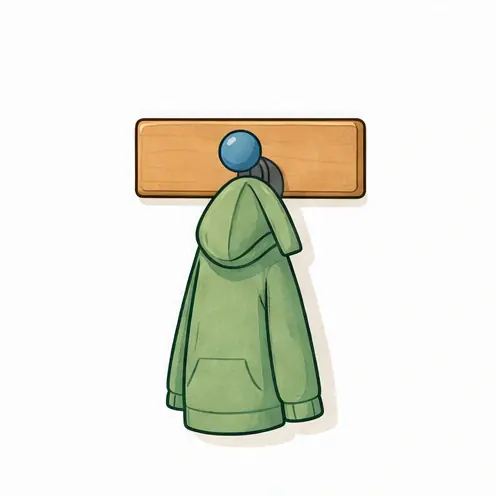
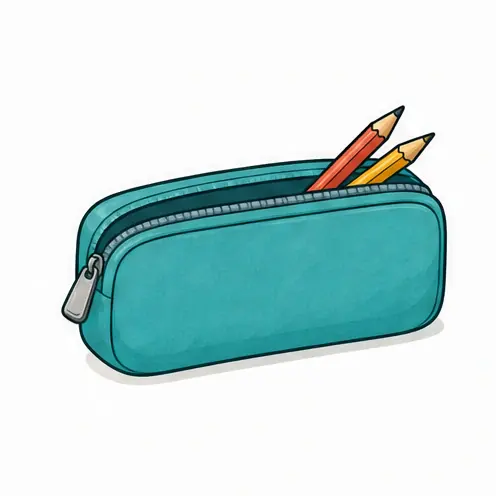
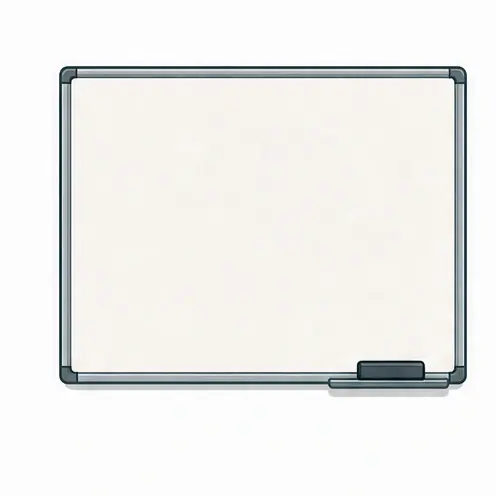
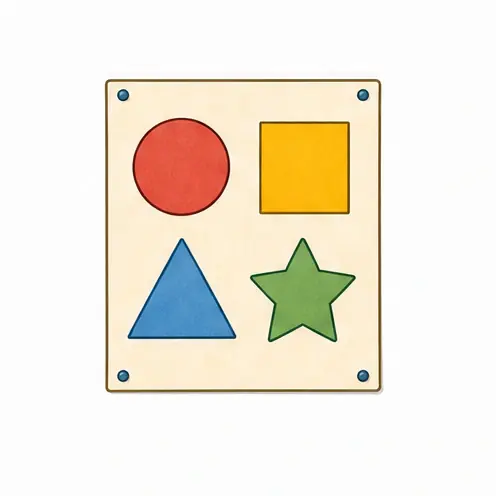
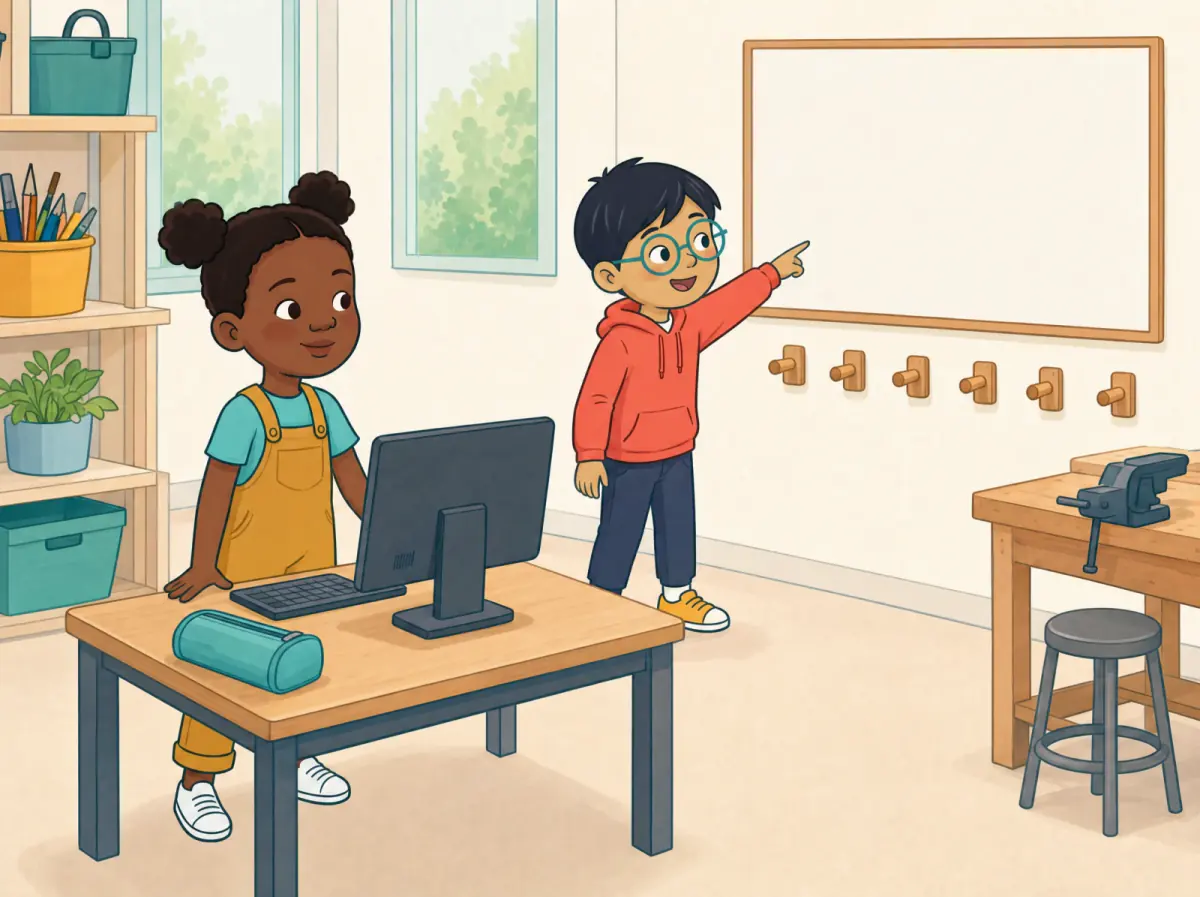
In the makerspace classroom at River Studio School, a child stands beside one computer and one turquoise pencil case on a near table. Another child points across the room to one blank board and six sturdy wall pegs.

Help your child choose this, that, these or those in English (A1) by checking two things: is it near or far, and is it one thing or more? With classroom words and recorded examples.

English has four pointing words, and children choose the right one by checking two things: is it near or far, and is it one thing or more than one? Near and one is “this” (“This is a computer.”), far and one is “that” (“That is a board.”), near and more is “these” (“These are pencils.”) and far and more is “those” (“Those are six pegs.”). The verb changes too: “is” for one thing, “are” for more. This is an A1 topic for children of about 6–9 who can already say “It’s a pencil.”

Who this is for

  • Parents of children who know basic English: your child can say “It’s a pencil.” and name a few school things.
  • Families starting a new school year: classroom words are useful straight away, and every room at home has near and far things.
  • Parents who want to practise at home: a few objects and some space are enough, and the cards below play every word.
  • Too early: if your child can’t yet answer “What’s this?” with “It’s a pencil.”, start with school things and “What’s this?” first.
  • Too easy: if your child already says “Those are my books, and this is my bag.” without thinking, go to “What comes next” at the end.

Open the sample pages

Open the sample pages

Word cards

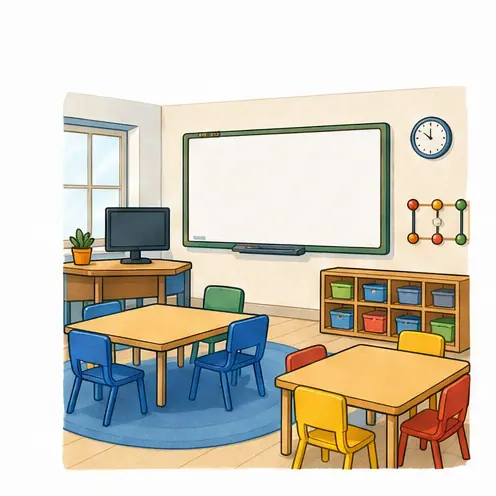
classroomclassroom
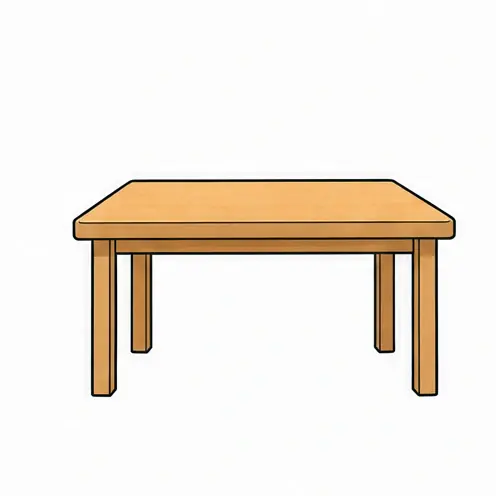
tabletable
computercomputer
pegpeg
pencil casepencil case
boardboard
posterposter
picturepicture
drawersdrawers
cupboardcupboard
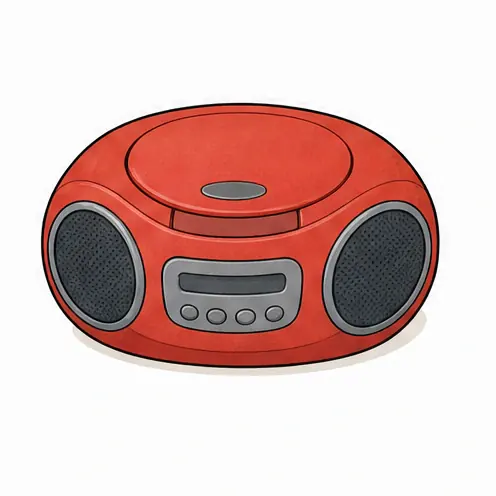
CD playerCD player

Conversation

Nia This is our new classroom.

Leo This is a computer beside us.

Nia What are these?

Leo These are pencils.

Nia What is that across the room?

Leo That is a board.

Nia What are those?

Leo Those are six pegs.

Language pattern

What are those?

Those are six pegs.

  • This is a computer.
  • That is a board.
  • These are pencils.

More practice

Ask, point and count

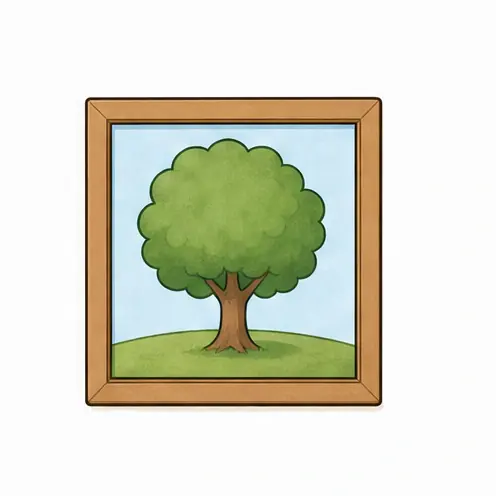
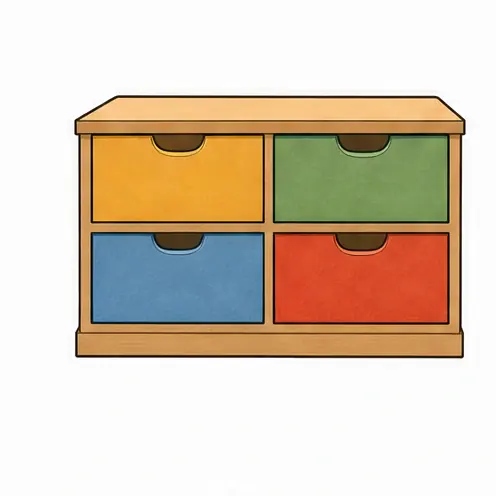
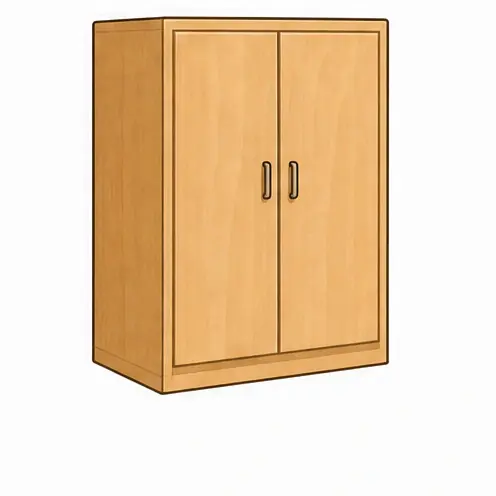
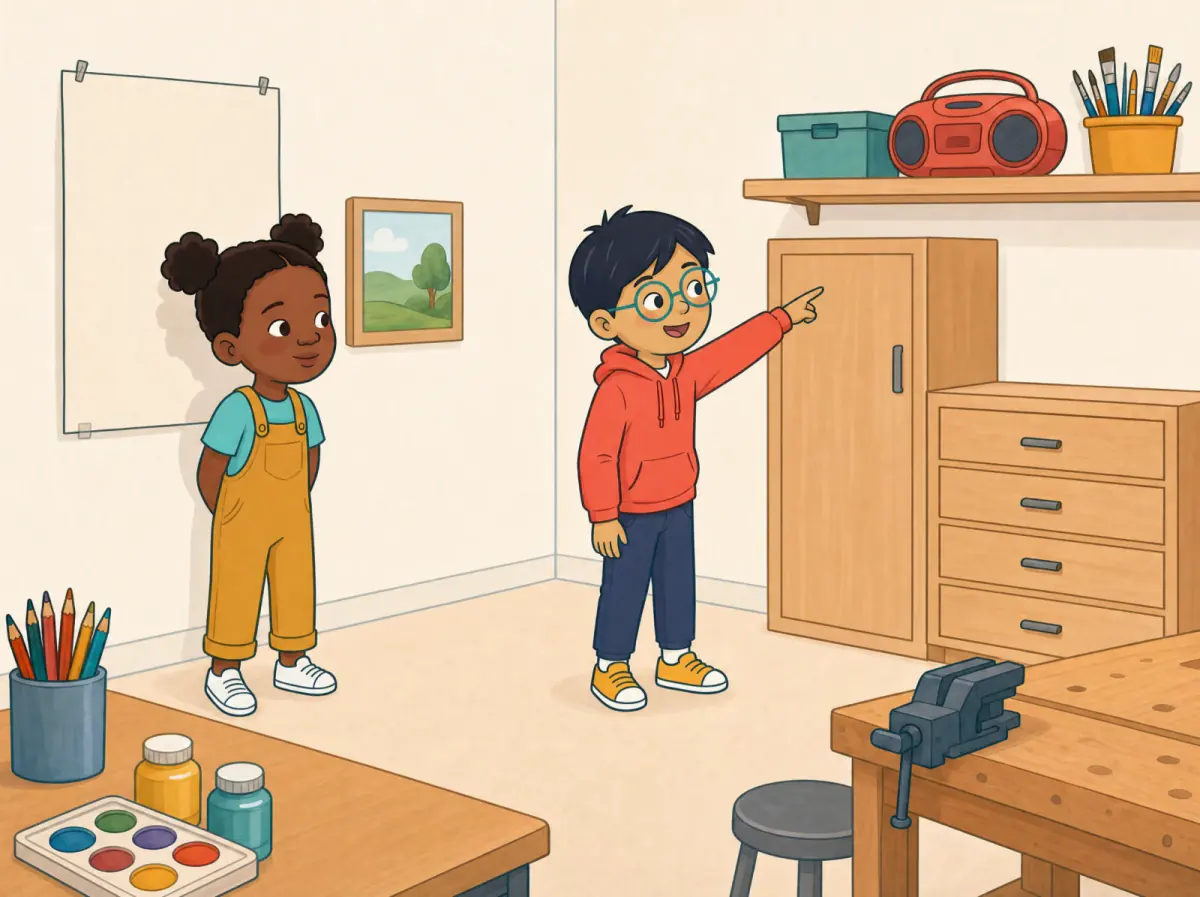
In the art corner of the River Studio School makerspace, Nia stands close to one blank illustrated poster and one small picture in a frame. Across the room, Leo points to a chest with four closed drawers, one tall cupboard and one red CD player on a high adult shelf.

Leo What is this beside you?

Nia This is a poster.

Nia What is that across the room?

Leo That is a cupboard.

Leo How many drawers are there?

Nia There are four drawers.

Nia Where is the CD player?

Leo It is on the high shelf.

How many drawers are there?

There are four drawers.

  • This is a poster.
  • That is a cupboard.
  • Those are drawers.
Learn this unit
How would you like to learn?

Classroom words for this topic

This topic uses eleven things found in most classrooms. “Computer”, “poster” and “CD player” are easy, because many languages borrow them. Two need explaining: a “peg” is a wall hook for coats and bags, and “drawers” are the boxes that slide out of a cupboard or desk. Say each word with “a”: “a table”, “a peg”. “Drawers” is already plural, so it has no “a”.

  • Furniture: table, cupboard, drawers
  • On the wall: board, poster, picture, peg
  • Things to use: computer, pencil case, CD player
  • The whole room: classroom

This and that: one thing, near or far

Use “this” for one thing near you, something you can touch. Use “that” for one thing farther away, often across the room. Point as you speak: a hand on the thing for “this”, an outstretched arm for “that”.

Near and far depend on who is speaking. A pencil case in your child’s hand is “this” for your child but “that” for you across the table, so practise from both sides.

Nia This is our new classroom.

Leo This is a computer beside us.

Nia What is that across the room?

Leo That is a board.

These and those: more than one

For more than one thing, “this” becomes “these” and “that” becomes “those”. The verb changes to “are”, and the noun usually adds “s”: “This is a pencil.” becomes “These are pencils.”, and “That is a peg.” becomes “Those are pegs.”

“This” and “these” are easy to mix up, but the vowel in “these” is longer and the end buzzes like a “z”. A rhyme for each word helps:

  • this – kiss
  • these – cheese
  • that – cat
  • those – nose

Nia What are these?

Leo These are pencils.

Nia What are those?

Leo Those are six pegs.

Naming a group or counting it

“Those are pegs.” says what the things are. To say how many, English uses a different pattern: “How many drawers are there?” “There are four drawers.” For one thing, it is “There is a cupboard.” You can also put the number into a pointing sentence: “Those are six pegs.”

  • Naming: “These are pencils.” “Those are drawers.”
  • Counting: “How many pictures are there?” “There are two pictures.”
  • Both: “Those are six pegs.”
Learn this unit your way

A near-and-far game at home

Put a few things near you on a table: a pencil, two crayons, a book. Put a few more across the room: a cushion, three toy cars, a picture on the wall. Your child stands by the table, points and says a sentence for each: “This is a book.” “Those are cars.”

Then swap places and play again from the far side: what was near is now far, so the words change. End with a counting question, “How many cars are there?”, and keep each round to five or six sentences.

Common mistakes and quick fixes

These are normal at this stage. Repeat the sentence back the right way and carry on.

  • “This are pencils.”: more than one needs “these” as well as “are”: “These are pencils.”
  • “These are pencil.”: the noun needs an “s” too: “These are pencils.”
  • “Those is a poster.”: one far thing is “that”: “That is a poster.”
  • “That is board.”: one thing needs “a”: “That is a board.”
  • “Dis” or “zis”: the “th” is made with the tongue lightly between the teeth. Show it, but don’t insist.

What comes next

When your child picks the right word without stopping to think, describe a room aloud, then write it: “This is my classroom. There are two posters and four pictures. Our teacher is Mrs Brown.” Each sentence starts with a capital letter, and so does each name.

Sticky-note labels help with spelling: write “board” or “poster”, say the letters together and stick each one on the right thing. Later, “Those are my friends.” leads on to talking about groups with “we” and “they”.

Frequently asked questions

What is the difference between this, that, these and those?

“This” and “these” are for things near the speaker; “that” and “those” for things farther away. “This” and “that” are for one thing, “these” and “those” for more: this pencil, that board, these pencils, those pegs.

How do you answer “What is that?” in English?

The short everyday answer is “It’s a board.”, or “They’re pegs.” for more than one. “That is a board.” and “Those are pegs.” are also correct and give extra practice with the pointing words.

Is “that” only for things far away?

No. “That” is for anything not close to the speaker, even across a table or in the other person’s hand: “What’s that in your hand?” If you would point rather than touch, “that” usually fits.

Learn this unit
How would you like to learn?

What comes next?

One-to-one lessons with a live teacher

In Flalingo kids lessons, your child practises units like this one-to-one with a live teacher, through games on the same screen.

Book a free trial lesson